

Chemical Resistance of Silicone Rubber: Essential Insights for Industrial Buyers
A comprehensive guide to understanding silicone rubber’s chemical resilience, manufacturing nuances, application challenges, and procurement best practices for precision-driven industrial supply chains.
Industry Pain Points in Chemical Resistance Applications
Purchasing managers and technical engineers frequently grapple with silicone rubber performance inconsistencies when exposed to aggressive chemical environments. Challenges include unexpected degradation in high-acid or solvent applications, premature seal failures, and inconsistencies between prototype materials and mass production batches.
Operational managers cite unplanned downtime triggered by swelling, embrittlement, or tackiness changes in silicone seals leading to costly production halts and warranty claims. The problem deepens with varying silicone grades and formulations, and subpar manufacturing tolerances that affect chemical resistance metrics.
Material selection and accurate performance characterization are essential but usually poorly understood, causing buyers to rely on outdated datasheets or supplier claims rather than verified test data.
Understanding Silicone Rubber's Chemical Resistance
Silicone rubber’s chemical resistance stems from its inorganic silicon-oxygen backbone, providing intrinsic stability against many harsh chemicals where organic polymers fail. It withstands exposure to acids, alkalis, oils, and solvents far better than standard rubbers like EPDM or nitrile.
However, not all silicones respond identically. The chemical resistance depends heavily on the silicone type (e.g., liquid silicone rubber – LSR, solid silicone), fillers used, curing process, and operating environment. For instance, LSR’s crosslink density and additives determine its reaction to aromatic hydrocarbons or oxidizing agents.
Industry standards often assess silicone for resistance against hydrochloric acid, sulfuric acid, ammonia, ketones, and strong bases, but variations exist depending on concentration and temperature.
Long-term lifecycle behavior is equally critical. Silicone will typically maintain flexibility and seal integrity for years in moderately aggressive environments, but prolonged exposure to certain solvents or ketones may cause swelling and softening. This can differ with silicone grades and must be evaluated as part of application-specific testing.
Procurement officers should know that chemical resistance data are not uniform. Pre-production trials under real-world chemical exposures help reduce risk — simulations and certifications only tell part of the story.
To better understand this, let's examine key chemical resistance properties below:
- Acid and Alkali Resistance: Silicone resists a broad pH range but weakens in concentrated acids like nitric acid, requiring specific formulations.
- Solvent Resistance: Highly resistant to non-polar solvents but vulnerable to ketones and aromatic hydrocarbons.
- Oxidation Stability: The silicon backbone provides superior resistance to ozone and UV compared to organic rubbers.
- Temperature Influence: Chemical resistance varies with temperature — resistance can drop sharply at elevated temperatures, requiring specification by operating conditions.
Technical Specifications & Testing Standards
Meeting internationally recognized standards is a cornerstone of trustworthy chemical resistance claims. Suppliers like Guangdong Yingtai High Precision Technology Co., Ltd. ensure compliance with ISO 10993 for biocompatibility and ASTM D1418 for rubber identification.
Key testing protocols for chemical resistance include:
- ASTM D471: Measures swelling and degradation in various chemicals under defined conditions.
- ISO 2578: Tests rubber resistance to liquids at specified temperatures.
- UL 94: Flammability testing relevant for electrical insulation applications.
- FDA 21 CFR 177.2600: Approval for food and medical contact applications.
Below is a simplified specification overview for common silicone rubber grades used in chemical-resistant applications:
| Property | Typical Range | Notes |
|---|---|---|
| Operating Temp. (°C) | -60 to 230 | Ranges vary based on formulation and filler |
| Tensile Strength (MPa) | 5–12 | Dependant on cure and reinforcements |
| Hardness (Shore A) | 20–80 | Adjustable for sealing or cushioning needs |
| Swelling (-ASTM D471) | <10% Volume increase in mild solvents | Lower is better for chemical resistance |
| Ozone Resistance | Excellent | Important for outdoor applications |
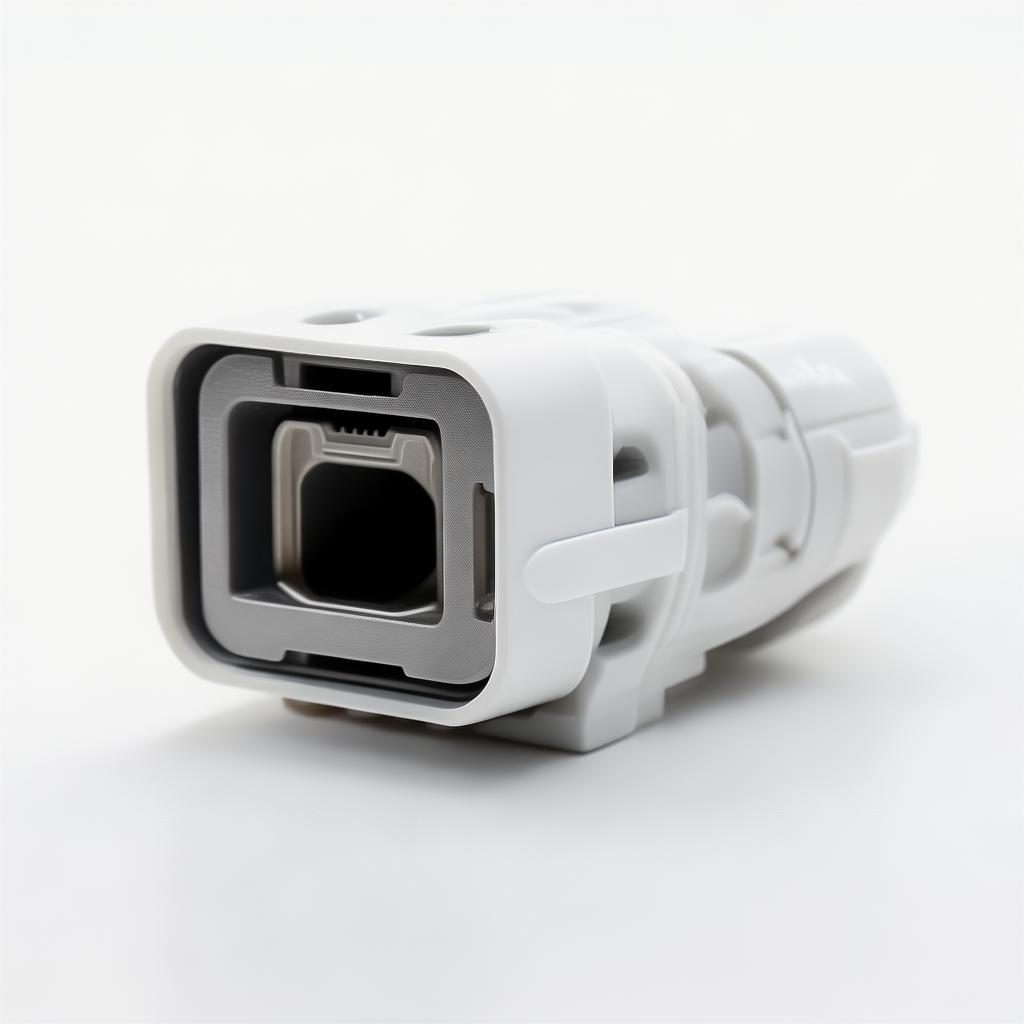
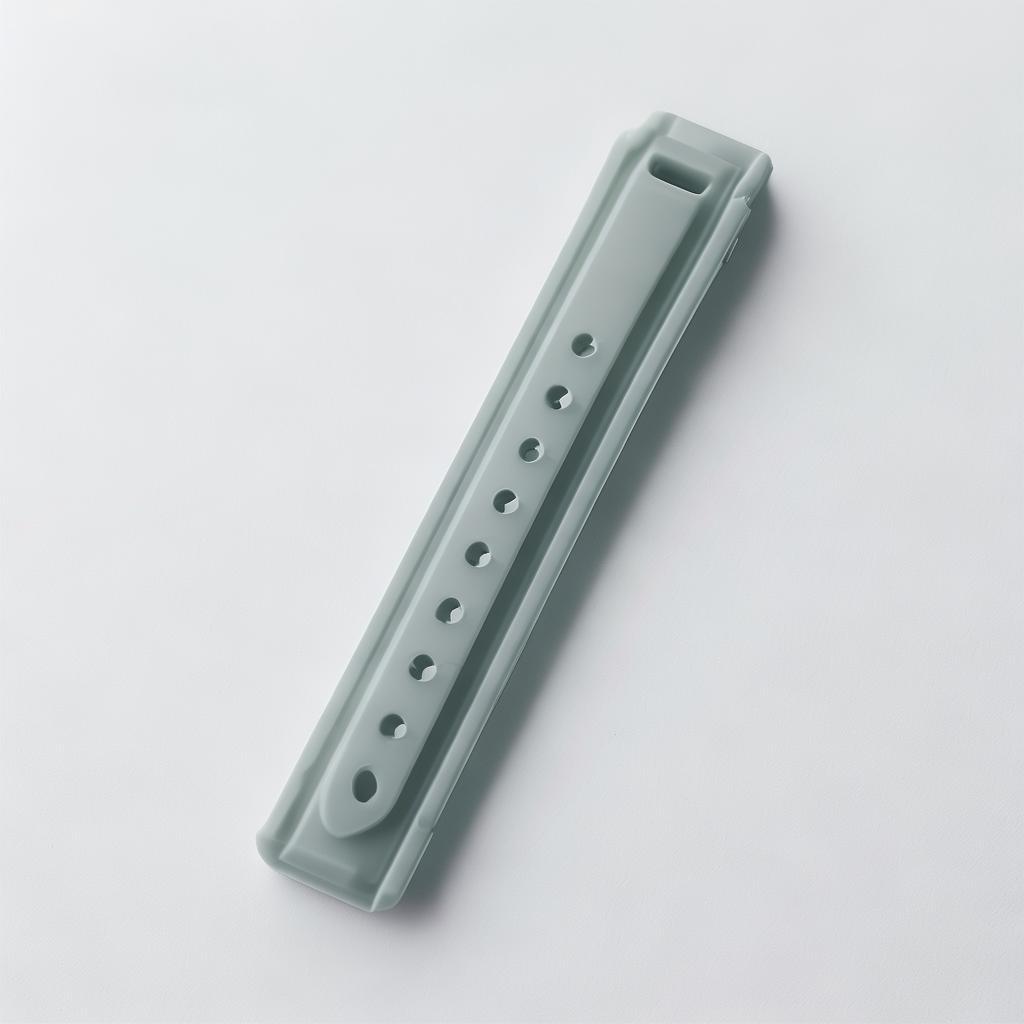
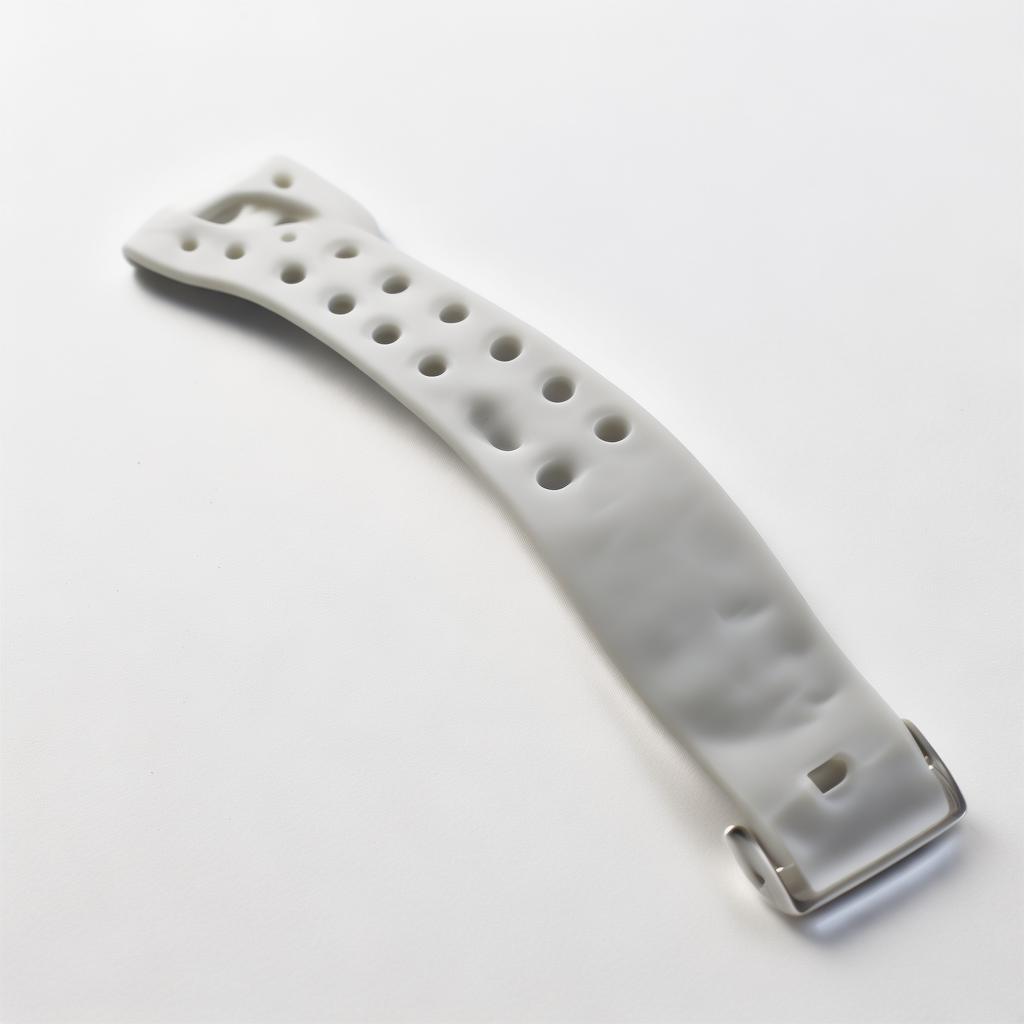
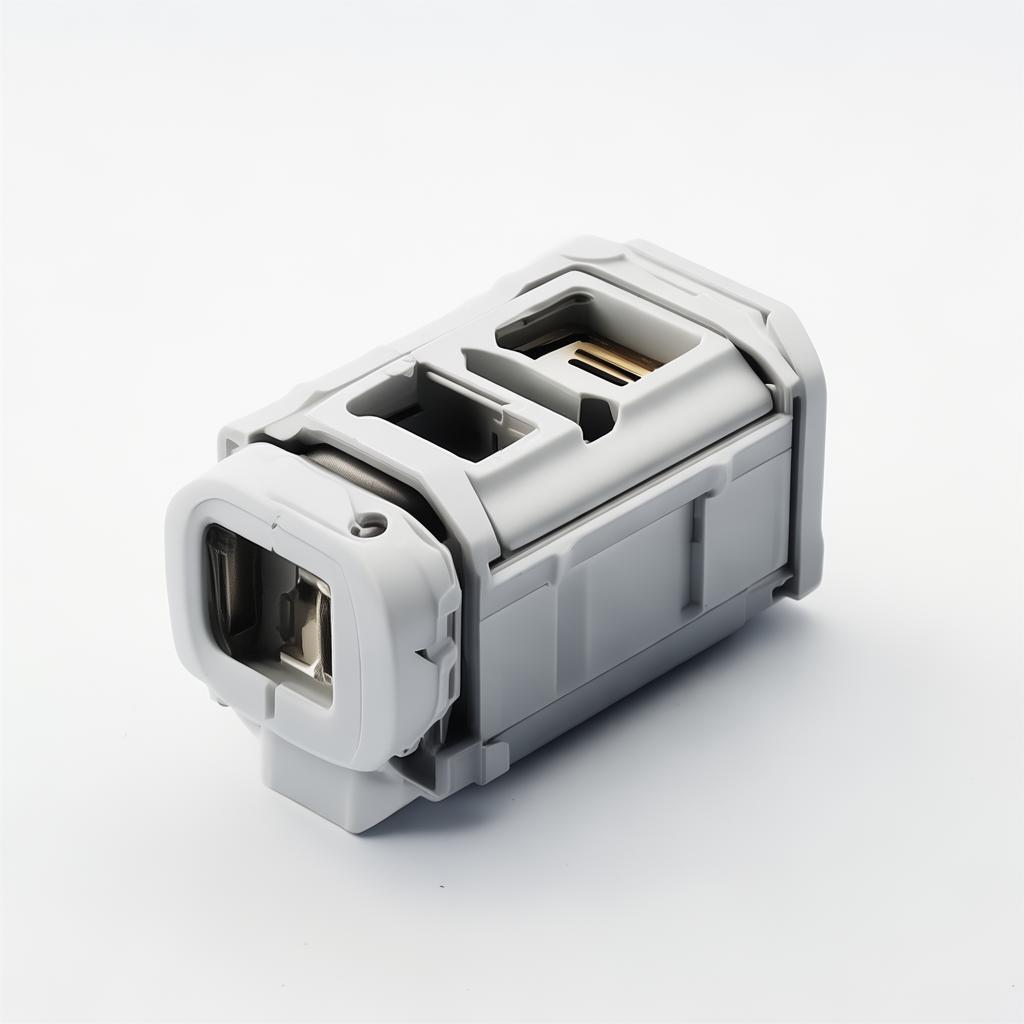
Silicone rubber parts resistant to high and low temperatures High-temperature resistant silicone rubber accessories siliconen rubber
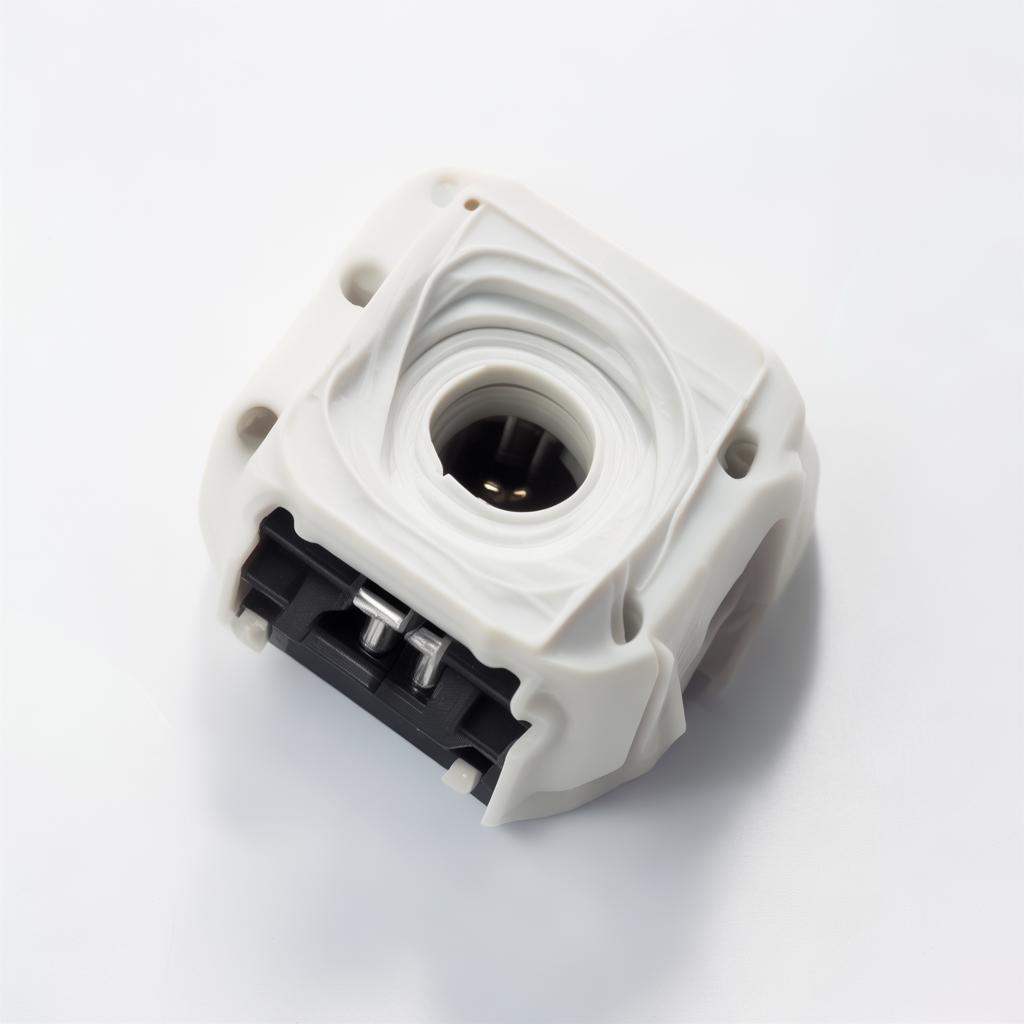
Leading industry reports show an accelerated adoption of LSR for chemical-resistant precision components, with projected market growth fueled by healthcare and automotive sectors demanding strict quality controls [GrandViewResearch].
Material Comparison: Silicone Rubber Vs. Other Elastomers
When specifying seals or gaskets, a common procurement question is whether silicone rubber holds an advantage chemically over alternative materials such as EPDM, Viton, or Nitrile (NBR).
| Property | Silicone Rubber | EPDM | Viton (FKM) | Nitrile (NBR) |
|---|---|---|---|---|
| Chemical Resistance | Excellent to acids & bases; moderate solvents | Good to weathering, acids, alkalis | Excellent to hydrocarbons & solvents | Good resistance to oils and fuels |
| Temperature Range (°C) | -60 to +230 approx. | -40 to +125 | -20 to +200 | -30 to +100 |
| UV & Ozone Resistance | Outstanding | Good | Moderate | Poor |
| Swelling In Solvents | Low to moderate, varies by solvent | Higher than silicone | Generally low | Varies, often high |
| Price | Moderate | Low | High | Low |
In summary, silicone’s broad operational temperature and chemical resistance make it the go-to for critical sealing in harsh environments — but it must be matched carefully to service conditions to optimize lifecycle cost.
Real-World Application Scenarios
Our factory experience at Guangdong Yingtai High Precision Technology Co., Ltd. spans delivering silicone rubber components for:
- Automotive seals: Resistance to oils, fuels, and coolants under engine bay conditions with extended heat exposure.
- Consumer electronics: Chemical exposure from cleaning solvents and UV exposure require durable, non-reactive sealing.
- Medical devices: Biocompatible materials facing disinfectants and bodily fluids, necessitating FDA-compliant and chemically inert silicone.
- Industrial machinery: Seals exposed to alkaline cleaners, lubricants, and acids in manufacturing equipment.
- Food processing: Silicone gaskets with FDA and EU food-grade certifications withstand frequent washdown with sanitizers.
Our technical team provides tailored chemical resistance analysis with real-world testing simulation to validate product suitability before full-scale manufacturing.
Procurement Guidance for Chemical-Resistant Silicone Rubber
When sourcing chemical-resistant silicone, buyers must avoid common pitfalls:
- Over-reliance on datasheets: Real application chemistry can deviate from standardized test fluids, so field trials or bespoke testing are invaluable.
- Ignoring production process impact: Injection molding parameters and curing cycles influence crosslink density and material resilience.
- Neglecting supply chain consistency: Supplier sourcing consistency affects batch-to-batch chemical performance; ask about their quality control and certifications.
- Underestimating lead times: Complex silicone parts with strict chemical resistance are often custom-molded, requiring realistic lead time expectations (often >30 days).
- Skipping packaging and logistics checks: Silicone parts are prone to contamination and deformation if not packed and shipped properly – verify your supplier’s outbound protocols.
We recommend working with manufacturers providing comprehensive OEM/ODM services, including joint development, chemical compatibility mapping, and integrated quality assurance systems.
“Sourcing isn’t just about cost—it’s about risk mitigation and lifecycle performance.”
For USA-based importers, reliable suppliers located in advanced manufacturing hubs like Dongguan with certifications such as CE, FDA, and ISO can minimize customs delays and shipping uncertainties.
Buyer FAQs on Chemical Resistance of Silicone Rubber
- Q1: Can silicone rubber resist exposure to gasoline and oils indefinitely?
- Silicone generally resists many oils and fuels but extended exposure—especially with additives—may cause swelling. Selecting high-quality LSR grades with specific filler combinations improves durability but periodic inspection is recommended.
- Q2: How does temperature affect chemical resistance?
- Chemical resistance drops at elevated temperatures. For example, solvents which are benign at room temp can cause faster degradation above 150°C, so specifying operating temperature during procurement is critical.
- Q3: What certifications confirm chemical resistance claims?
- ASTM D471 testing, ISO conformity, FDA approval for food-grade silicones, and third-party lab testing reports provide credible chemical resistance validation.
- Q4: Is it better to choose liquid silicone or solid silicone for chemical resistance?
- Both can offer excellent resistance, but LSR provides tighter process control, lower porosity, and better reproducibility. Solid silicone may be easier for prototyping but less consistent in large volumes.
- Q5: How do I reduce procurement risk for silicone rubber with chemical resistance?
- Request material samples for chemical testing, review supplier’s process control documentation, check factory audits, and plan for small pilot orders before full scale production.
Customer Reviews

“We switched to Guangdong Yingtai’s LSR components for our automotive sealing line last year. Chemical resistance against coolant fluids has been solid – our maintenance team reports fewer replacements and reduced downtime.”

“The detailed chemical resistance data we received during sampling helped us confidently approve silicone seals for food-grade packaging equipment. Quality and regulatory compliance were top notch.”

“We appreciated the OEM customization services. Yingtai’s engineers helped optimize our overmolded silicone seals for chemical tolerance in harsh washing environments, which improved product lifecycle significantly.”
Get in Touch with Guangdong Yingtai High Precision Technology
Based in Dongguan’s industrial heart, our advanced facilities and experienced teams are ready to support your chemical-resistant silicone requirements. Whether you need custom formulations, OEM solutions, or rapid prototyping, we’re here to help.
Avoid costly procurement mistakes — talk with our experts today.
Phone: (Miss Zhang) +86 17722437688 | Email: zmm@yingtai168.com
Address: No. 359 Chang'an Bubugao Road, Chang'an Town, Dongguan City, Guangdong Province
Visit Our Website