Precision Engineered Silicone for Harsh Environments & Industrial Applications When dealing with aggressive chemicals, temperature extremes, and prolonged exposure to harsh environments, selecting the right silicone material is critical. Chemical resistant silicone uniquely balances
Product Details
Chemical Resistant Silicone Solutions
Precision Engineered Silicone for Harsh Environments & Industrial Applications
Introduction & Industry Context
When dealing with aggressive chemicals, temperature extremes, and prolonged exposure to harsh environments, selecting the right silicone material is critical. Chemical resistant silicone uniquely balances flexibility with robust durability, making it a preferred choice across sectors like automotive, electronics, and industrial manufacturing. Unlike common elastomers, this specialized silicone withstands corrosive agents ranging from acids to solvents, preserving function and safety.
The global Liquid Silicone Rubber (LSR) market, a core segment of chemical resistant silicone production, is demonstrating steady growth. Reports from experts like Grand View Research indicate the market expanding from roughly 2.8 billion USD in 2023 toward nearly 5 billion by 2030, driven largely by demand for biocompatible, heat-resistant components. This strong upward trajectory underscores silicone’s vital role where precision and chemical integrity govern performance.
For procurement managers and engineers, understanding the chemistry behind silicone’s resilience is more than academic—it influences sourcing decisions, lifecycle costs, and compliance with certifications like ISO 9001 and FDA standards. Yingtai’s expertise from Dongguan’s industrial hub exemplifies how integration of modern liquid silicone injection molding, combined with advanced quality control, can streamline supply chains while enhancing product reliability.
Equally important: missteps in silicone selection often lead to premature degradation. Materials not rated for specific chemical exposures can embrittle or swell, risking seal failure or hazardous leaks. Drawing upon decades of manufacturing insight, this article shares essential guidance to navigate these pitfalls and optimize your chemical resistant silicone applications efficiently.
Industrial Challenges in Chemical Resistant Silicone Applications
Unexpected chemical degradation: Not every silicone type resists every chemical. Selecting a material without clear compatibility tests can lead to premature product failure.
Thermal performance limits: Some applications push beyond silicone’s heat endurance, causing loss of elasticity or material deformation.
Costly tooling and production delays: Mold design for LSR is complex; mistakes here add unneeded lead time and expense.
Poor adhesion in multi-material components: Overmolding silicone with plastic or metal parts remains challenging without precise process parameters.
Logistics risks: Sensitive silicone components can deform improperly if containers are not managed correctly during shipping.
These pain points highlight the need for technical depth and supplier cooperation to ensure operational success.
Technical Attributes & Material Science
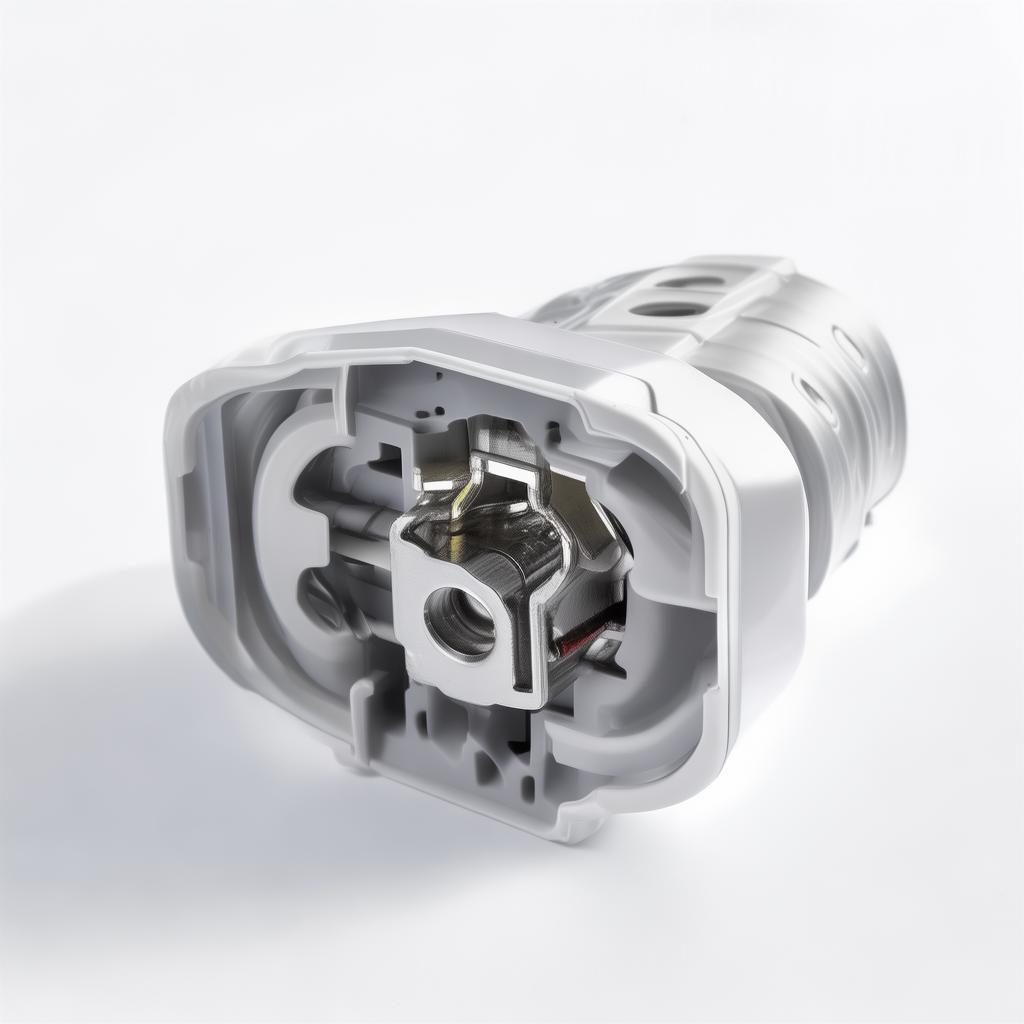
Chemical resistant silicone belongs to a broad family of high-purity elastomers, primarily manufactured using liquid silicone rubber (LSR) injection molding. This method provides unmatched precision for intricate parts like seals, gaskets, and insulating components critical in chemical processing plants and automotive fuel systems.
The material’s notable chemical inertness arises from its siloxane backbone, which confers resilience against acids, alkalis, esters, and many aggressive solvents. This property distinguishes it from conventional rubbers, which can swell or degrade quickly under similar exposures.
Cutting-edge enterprises use advanced CAE simulations powered by high-quality rheological data, as highlighted in recent MDPI research, to optimize mold fill and curing behavior, reducing defects and cycle times. Manufacturers investing in such digital twin technologies generally report improved yield consistency.
Applications & Industrial Use Cases
Chemical resistant silicone’s versatility allows it to serve in diverse, demanding environments. Among notable sectors:
New energy vehicles: Seals, gaskets, and cable coatings exposed to fuels, coolants, and battery electrolytes.
Consumer electronics: Protective covers and sealing components with high-heat operation and chemical exposure from cleaning agents.
Medical devices: Biocompatible seals and membranes resistant to sterilization chemicals and bodily fluids.
Industrial equipment: Pumps, valves, and sensors where chemical corrosives and temperature cycling are routine.
Household appliances: Durable silicone gaskets in washing machines, dishwashers, and refrigerators requiring water and detergent resistance.
Each application demands tailored formulations and design precision. OEMs relying on Yingtai receive full-scale support – from mold development to volume production – ensuring exact fit, compliance, and functional longevity across these verticals.
Procurement Guidance & Risk Management
For Purchasing Managers and Operations Directors, sourcing chemical resistant silicone is a strategic move. The selection process goes beyond price competition.
Supplier validation: Confirm factory capabilities, including number and type of injection molding machines, quality certifications like ISO 9001, and testing regimes.
Sample testing: Always request test samples for chemical immersion and mechanical stress tests under real-world conditions.
Lead time transparency: Injection mold tooling can require 4-8 weeks; evaluate vendor’s project management track record.
OEM & ODM flexibility: Verify if the supplier offers custom formulations and tooling design assistance to tailor to your product’s unique needs.
Logistics planning: Confirm container loading optimization and packaging protections to avoid silicone part deformation during transit.
Overlooking these factors risks costly project delays, product recalls, or non-compliance with regulatory standards. Yingtai specializes in guiding buyers through these pitfalls with transparent communications and detailed factory audits.
Technical Specifications & Certifications
Our chemical resistant silicone products adhere to stringent standards, ensuring compliance and reliability for critical industrial applications:
Suitable for medical and food-grade silicone parts
Medical seals, electronic seals
RoHS & REACH Compliance
Restriction of hazardous substances, safe for EU markets
Consumer electronics, wearable devices
UL 94 V-0
Flammability rating for electrical insulation
Automotive & electronics components
Frequently Asked Questions
What chemicals can chemical resistant silicone withstand?
It commonly resists acids (e.g., sulfuric, nitric), alkalis, ketones, alcohols, and many solvents. Compatibility should be verified for specific conditions.
What is the typical lead time for custom silicone molding?
Tooling development generally takes 4-8 weeks. Production volumes and mold complexity affect final schedules.
Can chemical resistant silicone be overmolded on plastic substrates?
Yes, with correct surface activation and process control, multi-component injection molding combining LSR and thermoplastics is feasible.
How should I store silicone parts to avoid deformation?
Store in flat containers with minimal weight stacking. Avoid prolonged exposure to UV light or extreme temperatures before installation.
Are there eco-friendly silicone options available?
Advances include low-waste injection molding and recyclable formulations; consult your supplier on green manufacturing certifications.
Customer Feedback & Operational Insights
“We switched to Yingtai’s chemical resistant silicone seals last year. Installation time dropped noticeably—about 15% faster than previous materials - plus zero degradation after six months in our chemical processing plant. Their team’s hands-on support made mold customization painless.”
- Michael Lawson, Procurement Manager, Texas Chemical Solutions
Get in Touch
If you have any camping barbeque equipment inquiry, please feel free to contact us.