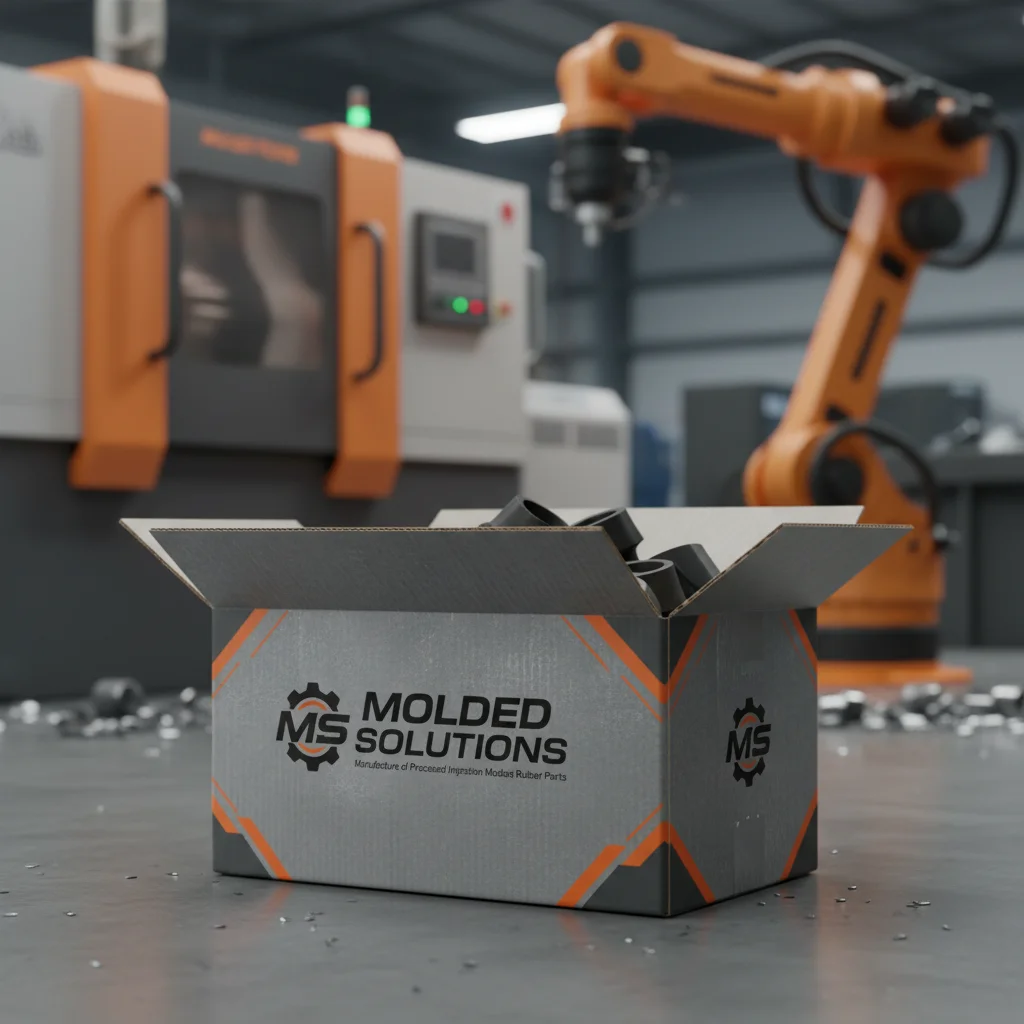
For global procurement teams seeking durable, high-accuracy injection molding tooling – Yingtai brings 20+ years of experience, industry-leading ISO-certified processes, and full turnkey capabilities from prototype to mass production. Injection molding tooling is the
Product Details
Precision Injection Molding Tooling Manufacturer in China | Guangdong Yingtai High Precision Technology
For global procurement teams seeking durable, high-accuracy injection molding tooling – Yingtai brings 20+ years of experience, industry-leading ISO-certified processes, and full turnkey capabilities from prototype to mass production.
Current Landscape & Procurement Realities in Injection Molding Tooling
Injection molding tooling is the backbone of mass manufacturing for countless industrial sectors, including automotive, consumer electronics, medical devices, and household appliances. For Purchasing Managers and Procurement Directors outside China, sourcing reliable injection molding tool manufacturers can feel like navigating a maze filled with hidden risks — ranging from inconsistent quality and poor communication to shipment delays and compliance pitfalls.
Our analysis reveals:
Tooling quality directly impacts product yield: Inaccurate molds-heavy tolerance deviations often incur costly reworks or scrappage.
Lead time uncertainties: Misaligned production schedules affect your downstream assembly line and market launch.
OEM/ODM experience matters: Factory expertise in multi-component overmolding, surface finishes, and mold flow simulation is critical.
Compliance & certifications: Relevant ISO, CE certifications and export controls safeguard procurement integrity.
Procurement teams in the USA and other English-speaking markets demand factories that can consistently meet tight tolerances, comply with environmental and safety standards, and rapidly iterate tooling designs to cut time-to-market.
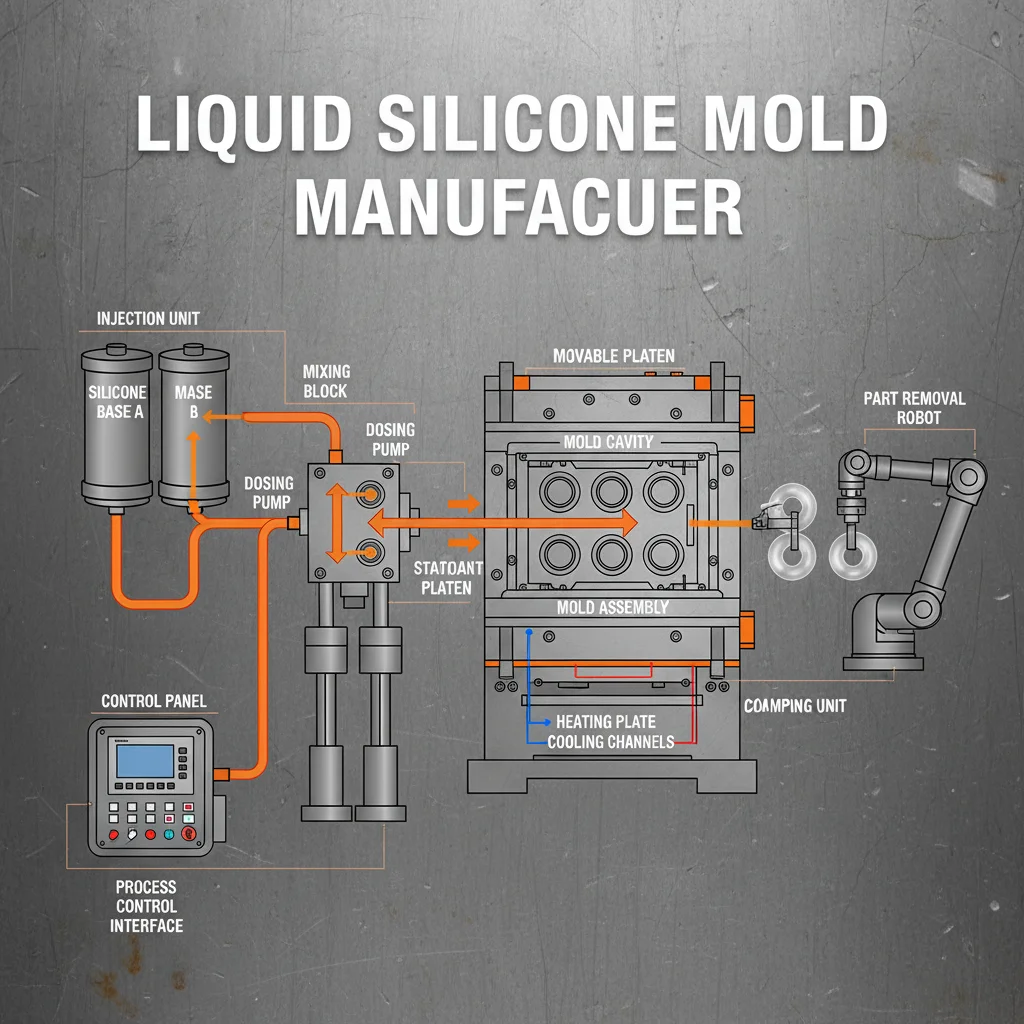
Established in Dongguan, Guangdong Province, Guangdong Yingtai High Precision Technology Co., Ltd. merges over 20 years of industry knowledge with robust factory infrastructure — featuring 55 liquid silicone molding machines and 80 injection molding sets — creating a vertically integrated production chain.
The company also embraces the latest CAE development for tool design and adopts rigorous quality control protocols aligned with ISO 9001, CE, and other relevant standards.
What distinguishes Yingtai is its blend of operational agility tailored to custom OEM demands and its deep insights into global logistics challenges.
As injection molding increasingly centres on advanced materials like LSR (liquid silicone rubber) — projected to grow, according to Grandview Research, at a CAGR of 8.5% through 2030 — the technical proficiency of your tooling partner cannot be overstated.
Understanding these realities upfront will help reduce procurement risks while ensuring your product meets endurance, precision, and regulatory demands.
Deep Technical Overview: Injection Molding Tooling Processes & Materials
Injection molding tooling for plastics and liquid silicone rubber components involves several integral stages critical for success:
Mold design: Engineers utilize CAD/CAE software for flow analysis and dimensional accuracy prediction. Precision features like air vents, cooling channels, and gate locations are optimized.
Material selection: Steel grades like P20, S136 or hardened stainless steels are recommended for longevity; high-quality LSR requires special temperature-resistant tool surfaces.
CNC machining & EDM processes: Mold cavities and cores are sculpted, followed by surface polishing or texture finishing depending on product aesthetics and release characteristics.
Validation and sampling: Prior to mass runs, sample parts undergo dimensional checks, mechanical tests, and molding cycle evaluations.
Multi-shot & overmolding capabilities: Factories equipped to handle hybrid plastics and silicone materials add significant value for complex parts requiring soft touch and rigid framing.
Typical Technical Specifications for Injection Molding Tooling
It's essential that tooling manufacturers incorporate research-backed insights such as those discussed in recent MDPI studies on material characterization for LSR injection molds, which emphasize the value of precise rheological data in tooling simulations. This ensures reduced defects, stable cycle times, and improved durability.
Integrated Facilities: From mold development to finished parts, Yingtai maintains total control over each production phase, enabling rapid iteration and exceptional consistency.
Expertise in LSR & Overmolding: With 55 liquid silicone molding machines and automation, the factory supports high-precision medical-grade and automotive seals as well as consumer electronics parts.
Comprehensive Testing: Advanced instruments for tensile strength, hardness, and dimensional metrology ensure compliance with ISO standards and end-use reliability.
OEM/ODM Flexibility: Tailored tooling design and material recommendations focused on your product specifications and cost targets.
Industry Certifications: The factory holds ISO 9001 quality management certification and CE compliance for EU-bound shipments.
Experienced Export Team: Efficient coordination of international logistics, customs clearance, and container loading optimized for cost and delivery predictability.
Customer-Centric Engineering Support: Engineering consultation is available through product development stages, including mold flow simulation and trial runs.
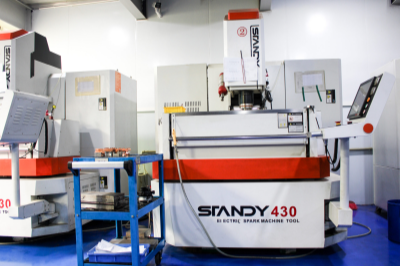
High-precision CNC machining and injection molding workshop at Yingtai.
Unlike typical offshore suppliers who merely commission tooling, Yingtai controls the entire industrial chain — minimizing interface issues, cutting unnecessary lead time, and offering pragmatic advice on molding materials and cycle parameters.
Application Environments & Material Considerations
Our tooling solutions power components across sectors with demanding performance requirements:
New Energy Vehicles: Sealing parts and electrical connectors requiring UV and chemical resistance.
Medical Devices: Injection molded parts demanding biocompatibility, sterilizability, and dimensional stability.
Industrial Appliances: Durable rubberized components designed for long lifecycle and thermal resistance.
Material Comparison for Injection Molding Tooling
Material
Key Properties
Ideal Application
P20 Steel
Good machinability; moderate wear resistance
Short to medium production runs
S136 Stainless Steel
High corrosion resistance; mirror polish finish
Medical-grade, consumer electronics
H13 Steel
High thermal fatigue resistance; hardened
High-volume automotive tooling
Liquid Silicone Rubber (LSR)
Heat resistant, biocompatible, flexible
Seals, gaskets, wearable tech
Yingtai often advises on appropriate combinations of tooling steel and molding materials to balance durability and precision. For example, multi-shot processes combining ABS with LSR require specialized surface treatments on tooling to ensure optimal adhesion and minimize cycle defects, as supported by findings from MDPI Polymers research.
Procurement Guidance & Risk Mitigation
Industrial buyers face several pitfalls sourcing injection molding tooling offshore:
Inadequate mold design standards leading to non-compliance or underperformance parts.
Material substitution without disclosure compromising mechanical and chemical stability.
Poor documentation and change management resulting in production errors or delayed delivery.
To reduce these risks, buyers should:
Request full mold design files and simulation reports to review tooling flow and cooling.
Verify certifications such as ISO 9001, CE markings, and compliance with RoHS for electronics parts.
Commit to structured prototyping runs and regular quality audits before mass production.
Establish transparent communication channels with project managers and engineers for technical clarifications.
Plan logistics early, considering container space optimization and potential customs duties in destination countries.
Sample communication on mold specifications and delivery timeline.
Yingtai’s team specializes in transparent order management and proactive issue resolution to prevent costly production halts. Our client references attest to the factory’s capability to meet stringent USA quality and traceability requirements.
Frequently Asked Questions
Q1: What is the typical lead time for injection molding tooling?
Depending on tooling complexity, standard lead times range from 6 to 10 weeks. Yingtai leverages rapid tooling technologies to expedite prototypes within 15 days where feasible.
Q2: Can Yingtai support multi-shot or overmolding projects?
Yes, Yingtai has extensive experience manufacturing multi-shot injection molds combining rigid plastics with liquid silicone rubber, ideal for medical or wearable device applications.
Q3: What certifications does the factory hold?
Yingtai is ISO 9001 certified and complies with CE directives for electrical components. Product-specific certifications like FDA or RoHS are supported upon request.
Q4: How does Yingtai handle logistics for USA shipments?
The export department coordinates sea freight container optimization, documentation, and customs clearance tailored to USA import regulations, ensuring on-time delivery and minimal surprises.
Q5: Are OEM and ODM tooling options available?
Absolutely. Yingtai offers customized tooling design and manufacturing tailored to client drawings as well as ODM projects for jointly developed product lines.
What Our Clients Say
“Yingtai's injection molds for our automotive seals have consistently met our tight tolerance requirements. Their engineering support saved us from costly redesigns.”
– John D., Operations Manager, Michigan USA
Get in Touch
If you have any camping barbeque equipment inquiry, please feel free to contact us.