Specialized chromated aluminum products for corrosion resistance, enhanced adhesion, and reliability across manufacturing and export markets. In procurement cycles across automotive, aerospace, electronics, and construction sectors, one consistent challenge is securing aluminum that withstands
Product Details
Chromated Aluminum: Durable Solutions for Industrial and Commercial Applications
Specialized chromated aluminum products for corrosion resistance, enhanced adhesion, and reliability across manufacturing and export markets.
Industry Pain Points in Aluminum Surface Treatment
In procurement cycles across automotive, aerospace, electronics, and construction sectors, one consistent challenge is securing aluminum that withstands harsh operating environments without compromising structural integrity. Standard aluminum alloys, while lightweight and versatile, show vulnerability to corrosion, especially in coastal and industrial atmospheres laden with chloride ions.
Manufacturers often grapple with surface adhesion failures in subsequent coating or bonding processes, resulting in peeling or delamination that escalates warranty claims and impacts downtime. Variability in surface pretreatment quality from suppliers further complicates integration on assembly lines — shipments arriving with inconsistent chromate conversion coatings inject uncertainty, forcing reworks and production delays.
Environmental/safety compliance is another hurdle. Hexavalent chromium, historically used in chromate treatments, faces growing regulatory restrictions. Finding suppliers with advanced trivalent chromium passivation or green alternatives that still deliver robust corrosion resistance is vital but not yet standardized globally.
Finally, surface treatments add logistical complexity. Chromated aluminum requires careful packaging and shipment conditions to preserve coating integrity. Ill-managed supply chains risk coating damage in transit, leading to increased scrap rates on site.
Procurement teams need a reliable chromated aluminum supplier committed to consistent coating quality, industry compliance, and tailored logistics.
What is Chromated Aluminum? A Technical Overview
Chromated aluminum refers to aluminum or aluminum alloy substrates treated with a chromate conversion coating process. This treatment involves immersing or spraying the aluminum surface with a solution containing chromium compounds — traditionally hexavalent chromium (Cr6+) based, though trivalent chromium (Cr3+) treatments are becoming industry standard due to environmental concerns.
The chromate conversion layer forms a durable, chemically bonded film typically 20–150 nanometers thick that acts as a barrier to oxidation while providing excellent adhesion characteristics for paints, primers, and adhesives.
Key performance attributes include:
Corrosion resistance: Significantly reduced susceptibility to pitting, especially in chloride rich environments.
Paint adhesion: Enhanced mechanical interlocking and surface energy support improved coating durability and uniformity.
Conductivity retention: Unlike anodizing, chromate treatment maintains the aluminum’s electrical and thermal conductivity, essential for electronic housings.
Self-healing properties: Hexavalent chromate films have limited ability to “self-repair” minor scratches or damages, extending product lifetime.
Process workflow: After thorough surface cleaning to remove oils, dirt, and oxides, the aluminum part undergoes immersion or spray with a chromate bath at controlled temperature and pH. Subsequent rinsing and drying steps ensure a thin, uniform conversion layer.
Industry standards such as MIL-DTL-5541 (Military Standard for anodic coatings and chromate conversion coatings) and ISO 2360 provide benchmarks for coating thickness, adhesion, and corrosion resistance tests to ensure compliance and performance.
Recent advancements favor trivalent chromium processes which offer comparable corrosion protection without hazardous wastes—important for industries aiming to reduce environmental impact while maintaining rigorous quality.
Advantages of Using Chromated Aluminum in Industrial Applications
Superior corrosion defense: Extends product lifespan especially in harsh outdoor or marine environments.
Improved coating adhesion: Reduced risks of paint peeling increases durability and aesthetics.
Maintains mechanical properties: No embrittlement or weakening of aluminum alloy.
Compatibility with OEM processes: Enables smooth integration with powder coating, painting, and adhesive bonding.
Electrical conductivity preserved: Suitable for components with electrical grounding requirements.
Resistance to wear and abrasion: Supports parts exposed to light mechanical friction without coating failure.
Customizable coating thickness: Ability to tailor layer based on specific operational environments.
Lower maintenance demands: Longer intervals between recoating or repair cycles reduce lifecycle costs.
Operational experience from suppliers often notes that chromated aluminum components require less frequent inspection and refinishing compared with untreated aluminum — a direct advantage in fast-paced assembly or field maintenance cycles.
Material Comparison: Chromated Aluminum vs Alternative Treatments
Chromated aluminum finds usage across several demanding sectors. Its reliability has led procurement managers and engineers to adopt it predominantly in:
Aerospace components: Corrosion-resistant skin panels and fasteners which must maintain tight tolerances and coating adhesion after exposure to oxygen, moisture, and varying pressures.
Automotive frames & trim: Particularly in EVs, where electrochemical reliability and paint adhesion are essential for lightweight aluminum parts.
Electronic enclosures: Heat sinks and housings require conductive coatings that do not hinder electromagnetic interference (EMI) shielding.
Architectural fittings: Window frames and structural elements that face outdoor exposure benefit from chromate’s corrosion defense and bonding compatibility.
Marine hardware & equipment: Fasteners, brackets, and connection plates resist saltwater corrosion better than untreated aluminum.
Military hardware: Compliance with MIL-DTL-5541 standard ensures suitability for defense-grade applications.
Each application demands tailored chromate conversion treatments. Fastener suppliers often require thicker films (up to 150nm) for enhanced defense, while electronics manufacturers focus on thin, uniform coatings that preserve surface conductivity.
Installation and Maintenance Considerations
Handling chromated aluminum components during installation needs care to preserve the protective film. Avoid contamination with oils or abrasive impacts that can breach the conversion coating and initiate corrosion sites.
Practical tips for installers and maintenance teams:
Store components in protective packaging and controlled environments prior to assembly; avoid moisture exposure.
Use gloves or clean tools during handling to prevent oil contamination that reduces adhesion effectiveness.
Inspect coated surfaces regularly for signs of wear or damage; chromate coatings do not protect against mechanical abrasion.
For repairs or recoating, consult suppliers on compatible primer systems or re-treatment processes to restore corrosion resistance.
Avoid using alkaline or strongly acidic cleaners on assemblies involving chromated aluminum to prevent film degradation.
Maintenance intervals depend on the application environment. Coastal or chemical plant usage may require inspections every 6-12 months, while indoor applications see longer cycles.
Logistics and Procurement Guidance
When sourcing chromated aluminum, procurement professionals must evaluate:
Supplier compliance: Verify adherence to MIL-DTL-5541 or equivalent ISO standards through certificates and audit reports.
Batch consistency: Request batch-specific test data for coating thickness, adhesion, and corrosion resistance.
Lead times and production capability: Ensure suppliers can meet volume demands and offer OEM/ODM customization if required.
Packaging and transport: Confirm use of moisture-resistant wrapping, shock-absorbent palletizing, and controlled shipment methods to prevent coating damage during transit.
From logistics perspective, consolidating shipments to maximize container utilization without risking product damage can reduce costs. Safe handling instructions for chromated aluminum align with hazardous material logistics protocols due to residual chromium salts.
Working with a vertically integrated manufacturer like Guangdong Yingtai High Precision Technology Co., Ltd., with in-house surface treatment capabilities and quality control, can reduce supply chain complexity and ensure traceable product quality.
Certifications and Factory Capabilities
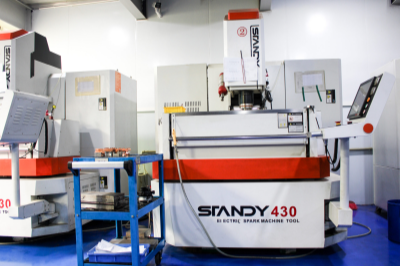
Our manufacturing partner, Guangdong Yingtai High Precision Technology Co., Ltd., operates in Dongguan’s industrial hub with a 35,000m² facility equipped with advanced precision processing, coating, and testing equipment.
Precision processing line at Yingtai facility
The factory maintains strict quality systems, certified under ISO 9001 and RoHS compliance, with dedicated surface treatment labs to ensure chromate coatings meet MIL-DTL-5541 or customer-specific standards.
ISO 9001 Quality Management System
RoHS Directive Compliance on hazardous substances
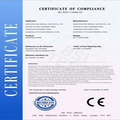
CE Marking for European market compatibility
With over 20 years of experience molding and surface treating high-precision components, Yingtai's capability to integrate OEM/ODM services helps customers realize complex designs with reliable corrosion protection.
Buyer FAQs: Chromated Aluminum
Q: Is chromated aluminum suitable for outdoor marine applications?
A: Yes, especially with hexavalent or high-grade trivalent chromate coatings, it provides enhanced corrosion resistance against salt spray and humidity typical in marine environments.
Q: Are there environmental concerns regarding chromate coatings?
A: Historically, hexavalent chromium posed toxicity issues. Modern manufacturers utilize trivalent chromium or chromate-free alternatives balancing eco-safety with corrosion performance. Ensure suppliers provide certified processes.
Q: Can chromated aluminum be painted over?
A: Absolutely. Chromated surfaces promote excellent paint adhesion reducing peeling or blistering, which is critical in automotive and aerospace finishes.
Q: What is the typical lead time for chromated aluminum parts?
A: Lead time depends on volume and surface treatment complexity; average production plus chromate treatment cycles range from 10 to 25 business days at capable factories.
Q: Are OEM/ODM customizations available?
A: Yes, Guangdong Yingtai specializes in OEM/ODM services, allowing customization of substrate alloys, surface finish, thickness, and packaging per client specifications.
What Our Clients Say
Mark Reynolds, Procurement Manager, California Electronics
“The chromated aluminum from Guangdong Yingtai has demonstrated consistent coating quality and minimal rejections over the past 18 months. Their production team’s communication helps us meet tight aerospace standards.”
Get in Touch
If you have any camping barbeque equipment inquiry, please feel free to contact us.



 ISO 9001 Quality Management System
 RoHS Directive Compliance on hazardous substances
 CE Marking for European market compatibility
 Mark Reynolds, Procurement Manager, California Electronics