Expert Solutions from Guangdong Yingtai High Precision Technology Co., Ltd. | OEM/ODM | 20+ Years Experience | Global Export In the world of precision molding and high-performance materials, clear liquid silicone occupies a specialized
Expert Solutions from Guangdong Yingtai High Precision Technology Co., Ltd. | OEM/ODM | 20+ Years Experience | Global Export
What is Clear Liquid Silicone?
In the world of precision molding and high-performance materials, clear liquid silicone occupies a specialized niche. Its combination of transparency, heat resistance, elasticity, and chemical inertness makes it a compelling choice across industries — from medical device components, food-contact seals, to consumer electronics. Yet, sourcing high-quality liquid silicone poses real challenges for procurement teams focused on long-term ROI and compliance.
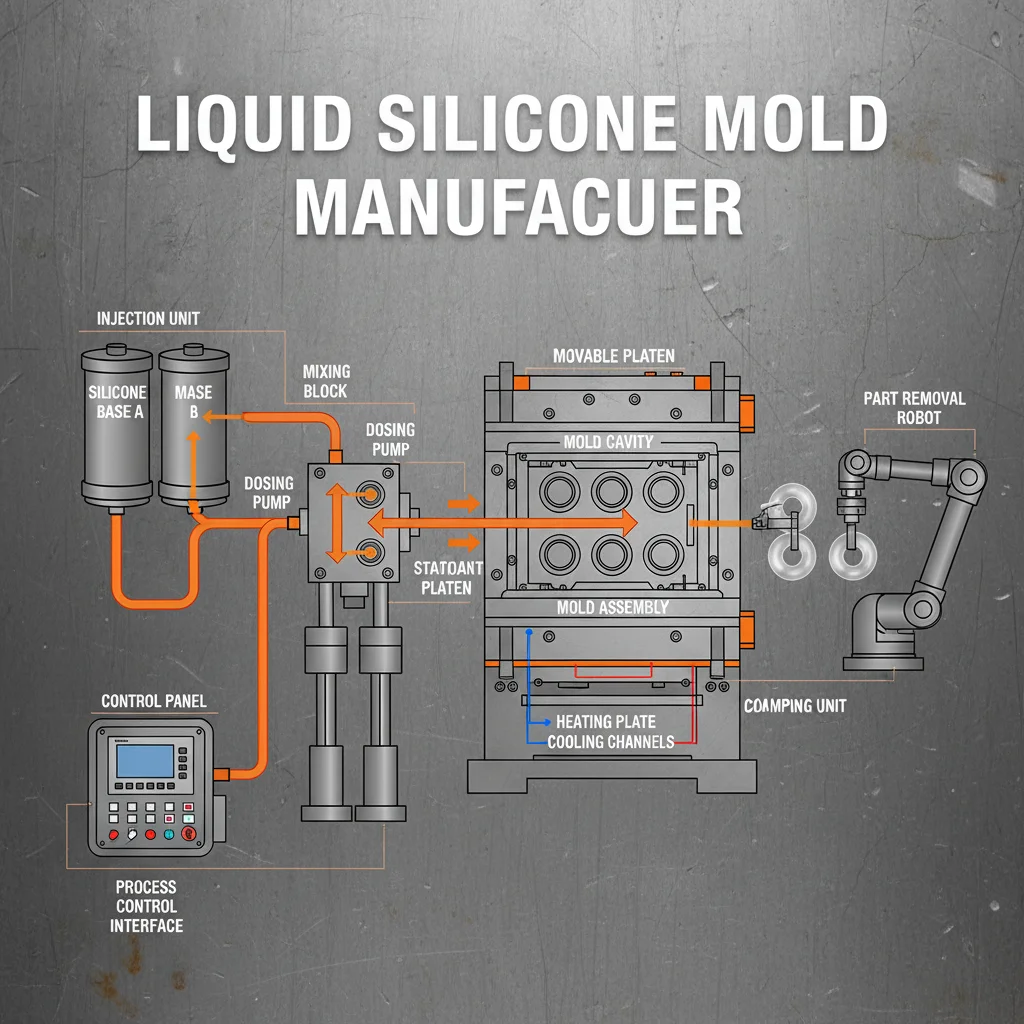
Clear liquid silicone is a variant of liquid silicone rubber (LSR), known for its low viscosity pre-cure state that supports injection molding of customized, intricate parts with tight tolerance. Compared to solid/hard silicone, liquid silicone offers automated molding efficiency, superior detail replication, and scalable production volumes. Still, the material’s clarity and purity demand rigorous raw material screening and precise process control to maintain consistent optical and mechanical properties.
From experience, manufacturers frequently underestimate the necessity of advanced mold tooling and comprehensive thermal profiles. Inadequate curing or inconsistent mixing often result in blemishes or opacity issues. According to the Global LSR Market Report by Grand View Research, the demand for exquisite finished silicone products is growing steadily, emphasizing the need for suppliers that couple material expertise with precise manufacturing capabilities.
For purchasers, critical considerations include compatibility with FDA-compliant or medical-grade LSR, adherence to ISO 10993 biocompatibility standards, and traceability throughout the supply chain. On the operational front, the high fluidity of the silicone demands dedicated injection molding machines equipped with temperature control below ±0.5°C variance, plus fast cure cycle management to maximize throughput without compromising quality.
One practical insight: many procurement managers report longer lead times when working with unproven suppliers, especially when mold development is outsourced or lacks integrated quality systems. At Guangdong Yingtai, our end-to-end industry chain—from mold design, simulation-supported toolmaking, to in-house molding—ensures that clients receive not just raw materials but entire production solutions. This approach reduces risk, lowers defect rates, and supports rapid scaling.
Industry consensus signals clear liquid silicone as a must-have material for modern OEM/ODM projects, particularly where flexibility, optical clarity, and durability intersect. If your application demands precision, clarity, and extended lifecycle performance, navigating this material terrain with an experienced partner makes all the difference.
Market Trends & Industry Insights
The worldwide clear liquid silicone market reflects robust growth powered by global industries seeking high-reliability materials that balance precision and durability. Recent market intelligence from several reports yields consistent signals:
Healthcare applications increasingly favor biocompatible, medical-grade LSR for wearables, implants, and seals with FDA and ISO/TS 16949 certifications.
Automotive OEMs adopt LSR seals and gaskets in electric vehicles, emphasizing thermal & UV resistance between -60°C to +230°C, as noted in Market.us Industry Report.
Asia-Pacific remains the production epicenter, with China’s Dongguan region sustaining capacity expansions and increasingly sophisticated tooling facilities.
Technological advances in CAE simulation for LSR molding and vacuum-assisted molding (see Springer Soft Robotics Study) improve cycle times and reduce flash defects.
Manufacturers controlling their entire supply chain—from silicone polymer synthesis to final injection molding—gain strong competitive advantages by ensuring tighter material control and rapid development turnaround.
Advantages of Clear Liquid Silicone
Clear liquid silicone stands out within the domain of elastomers due to several operational and technical benefits:
High optical clarity: Maintains transparency without yellowing even after extended UV or heat exposure, critical for visual or light-transmitting applications.
Excellent thermal stability: Effective in extreme temperatures ranging from -60°C to +230°C.
Biocompatibility and chemical resistance: Ideal for medical devices, food-grade seals, and consumer products with tight regulatory oversight.
Precision molding capability: Supports thin-wall, complex geometries with minimized shrinkage and low flash, thanks to optimized LSR formulations.
Durability: Superior resistance to environmental aging factors such as ozone, oils, and moisture ingress.
Process efficiency: Injection molding of LSR reduces labor intensity compared with traditional RTV or compression molding.
A few notable notes from engineering teams: molding requires steady thermal uniformity and optimized cure kinetics. Deviations can introduce surface defects or internal stresses that compromise long-term part performance. The precise rheology of clear LSR demands specialized machine calibration and mold venting to prevent bubble entrapment.
Technical Specifications
Property
Typical Value
Test Method
Comments
Appearance
Clear, transparent liquid
Visual inspection
No visible inclusions or yellow tint
Viscosity (mPa·s)
500-1500 (at 25°C)
Rotational rheometer
Determines flow behavior during injection
Hardness (Shore A)
30-50 (customizable)
ASTM D2240
Adjustable with curing parameters and formulation
Tensile Strength (MPa)
6-10
ASTM D412
Dependent on mold curing efficiency
Elongation at break (%)
400-600
ASTM D412
Suitable for flexible, soft touch parts
Thermal Stability (°C)
-60 to 230
Proprietary test method
Maintains properties across temperature variations
*Values represent typical properties; exact specs depend on formulation and molding conditions.
Application Scenarios
Clear liquid silicone’s versatility allows it to serve a variety of demanding use cases where transparency, safety, and durability coexist as priorities. Our technical engineers frequently handle projects in these sectors:
Medical Devices: Catheters, seals, respiratory masks, and wearable sensors that require biocompatible and sterilizable silicone components.
Food Industry: Food-contact seals and gaskets, smartphone accessories, and kitchen appliance parts with FDA compliance.
Automotive Industry: Transparent gaskets and sealing rings for EV connectors, lighting covers, and dashboard components requiring UV resistance.
New Energy & Industrial: Flexible conduits, overmolded waterproof seals, and silicone covers that survive harsh environments.
Wearables & Sports Technology: Transparent insoles, flexible bands, and health monitors that demand a combination of comfort and hygiene.
Note: Installation teams should plan for molded part curing cycles that align with production rates. Unlike thermoplastics, curing must finish before demolding to avoid deformation or tears. We advise collaboration with suppliers who provide detailed cycle time data and process support to optimize throughput.
Procurement Considerations & Risk Mitigation
Reliable sourcing of clear liquid silicone goes beyond price comparisons. Buyers must be aware of:
Material Consistency: Clear LSR formulations vary. Ensure your supplier provides batch-specific certificates showing viscosity, hardness, and optical clarity.
Mold Compatibility: Verify material suitability for your mold design to prevent flash or bubbles. Many procurement mistakes stem from mismatched molds or insufficient vent design.
Cure Profile Matching: Poor curing leads to surface imperfections and reduces mechanical strength. Request data on recommended temperature/time windows to align with your equipment.
Delivery and Lead Time: OEM tooling can require 4-8 weeks; production lead times vary. Confirm capacity and shipping timelines upfront to align with project schedules.
Certification Verification: For medical or food sectors, insist on third-party certifications (FDA, ISO, RoHS) and evidence of traceability.
Quality Assurance Procedures: Ask about in-line inspection routines, post-mold curing, and surface finishing capabilities.
After-Sales Support: Engage suppliers providing engineering support for process troubleshooting and small-lot prototyping.
We strongly recommend avoiding suppliers who cannot disclose resin provenance or offer detailed molding guidance. Some buyers neglect advanced rheological testing and simulation benefits, which leads to costly reworks. As documented by the MDPI research, material characterization is critical to predict mold filling and curing behavior accurately — a factor often overlooked in initial quotes but pivotal for successful production.
Certifications & Quality Assurance
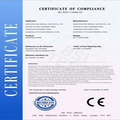
Our clear liquid silicone complies with strict FDA requirements for food and medical contact, carries ISO 10993 certification guaranteeing biocompatibility, and meets CE and RoHS environmental safety regulations. Robust quality management under ISO 9001 oversight supports traceability from raw material to finished product.
With in-house advanced testing—hardness meters, rheometers, and contamination checks—we mitigate common issues such as particulate inclusion or inconsistent crosslinking. Our customers appreciate transparent documentation and process audits that reduce surprise rejections.
Buyer FAQs
Q1: What is the typical lead time for clear liquid silicone orders?
Lead time depends on mold readiness and order volume. Standard stock formulations can ship within 2-3 weeks. Custom tooling usually requires 4-8 weeks plus mold validation.
Q2: Can clear liquid silicone be color-tinted during molding?
Yes, pigments compatible with LSR can be added. However, coloration may affect clarity and must be validated for biocompatibility if needed.
Q3: How do you prevent common molding defects like flashing or air bubbles?
Optimized mold venting, precise temperature control, and vacuum-assisted molding techniques play critical roles in defect reduction, alongside proper mold maintenance.
Q4: Is the material FDA-approved for food-contact applications?
Our clear liquid silicone grades hold FDA 21 CFR 177.2600 clearance and comply with 3A sanitary standards upon request.
Q5: What packaging conditions protect the material during shipping?
Materials are vacuum-sealed and stored under temperature-controlled conditions. We arrange container loads with climate control options for sensitive overseas shipping.
Customer Reviews
Michael Turner – Procurement Manager, MedTech USA
"Partnering with Yingtai gave our medical seals project a huge boost. Their team’s deep technical knowledge and willingness to collaborate saved weeks in development. The clarity of their silicone exceeds our spec, and the biocompatibility certificates were spot on."
Get in Touch
If you have any camping barbeque equipment inquiry, please feel free to contact us.




 Michael Turner – Procurement Manager, MedTech USA