Clear Silicone Rubber: Precision Material for High-Performance Industrial Applications
Guangdong Yingtai High Precision Technology Co., Ltd.
Contact: Miss Zhang +86 17722437688 | zmm@yingtai168.com
Visit Our Contact Page
Clear silicone rubber (CSR) has steadily carved out its niche as a premium material in diverse industries spanning automotive, medical devices, consumer electronics, and high-precision sealing solutions. Unlike traditional silicone rubbers, clear silicone exhibits a translucent to transparent finish—offering both aesthetic flexibility and functional superiority. This material isn’t just a visual choice; it reliably delivers robust elasticity, extreme temperature resistance, and exceptional chemical inertness, meeting rigorous specifications under demanding environments.
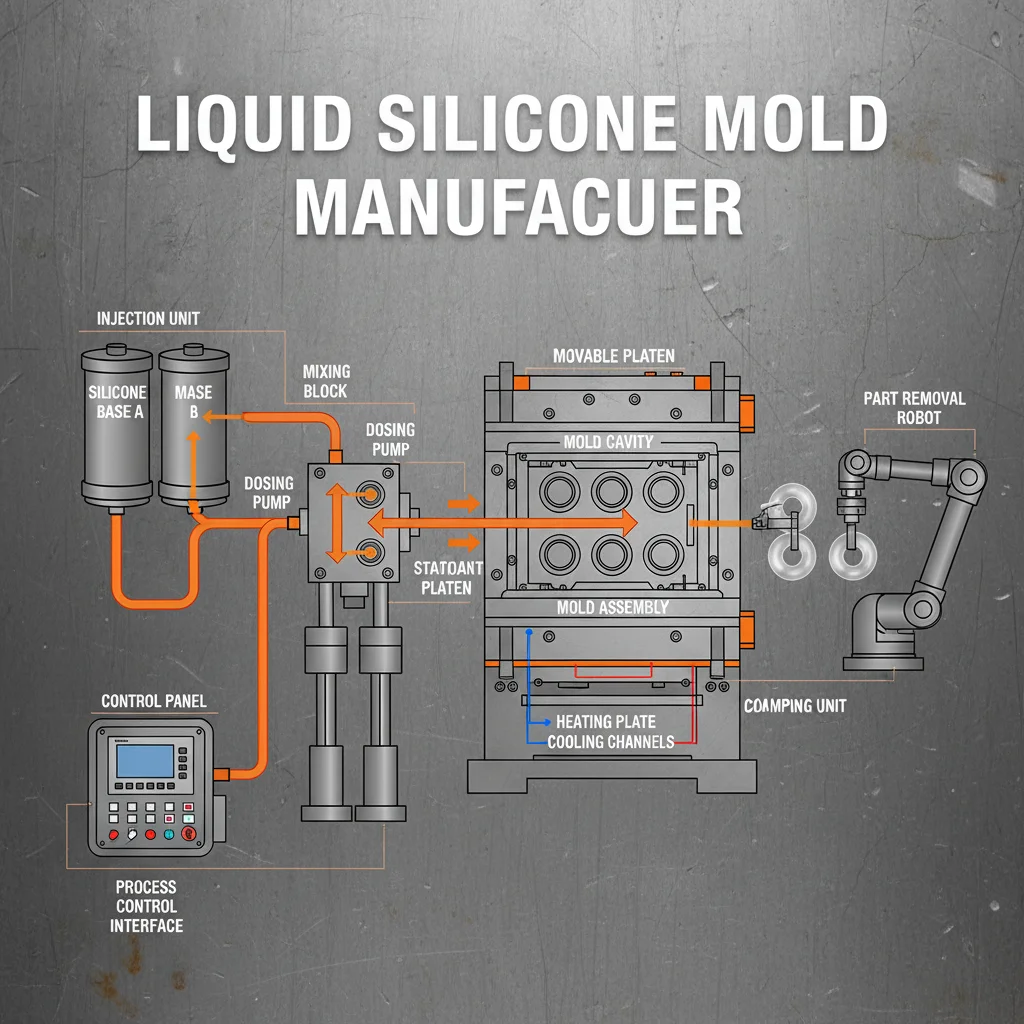
What sets clear silicone rubber apart in industrial procurement? For one, its biocompatibility and clarity enable its widespread adoption in medical-grade components such as tubing, seals, and orthopedics. It is notably favored where optical clarity is key but mechanical performance cannot be sacrificed. The material accommodates complex geometries and tolerances achievable through advanced liquid injection molding processes, ensuring precision repeatability and low defect rates essential for OEM manufacturing.
In sectors like automotive manufacturing, clear silicone rubber parts contribute to fuel cell seals, LED lighting housings, and interior gasketing solutions. OEMs depend on the material’s resilience to UV degradation and compliance with ISO 10993 biocompatibility standards. Meanwhile, consumer electronics use clear silicone components to enhance device aesthetics while providing shock absorption and thermal stability. Across the board, this versatility underscores clear silicone’s rising global market value, expected to surpass USD 7.5 billion by 2035 according to multiple industry forecasts (Grandview Research, Market.us, Research Nester).
However, procuring clear silicone rubber for international supply chains demands more than just knowing its advantages. Organizations face operational realities — from navigating variable lead times exacerbated by tooling complexities to ensuring suppliers hold valid CE, ISO 13485, or FDA certifications. Moreover, clarity in communication around product specs like Shore hardness, tensile strength, and tear resistance is indispensable for qualifying vendors and avoiding costly recalls or redesigns.
Our factory in Dongguan, China, is a prime example of integrated expertise growing in response to these market needs. With over 20 years' experience refining liquid silicone and overmolding techniques, we maintain robust in-house capabilities ranging from mold design and development to automated molding and comprehensive quality testing. This vertical integration optimizes manufacturing flexibility and mitigates common issues such as flash, bubbles, or incomplete curing that can plague overseas sourcing.
In the following sections, we’ll explore common procurement challenges faced globally, technical insights into clear silicone rubber material science, critical applications, practical procurement tips, and evaluation criteria for suppliers in this space — all informed by observations gathered from decades in precision silicone manufacturing and supported by recent technical research.
Common Challenges in Procuring Clear Silicone Rubber
Industry players increasingly report challenges in sourcing clear silicone rubber that balances clarity, durability, and conformity to precise specifications. Here are key pain points that procurement directors and operations managers should watch for:
- Variable Material Quality: Differences in raw material batches can cause visible cloudiness or reduced elasticity, impacting product consistency.
- Tooling Cycle Times: Long mold design and validation periods often cause delays in supply chain schedules, particularly with custom OEM tooling requiring liquid injection molding.
- Hidden Process Defects: Defects such as internal bubbles, flashing, or tacky surfaces may not be immediately evident but can elevate scrap rates dramatically.
- Certification Screening: Not all suppliers provide verifiable CE, RoHS, or FDA certifications needed for medical and food contact applications, raising compliance risks.
- Communication Gaps: Inadequate technical knowledge within purchasing teams can lead to misunderstandings about important material standards such as Shore A hardness or thermal stability limits.
- Pricing Transparency: Outsourcing clear silicone rubber parts without clear cost breakdowns for tooling, mold maintenance, and lead times can result in budget overruns or order delays.
Having confronted these challenges time and again, we recommend involving technical engineers during vendor evaluations and requesting sample lots to validate dimensional accuracy, transparency levels, and mechanical properties before committing to large orders.
Technical Overview & Material Properties
Clear silicone rubber is a specialized inorganic polymer composed primarily of polydimethylsiloxane (PDMS) with minimal pigmentation to achieve high transparency. The key to quality CSR lies in achieving a delicate molecular balance: high fluidity in its liquid form for molding precision and controlled cross-linking for optimal cured mechanical properties.
Material Characteristics:
- Optical Clarity: 85–95% light transmittance, crucial for medical and food-contact applications.
- Temperature Resistance: Stable from -60°C up to +230°C, making it suitable for both cryogenic and high-heat environments.
- Chemical Resistance: Resistant to most chemicals and solvents except strong bases and fluorinated organics.
- Mechanical Strength: Typical tensile strength ranges 7-10 MPa, elongation at break above 400% depending on grade.
- Shore Hardness: Commonly available between 20A and 80A — customizable based on application requirements.
From a manufacturing perspective, achieving flawless injection molding quality requires precise process controls. Studies such as those by MDPI [1] emphasize that sophisticated rheological characterization significantly enhances mold flow simulation, preventing costly trial-and-error. Our factory utilizes advanced CAE simulation and rheometers to fine-tune parameters before mass production runs, reducing defect rates and improving dimensional stability.
Additionally, vacuum-assisted molding technology is increasingly applied to minimize micro-bubble formation, an often overlooked issue in silicone molding that directly affects mechanical integrity and aesthetic appeal [3]. This is critical for soft robotics, medical sensors, and wearable devices where internal defects compromise function.
Key Applications & Operational Insights
Clear silicone rubber is not a one-size-fits all material. Its selection hinges on specific application needs that dictate molding techniques, formulation, and post-processing. Below are prominent industry usages with operational notes:
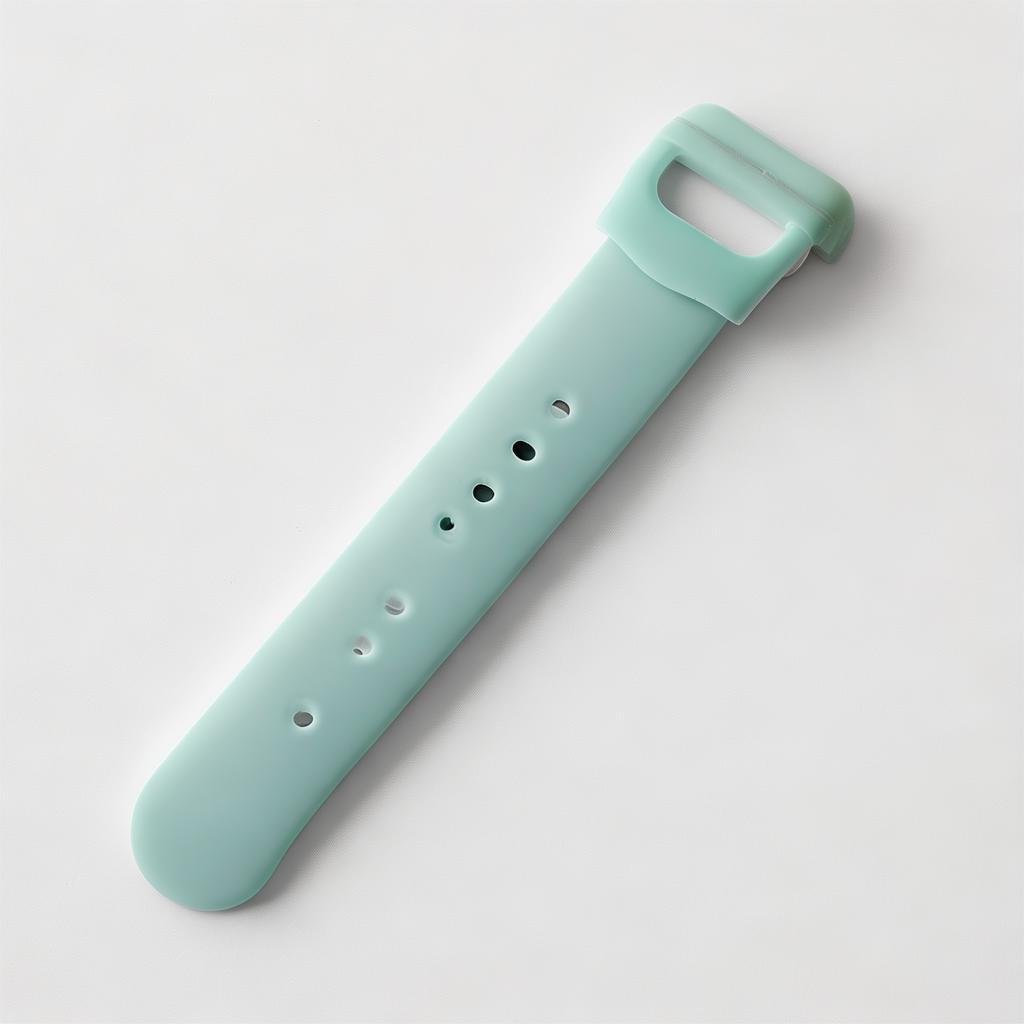
- Medical Devices & Healthcare: Employed in catheters, seals for sterile packaging, and implantable parts thanks to superior biocompatibility and compliance with ISO 10993. Cleanroom molding and post-curing are mandatory to meet medical standards.
- Automotive Industry: Used for fuel system seals, LED gaskets, and dashboard components. Here, robustness to fuel chemicals and UV exposure is prioritized. Our production incorporates UV stabilizers per automotive OEM specifications.
- Consumer Electronics and Wearables: Thin clear silicone overlays and keyboard domes provide tactile response while protecting internal circuits. Precision molding ensures tight tolerances and uniform thickness for consistent performance.
- Food and Beverage Sector: Flexible seals and tubing that comply with FDA food-contact regulations. The translucent attribute makes visual contamination detection easier, benefitting quality control.
- Industrial & Home Appliances: Gaskets and anti-slip silicone pads leverage the material’s heat resistance and weatherability for longevity in harsh use.
Installation practices also vary. Clear silicone parts with thin cross-sections require careful handling to avoid distortion during assembly. Our team routinely advises clients about optimal cure times and temperature windows to streamline installation sequences and reduce labor hours on manufacturing lines.
Choosing the Right Supplier: Procurement Guidance
For procurement managers navigating the complex global supply chain of clear silicone rubber parts, supplier assessment goes beyond price. Essential evaluation criteria include:
- Certifications & Compliance: Confirm ISO 9001 for quality, ISO 13485 for medical-grade supplies, and FDA registration where applicable. Check for up-to-date testing certificates including RoHS and REACH.
- Manufacturing Capacity: Suppliers with integrated tooling, multiple LSR injection molding machines, and automated production lines typically offer more flexibility and shorter lead times.
- Quality Control Systems: Look for in-house labs capable of tensile, tear, and hardness testing as well as microscopic inspection for bubbles or impurities.
- Technical Support & Customization: Experienced R&D teams can assist in material formulation customization and prototype testing, thereby reducing costly post-launch iterations.
- Communication & Transparency: Clear order updates, lead time visibility, responsiveness, and logistics planning are key to maintaining smooth supply.
- Logistics & Packaging: Confirm adherence to container loading optimizations, anti-static packaging (where relevant), and storage conditions to avoid material degradation during transit.
We also recommend regularly requesting physical samples, performing small-scale pilot runs, and reviewing references from similar industries. Our export director highlights that, “Procuring clear silicone parts without verifying tooling repeatability and molding cycle optimization is a frequent mistake leading to costly delays and scrap.”
Technical Specifications Table
| Property | Typical Value | Test Standard | Remarks |
|---|---|---|---|
| Appearance | Clear, Transparent | Visual Inspection | No visible inclusions or discoloration |
| Shore Hardness (A) | 30 - 70 | ASTM D2240 | Customizable per application |
| Tensile Strength | 7 - 10 MPa | ASTM D412 | Dependent on cure and formulation |
| Elongation at Break | > 400% | ASTM D412 | Indicative of flexibility |
| Thermal Stability | -60°C to +230°C | ASTM D1329 | Suitable for harsh conditions |
| Tear Strength | 18 - 30 kN/m | ASTM D624 | Varies by grade |
| Light Transmittance | 85%-95% | ASTM D1003 | Critical for optical applications |
Frequently Asked Questions
- What is the primary difference between clear silicone rubber and regular silicone rubber?
- Clear silicone rubber is formulated to maximize optical transparency, requiring more refined raw materials and careful control of additives and curing processes. Regular silicone rubber often contains fillers or pigments impacting clarity and is selected based on mechanical or thermal properties rather than transparency.
- How does the liquid injection molding process benefit clear silicone rubber production?
- Liquid injection molding (LIM) allows precise control of polymer flow into complex mold cavities, producing consistent, bubble-free parts with tight dimensional tolerances. LIM also reduces cycle time, improves surface finish, and supports customization critical for OEM applications.
- Are clear silicone rubber parts safe for medical and food contact?
- Yes, provided the silicone meets ISO 10993 biocompatibility and FDA 21 CFR 177.2600 regulations. Certified suppliers typically provide documents affirming compliance and manufacturing under GMP or cleanroom conditions.
- What are the common issues during transportation and storage?
- Exposure to direct sunlight, extreme temperatures, or ozone can degrade clear silicone rubber. Packaging with moisture and UV protection, combined with climate-controlled containers, ensures material properties remain intact on arrival.
- How to assess supplier quality for clear silicone rubber?
- Request samples for in-house testing, audit quality certifications, verify molding equipment capacity (preferably machines dedicated to LSR), check lead times aligned with your production schedule, and evaluate technical consultation responsiveness.
siliconen rubber solid silicone rubber applications of silicone rubber
Customer Feedback & Reviews

Michael H., Purchasing Manager, Medical Devices, California
“We initially struggled with bubble defects using a previous supplier. After switching to Guangdong Yingtai, their vacuum-assisted molding process and on-site QC cut defect rates substantially. Parts meet our tight ISO 10993 standards and fit seamlessly into our assembly lines. Lead times have improved, keeping our projects on schedule.”

Sarah J., Procurement Director, Consumer Electronics, New York
“The clarity of the silicone parts is exceptional, matching our design intent and enhancing product aesthetics. The factory’s experience with high-volume liquid injection molding and communication throughout the order process helped us avoid costly delays during new product rollout.”

Daniel K., Operations Manager, Automotive Supplier, Michigan
“Clear silicone gasket production is complex. Yingtai’s integrated mold design and rapid prototyping capabilities made our mid-size runs cost-effective. We appreciate their supply chain agility and readiness to consult on technical challenges.”
Chat Support: Addressing Your Inquiries in Real Time



© 2024 Guangdong Yingtai High Precision Technology Co., Ltd. | Address: No. 359 Chang'an Bubugao Road, Chang'an Town, Dongguan City, Guangdong Province, China