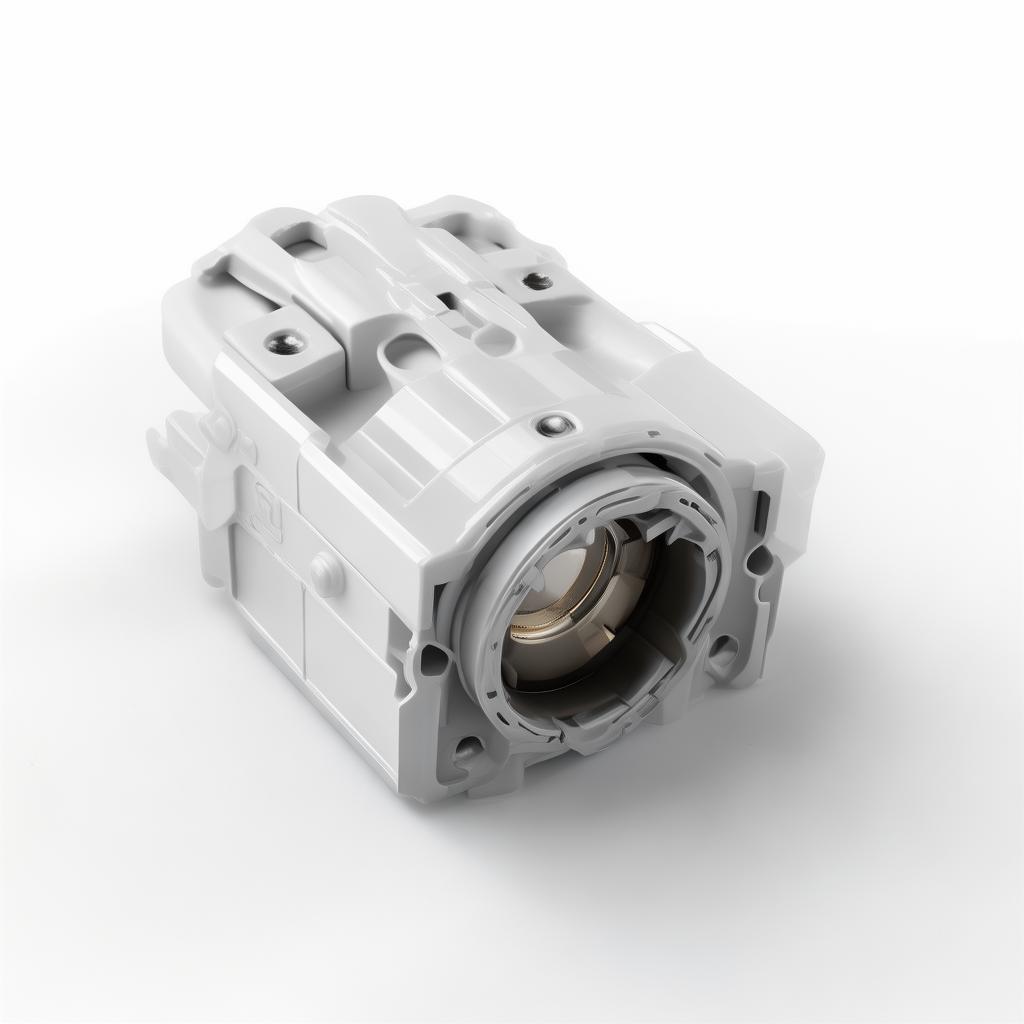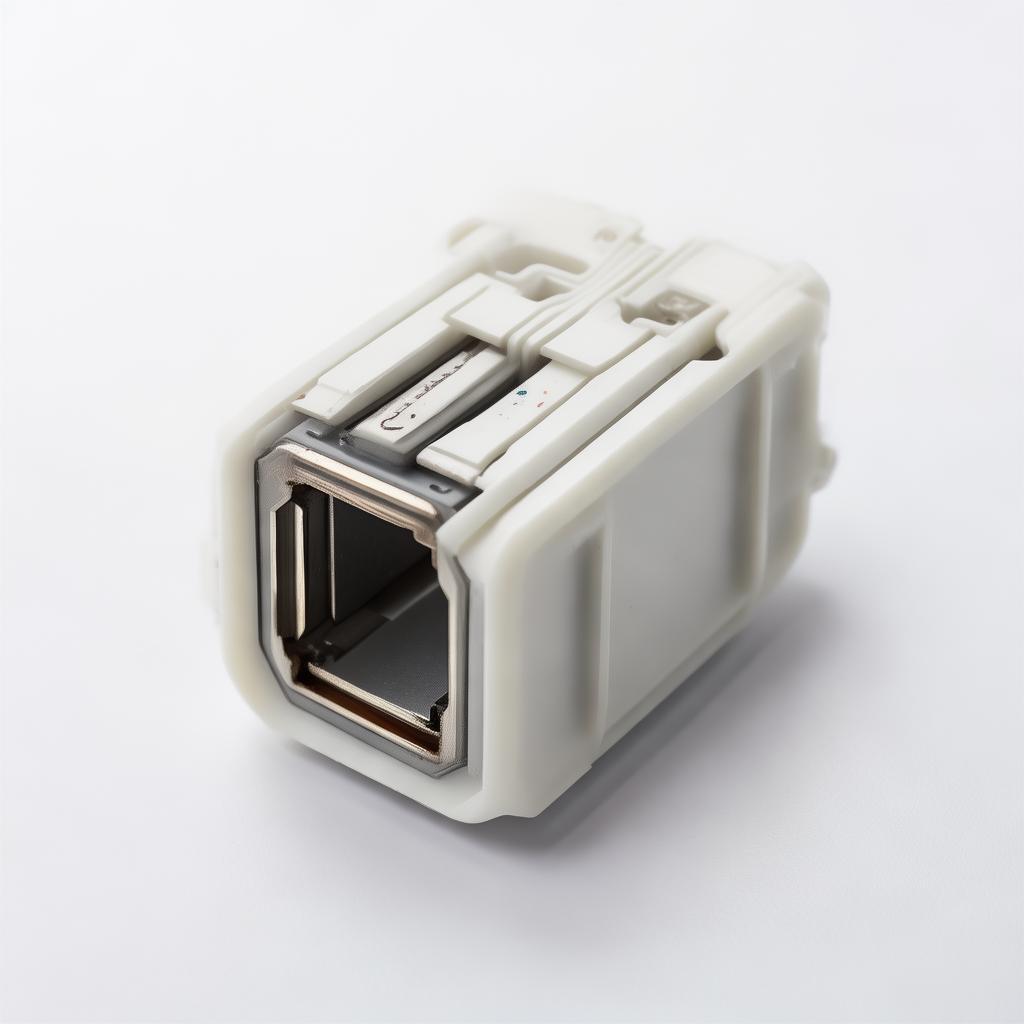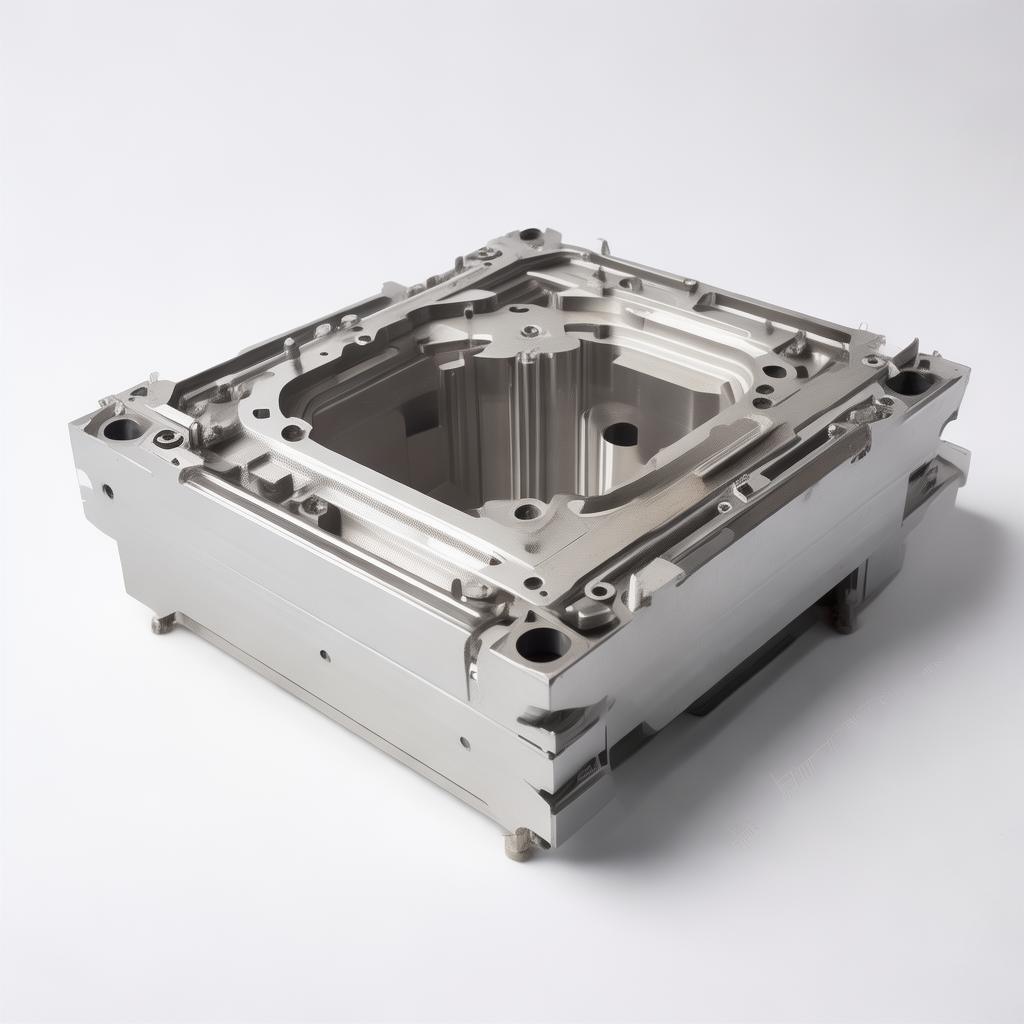


Precision CNC Clamping Fixtures for High-Volume Manufacturing
Tailored solutions for repeatable, reliable, and efficient CNC machining operations
Understanding CNC Clamping Fixtures: Operational Realities in Modern Manufacturing
In high-precision manufacturing environments, fixture design and clamping methodology often mark the line between smooth production runs and costly downtime. CNC clamping fixtures—customized tools designed to secure workpieces firmly during machining—are critical for guaranteeing dimensional accuracy and reducing cycle times. While often overlooked amidst high-tech CNC programs and cutting tool selections, fixtures fundamentally dictate the quality and repeatability of every machined part.
The landscape for clamping fixtures has evolved considerably. Modern factories demand not just robust durability but flexibility to accommodate varying parts, intelligent alignment features, and compatibility with automated tool changers. These demands arise from growing industry pressures around lean manufacturing, Just-In-Time (JIT) delivery, and multi-shift operations. Suboptimal fixtures can be a bottleneck, contributing to misalignment errors, vibration issues, and extended setup times. This exponentially inflates scrap rates and erodes profit margins.
Our expertise comes from real-world operations in Dongguan, China, serving North American and European OEMs across automotive components, aerospace parts, and consumer electronics housings. Drawing from over two decades of experience in precision tooling and liquid silicone overmolding for sealing applications, we understand the nuances of custom fixture engineering. This enables our clients to optimize CNC workflow, reduce operator strain, and guarantee consistent part quality batch after batch.
The complexity of parts, material variability, and machine types each add layers of challenge. Competent fixture architects factor in:
- Material hardness and surface finish of workpieces
- Thermal expansion during machining cycles
- Variability in machine spindle accuracy and repeatability
- Ergonomic ease for operators during manual setups
- Quick adaptability for small batch vs. high-volume production
Our engineering process incorporates both traditional design principles and advanced CAD/CAM simulations to preempt challenges such as chatter, tool deflection, or incomplete clamp force distribution. We also collaborate closely with cutting tool manufacturers and CNC programmers to ensure process synergy. After all, tooling and fixtures operate as a system, not isolated pieces.
Below, we dive deeper into typical production headaches, distinct benefits of our CNC clamping fixtures, detailed specs, and practical guidance for procurement professionals seeking reliable, scalable solutions.
Common Industry Pain Points with CNC Clamping
Several operational challenges regularly surface across sectors relying on CNC machining—from aerospace to automotive suppliers. Addressing these upfront is critical in selecting or designing clamping fixtures that genuinely support manufacturing excellence.
- Fixture Setup Time: High variability in clamping fixtures often leads to prolonged setup durations, negatively impacting overall throughput.
- Insufficient Workpiece Stability: Vibration and micro-movements during high-speed milling cause dimensional inaccuracies and surface defects.
- Lack of Modular Flexibility: Fixed designs make it difficult to adapt fixtures for different part families, causing excess tooling inventory and wastage.
- Material Compatibility Issues: Inappropriate use of clamping pads can damage delicate materials, especially composites, plastics, or soft metals.
- Inadequate Force Distribution: Uneven clamping pressure may lead to part distortion or inconsistent machining conditions.
- Complex Maintenance & Calibration: Fixture wear and lack of calibration protocols increase scrap and rework risks over time.
Avoiding these pitfalls translates into smoother line balancing, better OEE (Overall Equipment Effectiveness), and reduced first-off failure rates. The right clamping technology not only holds parts securely but also streamlines changeover workflows and minimizes operator errors.
What Sets Our CNC Clamping Fixtures Apart
Trusted by OEMs and subcontractors in over 30 countries, our fixtures embody a mature balance of engineering rigor and manufacturing practicality:
- Custom-Tailored Designs: Every fixture undergoes detailed reverse-engineering and CAD modeling aligned to your workpiece geometry and machining strategy.
- High-Strength Materials: Use of aerospace-grade aluminum alloys, hardened steel inserts, and precision-ground contact surfaces enhances durability and stability.
- Modular Components: Interchangeable jaws, pads, and brace systems enable rapid reconfiguration between production runs.
- Integrated Alignment Features: Precision locating pins and tapered sockets ensure repeatable positioning down to microns.
- Operator-Friendly Ergonomics: Thoughtful handle placements and clamp release mechanisms reduce setup fatigue and time.
- Resistance to Thermal Expansion: Fixture materials and design account for temperature shifts during extended machining cycles to maintain part tolerances.
- Corrosion and Wear Protection: Special surface treatments and coatings guard against coolant damage and abrasion over long production periods.
- OEM/ODM Capabilities: Full in-house design, prototyping, and production, backed by ISO 9001 and CE certification compliance.
These benefits translate into tangible improvements: setup times cut by up to 30% in some lines, scrap reduction by eliminating micro-shifts, and consistent tolerances that help meet tight audits and inspection criteria.
Technical Specifications & Material Insights
Understanding clamping fixture performance requires examining the core materials and manufacturing techniques that go into them.
| Parameter | Specification | Notes |
|---|---|---|
| Base Material | 7075-T6 Aluminum Alloy / Hardened Steel Inserts | Balances weight vs. strength; steel inserts at wear points |
| Clamping Pads | High-durability Polyurethane / Liquid Silicone Overmolded Options | Customizable for surface protection on delicate parts |
| Fastening System | Premium Grade Stainless Steel Screws & Bearings | Corrosion resistance in coolant environments |
| Surface Treatment | Hard Anodization (Type III) / PTFE Coatings | Enhances wear resistance & reduces friction |
| Tolerance Precision | ±0.01 mm typical on machined locators | Crucial for repeatable setups |
| Max Clamping Force | Varies by model, up to 3000 N | Dependent on hydraulic/pneumatic assist options |
cnc fixture cnc programming and machining cnc milling manufacturing
Material selection balances durability against fixture weight—a critical factor affecting operator fatigue and robotic automation handling. Our liquid silicone overmolded contact pads exhibit excellent UV resistance and chemical inertness, ideal for aerospace-grade composites and coated surfaces.
We integrate advanced manufacturing techniques including CNC 5-axis machining, EDM wire cutting for precise locating edges, and laser-engraved part IDs to facilitate quick identification during busy shop floor operations. These features align with lean manufacturing standards like ISO 9001:2015 and especially cater to sectors with stringent quality requirements.
Installation & Logistics: Ensuring Smooth Deployment
Whether rolling out a line overhaul or replacing aging fixtures, installation efficiency is paramount. Our CNC clamping fixtures come with comprehensive documentation including step-by-step installation guides, 3D model files for offline simulation, and standard operating procedures (SOPs) to ease onboarding.
Key Installation Tips:
- Validate machine bed surface flatness before fixture mounting to eliminate racking.
- Conduct trial fit checks with master standards to confirm locator accuracy on first install.
- Apply manufacturer-recommended lubricants sparingly to moving components to prevent corrosion without attracting chips.
- Train operators on quick-release clamp features to expedite part loading/unloading operations.
- Regularly inspect wear surfaces; schedule preventative maintenance at 3-month intervals or according to shift volumes.
Logistics-wise, we design fixtures with optimized packaging for container loading, minimizing volumetric waste without compromising protection. Bulk orders benefit from palletization strategies and consolidation to reduce freight costs. Lead times typically range from 4 to 8 weeks depending on complexity and volume, with expedited options available for critical production ramp-ups.
Our export department also manages customs documentation, including HS codes relevant to precision tooling, certificates of origin, and conformity statements, smoothing cross-border shipping into USA and European markets.
Procurement Guide & Supplier Evaluation for CNC Clamping Fixtures
Selecting a supplier extends beyond competitive pricing; it demands a partner capable of delivering consistent quality, engineering support, and logistical reliability.
Consider the following points when evaluating suppliers:
- Technical Competency: Check if the supplier employs skilled design engineers and offers tailored fixture development based on your machined parts.
- Certifications & Compliance: ISO 9001 and industry-specific certifications such as aerospace AS9100 indicate quality management integrity.
- Prototyping & Sampling: Ability to provide physical or virtual prototypes reduces risk and shortens development cycles.
- Manufacturing Capacity & Equipment: Look for modern CNC machining centers, EDM, and testing resources ensuring precision and scalability.
- After-Sales Support: Access to technical consulting, troubleshooting, and replacement parts is vital for reducing production interruptions.
- Customization & OEM/ODM Offering: Flexibility to produce unique fixtures or adapt designs fast based on your operational feedback.
- Lead Time Transparency: Clear delivery schedules with contingency planning help align supply chains.
For procurement managers, issuing a detailed Request for Quotation (RFQ) that includes technical part drawings, expected cycle counts, clamping forces, and environmental factors (coolants, temperatures) will guide suppliers to propose most effective solutions.
Remember, upfront investment in fixture quality often pays dividends over tool life cycles by decreasing scrap and unplanned downtime.
Frequently Asked Questions (FAQs)
- Q: What materials are best for clamping fixtures in high-speed CNC machining?
- Aluminum alloys like 7075-T6 for weight savings combined with hardened steel inserts in wearing areas provide an excellent balance of rigidity and durability.
- Q: How do you ensure clamping force is evenly distributed?
- Our designs incorporate toggled clamp arms, spreader bars, and calibrated pads. We use finite element analysis (FEA) to predict stress points and validate force paths.
- Q: Can these fixtures be adapted for automated loading systems?
- Yes. Fixtures can be customized with locating features compatible with robotic end-effectors and workholding stations.
- Q: What is typical lead time for a custom CNC clamping fixture?
- Standard turnaround is 4–8 weeks, depending on complexity and volume. Rush orders with expedited shipping are possible upon request.
- Q: Are your fixtures compliant with international quality standards?
- Yes. We maintain ISO 9001:2015 certification and comply with RoHS and CE directives where applicable.
Customer Testimonials
“After switching to Yingtai’s clamping fixtures, our automotive parts line saw a marked decrease in setup time. The modular design helped us quickly pivot between four different part types without excessive downtime.”
– Mark Hawkins, Operations Manager, Detroit, MI
“Precision and repeatability improved significantly on our aerospace components. The liquid silicone padding protected delicate titanium surfaces perfectly, reducing rework by roughly 15% in six months.”
– Tanya Nguyen, Procurement Director, Seattle, WA
“The support from engineering was outstanding. They worked with our programmers to adjust locators that fit our CNC machines’ unique tolerances. Our inspection scores improved noticeably within weeks.”
– Luis Ramirez, Manufacturing Engineer, Houston, TX
Ready to Elevate Your CNC Workholding?
Reach out today for tailored advice on fixture design that matches your machining programs and production goals. Our export team, led by Miss Zhang, is on hand to guide you through specifications, OEM options, and timely delivery planning.
- 📞 Phone / WhatsApp: +86 17722437688 (Miss Zhang)
- ✉️ Email: zmm@yingtai168.com / lh@yingtai168.com
- 🏭 Address: No. 359 Chang'an Bubugao Road, Chang'an Town, Dongguan City, Guangdong Province
- 🔗 Website: Yingtai Plastic Mold Contact Us
Request Product Specs | Discuss OEM Options | Get Factory Pricing