

CNC Machine Application: Precision in Industrial Manufacturing
Harnessing CNC Technology for Seamless Integration in B2B Manufacturing & OEM Supply Chains
Introduction: CNC Machine Applications in Modern Industry
Computer Numerical Control (CNC) machines have redefined precision manufacturing, offering unmatched accuracy and repeatability across numerous industries. For over two decades, Guangdong Yingtai High Precision Technology Co., Ltd., nestled in the manufacturing hub of Dongguan's Changan Town, has witnessed firsthand how CNC applications have transformed OEM and ODM workflows, especially in liquid silicone molding, plastic product customization, and precision parts shaping.
Today’s CNC machines play a pivotal role bridging design intent with real-world application, whether for prototypes, small-batch runs, or large-scale industrial production. They enable turnaround times that respond to dynamic market demands, maintain stringent tolerances mandated by ISO certification requirements, and integrate with advanced materials like liquid silicone rubber (LSR), thermoplastics, and composites. This flexibility fuels innovation in sectors ranging from new energy vehicles and consumer electronics to cutting-edge wearable technologies.
However, sharpening operational efficiency demands not just top-tier machinery but sharp insight into applications, tooling, and process integration. CNC machines excel at creating molds, dies, complex housings, and overmolded parts that adhere to performance and aesthetic standards—critical for medical-grade silicone seals or automotive components exposed to UV and chemical stress. Yet, without a thoroughly aligned manufacturing workflow, missteps like incorrect machining paths or inadequate fixture planning can inflate lead times and scrap rates.
Detailed knowledge of CNC technology parameters – such as spindle speeds, feed rates, and tool materials – and their interplay with casting and injection molding processes directly impacts product quality and supplier reliability. This is all the more important in global procurement contexts where importers and supply chain managers seek partners emphasizing EEAT principles: credible production capabilities, trustworthiness grounded in certifications (CE, ISO/TS 16949), and demonstrated process control.
The following content will guide purchasing directors and industrial engineers through practical CNC applications, operational challenges, and factory capabilities, drawing from 20+ years of experience. We sprinkle in actionable procurement advice and technical commentary—real insights from real professionals engaged daily in the precision manufacturing arena.
Industry Pain Points Addressed by CNC Applications
- Dimensional Inconsistency: Manual or subpar machining often leads to variability, affecting assembly fit and function. CNC’s digital precision cuts down rework substantially.
- Complex Part Geometries: Increasing demand for parts featuring undercuts, threads, and intricate molds calls for multi-axis CNC machines and specialized tooling.
- Long Lead Times: Traditional methods can stretch project timelines. CNC-equipped factories like Yingtai’s shorten tooling and mold cycles by automating mold processing with 30+ precision machines.
- Material-Specific Challenges: LSR and overmolded silicone require careful coordination between mold design and machine programming to avoid defects like flash or incomplete fill.
- Maintenance Downtime: Without proactive upkeep, CNC systems risk stoppages that cascade into costly delays. Structured maintenance protocols enhance uptime significantly.
- Supplier Transparency: Many buyers face challenges verifying factory processes and certifications remotely. Digital system integration and video inspections increasingly resolve this.
Note: Procurement decisions must weigh risk—choose CNC partners who consistently deliver tooling quality aligned with ISO and CE standards to minimize supply chain disruptions.
Technical Overview of CNC Applications in Manufacturing
CNC machines operate through computer programming, controlling milling cutters, lathes, routers, and grinders. The most common types applied in industry include 3-axis, 4-axis, 5-axis, and multitasking machines capable of handling complex contours and fine details essential for liquid silicone injection molds and semiconductor housings.
Key technical parameters impacting output quality:
- Spindle Speed & Torque: Fine-tuning based on material hardness and tool geometry, critical for plastic and silicone mold machining.
- Feed Rate: Balances material removal rate against machinability and surface finish requirements.
- Toolpath Strategy: Advanced CAM software now integrates with real-time CAE feedback loops to optimize mold flows and cooling channels.
- Machine Rigidity & Thermal Stability: Vital for maintaining tight tolerances, especially in delicate mold cavities.
- Material Compatibility: CNC machines handle a spectrum—from aluminum alloys for mold bases to steel inserts and hard plastics.
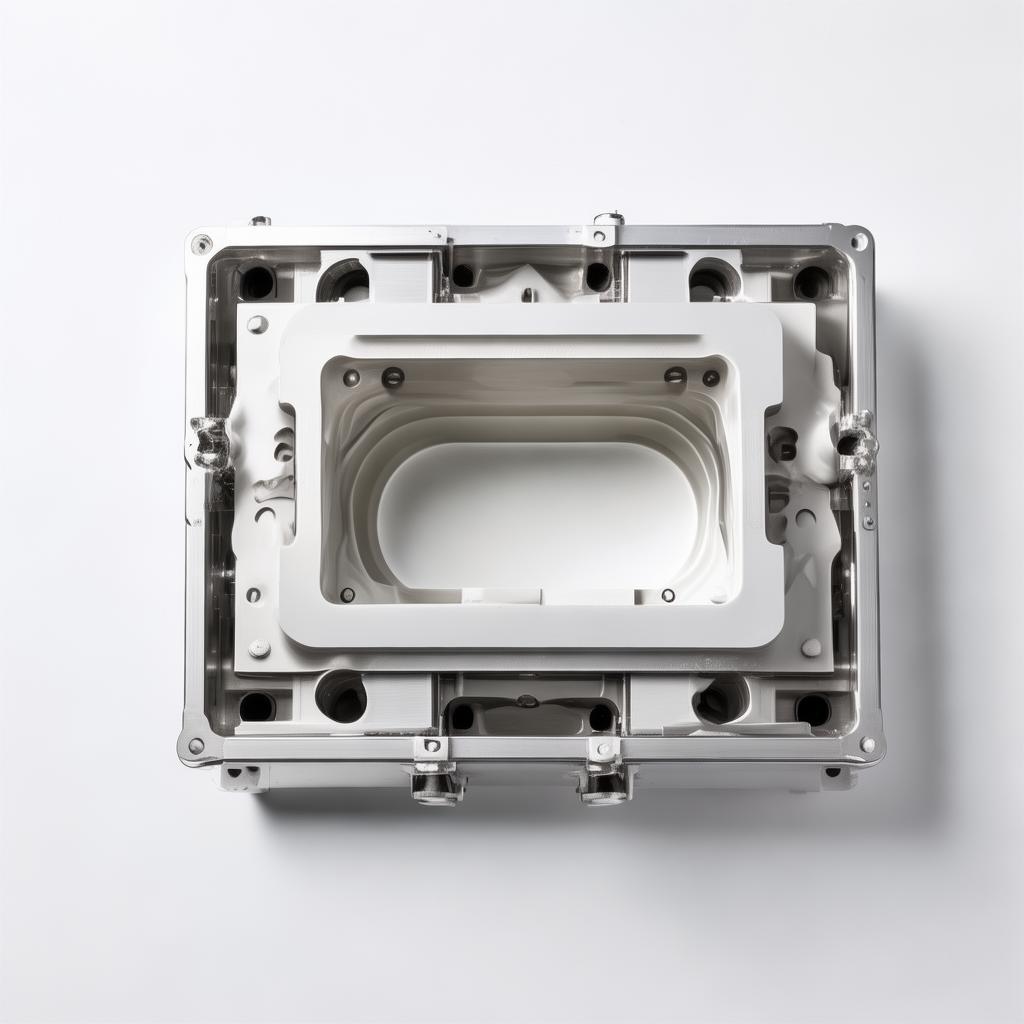
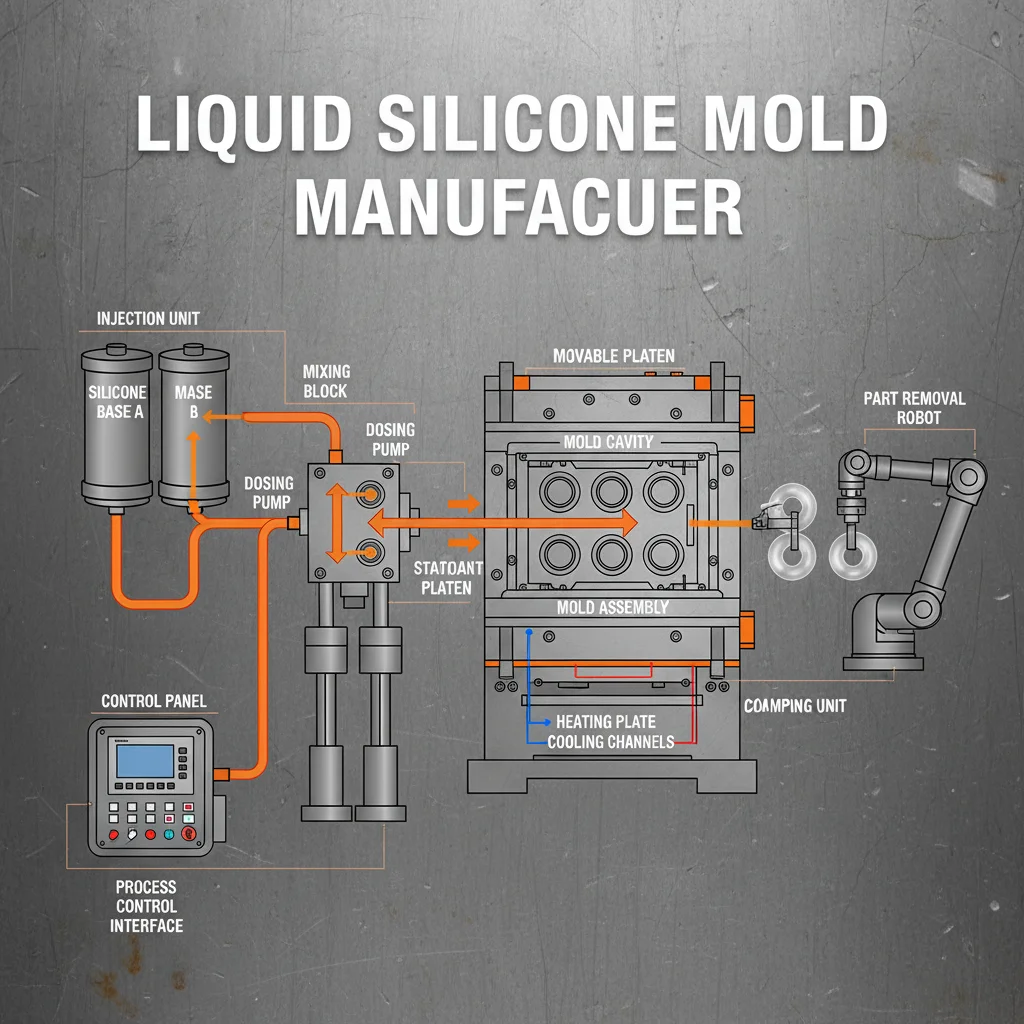
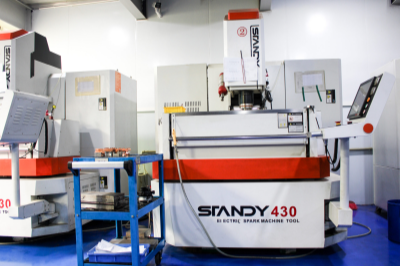
At Guangdong Yingtai High Precision Technology Co., Ltd., for instance, the CNC department collaborates closely with injection molding lines, employing 30+ precision machining centers for mold component fabrications, such as cores, cavities, and sliders, adhering to tolerances within microns to ensure perfect fitting in complex overmolding applications.
| Parameter | Range / Value | Remarks |
|---|---|---|
| Spindle Speed (RPM) | 5,000 - 20,000 | Higher speeds for aluminum, lower for hardened steel |
| Feed Rate (mm/min) | 200 - 1,200 | Adapted per tool and material hardness |
| Tolerance | ±0.005 mm to ±0.02 mm | Critical for sealing surface quality |
| Material Compatibility | Aluminum, Stainless Steel, P20 Mold Steel | Dependent on product function and wear resistance |
cnc machine design cnc machine capabilities cnc machine components
Heads-Up: Improper parameter settings can cause tool wear, dimensional drift, or surface finish issues that ripple into injection molding defects.
Diverse Application Scenarios
CNC-machined molds and parts serve across a spectrum of industries where precision, durability, and complex geometries are mandatory:
- Automotive: High-precision silicone seals, gaskets, and complex molded parts resistant to heat, chemical exposure, and mechanical stress in electric vehicles and fuel systems.
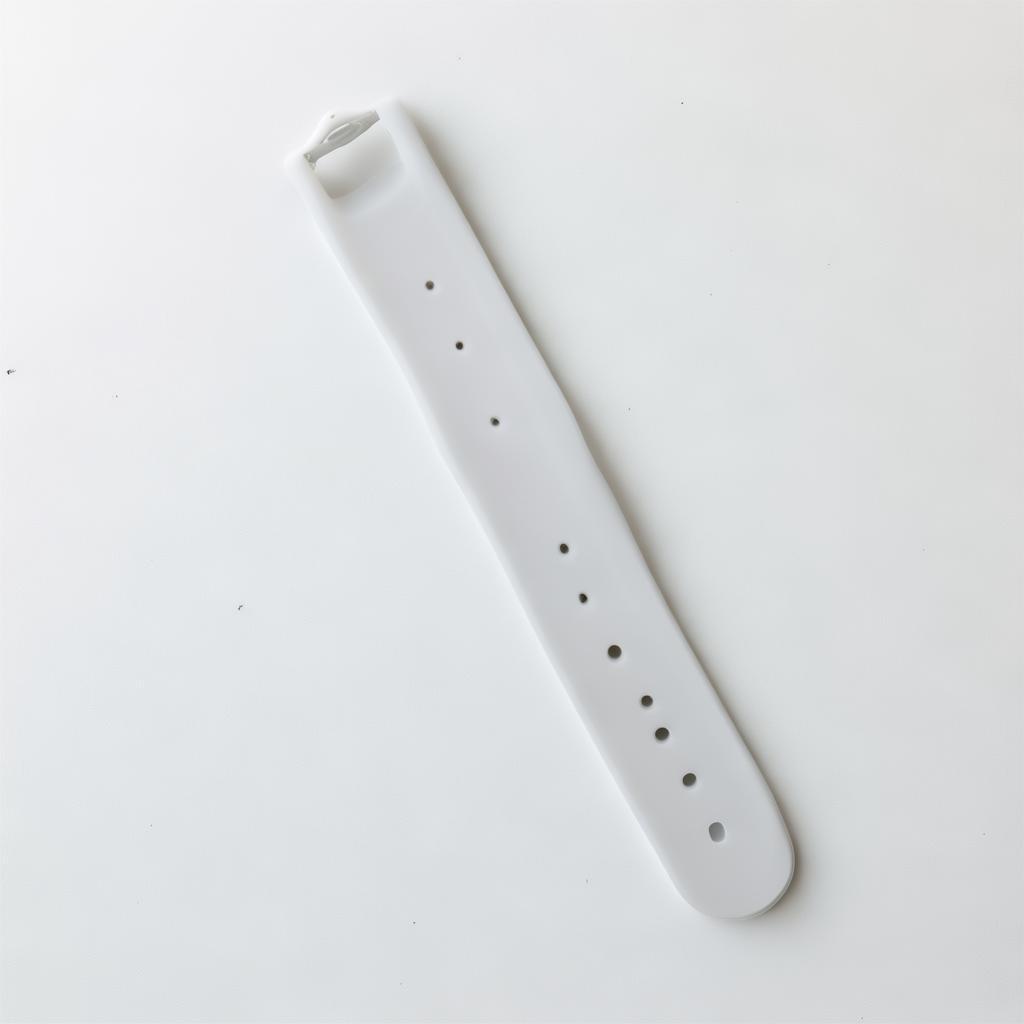
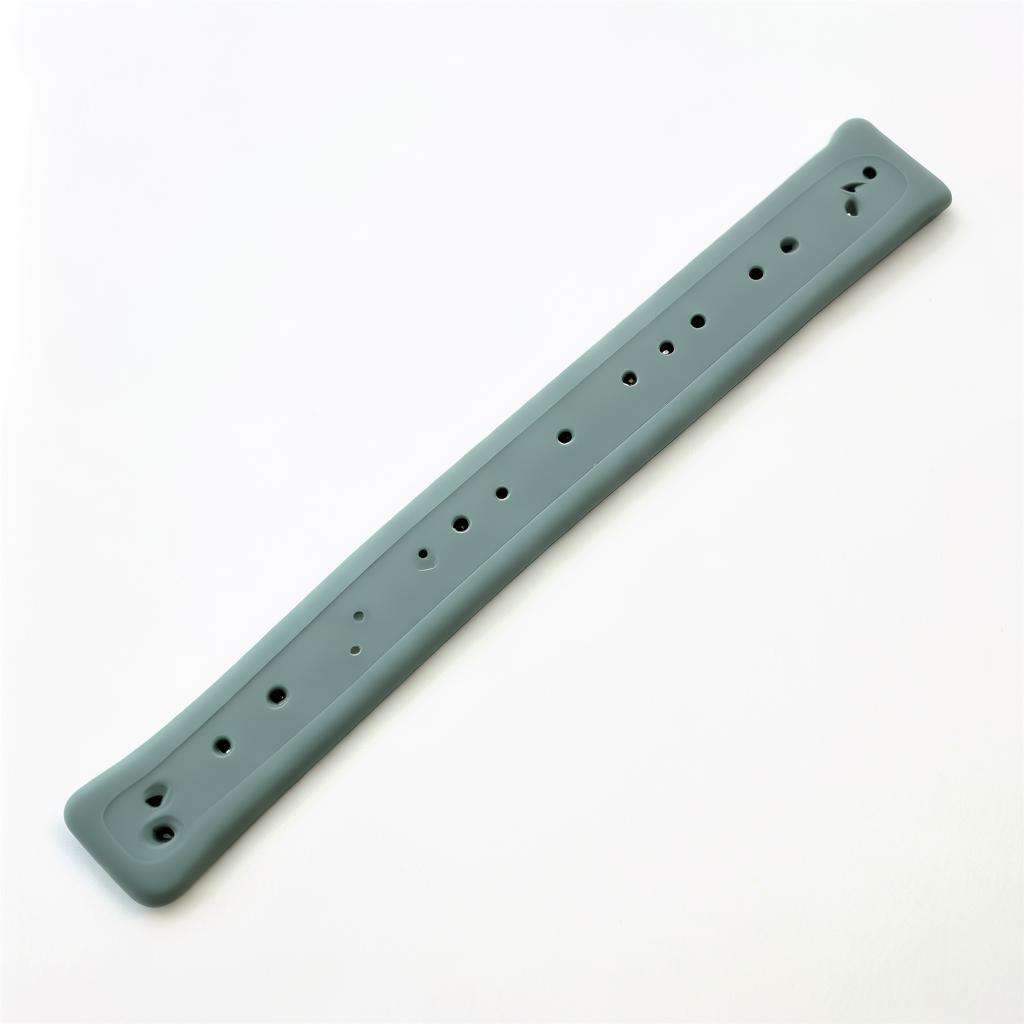
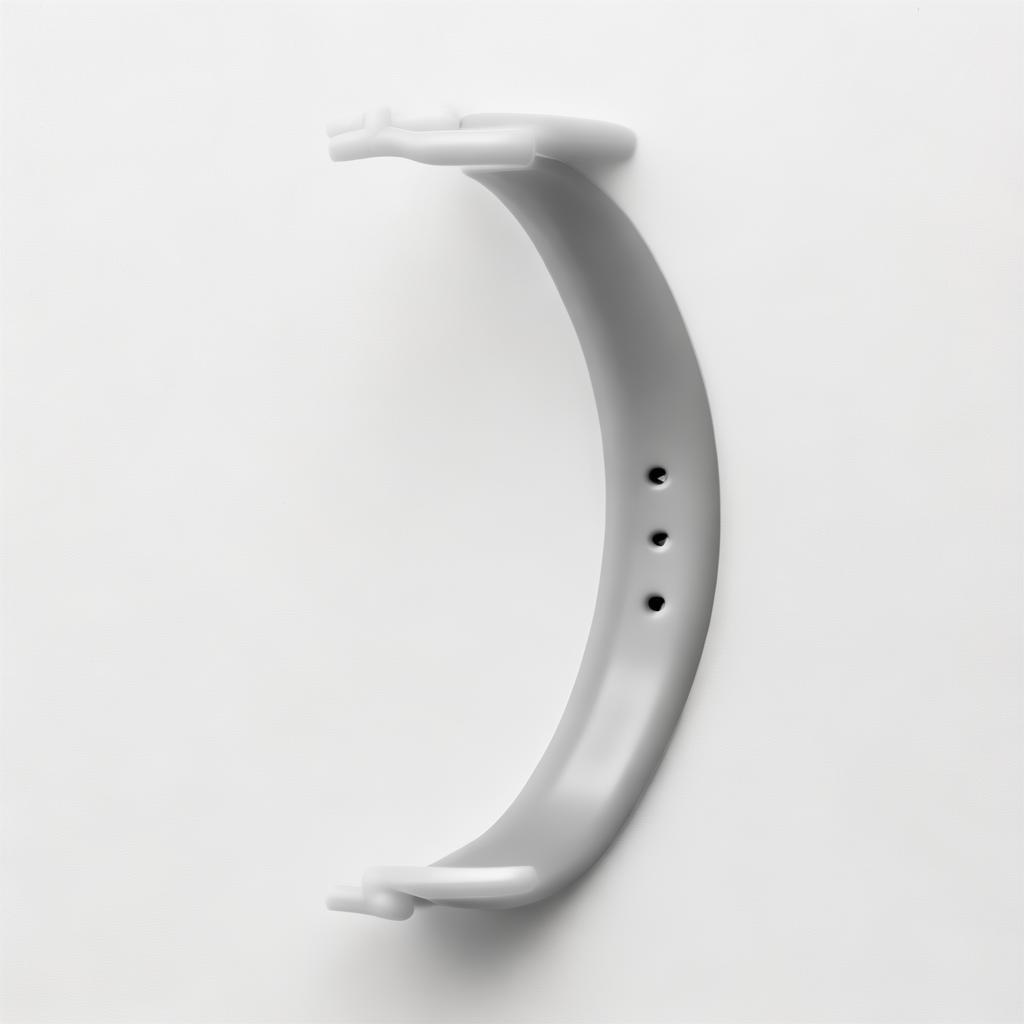
- Consumer Electronics: Overmolded silicone protective cases, waterproof seals for smartwatches, and housing components manufactured through CNC mold tooling.
- Medical Devices: Injection molds for biocompatible LSR parts such as surgical seals, respiratory masks, and wearable sensor housings regulated under FDA and ISO 13485 guidelines.
- Industrial Appliances: Durable plastic and silicone components for air filtration units, HVAC seals, and machinery vibration dampers fabricated with multi-axis CNC machining.
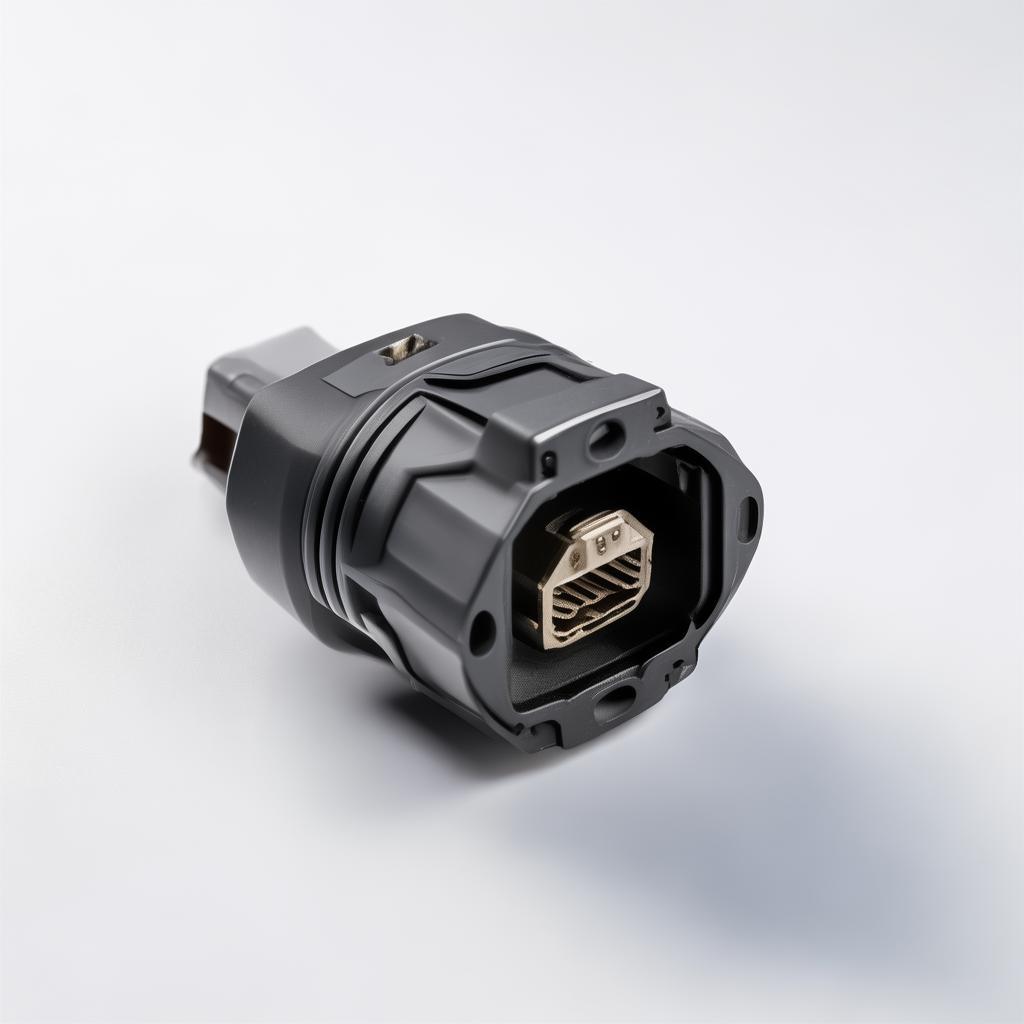
- Renewable Energy: Molded silicone components and plastic housings for solar inverters, battery enclosures, and electric motor parts.
Integrating CNC machining with liquid silicone injection molding ensures high-volume production with repeatability, whether tooling for thousands of medical seals or dozens of prototype parts for wearables. In every case, CNC accuracy directly underpins product performance and customer satisfaction.
Procurement Guide: Selecting CNC Machine Suppliers
When vetting CNC machining factories for your OEM or ODM projects, it's vital to scrutinize these key factors:
- Verification of Capabilities: Confirm the supplier’s machining centers’ precision, especially if your components demand micron-level accuracy. Ask for ISO 9001, CE certification proof, and capability sheets.
- Process Integration: Ideally, find partners (like Yingtai) combining CNC with mold development and injection molding under one roof. This reduces communication lags and optimizes lead times.
- Material Experience: Check that the supplier handles your required materials – aluminum alloys, mold steels, or plastics – and understands their machining nuances.
- Quality Control: Look for in-house metrology tools, coordinate measuring machines (CMM), and documentation on inspection protocols.
- Flexibility & Volume Handling: Ensure the supplier can scale from prototypes to mass production and supports OEM/ODM customization requests.
- Logistics & Compliance: Evaluate export experience, packaging practices for delicate molds, and compliance with US customs and FDA rules if applicable.
Pro Tip: Underestimating mold tool design challenges leads to costly recalibrations. Engage engineers early to review CAM files and tooling drafts before production.
Guangdong Yingtai, for example, operates a 35,000 m² industrial park with 55 liquid silicone molding units, 80 plastic injection machines, plus dedicated CNC centers. Their integrated supply chain shortens lead times and promotes efficient troubleshooting — an attractive proposition for global procurement teams aiming to mitigate risk.
Request factory capabilities and production timelines today.
Frequently Asked Questions
- What types of CNC machines are best suited for liquid silicone rubber mold fabrication?
- Multi-axis milling machines—typically 4 or 5-axis CNC centers—are preferred due to their ability to finely shape complex mold cavities and inserts. The added rotational axes provide better surface finish and undercut handling.
- How does CNC machining impact lead time compared to traditional mold fabrication?
- CNC precision reduces manual corrections and fitting errors, often cutting mold development by 20-30%. Automated tooling workflows speed up adjustments and iterations, enhancing time-to-market substantially.
- Are there risks related to tool wear in CNC when machining high-volume silicone molds?
- Tool wear is inevitable but manageable. CNC programmers monitor cutting parameters closely, optimizing feeds and selecting cutting tool coatings resistant to abrasive materials. Scheduled tool replacement and inspection prevent degraded surface quality.
- How critical is factory certification in CNC machining for OEM projects?
- Certifications such as ISO 9001 and TS 16949 signal mature quality systems—essential for automotive, medical, and aerospace sectors. They indicate reliability and adherence to process controls, mitigating risk in supplier selection.
- Can CNC machining accommodate design changes during production?
- Yes, CNC’s programmability facilitates rapid adjustments, but every change should undergo technical review. Minor tweaks might cause minimal delays; major redesigns require retooling and validation, impacting schedules and costs.
Customer Reviews & Procurement Experiences
 James Parker, Procurement Manager at Midwest Auto Components, USA
“Yingtai’s CNC precision matched our automotive silicone seal requirements perfectly. The tooling turnaround was consistently within 15 days, and defect rates on our injection molded parts dropped markedly. Coordinating machining and molding in one factory smoothed communications and cut shipping complexities.”
 Sofia Nguyen, Industrial Engineer at MedEquip Solutions, Canada
“We rely heavily on CNC-machined molds for our medical-grade LSR parts. Yingtai’s tight tolerances and post-production inspection reports give me confidence in every batch. Their fluid coordination between CNC tooling and injection lines makes them a standout in cross-border sourcing.”
 Robert King, Supply Chain Director at Global WearTech, UK
“The ability to ramp volumes quickly without sacrificing quality has been a game-changer. Yingtai’s CNC and molding integration helped us overcome early supplier fragmentation issues. Their export logistics expertise and packaging standards reduced damage across container shipments.”
Get in Touch
Ready to elevate your precision manufacturing with expert CNC machining integrated with liquid silicone injection molding? Connect to discuss your project or request factory pricing, catalogs, and OEM options.
- Phone: (Miss Zhang) +86 17722437688
- Email: zmm@yingtai168.com / lh@yingtai168.com
- WhatsApp: +86 17722437688
- Address: No. 359 Chang'an Bubugao Road, Chang'an Town, Dongguan City, Guangdong Province, China
- Online Contact Form & Directions
Real-Time Chat Sessions