“Yingtai’s 5-axis CNC capabilities helped us achieve a prototype turnaround in under 10 days. Their process insights saved us redesign costs and ensured tolerances met aerospace grade standards.”



Guangdong Yingtai High Precision Technology Co., Ltd. | Expert Insights by Industrial Engineer Jason Liu
CNC (Computer Numerical Control) machines stand at the core of modern manufacturing. Their ability to translate digital designs into precise physical parts with repeatable accuracy has redefined production workflows across sectors. But capability is more than just precision—it's flexibility, speed, and the ability to adapt to complex geometries and materials.
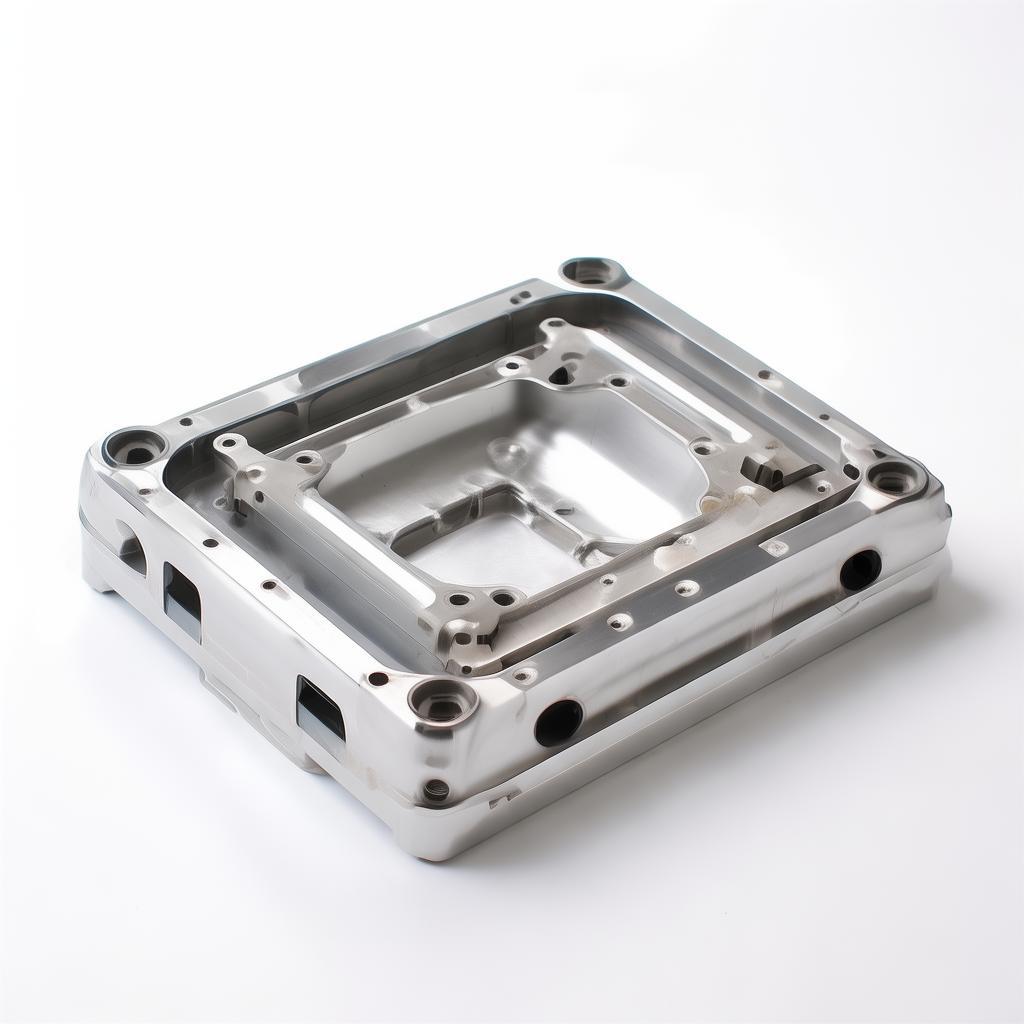
From Aerospace-grade titanium components to delicate consumer electronics housings, CNC machining transforms raw metals, plastics, and composites via subtractive processes—drilling, milling, turning—guided by finely tuned software. This technology is vital for OEMs and ODMs who demand consistent product quality while optimizing lead time and cost.
The versatility inherent in CNC machines has expanded with multi-axis configurations (3 to 5+ axes), enabling complex contours and undercuts previously impractical. Further, advancements in spindle speeds, tool changers, and integration with CAD/CAM systems enhance capability boundaries.
For procurement professionals, understanding these technical capabilities hints at potential manufacturing yields, tolerances achievable, and material limitations. Operational teams value CNC’s consistency in maintaining tolerances down to microns over large volumes—critical for aerospace, automotive, and medical device manufacturing.
Yet, challenges persist—the precision hinges on tooling quality, proper machine calibration, and maintenance regimes. Poor process control results in rework, scrap, and delays, jeopardizing supply chain stability. Also, the logistical footprint of CNC machines, including floor space and power requirements, must be factored into factory planning.
Ultimately, CNC machines represent the backbone of global Industrial 4.0 supply chains—combining software intelligence with mechanical precision. Understanding their full capability spectrum empowers buyers and engineers to align production demands with supplier strengths and avoid costly procurement pitfalls.
Operational note: “We’ve observed that early cross-functional reviews of CNC setup versus design intent reduce scrap rates by enabling tweak-before-cut workflows,” shares our Production Manager, Emily Chen.
When evaluating CNC machines, few parameters matter as much as axis configuration and control precision. Standard machines typically offer 3-axis movement (X, Y, Z), but 4- and 5-axis centers handle tilting and rotation for complex geometries.
Tools equipped with advanced high-speed spindles and precision ball screws can achieve surface finish tolerances down to Ra 0.2µm in metals like aluminum and steel, suitable for mold making and aerospace parts.
Typical technical specification comparison:
| Capability | Standard 3-Axis CNC | Advanced 5-Axis CNC |
|---|---|---|
| Axis Movement | X, Y, Z linear | X, Y, Z + A, B Rotary/Tilt |
| Max Spindle Speed | 15,000 rpm | 30,000 rpm+ |
| Positioning Accuracy | ±0.005 mm | ±0.002 mm |
| Tool Change Time | 10-12 sec | 5-8 sec |
| Ideal Materials | Aluminum, Steel, Plastics | Titanium, Composites, Exotic Alloys |
cnc machine components cnc machine design cnc machine application
Important: Tool wear monitoring and machine calibration greatly affect actual capability. Maintaining tooling sharpness and spindle integrity ensures expected tolerances.

CNC machining is a go-to manufacturing method for diverse industrial sectors due to its precision and repeatability. Understanding where CNC machines excel helps in aligning supplier capabilities with product requirements.
Naturally, material selection affects machining time, tooling choices, and post-processing needs. For example, engineering plastics like PEEK or Nylon require slower feeds but deliver good dimensional stability post machine.
Note: "Material machinability data should always inform CNC program parameters to avoid premature tool failure," advises our senior Manufacturing Specialist, Edward Smith.
For purchasing managers, sourcing CNC-machined components involves more than just cost quotes. Evaluating vendor capabilities requires a multidimensional approach grounded in technical due diligence.
Key factors to consider:
Expect questions on part tolerance expectations, batch consistency, and post-machining processes like deburring or anodizing. Transparency and clear communication from suppliers often reflect their reliability.
Procurement Tip: Request machining reports and past inspection data where possible to reduce risk before mass orders.
“Yingtai’s 5-axis CNC capabilities helped us achieve a prototype turnaround in under 10 days. Their process insights saved us redesign costs and ensured tolerances met aerospace grade standards.”