Expert insights from Guangdong Yingtai High Precision Technology Co., Ltd. Multi axis CNC machines have transformed the manufacturing floor over the last two decades, bringing together versatility, precision, and speed into a single platform.
Product Details
CNC Machine Multi Axis: Precision Meets Efficiency in Modern Manufacturing
Expert insights from Guangdong Yingtai High Precision Technology Co., Ltd.
Introduction & Industry Overview
Multi axis CNC machines have transformed the manufacturing floor over the last two decades, bringing together versatility, precision, and speed into a single platform. These technologies enable simultaneous control of multiple rotational and linear axes, allowing complex geometries and intricate parts to be produced with minimal setup time. For industries such as aerospace, automotive, medical device production, and electronics, multi axis CNC machining has become indispensable as it directly impacts both operational efficiency and final product quality.
Unlike traditional 3-axis machines, multi axis CNC configurations — including 4, 5, and even 6-axis models — facilitate intricate cuts from varied angles without repositioning the workpiece. This capability reduces accumulated tolerance errors, shortens cycle times, and supports advanced tooling strategies like undercuts and complex contours. It's no surprise procurement professionals prioritize multi axis CNC machinery when evaluating capital investments for complex, high-mix manufacturing environments.
From a commercial perspective, the adoption of multi axis systems addresses several key procurement challenges:
Reducing Lead Times — Fewer setups and repositioning mean faster throughput, vital during tight production schedules.
Increasing Capability — Ability to machine hard-to-reach surfaces and complex shapes on a single platform.
Labor Savings — Automated multi-axis movements reduce manual intervention, lowering potential human error and labor costs.
According to industry reports, advanced liquid silicone rubber (LSR) molding and high-precision injection molding — sectors aggressively adopting multi axis machining for mold fabrication — are expected to grow at annual rates exceeding 6-9% globally through 2030 (see Grandview Research). This aligns with demand for exquisitely crafted, durable mold tooling and components that only reliable multi axis CNC machining can ensure.
Nevertheless, integrating multi axis CNC technology is not devoid of challenges. Understanding the technical nuances and operational constraints plays a big role in ensuring return on investment and production continuity.
Note for procurement teams: Select machines equipped with robust control systems supporting simultaneous axis interpolation. Pay attention to certifications like ISO 9001 and CE compliance to assure quality and regulatory adherence. It’s also critical to align machine capabilities with specific end product requirements — overspending on unnecessary features can inflate CAPEX without tangible ROI.
Industrial Challenges & Operational Pain Points
In real-world manufacturing, multi axis CNC machines address pressing operational issues but introduce their own set of practical considerations. Industry veterans should be aware of these common pain points to avoid costly disruptions:
Programming Complexity: Multi axis control involves sophisticated CAM programming, often requiring highly skilled operators or external specialists. Incorrect programming can cause collisions, scrap, or machine damage.
Maintenance Demands: More moving parts and servo motors increase mechanical wear. Routine lubrication, alignment checks, and sensor calibrations are essential to prevent downtime.
Setup & Calibration: Although multi axis reduces part repositioning, initial machine setup can be time-consuming. Accurate fixturing is critical, especially when working with materials prone to thermal deformation.
High Initial Investment: Multi axis machines tend to have higher upfront costs compared to simpler 3-axis mills. Evaluating total cost of ownership, including tooling, software, and operator training, is key.
Logistics & Footprint: These machines require substantial factory floor space and stable power supply. Planning for installation and vibration isolation is necessary to maintain machining accuracy.
Factory floor managers often face a dilemma: balancing operational sophistication with pragmatic sustainability. Over-specifying a machine inflates costs without guaranteed throughput benefits; under-specifying risks reduced capability and quality shortfalls.
Technical Deep Dive: Multi Axis CNC Mechanics
The fundamental advantage of multi axis CNC milling lies in its coordinate control system. A traditional CNC machine controls three orthogonal axes (X, Y, Z), but multi axis setups incorporate additional axes—typically rotational—identified as A, B, and C. Depending on the machine, these additional axes can rotate the workpiece or the cutting tool itself, enabling machining from unconventional angles.
Here’s a breakdown of common multi axis CNC types:
Axis Configuration
Primary Motion
Common Applications
4-Axis (X, Y, Z + A Rotation)
Rotational movement around X-axis
Cylindrical parts, camshafts, complex profiles
5-Axis (X, Y, Z + A & B Rotation)
Two rotational axes enabling angular tool positioning
Aerospace components, turbine blades, medical implants
6-Axis (X, Y, Z + A, B & C Rotations)
Full rotational capabilities for complex 3D machining
A crucial component of multi axis machining is the CNC controller – the computer brain that interprets G-code, executes sophisticated toolpath interpolation, and manages coordinated movements with tandem servo drives. Advanced controllers from brands like Siemens, FANUC, and Heidenhain support high-speed machining with precision feedback loops.
Technical insight: Tool holders and machining centers must maintain rigidity under multi radial forces. Tool deflection and spindle runout significantly influence tolerances, especially in aerospace-grade aluminum or titanium alloys.
Additionally, tooling selection often involves specialized cutters with optimized flute geometry and coatings (e.g., TiAlN or DLC) to reduce chatter and extend tool life in multi directional machining.
Applications & Industry Usage
Multi axis CNC machines are integral across sectors where precision and complex part geometries coincide with demanding quality standards. Below are prominent application scenarios:
Aerospace: Structural components, turbine blades, hydraulic valves, jet engine parts requiring tight tolerances and heat-resistant materials.
Automotive: Engine components, custom molds, gearbox housings demanding high volume production with precision bi-directional cuts.
Medical Device Manufacturing: Orthopedic implants, microfluidic devices, and surgical tools made from stainless steel and titanium alloys.
Electronics: Heat sinks, precision connector housings, small intricate parts needing micron-level surface finishes.
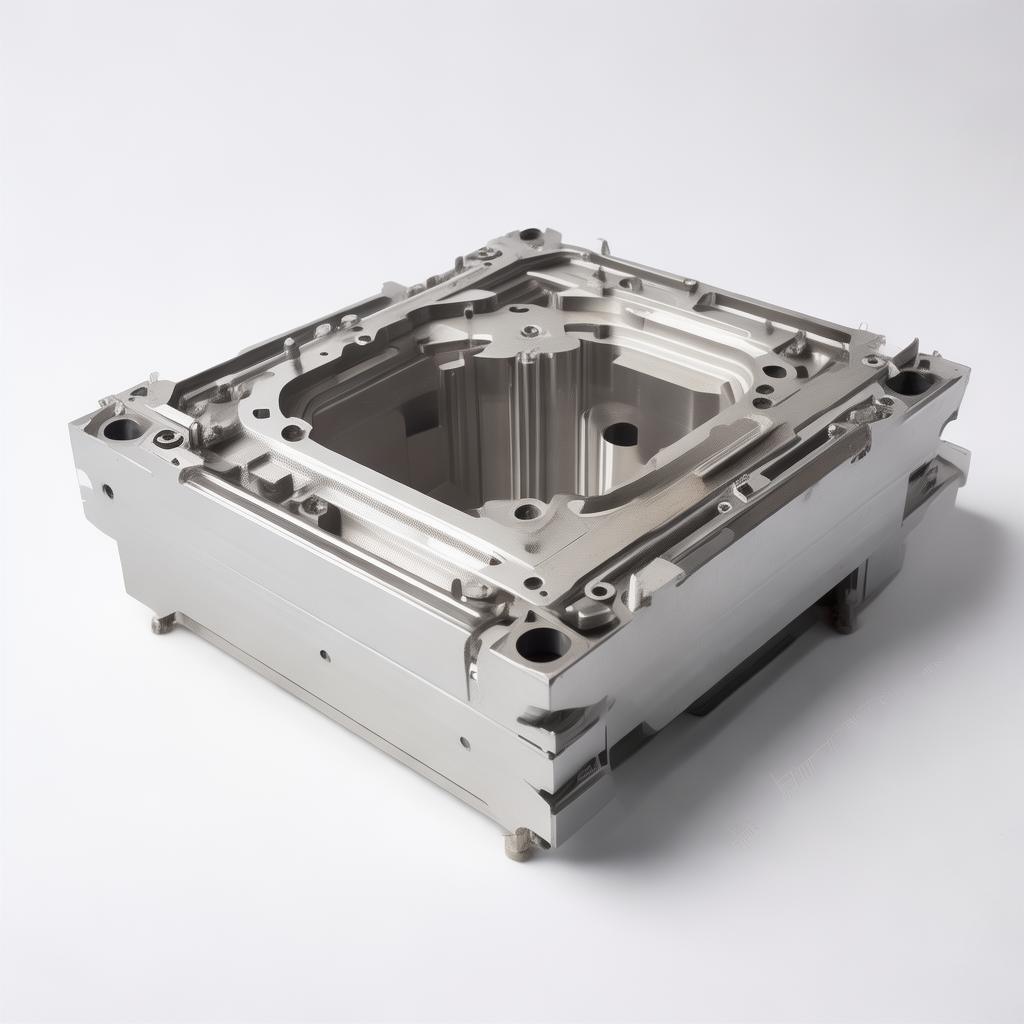
Molds & Dies: Complex liquid silicone rubber molds rely heavily on five-axis machining for fine detail and undercuts.
Energy Sector: Components for wind turbines, oil & gas valves requiring corrosion resistant machining.
What ties these sectors together is the necessity for machines that can handle diverse materials — from hardened tool steel to exotic aerospace alloys — without sacrificing precision or repeatability. Yingtai’s 20+ years’ experience in precision mould processing and multi axis machining provides unmatched expertise that backs these requirements.
Procurement Guidance & Supplier Evaluation
Selecting the right multi axis CNC machine is a blend of technical specification matching and vendor reliability assessment. Procurement professionals should consider these key points:
Machine Specifications: Verify max spindle speed, feed rate, tool magazine size, and axis travel distances to fit your production needs.
Control System: Look for controllers offering multi axis interpolation, probing capabilities, and user-friendly interfaces.
Certification & Compliance: ISO9001, CE certification, and RoHS compliance assure manufacturing quality and regulatory compatibility.
Service & Maintenance: Ensure vendor offers comprehensive after-sales support including installation, training, and preventive maintenance packages.
OEM/ODM Capabilities: For custom machine configurations or integration with existing factory automation, suppliers with OEM/ODM experience provide greater flexibility.
Lead Time & Logistics: Factor realistic delivery timelines (typically 60-90 days) and consider container loading optimizations to minimize shipping costs.
References & Reviews: Demand production case studies or factory visits to validate machine reliability and supplier track record.
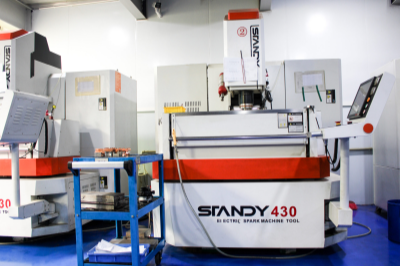
Our Dongguan factory's advanced multi axis CNC machining center in operation.
Procurement Tip: Avoid vendors offering “one-size-fits-all” solutions. Tailored machine configurations aligned with your part mix and production volume deliver long-term savings.
Frequently Asked Questions
What distinguishes 5-axis CNC machines from 3-axis?
A 5-axis machine controls two additional rotational axes, allowing the cutting tool to approach the workpiece from multiple angles. This versatility reduces the need for multiple setups and enables machining of complex geometries in one cycle.
How do multi axis CNC machines impact tooling costs?
Although tooling may cost more upfront due to complexity and coating requirements, multi axis machining often reduces overall tooling consumption by enabling complex parts in fewer operations, lowering secondary finishing and scrap rates.
What maintenance practices ensure longer machine lifespan?
Regular lubrication of bearings, cleaning linear guides, calibration of encoders, and inspection of spindle runout are vital. Factory-supplied maintenance schedules and trained technicians enhance operational uptime.
Are there specific material restrictions for multi axis machining?
Generally, multi axis CNC can handle a broad range of materials — including hardened steels, titanium, aluminum alloys, and plastics. Some materials may require customized tooling and cutting parameters to offset heat generation and tool wear.
Can multi axis CNC machines be integrated with existing factory automation?
Yes; many modern multi axis CNC machines support automation-compatible protocols, robotic loading/unloading, and IoT monitoring. Verifying vendor support for OEM/ODM integration or custom automation is advisable.
Customer Reviews & Testimonials
Michael Thompson, Operations Manager – Detroit Automotive Parts
“Switching to Guangdong Yingtai’s 5-axis CNC machines drastically cut our mold fabrication time. The integration support and machine reliability have been key to meeting our production milestones. Their technical team’s hands-on guidance during commissioning made all the difference.”
Get in Touch
If you have any camping barbeque equipment inquiry, please feel free to contact us.