

Precisely Navigating CNC Machine Tolerance: A Procurement and Engineering Guide
Understanding CNC machine tolerance is vital for procurement teams, technical engineers, and operations managers aiming to optimize manufacturing accuracy, minimize scrap, and maintain production efficiency. This deep dive unpacks tolerance principles, industry nuances, and practical advice from factory floor to global supply chain management.
Introduction: Why CNC Machine Tolerance Matters
CNC machine tolerance determines the precision with which parts are produced — essentially the allowable deviation from specified dimensions. In manufacturing environments spanning aerospace to consumer electronics, the margin for error is razor-thin. Yet tolerance is not just about micrometers or decimal points. It reflects a balance of design intent, machine capability, material behavior, and end-use requirements.
For buyers and procurement managers sourcing CNC-machined components, assessing tolerance affects:
- Fit & Functionality: Will parts assemble correctly without excessive adjustment or rework?
- Quality Control: How reliable is the supplier’s process in maintaining repeatability?
- Cost Implications: Tighter tolerances increase machining time, tooling wear, and inspection protocols – all impacting price.
- Lead Times: Achieving high precision often requires meticulous setups and slower cutting speeds, influencing delivery schedules.
Many decision-makers overlook the nuanced relationship between tolerance and manufacturing feasibility, leading to costly redesigns or supplier disputes. CNC tolerances hinge not only on the machining center’s capabilities but also on material machinability and even environmental factors like temperature variation.
In practice, tolerances ranging from ±0.01mm to ±0.1mm are common, depending on part complexity and function. For critical aerospace or medical components, sub ±0.01mm tolerances may be essential despite increased costs.
Understanding these trade-offs upfront can streamline procurement workflows and foster effective collaboration with international OEM/ODM suppliers, particularly in regions like Dongguan, China – home to Guangdong Yingtai High Precision Technology Co., Ltd., which specializes in high-precision molding and machining.
In this article, we explore the core concepts, supplier evaluation criteria, typical industry issues, and technical standards governing CNC machine tolerance – empowering you to make confident sourcing decisions aligned with operational realities.
Industry Pain Points & Procurement Challenges
In cross-border manufacturing procurement, common tolerance-related issues surface repeatedly:
- Inconsistent supplier reports: Some vendors supply guaranteed tolerances that don’t hold during bulk production runs.
- Lack of understanding about tolerance stack-up: Assembly complications arise when component tolerances accumulate beyond acceptable limits.
- Material variability: Metals like aluminum or stainless steel expand or contract differently, affecting final dimensions.
- Insufficient quality control: Absence of in-process inspection or advanced measuring instruments renders final parts unpredictable.
- Communication gaps due to language and technical terms: Imprecise specification sheets lead to mismatched expectations.
- Delays caused by rework or scrap: Tight tolerances increase risk of manufacturing defects requiring costly remediation.
Operational observation: We’ve seen procurement managers requesting ISO 2768 general tolerances but overlooking the need for tighter, feature-specific control in high-precision areas, leading to downstream quality problems.
Furthermore, CNC machining centers vary greatly in their abilities. Do you need a 3-axis machine for simple parts or a 5-axis center for complex geometry? High-precision components often require advanced equipment, robust calibration, and experienced machinists - all factors driving cost and lead time.
From a logistics standpoint, damaged or non-conforming parts complicate container loading and import inspections, making transparent tolerance data even more critical.
Technical Deep Dive: Types & Standards of Tolerance
CNC machine tolerance categorization typically falls into several groups:
- Dimensional tolerance: Permissible variation in length, diameter, depth, or other size-related measurements.
- Geometric tolerance: Controls shape, orientation, location, and runout tolerances per GD&T principles.
- Surface finish tolerance: Specifies roughness or texture relevant for sealing or wear surfaces.
Relevant standards and references include:
| Standard | Scope | Typical Use in CNC |
|---|---|---|
| ISO 2768 | General tolerances for linear and angular dimensions | Bulk metal parts with non-critical dimensions |
| ASME Y14.5 | Geometric dimensioning & tolerancing (GD&T) | Advanced tolerance control for assemblies |
| DIN 7168 | Tolerances for machined parts in European industry | Precision mechanical assemblies |
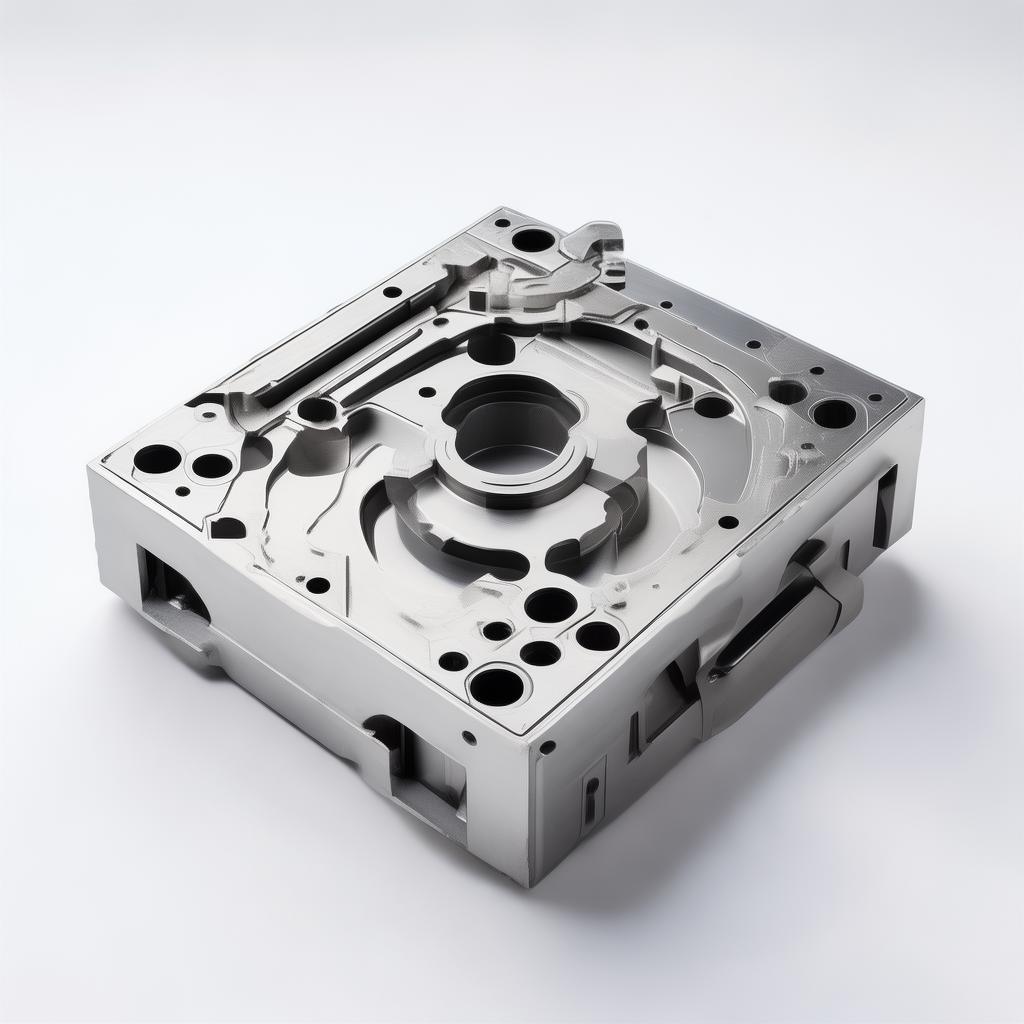
cnc machine capabilities cnc machine components cnc machine application
Operational detail: For CNC precision parts, production process control requires robust Statistical Process Control (SPC) to monitor deviation trends and identify tool wear influencing tolerance.

Tolerance capability varies significantly based on machining technology:
- 3-axis CNC mills: Generally reliable for tolerances ±0.02mm to ±0.05mm for metals like mild steel or aluminum.
- 5-axis CNC centers: Can achieve ±0.005mm in critical surfaces due to complex axis control and feedback mechanisms.
- High-speed machining (HSM): Tighter surface finishes and better control over dimensional accuracy, ideal for injection mold inserts.
Machine calibration, tool quality, operator skill, and environment humidity/temperature collectively influence achievable tolerances.
Application Scenarios & Material Considerations
CNC tolerance requirements shift dramatically across industries and materials:
- Automotive powertrain components: Must maintain tight tolerances to ensure proper fitting and thermal expansion allowances. Stainless steel and aluminum alloys are common materials used.
- Consumer electronics housings: Lightweight plastics or aluminum with ±0.02mm tolerances ensure proper snap-fit assembly without gaps.
- Medical devices: Require sub-±0.01mm tolerance, often using biocompatible titanium or special-grade plastics like PEI or PEEK.
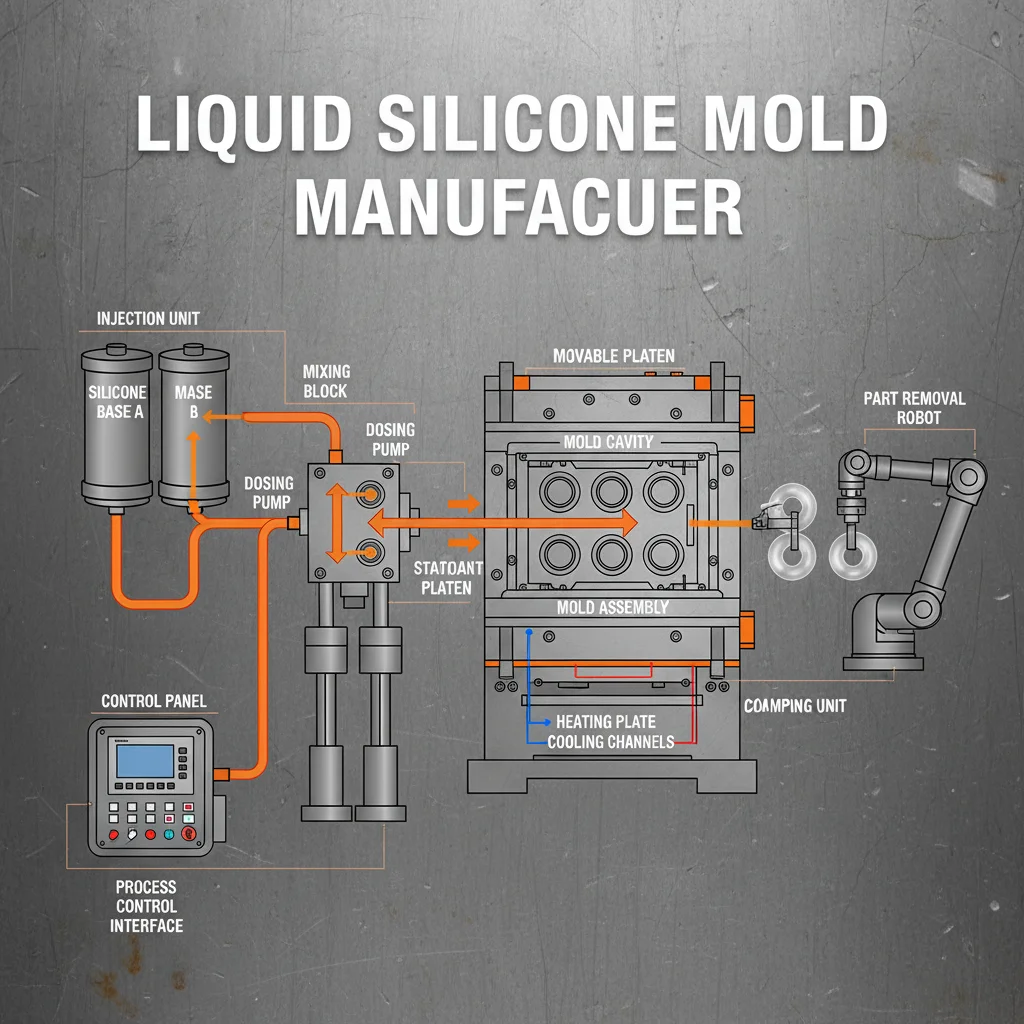
- Precision mold bases for liquid silicone molding: Steel alloys with surface finish controlled to Ra 0.4 µm, critical for liquid silicone injection molding as used by Guangdong Yingtai High Precision Technology Co., Ltd.
Buyers should factor in material machinability. For instance, Aluminum (6061-T6) is easier to machine with consistent fine tolerance compared to stainless steel grades like 316L, which require slower feed rates and specialized tooling to achieve comparable results.
Surface finish also impacts tolerance requirements, particularly for sealing surfaces and contact interfaces. Materials with good thermal stability reduce dimensional drift during production and in operation.
Buyer’s Guide: Evaluating Suppliers & Reducing Risk
Choosing an international CNC machining supplier demands a rigorous assessment of technical capabilities, quality assurance, and communication proficiency.
Key evaluation points include:
- Certifications: ISO 9001, ISO 13485 (medical), AS9100 (aerospace), and process-specific certifications provide baseline trust.
- Equipment Inventory: Verification of CNC machines’ precision class, age, maintenance records, and calibration frequency.
- Quality Control Protocols: In-house CMM (Coordinate Measuring Machines), SPC reports, digital inspection data, and rework statistics.
- Sample Testing: Request pre-production samples with detailed measurement reports to validate tolerance adherence.
- Material Traceability: Vendor’s ability to provide certified material test reports (MTRs) ensuring raw stock compliance.
- Production Lead Times & Capacity: Must align with your project schedules, considering any necessary tighter tolerance practices may increase cycle time.
Procurement mistakes often stem from insufficient technical dialogue early in project development. Engage engineering teams to define tolerance criticalities clearly. Use 3rd party inspection firms if location audits are not viable.
When working with Guangdong Yingtai High Precision Technology Co., Ltd., their 20+ years of expertise and in-house testing capability, combined with 55 sets of liquid silicone molding machines and advanced CNC processing equipment, offer a holistic manufacturing chain from mold design to finished CNC-precision parts.
FAQ: Common Questions on CNC Tolerances
- Q1: What is the typical tolerance range for CNC-machined aluminum parts?
- Standard tolerances often range from ±0.02mm to ±0.05mm, though with specialized equipment and process controls, ±0.01mm is achievable.
- Q2: How does tolerance affect the cost and lead time?
- Tightened tolerances require slower tool passes, more frequent inspection, and higher rejection rates, leading to increased production cost and extended lead times.
- Q3: How are geometric tolerances documented?
- They are generally indicated on engineering drawings using ASME Y14.5 or ISO GPS GD&T symbols defining permissible deviations in form, orientation, or location.
- Q4: What inspection methods verify CNC tolerance?
- Coordinate Measuring Machines (CMM), optical comparators, laser scanners, and surface roughness testers are common tools for verification.
- Q5: Can CNC machine tolerance be guaranteed in mass production?
- Consistency depends on process control and tooling. High-volume runs require continuous monitoring via SPC systems and preventive maintenance to maintain tolerances.
Customer Reviews & Industry Testimonials

"Working with Guangdong Yingtai’s CNC department gave us repeatable tolerance that matched our aerospace project specs to the letter. Their detailed inspection reports and on-site video inspections helped us mitigate any surprises during import."

"We rely on Yingtai’s overmolding expertise paired with their CNC machining precision. Their control of sub-0.01mm tolerances enables flawless mold inserts and reduces downstream fitting issues in liquid silicone parts."

"Tolerance discrepancies used to cause costly batch rejections until we switched to Yingtai. Their quality control and adherence to agreed ISO 2768 standards noticeably lowered our scrap rates."
Contact & Next Steps
To optimize your next CNC precision procurement with Guangdong Yingtai High Precision Technology Co., Ltd., consider starting with a direct consultation. Discuss your tolerance requirements with their export specialists and engineers to align production capabilities with your product specs.
Contact Information:
Phone: (Miss Zhang) +86 17722437688
Fax: +86 0769-83666863
Email: zmm@yingtai168.com / lh@yingtai168.com
Whatsapp: +86 17722437688
Address: No. 359 Chang'an Bubugao Road, Chang'an Town, Dongguan City, Guangdong Province
Online Contact Form



Ready To Discuss Your CNC Machine Tolerance Specifications? Reach Out Today.