Guangdong Yingtai High Precision Technology Co., Ltd. | Export Director: Miss Zhang | Contact Us Industrial buyers frequently face challenges when sourcing abrasion resistant steel parts, especially those requiring CNC machining precision. Common obstacles
Guangdong Yingtai High Precision Technology Co., Ltd. | Export Director: Miss Zhang | Contact Us
Industry Pain Points in Abrasion Resistant Parts
Industrial buyers frequently face challenges when sourcing abrasion resistant steel parts, especially those requiring CNC machining precision. Common obstacles include premature material wear under harsh operating conditions, inconsistent dimensional accuracy, and extended lead times due to complex manufacturing workflows. Many contractors report delays attributable to rework or scrap caused by improper material selection or machining errors. Supply chain disruptions, rising raw material costs, and quality control variability further amplify procurement risks.
Consider a mining equipment manufacturer needing custom abrasion resistant liners. Subpar steel grades can cause frequent downtime for part replacement, leading to costly production halts and unpredictable maintenance schedules. Similarly, in heavy-duty construction machinery, incorrect heat treatment or machining tolerance failures result in reduced component lifespan and warranty claims.
Insight: Not every abrasion resistant steel part is created equally—precision CNC machining coupled with rigorous material standards is critical to sustaining operational performance.
Technical Overview of CNC Machining & Materials
Abrasion resistant steel commonly used includes grades like AR400, AR500, and proprietary quenched and tempered alloys designed for maximum hardness and toughness. These materials undergo stringent heat treatment processes, such as induction hardening or quenching, to achieve surface hardness in the range of 400-600 Brinell.
Our CNC machining employs multi-axis high-speed milling, turning, and grinding with specialized tooling suited to hard steels. Programming precision for tight tolerances (±0.01 mm or better) is maintained through advanced CAM software integrated with real-time tool condition monitoring systems. This minimizes tool wear impact and reduces dimensional deviation risks.
Production Workflow Highlights:
Material certification & traceability complying with ASTM A716 and ISO 9001:2015 standards
Use of CNC centers equipped with CBN (Cubic Boron Nitride) or diamond-coated tooling for abrasion resistant steels
Post-machining stress relieving to minimize distortion and improve fatigue resistance
Precision quality inspections using coordinate measuring machines (CMM) and non-destructive testing (NDT) such as ultrasonic hardness mapping
This technical rigor ensures components can withstand demanding environments encountered in industries like mining, earth moving, heavy transport, and industrial manufacturing.
Key Advantages of Our Abrasion Resistant Steel
Our CNC machined abrasion resistant steel parts offer a combination of:
Superior Wear Resistance: Achieved through high-grade AR steel alloys and advanced heat treatment processes.
Improved Component Life: Enhanced surface hardness coupled with optimized material toughness reduces part replacement frequency.
Consistent Quality: ISO 9001 and CE certifications underpin robust quality assurance systems ensuring batch-to-batch reliability.
Custom OEM & ODM Solutions: Flexible production capabilities accommodate design modifications, aiding quick prototyping and scaling.
Cost Efficiency: Reduced scrap and rework through rigorous process control deliver better ROI over conventional steel options.
Note: Our manufacturing setup supports medium to large volume orders while enabling short turnarounds for urgent projects.
Application Scenarios & Industry Use Cases
The versatility of CNC machined abrasion resistant steel parts spans numerous sectors where durability under abrasive conditions is paramount, including:
Material Handling: Industrial rollers, wear strips, conveyor supports.
Heavy Transportation: Truck bed liners, skid plates, chassis reinforcement parts.
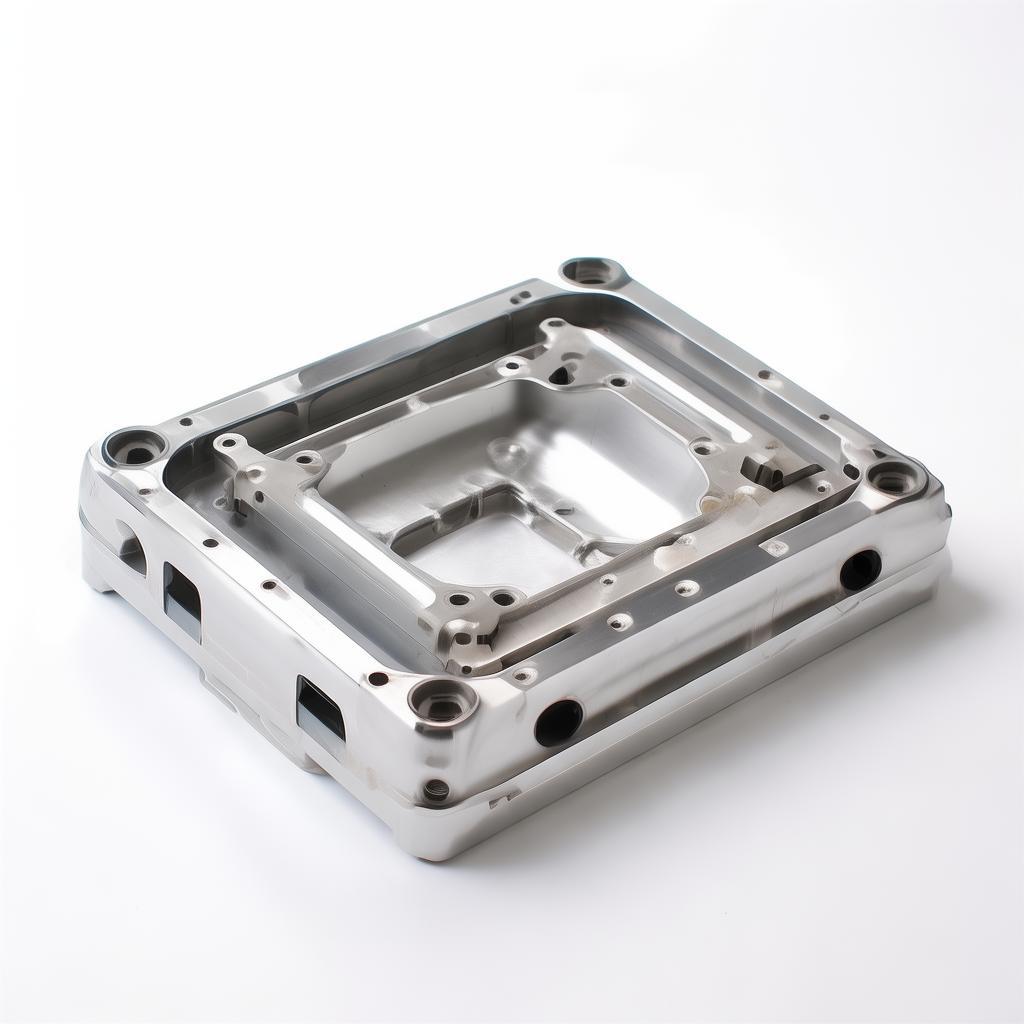
Precision-machined AR steel components in heavy equipment assembly
Procurement insight: Ensuring compatibility with OEM machineries’ operational parameters can greatly extend equipment uptime and reduce lifecycle costs.
Procurement & Supplier Evaluation Tips
Selecting a reliable abrasion resistant steel parts supplier involves scrutiny beyond price. Procurement directors and operations managers should consider:
Material Traceability: Request mill certifications and detailed chemical/physical test reports.
Machining Expertise: Evaluate CNC equipment specs and tooling technology relevant to AR steel grades.
Quality Management: Confirm adherence to ISO 9001:2015 and industry certifications (e.g., CE, ASTM standards).
After-Sales Support: Warranty terms, repair and replacement policies, and technical assistance availability.
OEM/ODM Capabilities: Flexibility in customizations and rapid tooling adjustments.
Delivery & Logistics: Transparent lead times, international shipping experience, container optimization.
Practical note: Overlooking verification of heat treatment certifications can lead to receiving underperforming parts — a costly procurement pitfall.
Note: Specifications vary with heat treatment and machining parameters. Contact us for tailored material datasheets and CNC machining capabilities.
Installation & Maintenance Considerations
Abrasion resistant steel parts demand careful installation to leverage their full lifespan advantages. Improper fitting or misalignment often leads to premature wear or stress fractures.
Experience shows:
Machined surfaces must be cleaned and free of burrs before assembly to prevent wear concentration points.
Use of torque-specified fasteners and proper mounting hardware is critical, especially for wearable liners and cutting edges.
Welding wear parts require pre-heating and post-weld heat treatment to maintain steel hardness and reduce cracking risk.
Routine inspection intervals—typically every 3-6 months—assist in detecting surface degradation or deformation early.
Keep a supply of critical spare parts for rapid replacement in high-wear zones to minimize equipment downtime.
Operational note: Manufacturers often underestimate installation labour intensity, leading to avoidable delays. Enlisting technical support from your supplier can smooth assembly workflows.
Logistics, Shipping & Delivery Insights
Given the weight and size of abrasion resistant steel parts, logistics planning is crucial. Efficient container loading and packaging ensure protection during transit and optimize shipping costs.
Key shipping considerations include:
Use of custom crating and palletization to reduce mechanical shock and surface damage.
Documentation aligning with international trade compliance, including export licenses and certificates of origin.
Coordination with freight forwarders experienced in handling heavy industrial cargo via sea, air, or rail.
Lead times typically vary between 25-40 days for full container loads depending on destination ports, customs clearance, and inland transport.
Tracking and shipment insurance are recommended for high-value orders.
We provide tailored shipping plans and detailed packing lists upon inquiry to support your supply chain transparency.
Buyer FAQs
Q1: What is the typical lead time for CNC machined abrasion resistant steel parts?
Lead time usually ranges from 20 to 35 business days depending on order volume, complexity, and heat treatment processes. Rush options may be available upon discussion.
Q2: Can you provide custom steel grades and machining based on OEM drawings?
Absolutely. We specialize in OEM and ODM services and can work with detailed CAD files and technical specifications to meet your unique requirements.
Q3: How do you ensure the abrasion resistance meets industry standards?
Material batches come with certified chemical and hardness testing reports compliant with ASTM and ISO standards. Additionally, batch testing and wear trials can be arranged if required.
Q4: Are there volume discounts or structured payment terms?
Yes, pricing is competitive and scalable based on order quantities. We typically offer payment terms ranging from 30-50% deposit and balance prior to shipment, subject to negotiation.
Q5: What packaging methods are used for exports?
Parts are secured with protective blocking, wooden crates or heavy-duty pallets, rust-proof coatings, and moisture-resistant wrapping to prevent corrosion during transit.
Customer Reviews & Real-World Feedback
Adam Michaels – Procurement Manager, MiningCo USA
“We switched to Yingtai’s abrasion resistant steel parts last year and saw a noticeable drop in replacement frequency. The CNC machining accuracy was impressive — perfect fit and finish on all components. Shipping was timely, and technical support assisted throughout installation.”
Get in Touch
If you have any camping barbeque equipment inquiry, please feel free to contact us.