“We switched to Guangdong Yingtai for our custom CNC brackets last year and noticed immediate improvements in tolerance consistency and part finish. Lead times have been reliable, and their team’s responsiveness minimized design hurdles.”



Precision CNC Machining Solutions for Industrial Applications & Global Procurement
In today's competitive industrial landscape, sourcing high-precision CNC machined components is more than a commodity transaction—it's a strategic lever for operational excellence. Purchasing managers, technical engineers, and procurement directors often face the challenge of balancing quality, cost, and delivery timelines when onboarding component suppliers.
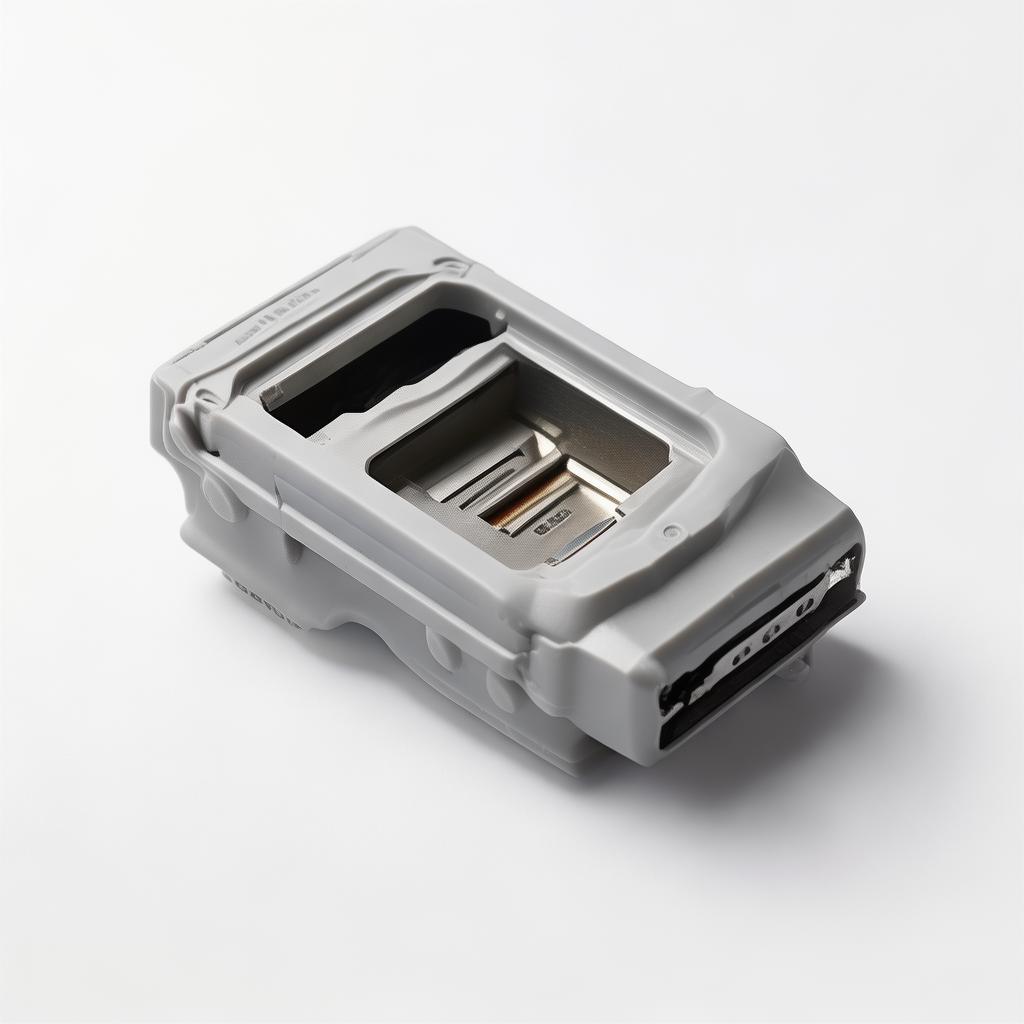
CNC machining offers unparalleled flexibility in producing complex parts from diverse materials—ranging from stainless steel, aluminum alloys, brass, to engineering plastics. This versatility empowers industries such as aerospace, automotive, medical device manufacturing, and consumer electronics to realize tight tolerances and robust component performance.
Operational insight: Many buyers underestimate the influence of material selection and machining method on assembly fit and lifecycle maintenance. For example, subtle differences in surface finish or dimensional accuracy can cascade into increased wear rates or assembly rejections downstream. Early engagement with suppliers who understand ISO 9001 and AS9100 standards ensures consistency in quality and compliance assurance.
In global sourcing scenarios, factors like freight consolidation and container-loading optimizations directly impact landed cost. Understanding these nuances before contract commitments can prevent costly surprises.
According to the recent market reports, industries increasingly demand precision machined parts with enhanced material properties, driving investments in advanced CNC capabilities worldwide. This trend aligns closely with shifting supply chain dynamics that prioritize just-in-time delivery, lean inventories, and OEM-grade compliance.
The global market for CNC machined components is dynamic yet fraught with challenges that can derail procurement expectations:
An experienced procurement advisor would weigh these risks against supplier credentials, insisting on samples and tightly defined quality control plans. Ignoring these warning signs has cost many companies tens of thousands in reprocessing and shipment delays.
Industry veterans note that even the best CNC machines can't compensate for rushed design-to-production cycles without solid process previews — simulation and prototype reviews are non-negotiable.
As an industrial engineer once remarked, "Machining is not just cutting metal — it’s about delivering function and longevity that design alone can't guarantee."
Technical competency in CNC machining spans equipment precision, software integration, and meticulous process control. Suppliers often adhere to standards such as ISO 9001:2015 for quality management and AS9100 for aerospace components.
| Material | Common Uses | Key Properties | Machining Challenges |
|---|---|---|---|
| 6061-T6 Aluminum | Structural parts, housings, automotive | Lightweight, corrosion-resistant, good strength | Coolant management critical to prevent burrs |
| 316 Stainless Steel | Medical devices, chemical processing components | High corrosion resistance, durable | Work hardening requires precise cutting parameters |
| Brass (C360) | Electrical fittings, plumbing, decorative parts | Easy machinability, good conductivity | Chip control essential to prevent tool damage |
| Engineering Plastics (Delrin, Nylon) | Gears, bushings, insulators | Lightweight, low friction, chemical resistance | Heat buildup and melting risk during machining |
cnc machine components cnc turned parts suppliers custom cnc machined parts
Machining methods often include 3-axis, 4-axis, and 5-axis CNC milling, turning, and multi-spindle operations. These processes support tight tolerance levels often within ±0.01mm, but achieving this consistently depends on stable fixtures, tool wear monitoring, and environmental controls.
Suppliers experienced in certifications like ISO/IEC 17025 testing, and equipped with coordinate measuring machines (CMM), enhance trustworthiness through rigorous in-line inspections.
CNC machined components serve critical roles across varied sectors—here’s a snapshot of fields where their precision and reliability are non-negotiable:
Installation tip: Components from CNC manufacturing often require precise alignment and torque specifications during assembly. Procurement teams should request parts accompanied by detailed assembly guidelines or data sheets to avoid costly errors or damage to complementary parts.
Maintenance cycles depend heavily on material and surface finish choices. For example, polished stainless steel parts often require less frequent lubrication in moving assemblies, while aluminum components might need periodic corrosion checks when exposed to harsh environments.
Shipping precision CNC machined parts internationally demands meticulous packaging to prevent damage from vibration and moisture. Protecting surface finishes and maintaining dimensional stability during transit impacts overall supplier evaluation.
Lead time: Standard production runs typically range from 10 to 30 business days depending on volume, complexity, and material sourcing. Expedited services may be available but often carry premium cost. Factories with integrated production lines and advanced ERP systems optimize scheduling and traceability.
Container loading and freight consolidation remain key for cost efficiency. Buyers should coordinate with suppliers for load optimization, often requiring kitting and careful arrangement to maximize container cubic utilization.
Climatic considerations, such as avoiding high humidity in shipping containers, are crucial for parts prone to corrosion. Reliable suppliers will proactively mitigate these by using desiccants or corrosion inhibitors.
Customs and compliance: Proper documentation aligned with Harmonized System (HS) codes and certifications expedites customs clearance and reduces delays.
Selecting a CNC machined components supplier demands a comprehensive evaluation beyond price. Here are factors procurement professionals should prioritize:
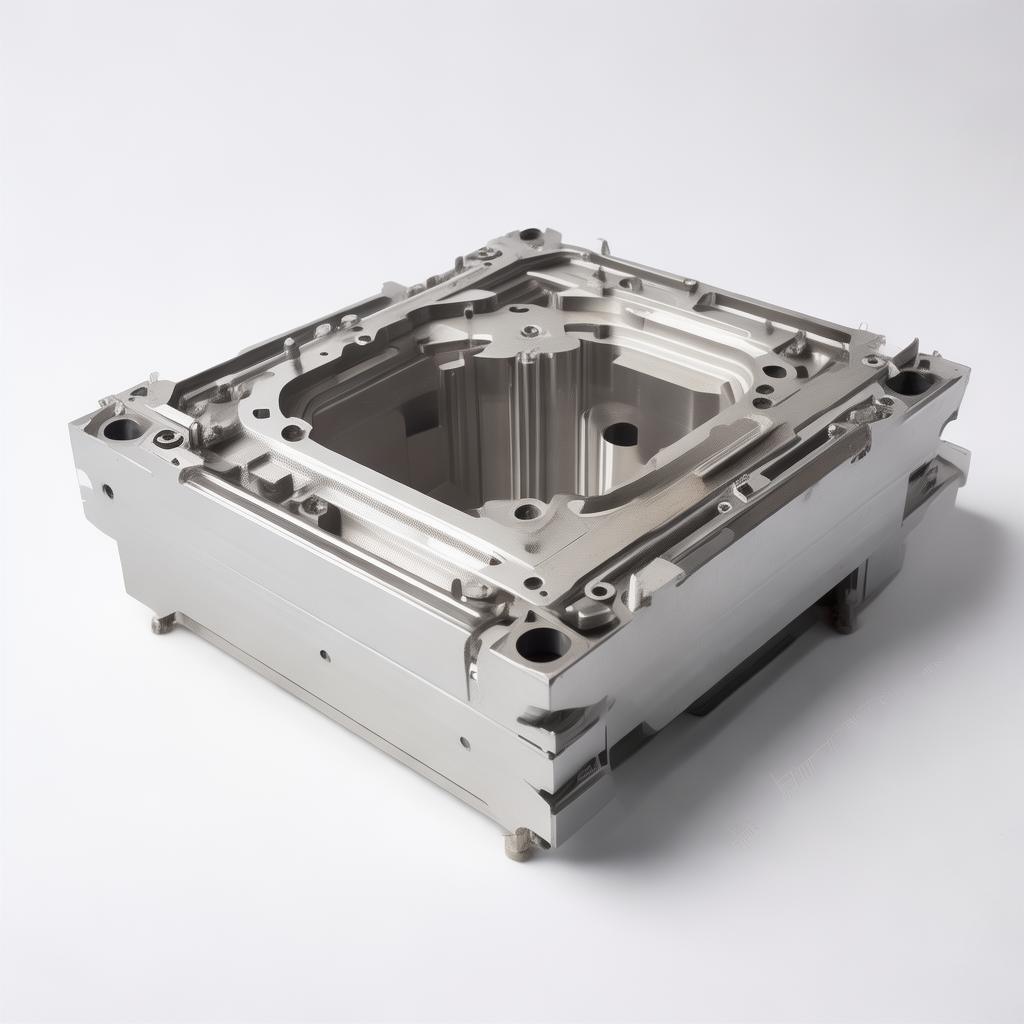
Guangdong Yingtai High Precision Technology Co., Ltd., for example, brings 20+ years of industry experience with 500+ skilled professionals, equipped with 30+ advanced machining tools and quality control instruments at their Dongguan facility. Their vertically integrated production—from mould development to finished products—demonstrates operational robustness sought by discerning buyers.
OEM / ODM manufacturing options provide significant advantage for companies requiring private label parts or design adjustments without investing in tooling themselves. This collaborative approach reduces time-to-market and enhances IP protection.
“We switched to Guangdong Yingtai for our custom CNC brackets last year and noticed immediate improvements in tolerance consistency and part finish. Lead times have been reliable, and their team’s responsiveness minimized design hurdles.”