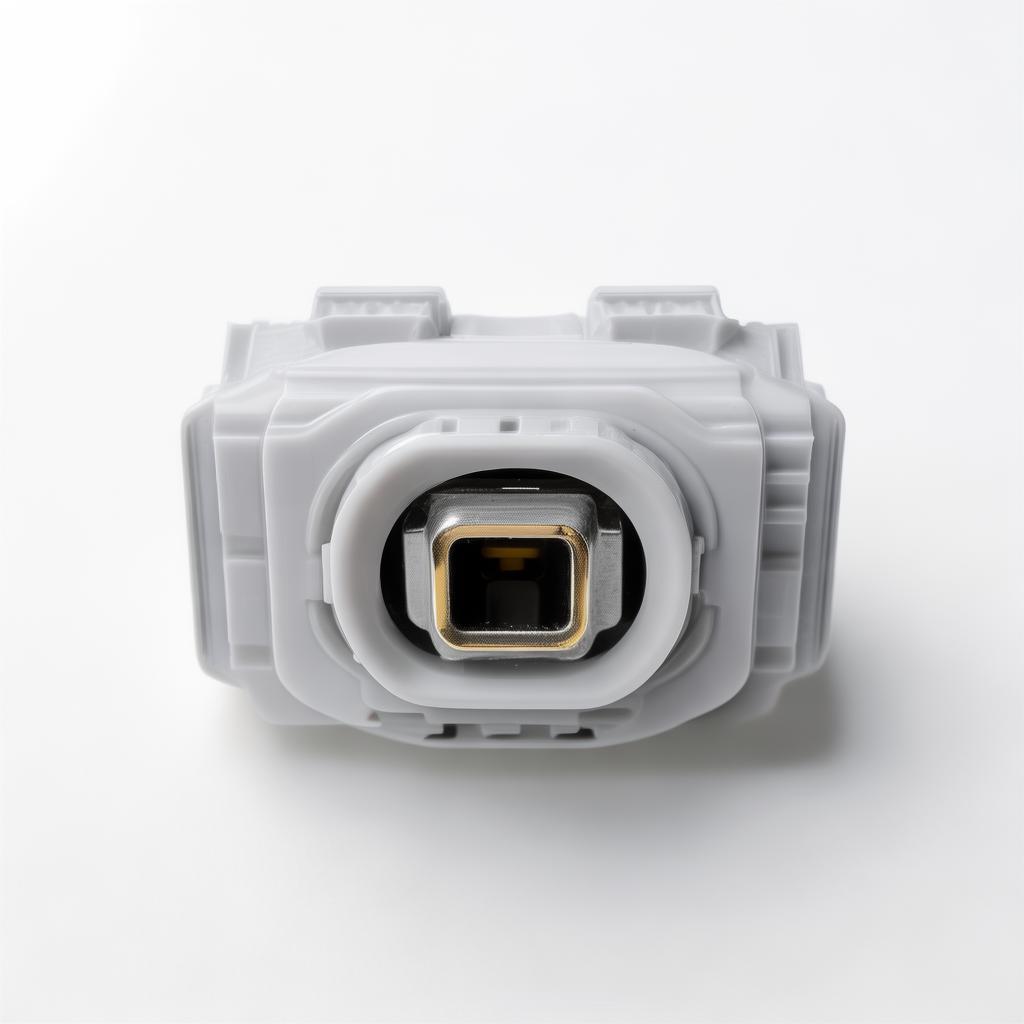
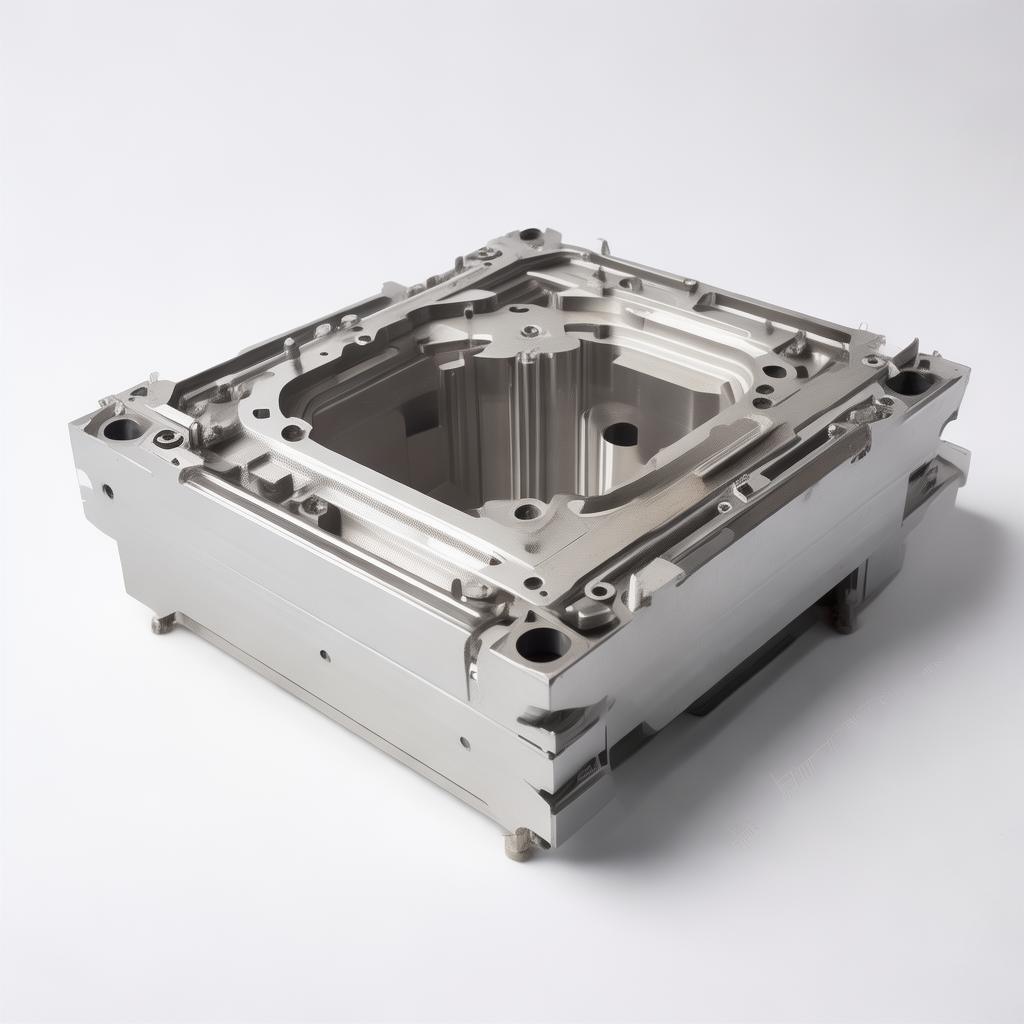
Navigating today's complex supply chain demands means sourcing copper components that precisely meet your technical specs and performance expectations. CNC machined copper parts offer unrivaled dimensional accuracy, enhanced conductivity, and robustness essential for industries
Product Details
Precision CNC Machined Copper Parts for Industrial Excellence
Navigating today's complex supply chain demands means sourcing copper components that precisely meet your technical specs and performance expectations. CNC machined copper parts offer unrivaled dimensional accuracy, enhanced conductivity, and robustness essential for industries ranging from electronics to automotive and aerospace. At Guangdong Yingtai High Precision Technology Co., Ltd., based in Dongguan’s industrial heartland, we bring decades of OEM and ODM expertise to deliver copper components engineered to empower your projects.
Industry Pain Points in CNC Machined Copper Components
Precision copper parts serve critical roles across high-tech sectors demanding excellent thermal and electrical conductivity. However, manufacturers and sourcing teams often encounter:
Dimensional inconsistency: Poorly controlled machining leads to fitment and performance issues, disrupting assembly lines.
Material quality variance: Copper grades vary widely; impurities and improper alloying compromise durability and conductivity.
Surface defects: Machining burrs, oxidation, or micro-cracks can thwart component longevity and electrical contact efficiency.
Extended lead times: Complex orders or lacking supplier expertise can cause costly delays in project schedules.
These common stumbling blocks underscore the importance of partnering with a CNC copper parts supplier who owns both deep technical capabilities and a transparent, established manufacturing ecosystem.
Technical Deep Dive: Precision CNC Machining of Copper Parts
Copper’s unique physical properties present machining challenges and opportunities. Our process focuses on:
Material Selection: We use high-grade electrolytic tough pitch (ETP) copper and C11000 alloys with uniform grain to guarantee electrical and thermal conductivity within specified tolerances.
CNC Precision: Multi-axis CNC lathes and milling centers equipped with sharp tooling reduce surface roughness down to Ra 0.4μm, essential for tight-fitting mechanical and electrical assemblies.
Toolpath Optimization: CAM programming emphasizes proper feed rates and cutting depths mitigating heat buildup, avoiding microstructural degradation of the copper.
Quality Control: 100% inspection with coordinate measuring machines (CMM), optical comparators, and surface finish analyzers ensure parts meet ISO 2768 fine tolerance standards.
It’s worth noting tooling wear and coolant choice significantly impact copper’s machinability; at Yingtai, our maintenance cycles and use of synthetic coolants reduce tool chatter and contamination risks, supporting repeatable production runs.
Typical Technical Specification
Parameter
Details
Material Grade
C11000 / ETP Copper, C10100 Oxygen-Free Copper (OFC) available
Dimensional Tolerance
±0.01 mm (ISO 2768-fine standard)
Surface Finish
Ra 0.2 - 0.8 μm
Max Part Size
Ø200 mm x 500 mm length (custom sizes upon request)
Machining Method
5-axis CNC milling & turning, EDM for intricate features
*Note: Custom specifications and secondary finishing such as nickel plating, anti-oxidation coatings, or passivation are available to meet industry-specific compliance needs.
Copper Material Comparison: Navigating Alloys and Coatings
Selecting the right copper grade and surface treatment is crucial for applications where conductivity, wear resistance, and corrosion protection are non-negotiable. Here’s a snapshot of common materials used in CNC machining of copper parts:
Material
Applications
Pros
Cons
C11000 Electrollytic Copper (ETP)
Electrical connectors, heat exchangers
Excellent conductivity, cost effective
Lower corrosion resistance
C10100 Oxygen-Free Copper (OFC)
High performance electronics, aerospace components
Superior purity, reduced oxygen content
Higher cost, machining difficulty
Brass (Cu-Zn Alloys)
Mechanical fittings, aesthetic components
Better machinability, corrosion resistance
Lower electrical conductivity
Copper with Nickel Plating
Wear parts, marine applications
Enhanced corrosion resistance, surface hardness
Additional process step, increased cost
Each alloy choice directly influences manufacturing workflow and handling requirements. For example, pure copper’s ductility demands careful tooling selection to avoid burrs, while nickel coatings require precise post-plating inspection to guarantee adhesion.
Application Scenarios in Industrial Sectors
Copper’s intrinsic high conductivity and thermal characteristics make precision CNC machined parts indispensable across several industrial verticals.
Electronics & Electricals: Connectors, terminal blocks, busbars requiring steady conductivity with tight fit tolerances.
Automotive Components: Radiator fittings, heat exchangers, electric vehicle (EV) charging connectors relying on thermal dissipation and corrosion resistance.
Aerospace & Defense: High-performance components where weight, heat transfer, and electrical integrity are critical.
Telecommunications: RF components and housing parts where conductive performance ensures signal integrity and durability.
Machinery & Energy: Industrial valves, bushings, and tooling inserts designed for wear resistance and operational longevity.
A few words of advice: always check your specific copper alloy’s certification compliance against regional standards like ASTM B187 for copper and copper alloys or IPC-4562 for electronic applications. Deviations or oversights often cause costly rejections during final assembly or certification audits.
Strategic Procurement Guidance for CNC Machined Copper Parts
Upon selecting a copper component supplier, keeping these considerations front and center will shield your project from common pitfalls:
Material Traceability: Ensure full batch documentation and material certificates (e.g., RoHS compliance, REACH) accompany your orders.
Prototype & Sample Validation: Insist on receiving detailed dimensional reports with your sample parts; physical inspections should confirm CAD-to-part alignment.
Process Transparency: Discuss machining strategies upfront, including tool life cycles and inspection regimes to mitigate late-stage defects.
Lead Time Guarantees: Verify supplier’s production capacity; complex parts or high-volume runs should come with documented delivery plans and buffer contingencies.
Logistics Planning: Consider supplier’s export experience and shipping agility — familiarity with Incoterms, customs clearance, and container optimization reduce delays and damage.
A practical note: Many procurement managers underestimate customs documentation requisites for copper products, especially when specialty coatings or alloy restrictions apply. It's worth partnering with suppliers who maintain FCC, CE, or ISO certifications to smooth cross-border compliance.
Our Factory Strength & Certifications
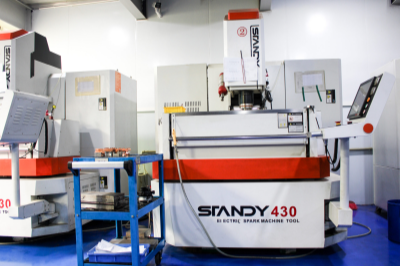
Yingtai’s high-precision CNC machining production line in Dongguan, China.
Our 35,000 sqm factory features over 80 advanced CNC machining centers, including 5-axis milling and Swiss-type lathes dedicated to copper and copper alloy machining. Combined with a team of 500+ skilled technicians and engineers, we ensure delicate material-handling procedures that preserve copper's electrical and mechanical constraints.
We operate under a rigorous ISO 9001:2015 Quality Management System, supported by RoHS and CE certifications. This framework enables consistent quality for complex copper components used in regulated sectors such as medical electronics and automotive safety systems.
Frequently Asked Questions
Q1: What is the typical lead time for CNC machined copper parts?
Lead times vary with order complexity, but standard batches usually ship within 3-5 weeks after final design confirmation. Rush orders may be accommodated based on machine availability.
Q2: How do you ensure surface oxidation does not affect conductivity?
We apply immediate post-machining cleaning procedures and optional surface treatments like tin plating or passivation. Additionally, packaging with inert atmospheres helps maintain part integrity during transport.
Q3: Can you handle custom copper alloys or multi-material assemblies?
Yes, we work with advanced alloy grades and support hybrid assemblies, including overmolding and insert molding with liquid silicone or plastics, leveraging our 20+ years molding expertise.
Q4: What quality inspections are performed?
Critical dimensions and surface finishes are inspected with CMM and profilometers. We also conduct hardness testing and electrical conductivity verification per ASTM standards.
Q5: Is OEM/ODM support available?
Absolutely. We partner closely with clients from prototyping through volume production, offering tailored design adjustments and turnkey solutions aligned to your brand and technical needs.
Customer Reviews & Procurement Scenarios
Alex J., Procurement Manager, Texas
“After switching to Yingtai for our copper busbar requirements, assembly issues caused by dimensional errors fell sharply. Their sample approval process and transparent QC make a difference – especially on tight projects. Lead times are predictable, and communication is clear.”
Get in Touch
If you have any camping barbeque equipment inquiry, please feel free to contact us.