Guangdong Yingtai High Precision Technology Co., Ltd. – Experts in Custom CNC Plastic Machining for B2B Manufacturing & Assembly CNC machined plastic parts are precision components crafted by computer numerical control (CNC) machinery that
Product Details
Precision CNC Machined Plastic Parts | Durable, Custom Solutions for Industrial Applications
Guangdong Yingtai High Precision Technology Co., Ltd. – Experts in Custom CNC Plastic Machining for B2B Manufacturing & Assembly
Understanding CNC Machined Plastic Parts
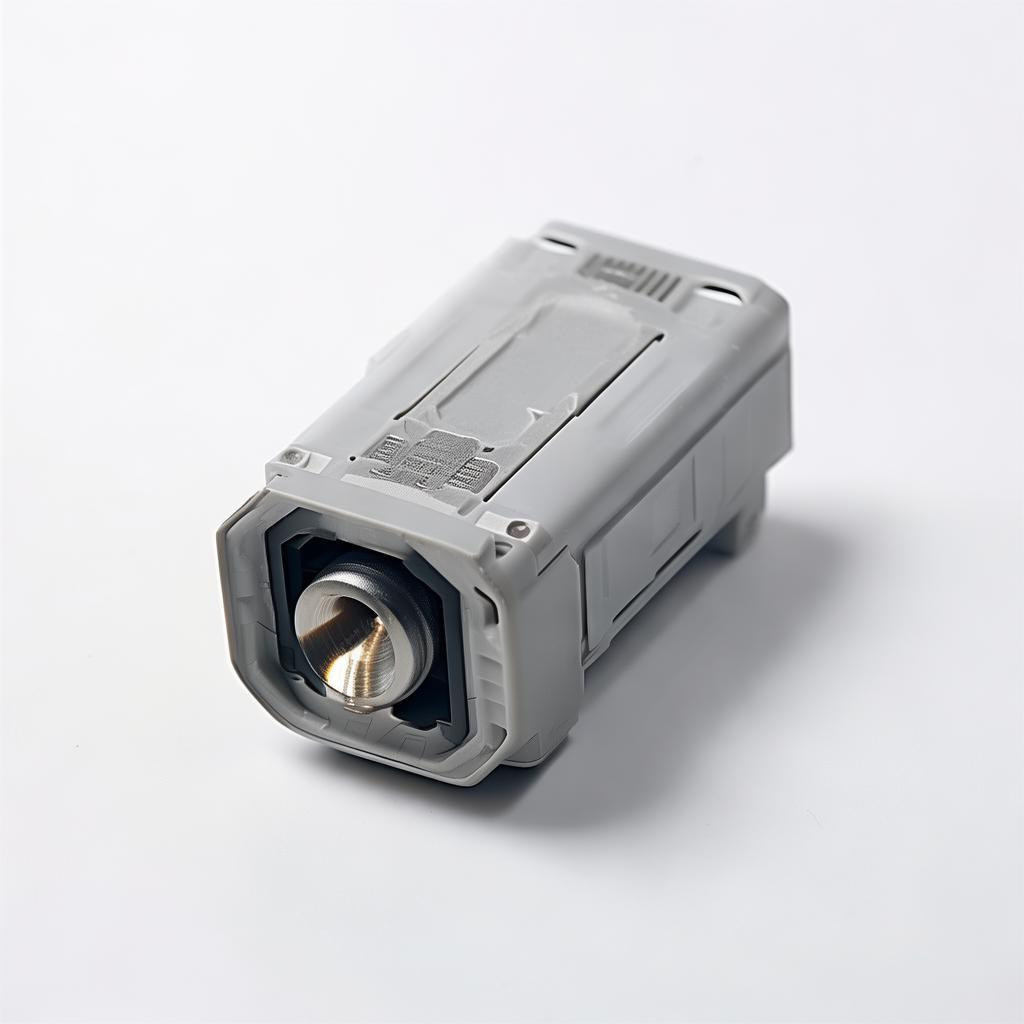
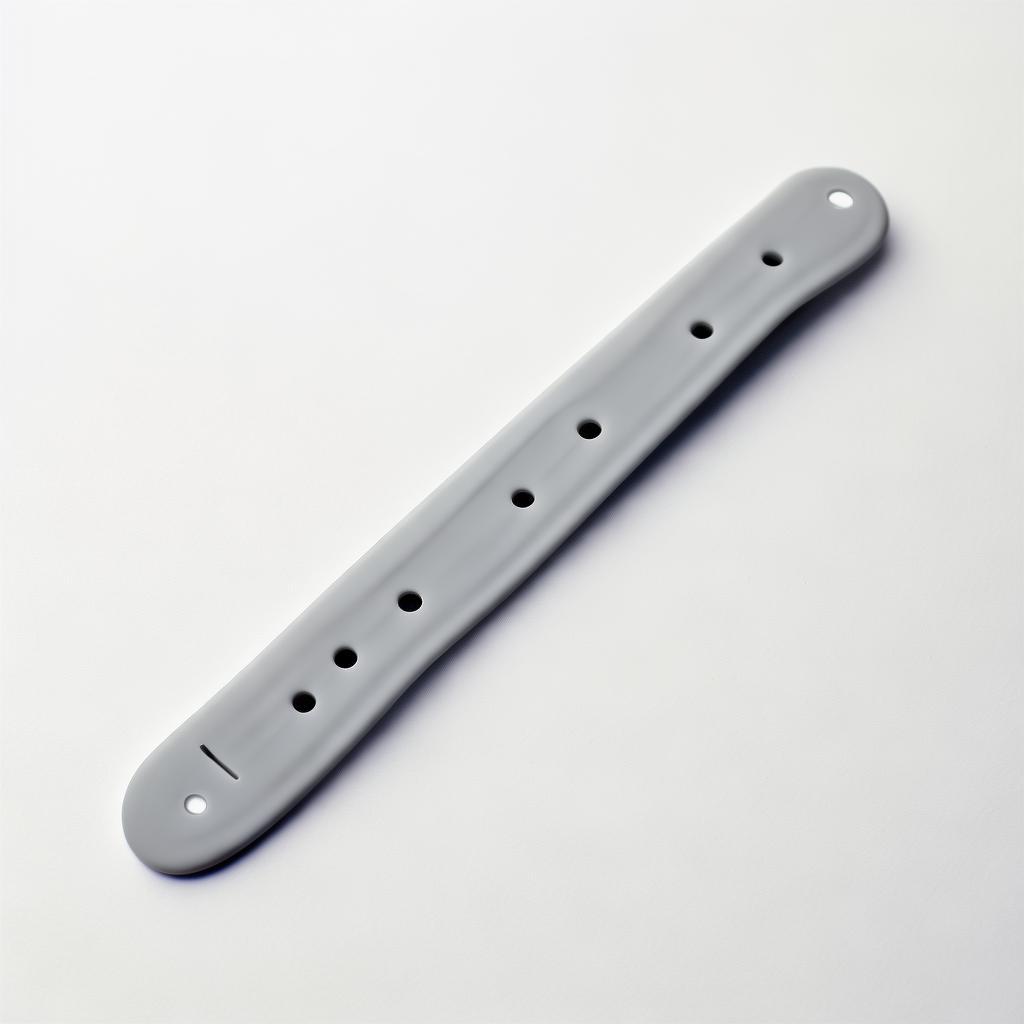
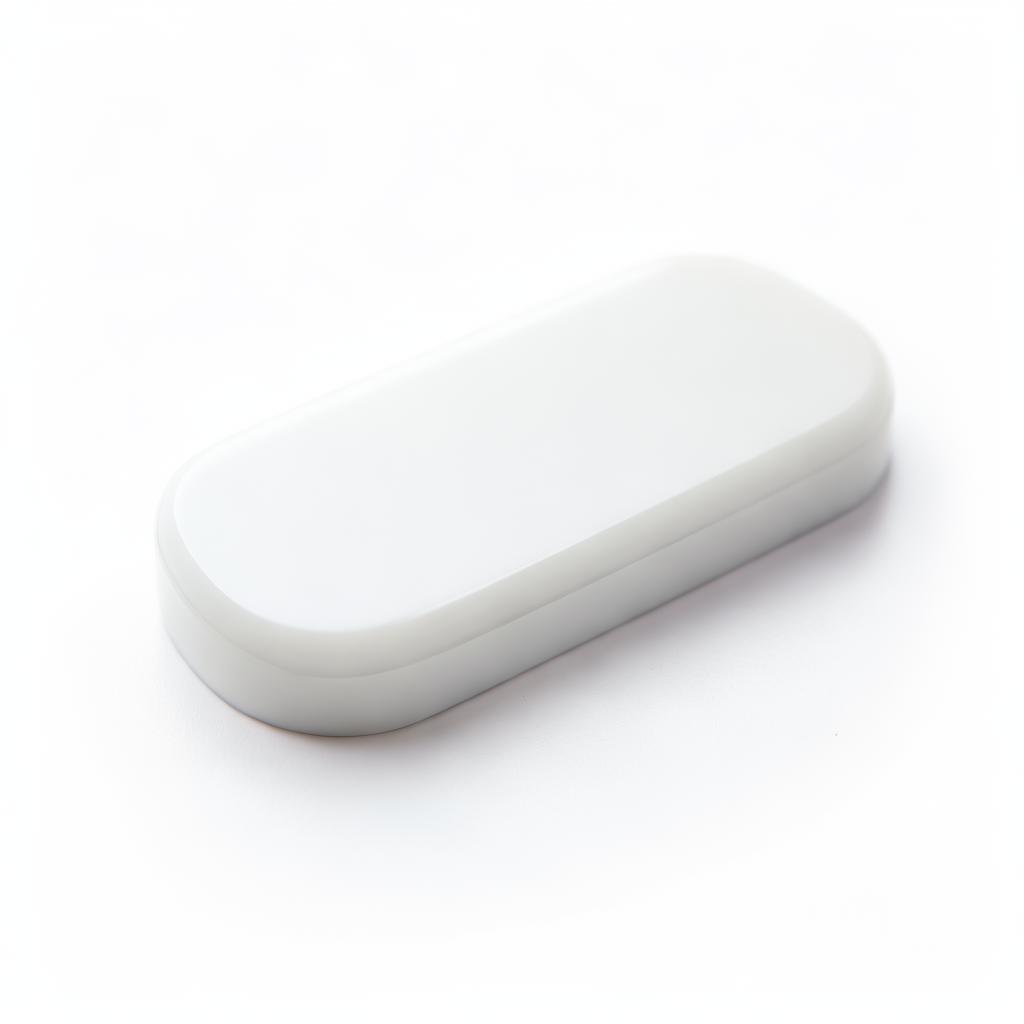
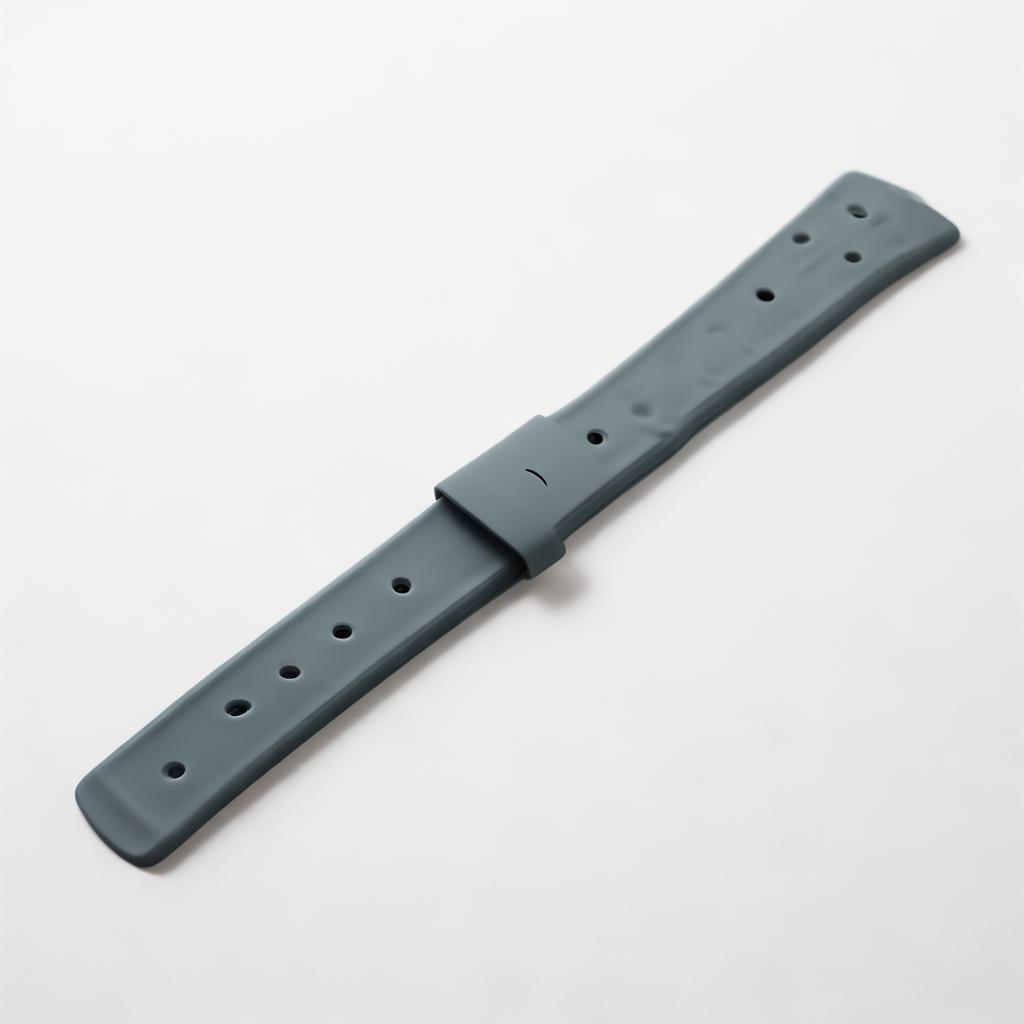
CNC machined plastic parts are precision components crafted by computer numerical control (CNC) machinery that cuts, drills, and shapes plastic materials into highly accurate industrial-grade parts. Unlike traditional molding or 3D printing, CNC machining offers unmatched dimensional stability and surface finish for functional prototypes, low to medium volume production runs, and high-tolerance applications.
For over two decades, manufacturers and procurement professionals in sectors such as consumer electronics, automotive, medical devices, and communication equipment have trusted CNC machined plastic components to achieve consistent performance and tight quality control. The key lies in selecting the right plastic grade combined with precise machine programming and tooling expertise. This ensures parts meet exacting ISO tolerances, chemical resistance, thermal stability, and mechanical strength requirements.
Operational note: CNC machining eliminates common issues faced in injection molding like sink marks, flash defects, and shrinkage inconsistencies by enabling single-block manufacturing, which is especially critical for custom-fit components or low-volume orders.
While the upfront tooling costs and setup for injection molding are considerable, CNC machining offers flexibility with quicker iteration cycles—saving time during product development stages and reducing inventory burdens with just-in-time delivery models.
Global market trends signal increasing demand for high-precision plastic parts tailored with complex geometries and multi-axis machining capabilities. According to forecasts from Grand View Research, the injection molding sector is expanding at 5% CAGR, feeding into complementary demand for CNC-machined finished products, especially in medical and wearable technologies.
Yingtai’s deep operational expertise—rooted in a full manufacturing chain ranging from mold development to finished parts—empowers customers with robust custom CNC plastic machining solutions optimized for performance and cost-efficiency. Our industrial park’s 35,000 m2 of facilities include more than 80 injection molding machines and 30 precision machining centers engineered for rapid turnaround and strict quality management under ISO and CE standards.
Operational Pain Points in Plastic Part Procurement
Purchasing and engineering professionals often face complexity sourcing CNC plastic parts—balancing lead times, material integrity, machining precision, and unit costs. A few recurring challenges include:
Material Misalignment: Selecting plastics incompatible with the end-use environment causes premature wear, UV degradation, or chemical damage.
Tolerancing Discrepancies: Vendors lacking multi-axis machining sophistication can’t hold tight tolerances required for assembly fit or sealing performance.
Supply Inflexibility: Batch-only manufacturing with long lead times reduces adaptability during design changes or unexpected order fluctuations.
Quality Control Issues: Insufficient in-line inspection and traceability often cause shipment of out-of-spec components, leading to costly production delays.
Logistics & Packaging: Improper packaging or handling risks part damage especially for delicate thin-wall machined plastics or complex geometries.
Note: Organizations sourcing from offshore suppliers should factor shipping times, customs clearance variability, and minimum order quantities into their procurement strategies.
Advantages of CNC Plastic Machining
Precision & Consistency
CNC machining reliably holds complex dimensions within +/-0.01mm on many plastics such as POM and ABS, supported by CAD/CAM toolpath programming and advanced 5-axis milling.
Material Versatility
Virtually all engineering plastics can be machined, including UV-stabilized polycarbonate, medical-grade PEEK, and chemically resistant PTFE, ensuring optimal performance per application.
Low Volume Cost-Effectiveness
Absence of injection mold tooling costs suits prototype runs or niche product lines needing accelerated development and rapid design updates.
Superior Surface Finish
Precise tool control produces smooth, burr-free edges and custom textures tailored for assembly requirements or aesthetic preferences.
Reduced Lead Times
Our CNC centers at Yingtai boast automated tooling changes and real-time process monitoring, enabling order fulfillment often within 7-14 days depending on complexity.
Common Plastics & Material Selection Guide
Choosing the best plastic for CNC machining depends heavily on the end-use environment, mechanical, thermal, and chemical demands. Below is an overview of widely used materials in precision CNC machined plastic parts:
Material
Key Properties
Typical Applications
Industry Standards
Delrin (POM)
High stiffness, low friction, excellent wear resistance
Gears, bearings, valve components
ASTM D4181
ABS
Good impact resistance, easy to machine, cost-effective
Housing, consumer products, mechanical prototypes
ISO clamation 472
Polycarbonate (PC)
High impact, UV resistant, transparent options
Optical components, machine guards, automotive parts
ASTM D3935
PTFE
Exceptional chemical resistance, low friction, high temperature
Seals, gaskets, insulation parts in chemical environments
ASTM D4894
PEEK
High strength, heat resistant, FDA compliant grades available
Medical devices, aerospace components, food processing parts
Procurement insight: Confirm compatibility with ISO 10993 for medical plastics or UL 94 flammability ratings for electrical housings when ordering specialized materials.
Technical Specifications & Standards
Our CNC-machined plastic parts comply with international quality standards, ensuring reliability and interchangeability. Key technical parameters include:
Dimensional Tolerance: Typically ±0.01 mm to ±0.05 mm depending on part geometry and plastic grade.
Surface Finish: Standard finishes range from Ra 0.8 to 1.6 μm; custom finishes, polishing, or texturing available on request.
Material Traceability: Batch and lot numbers recorded per ISO 9001 standards with full test reports upon delivery.
Chemical & Thermal Resistance: In compliance with ASTM and ISO testing methods tailored to application-specific exposure conditions.
Production Capabilities: 3-axis to 5-axis CNC machining centers with maximum envelope of 500x500x200 mm for plastic components.
Inspection Methods: Uses CMM inspection, optical comparators, and surface profilometers to ensure compliance.
Our adherence to CE, RoHS, and FDA certifications provides peace of mind for medical, food-contact, and consumer electronics OEMs sourcing from Yingtai.
Key Industry Applications
CNC machined plastic parts serve a broad spectrum of industries thanks to their customizable properties:
Consumer Electronics: Durable housings, precision connectors, and mounting brackets for smartphones, wearables, and smart devices.
Medical Devices: Biocompatible surgical instrument handles, diagnostic equipment components, and laboratory automation parts.
New Energy Vehicles: Lightweight interior panels, sensor mounts, and insulation parts able to withstand thermal fluctuations.
Industrial Automation: Gears, bushings, and conveyor components requiring low friction and high wear resistance.
Telecommunications: Connector clips, cable organizers, and protective covers optimized for harsh environmental conditions.
Each sector demands tailored machining strategies with traceable quality controls — an area where Yingtai’s integrated manufacturing and customization capabilities shine.
Practical Procurement & Supplier Evaluation
Selecting the right CNC plastic machining partner is crucial. Here are practical tips for procurement managers:
Request Detailed Process Documentation: Confirm the shop's capability in multi-axis machining, tooling changes, and quality assurance.
Check Material Certifications: Ensure raw plastic materials meet specified ASTM or ISO standards with available compliance documentation.
Verify Equipment & Capacity: On-site visits or third-party audits can clarify production bandwidth and machinery sophistication.
Sample Part Evaluation: Always order pre-production samples for dimensional and functional assessment before committing to full batches.
Inquire About Lead Times & Flexibility: Confirm adaptability for urgent orders and capacity to handle design alterations quickly.
Assess After-Sales Support: Professional communication and technical support affect long-term cooperation success.
Warning: Beware suppliers promising unrealistically short lead times or cutting quality corners by under-reporting inspection procedures.
Logistics, Shipping & Lead Time Realities
Efficient logistics are often overlooked but integral to smooth CNC plastic part procurement:
Lead Times: Standard CNC orders typically require 7–14 working days; complex geometries or specialty plastics add to processing durations.
Packaging: Shock-resistant, anti-static, and moisture-proof packaging prevent damage in transit—particularly important for thin, delicate plastics.
Shipping Modes: Sea freight remains cost-effective for bulk orders; air freight suits urgent or lightweight shipments but requires tariff planning.
Customs & Compliance: Knowledge of import regulations, relevant certifications like CE and RoHS, and accurate HS coding smooth border clearance.
Container Loading: Bulk orders optimized according to part geometry and packaging dimensions maximize utilization of container volume to reduce freight costs.
At Yingtai, streamlined digital workflow integrates procurement, manufacturing, and logistics planning for reliable order execution and transparent tracking.
Client inquiry discussing lead time optimization
Frequently Asked Questions
Q1: What is the minimum order quantity (MOQ) for custom CNC plastic parts?
Typically, our MOQ starts from 50 pieces, though this varies with complexity and material. Prototyping orders as low as 10 parts are also supported.
Q2: Can you machine complex geometries with undercuts or threaded inserts?
Yes. Our advanced 5-axis CNC centers handle complex shapes, including multi-face machining, deep cavities, and secondary threading or overmolding as needed.
Q3: How should I prepare my CAD files for quotation?
Preferred formats are STEP, IGES, or SolidWorks files with detailed dimensional tolerances and surface finish notes. This ensures precise quoting and efficient tooling setup.
Q4: What quality inspections are performed?
We conduct 100% visual inspections, dimensional checks with CMM, and batch-level material certification review before shipment.
Q5: Do you offer post-machining services like assembly or surface treatment?
Yes, options include ultrasonic cleaning, deburring, painting, laser engraving, and assembly with fasteners or inserts depending on project requirements.
Customer Reviews & Industry Feedback
James Caldwell, Procurement Manager
"Yingtai’s CNC plastic parts delivery was consistently on time with outstanding dimensional conformity. Their technical team answered our complex material queries clearly, minimizing our risk during scale-up. Highly recommended for precision components."
Get in Touch
If you have any camping barbeque equipment inquiry, please feel free to contact us.