John M., Procurement Manager, Chicago, IL
"Yingtai’s CNC prototype services struck the balance between speed and precision. Their DFM suggestions shaved days off our validation cycle and eliminated costly rework."



Navigating the complex landscape of CNC machining prototype services requires a partner who delivers technical reliability, manufacturing insight, and operational excellence. At Guangdong Yingtai High Precision Technology Co., Ltd., we integrate advanced machining with real-world expertise to bring your product concepts into sharp focus—on time, every time.
Industrial procurement teams are regularly challenged by inconsistent prototype quality, long lead times, and high tooling costs. Rapid iteration cycles demand precision machining with tight tolerances, but many suppliers stumble when bridging prototype demands with scalable manufacturing standards.
Moreover, material choice complexity in CNC projects, from stainless steel alloys like 303 and 316L to high-strength plastics such as PEEK or Delrin, requires a deep technical understanding to avoid costly retakes or redesigns. Inaccurate supplier quoting, poor surface finish, or suboptimal CNC strategies can stall projects, causing cascading delays.
Suppliers who deliver just parts often forget the buyer’s need for full-cycle partnership: translation of design intent into real-world prototypes that accelerate development timelines while managing risk.
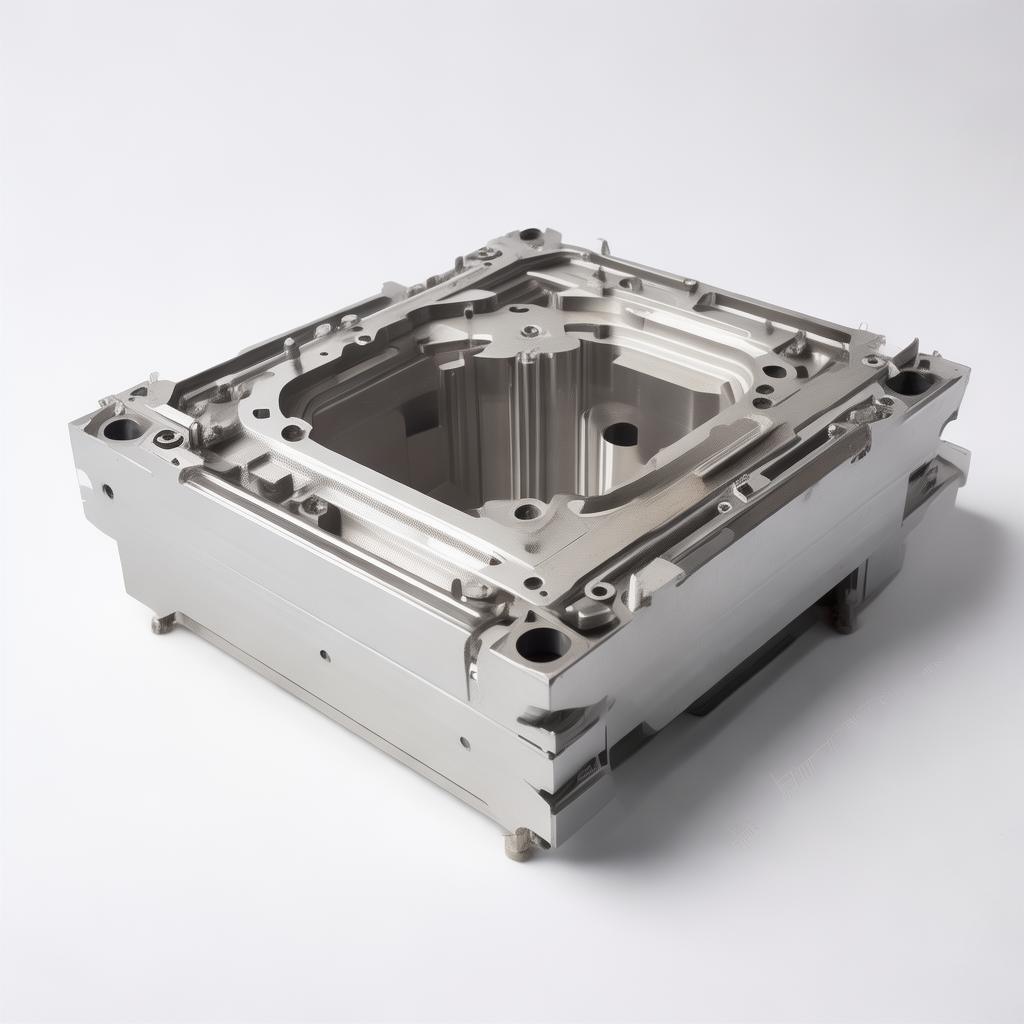
CNC machining prototypes demands mastery of several intertwined technical disciplines. High-precision 3-axis to 5-axis CNC mills cut complex geometries from billets sourced in metals or engineering plastics. Key parameters like spindle speed, feed rate, and cutting fluid optimization directly influence surface integrity and dimensional stability.
Design for manufacturability plays a pivotal role; understanding how corner radius, wall thickness, and tolerance stack-up impact machinability can avoid bottlenecks. Our engineers utilize advanced CAD/CAM software integrated with real-time toolpath simulation to preempt common errors such as tool deflection and chatter, reducing scrap rates.
Typical prototype tolerance standards hover between ±0.01 mm to ±0.05 mm, depending on material and process complexity. Secondary operations like heat treating, deburring, and surface finishing (anodizing, electroplating) are planned in sequence to meet end-use criteria.
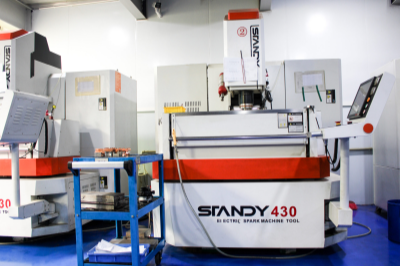
Every step in our CNC prototype service nestles in operational rigor backed by over two decades’ manufacturing expertise. Here’s what sets us apart:
Our modular approach also allows easy scaling from single-piece prototypes to low-volume production runs. This agility proves essential for engineering teams aiming to validate concepts before committing to mass manufacturing tooling.
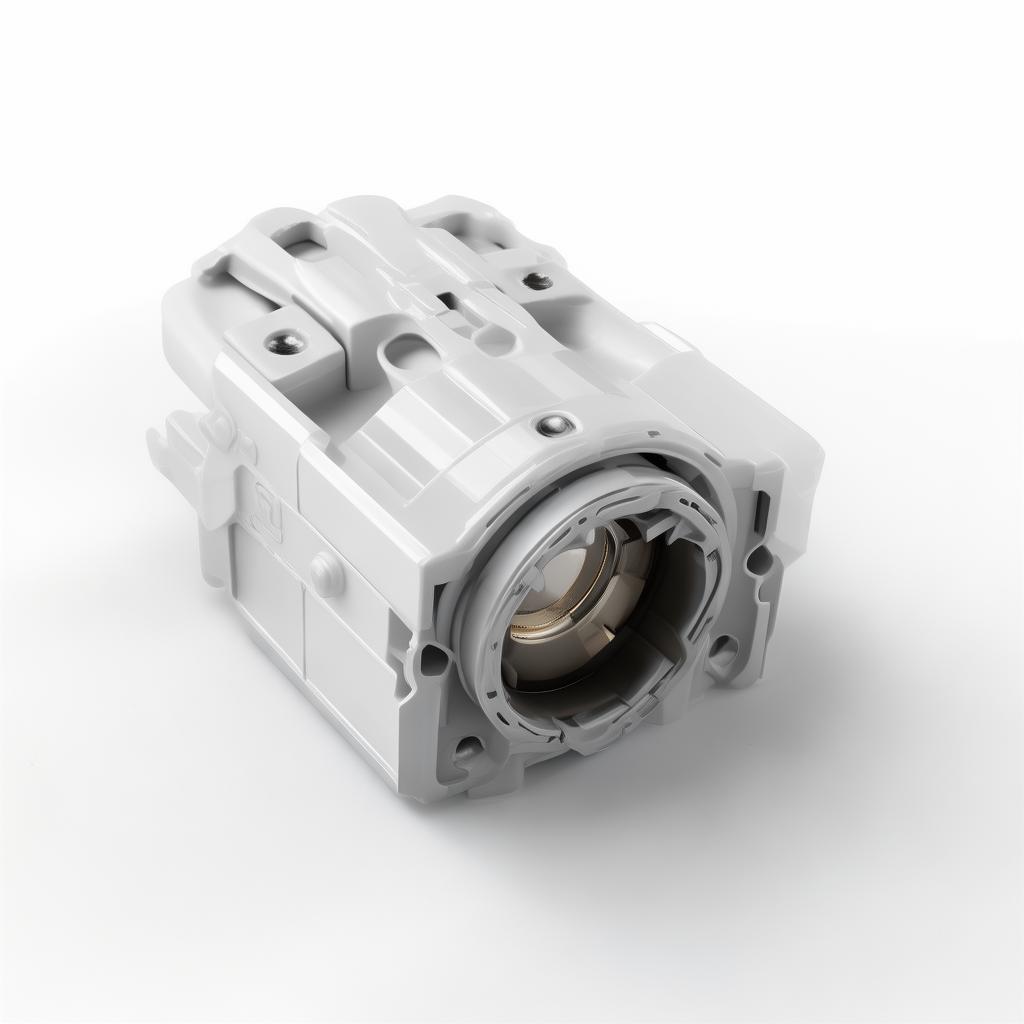
Choosing the right material goes beyond cost—it's about matching mechanical properties, machinability, and lifecycle requirements. The table below offers a high-level comparison to guide your procurement decisions:
| Material | Typical Applications | Machinability | Strength / Durability | Surface Finish |
|---|---|---|---|---|
| Aluminum 6061 | Aerospace, Automotive Prototypes | Excellent | Moderate | Smooth, anodized options |
| Stainless Steel 316L | Medical, Food Equipment | Moderate; requires sharp tooling | High | Polished finishes available |
| PEEK (Plastic) | Electronics, Automotive Insulators | Challenging; specialized cutters needed | High chemical & heat resistance | Matte surface |
| Nylon 6/6 | Wear Components, Mechanical Parts | Good | Good wear resistance | Smooth |
cnc machining rapid prototyping cnc prototype manufacturing cnc prototype manufacturers
Selecting a supplier capable of machining across this spectrum with the correct tooling and quality control ensures your prototype’s fidelity to design and functional reliability.
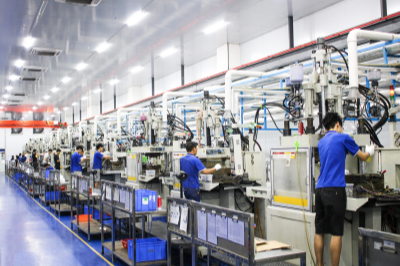
Timely delivery and installation readiness can make or break a project—especially when imported from China to the US or Europe. Our export department handles container loading optimization, customs documentation, and transport insurance tailored to fragile, high-value prototypes.
We recommend early planning discussions regarding packaging specifications, shockproof crating, and just-in-time delivery coordination to align with your project milestones. Prototyping projects often demand expedited shipping options, including air freight and express courier services.
Pro tip: Synchronize prototype receipt with your engineering validation windows to enable iterative development without downtime.
When sourcing CNC prototype services internationally, verify supplier credentials and technical capabilities with care. Many purchasing managers fall into common traps such as insufficient sample evaluation or ignoring tooling lifecycle costs.
Keeping an open, technical dialogue with your supplier boosts transparency and shortens feedback loops—key to successful prototype manufacturing and eventual scaling.
John M., Procurement Manager, Chicago, IL
"Yingtai’s CNC prototype services struck the balance between speed and precision. Their DFM suggestions shaved days off our validation cycle and eliminated costly rework."