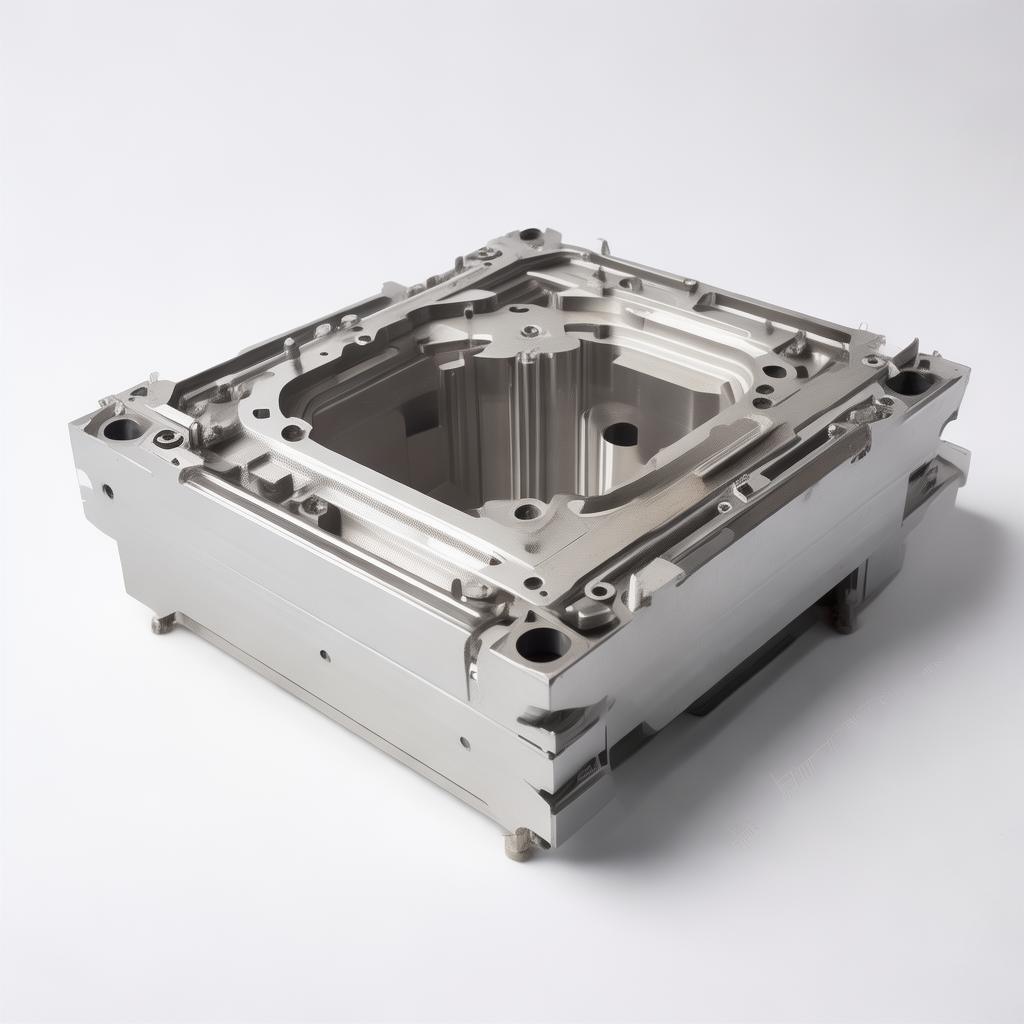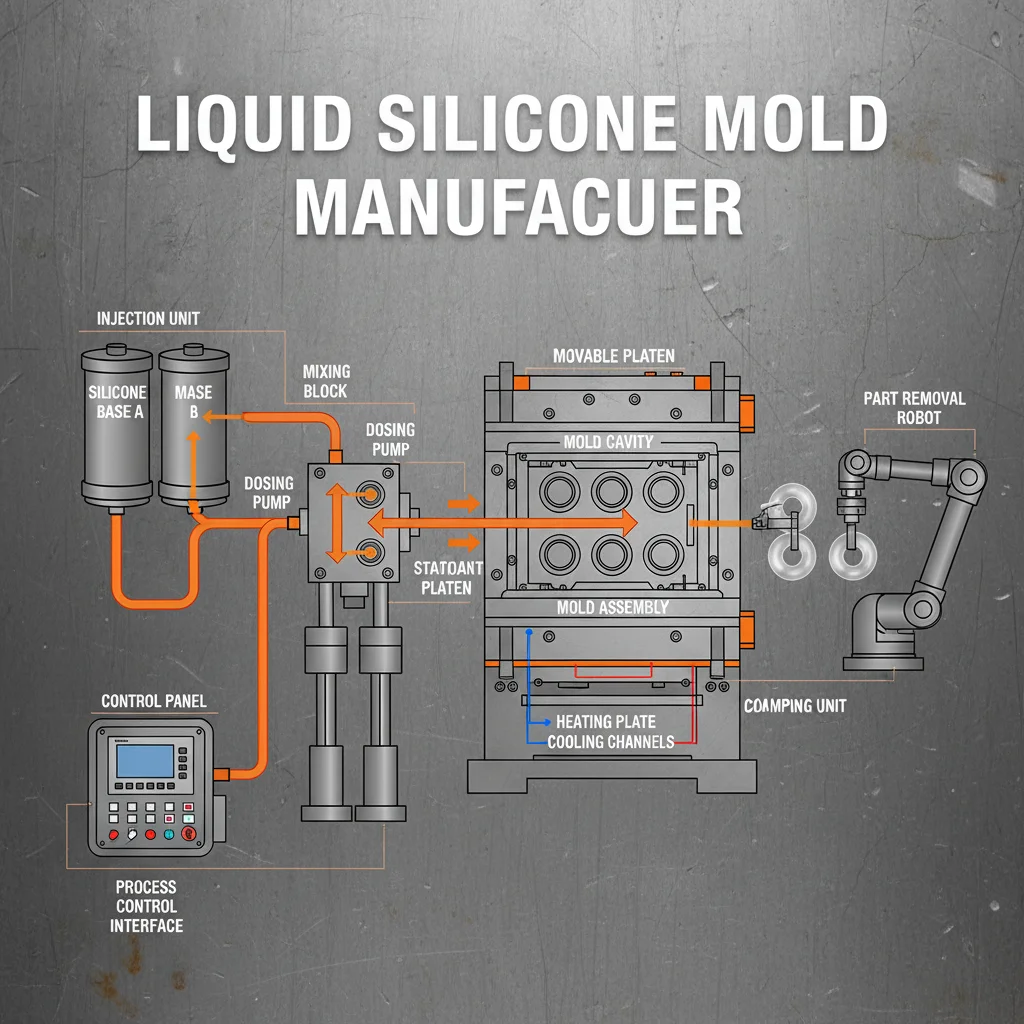


Precision CNC Machining Steel Solutions
High-Performance Steel Components for Demanding Industrial Applications
Industry Pain Points in Steel CNC Machining
As a procurement professional or technical engineer sourcing CNC machining steel parts, you’re facing numerous operational hurdles—tight tolerances, unpredictable lead times, material inconsistencies, and escalating outsourcing risks that can disrupt project schedules and inflate costs.
One of the most frequent procurement pitfalls is the lack of transparency in steel grade selection. Many suppliers fail to differentiate key alloy compositions that influence machinability versus mechanical properties, resulting in parts that may either wear prematurely or cause excessive tool wear. This knowledge gap often leads to unforeseen quality issues, rework, or costly scrap.
Moreover, scaling production while maintaining dimensional stability on complex geometries remains a pressing concern. The thermal expansion of steel during multi-axis machining, combined with tight ISO 2768 tolerances and varied surface finish requirements (Ra 0.4–1.6 µm), demands suppliers with precise CNC programming and real-time error compensation capabilities. Without such expertise, deviations accumulate—causing delays and compromising assembly compatibility.
Cross-border logistics add another layer of complexity. Steel components’ weight and fragility require efficient container loading plans and packaging designed to reduce impact damage and rust during transit. Lack of these considerations often results in unexpected duties, customs holdups, or repair costs post-shipment.
Understanding these pain points upfront is crucial. Choosing a strategic manufacturing partner who balances technical know-how with operational agility can mitigate production risks dramatically.
Technical Overview: CNC Machining Steel
Steel remains the backbone of industrial component manufacturing, prized for its strength, machinability, and versatility across numerous sectors. CNC machining steel demands acute familiarity with metallurgical grades, cutting parameters, and tool wear dynamics.
Common Steel Grades for CNC Machining
- Carbon Steel (e.g., 1018, 1045): Economical and easy to machine for general-purpose applications, but requires adequate surface treatment to prevent corrosion.
- Alloy Steel (e.g., 4140, 4340): Enhanced tensile strength and toughness suitable for heavy-duty parts needing fatigue resistance.
- Stainless Steel (e.g., 304, 316L): Known for corrosion resistance, often used in food processing, medical devices, and marine environments. Requires careful cooling and tooling due to work-hardening tendencies.
- Tool Steel (e.g., D2, A2): High hardness and wear resistance for cutting tools and dies; machining involves slower speeds and specialized tooling.
CNC Machining Processes for Steel
The core machining techniques include:
- Turning: Precision removal by lathe, suited for cylindrical components.
- Milling: Multi-axis material shaping for complex geometries, pockets, and slots.
- Drilling and Tapping: For threaded holes and fastener integration.
- Grinding: To achieve required surface finishes and geometric accuracies when milling alone is insufficient.
Key Technical Parameters
| Parameter | Typical Range | Notes |
|---|---|---|
| Surface Finish (Ra) | 0.2 – 3.2 µm | Dependent on operation: grinding preferred for Ra <0.8 µm |
| Tolerance | ±0.01 – ±0.05 mm | ISO 2768-m & f standards commonly applied |
| Cutting Speed | 30 – 120 m/min | Depends on steel grade, tool material, coolant use |
| Tool Life | 1 to 8 hours (varies) | Lubrication and tool coatings impact significantly |
Key Application Scenarios
Our CNC machined steel parts serve a broad swath of industrial sectors requiring high reliability and performance:
- Automotive & Heavy Machinery: Gears, shafts, brackets, and housings requiring fatigue resistance and dimensional precision.
- Aerospace & Defense: Critical structural components with stringent traceability and finish requirements.
- Oil & Gas: Corrosion-resistant parts exposed to harsh environments, including valves and flanges.
- Industrial Equipment: Customized fixtures, molds, and tooling elements precision-machined to ISO standards.
- Medical Devices: Stainless steel components where biocompatibility and surface quality are paramount.
cnc machining stainless steel cnc machining technology copper cnc machining
Each sector imposes unique demands, pushing suppliers to combine material science, machining precision, and quality control expertise.
Procurement and Buyer Guidance
When sourcing CNC machined steel components from international suppliers, prudent procurement managers emphasize clarity and specificity from the outset.
- Specify Steel Grade Precisely: Use industry-recognized standards (e.g., AISI, ASTM) rather than generic "steel" to avoid unexpected variations in mechanical properties.
- Request Material Certification: Ensure suppliers provide mill test reports confirming chemical and mechanical characteristics per ISO 9001 requirements.
- Discuss Machining Processes & Limits: Clarify whether surface treatments, heat treatments, or secondary operations are needed and verify suppliers’ capabilities.
- Confirm Tolerance & Finish Standards: Confirm compliance with standards like ISO 2768 or ASME Y14.5 GD&T for critical dimensions and finishes.
- Evaluate Lead Times & MOQ: Align delivery expectations with supplier's capacity and production scheduling to avoid downstream delays.
- Assess Packaging & Shipping: Packaging must protect against rust and mechanical damage—ask about anti-corrosion coatings and multi-layer protection for ocean freight.
Pro Tip:
Suppliers with OEM/ODM experience and a vertically integrated factory setup usually offer better control over quality and delivery than trading agents or small workshops. Your buyer’s due diligence can save three to four weeks of troubleshooting during production cycles.
Our Factory Strength & Certifications
Guangdong Yingtai High Precision Technology Co., Ltd. combines 20+ years of manufacturing heritage from Dongguan’s industrial hub with frontline CNC machining technologies tailored for steel components.
Our 35,000 sqm modern facility houses 40+ advanced CNC machine centers, multi-axis lathes, and an in-house quality inspection lab equipped to ISO 9001 and ISO 14001 standards. We handle demanding parts from prototype through mass production with tight quality controls and rigorous testing procedures.
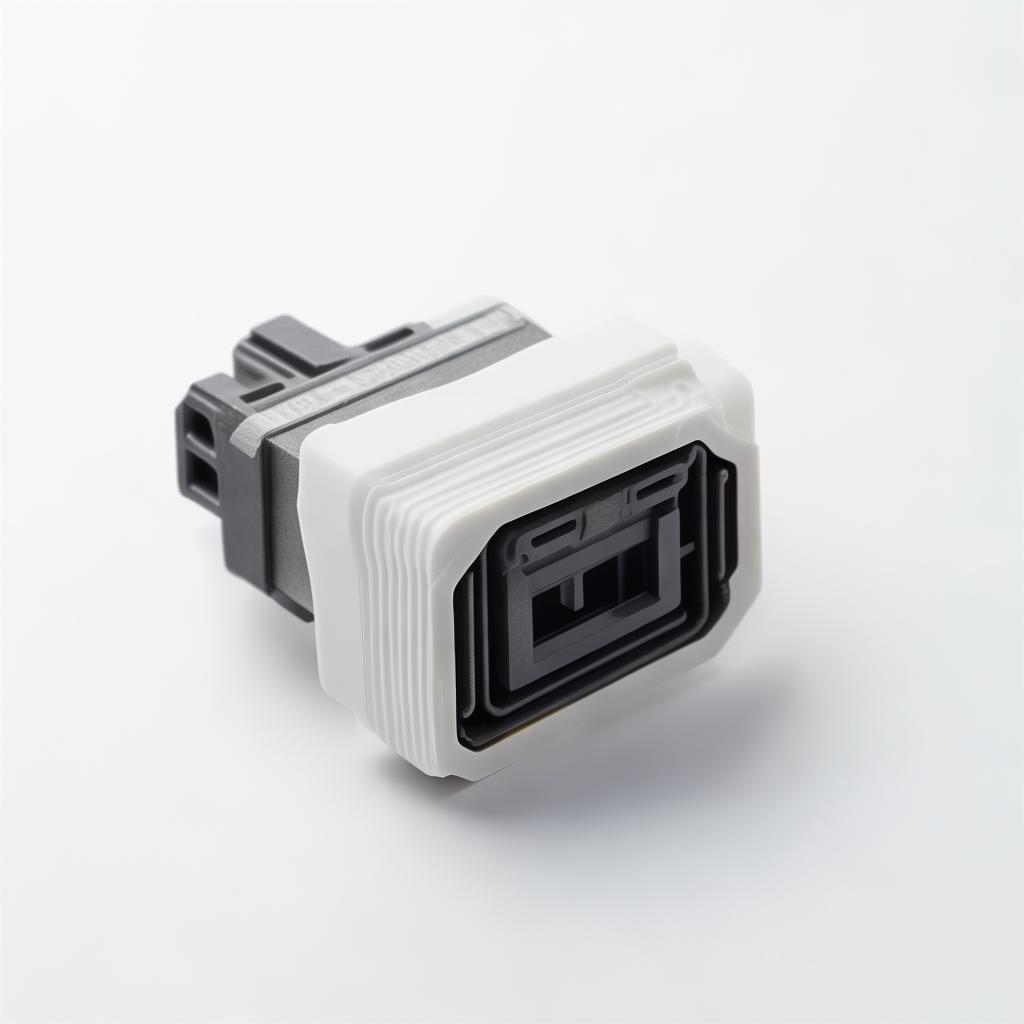
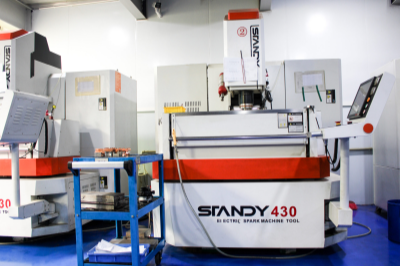
We hold multiple certifications including:
 ISO 9001 Quality Management System
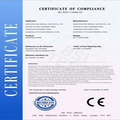 CE Certification for European Market Compliance
 RoHS Environmental Compliance
Our experts collaborate closely through every stage—from CNC programming optimized for steel’s physical properties to post-processing and inspection using CMM systems. Exporting globally, we handle customs documentation and recommend packing optimized for container shipping to minimize damage and expedite port clearance.
Customer Reviews & Testimonials
 David M., Procurement Manager - Chicago, IL
"Yingtai’s precision in turning 4140 alloy steel has been a game changer for our heavy equipment parts. Lead times stayed consistent even through global logistics issues, and their QC team caught issues before shipment—something rare in this industry."
 Angela S., Operations Director - San Diego, CA
"Their knowledge about stainless steel 316L machining tolerances saved us from costly redesigns. The team also helped specify packaging that survived ocean freight with zero corrosion. Highly recommend for high-volume medical components."
 Mark T., Supply Chain Specialist - Austin, TX
"Switching to Yingtai was driven by their factory's integrated mold development and machining lines. The seamless communication from prototype to production helped us meet aggressive project timelines and maintain excellent part consistency throughout."
Frequently Asked Questions
What are the main considerations when choosing steel for CNC machining?
Focus on machinability, mechanical properties, corrosion resistance, and final surface finish requirements. For example, 1018 carbon steel is easy to machine but may need plating, while 316L stainless steel offers excellent corrosion resistance but requires slower cutting speeds and specialized tooling.
How can I ensure dimensional accuracy throughout large production runs?
Choose suppliers with robust CNC programming skills, closed-loop feedback systems on machine tools, and comprehensive quality control processes including CMM inspection. Also, discuss process capability index (Cpk) targets and statistical control plans upfront.
Are there special packaging requirements for steel CNC parts during export?
Yes. To prevent rust, parts are usually coated with rust inhibitors or vacuum-sealed. Shock-absorbing packaging reduces impact damage. Strong crates or metal containers are often necessary for heavy or complex parts to avoid deformation in container loading.
What is the typical lead time for CNC machining steel parts?
Depending on complexity and quantity, lead times typically range from 15 to 45 working days. Prototyping may require less, around 10 to 15 days. Confirm details with your supplier early, especially for large batch or tight tolerance components.
Does Yingtai provide OEM/ODM customization?
Absolutely. We offer full OEM and ODM services, including mold development, rapid prototyping, and customizable steel grade selection tailored to your specific industrial needs.
Ready to Discuss Your CNC Machining Steel Needs?
Connect with our Export Director, Miss Zhang, for expert guidance and tailored manufacturing solutions.
Phone: +86 17722437688 Email: zmm@yingtai168.com
Request Product Specs & Pricing