Customization Of Two Color Plastic Mold Processing
Customization Of Two Color Plastic Mold Processing
Expert insights from Guangdong Yingtai High Precision Technology Co., Ltd. — specializing in dual-color precision molding solutions for advanced B2B manufacturing Two-color plastic molding, also known as bi-injection molding , combines two different polymers
Product Details
Customization of Two-Color Plastic Mold Processing
Expert insights from Guangdong Yingtai High Precision Technology Co., Ltd. — specializing in dual-color precision molding solutions for advanced B2B manufacturing
Understanding the Challenges in Two-Color Plastic Mold Processing
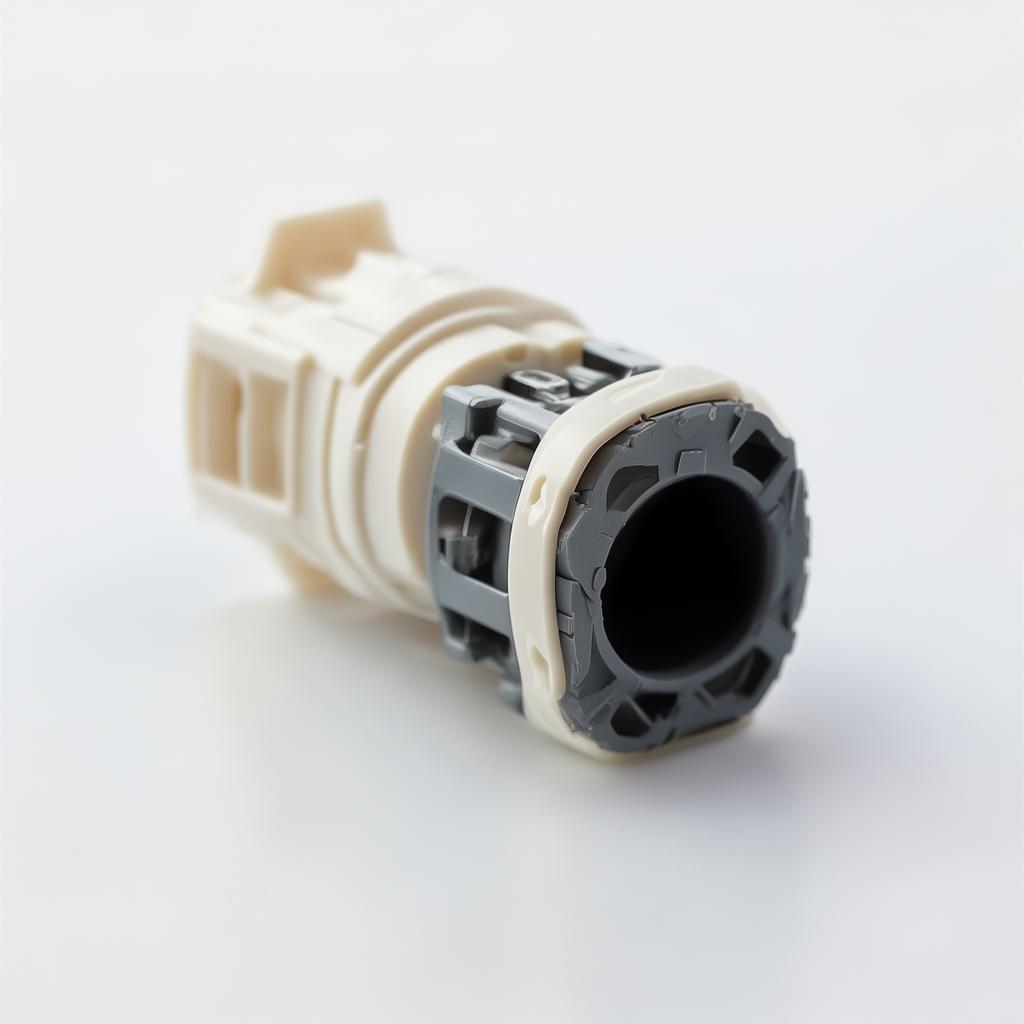
Two-color plastic molding, also known as bi-injection molding, combines two different polymers or colors within a single moulding cycle to create complex components with enhanced functionality and aesthetics. However, this advanced manufacturing process introduces a unique set of challenges that purchasing and production teams routinely face:
Material Compatibility: Choosing polymers with similar thermal expansion and shrinkage characteristics is critical to avoid warpage and weak bonding – an often underestimated issue that leads to costly rejects.
Tooling Complexity: Multi-cavity molds must be precision-engineered with proper venting and gating for each color shot to ensure clean separation without flash or color bleed.
Cycle Time Balance: Synchronizing injection parameters for two different materials without compromising cycle efficiency demands experience and advanced process control.
Surface Quality & Aesthetic Consistency: Many B2B buyers report finishes inconsistent across production runs due to improper mold maintenance or suboptimal mold surface treatment.
Scaling & Lead Times: High-precision two-color molds require elaborate setup. Delays in tooling development and material approvals frequently disrupt project timelines.
Below the surface, procurement managers must navigate difficult trade-offs between cost, quality, and delivery speed. For example: a supplier offering cheaper molds often compromises on precision tooling components, which later leads to assembly headaches or increased defect rates. Conversely, partners promising fast turnaround may rely on less advanced production equipment, resulting in fragile product structures or inconsistent gloss levels. These operational pitfalls translate into higher downstream expenses and erode supplier trust quickly.
In today’s cross-border procurement landscape, ensuring compliance with ISO 9001 and custom standards like UL certifications or REACH regulations adds further complexity. Often overlooked supplier audits or insufficient material traceability compound risks.
Technical Deep Dive: How Two-Color Plastic Mold Processing Works
The dual injection process utilizes multi-shot molding machines that inject two polymers sequentially or simultaneously into a single cavity. Commonly used materials include ABS, PC, PP, and PPO blends. Key technical considerations for customization include:
Material Selection & Compatibility: Choosing thermoplastics with complementary melt temperatures and shrinkage profiles.
Mold Tool Design: Incorporating precise slide cores, lifters, and demolding mechanisms to maintain dimensional accuracy for both colors.
Process Parameter Optimization: Adjusting injection pressures, melt temperatures, and cooling times for each shot to minimize thermal stresses and ensure strong interfacial bonding.
Surface Finishing Techniques: Employing microtexture patterns, matte/glossy finishes, or laser etching to enhance functional aesthetics.
Quality Control & Testing: Advanced inline measurement tools detect flash, color offset, and dimensional deviations in real time.
Table: Typical Technical Specification Ranges
Specification
Parameter Range
Operational Notes
Injection Pressure
50 – 150 MPa
Depends on polymer viscosity; higher pressures may cause flash.
Melt Temperature
180 – 280 °C
Optimized per material; overheating leads to thermal degradation.
Cycle Time
20 – 60 seconds
Varies with product thickness and cooling strategy.
Cavity Count
1 – 16
More cavities increase volume but demand precise mold balance.
Partnering with a specialized OEM for two-color plastic molds translates into tangible operational benefits:
Enhanced Product Differentiation: Custom coloring and texturing offer distinct aesthetics and branding opportunities, critical in competitive consumer electronics or automotive interior parts.
Material Efficiency: Targeted placement of rigid vs. soft-touch materials via multi-material injection optimizes functionality while minimizing raw material waste.
Improved Mechanical Performance: Strong interfaces reduce the risk of delamination, wear, or stress fractures, extending product lifespan.
Reduced Assembly Costs: Integrating multiple components into one molded part eliminates secondary assembly steps, expediting time-to-market.
Compliance & Reliability: Meeting ISO 9001, UL 94 (flame retardancy), and RoHS standards ensures suitability for regulated industries such as medical devices and automotive.
Operational Tip: When customizing molds, a robust DFM (Design for Manufacturability) review will uncover potential issues before tooling production, saving weeks of costly revisions.
Procurement Strategies for Optimal Two-Color Mold Vendors
Selecting the right manufacturing partner isn’t merely about the lowest unit price. Procurement managers must weigh multiple factors for sustainable partnerships:
Technical Expertise: Verify vendor experience with dual-shot molding, especially for your target materials and product complexity.
Quality Certifications: Confirm adherence to ISO 9001 and relevant industry standards like RoHS or UL certification.
Production Capacity: Review mold equipment portfolio – multi-cavity molds and multi-material injection machines indicate advanced manufacturing capabilities.
Sample & Prototype Availability: Request trial runs or engineering samples to validate mold performance and color separation.
Communication & Support: Suppliers with dedicated engineering support teams and transparent project management reduce misunderstandings and shorten lead times.
Supply Chain Transparency: Audit component and raw material traceability to support compliance needs and manage risks in volatile market conditions.
Note for Buyers: Overlooking mold maintenance schedules or skipping thorough mold validation during initial sampling often results in inconsistent parts, surging warranty claims, or expensive retooling.
Spotlight on Guangdong Yingtai High Precision Technology Co., Ltd.
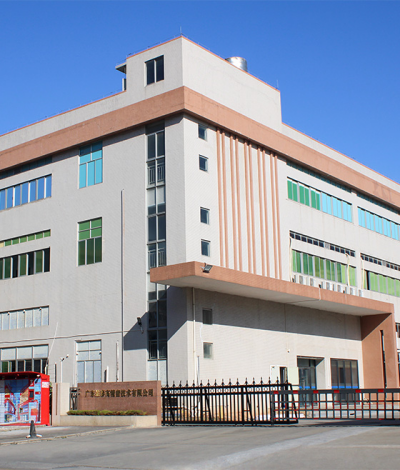
Yingtai’s Modern Industrial Park in Dongguan
As a market leader based in China’s manufacturing hub, Yingtai has accrued over 20 years of specialized expertise in two-color plastic mold processing. Their expansive 35,000 square meter facility features more than 80 automatic injection molding machines and 30 high-precision mold-making equipment units, enabling turnkey solutions from prototype to high-volume run.
Their vertical integration supports full-cycle manufacturing: custom tooling design, multi-material injection molding, quality assurance, and logistics handling — backed by a professional team of 500+ highly skilled technicians. Exporting worldwide, Yingtai’s clients benefit from:
ISO 9001 quality system adherence to maintain process consistency.
Rapid tooling turnaround supported by advanced CNC machining & EDM.
Established shipping logistics optimized for bulk container loading and international compliance.
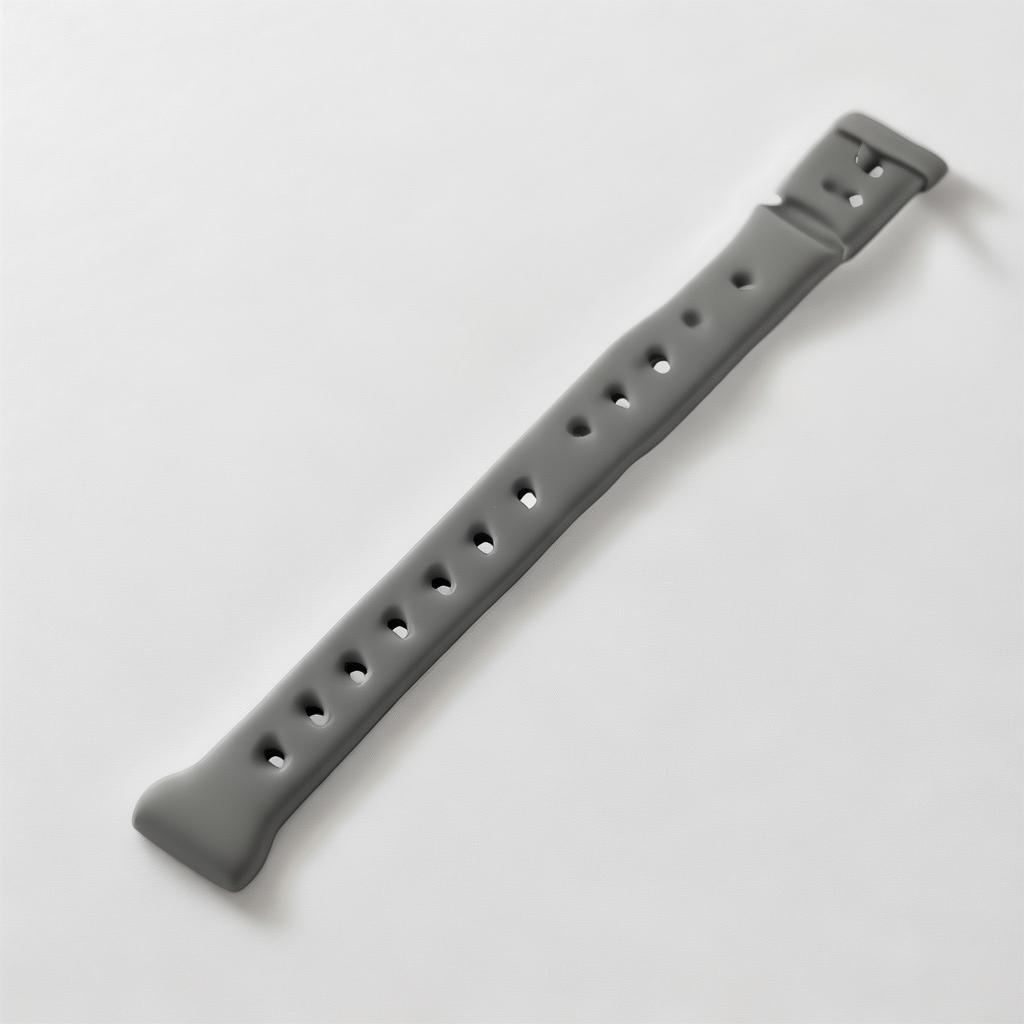
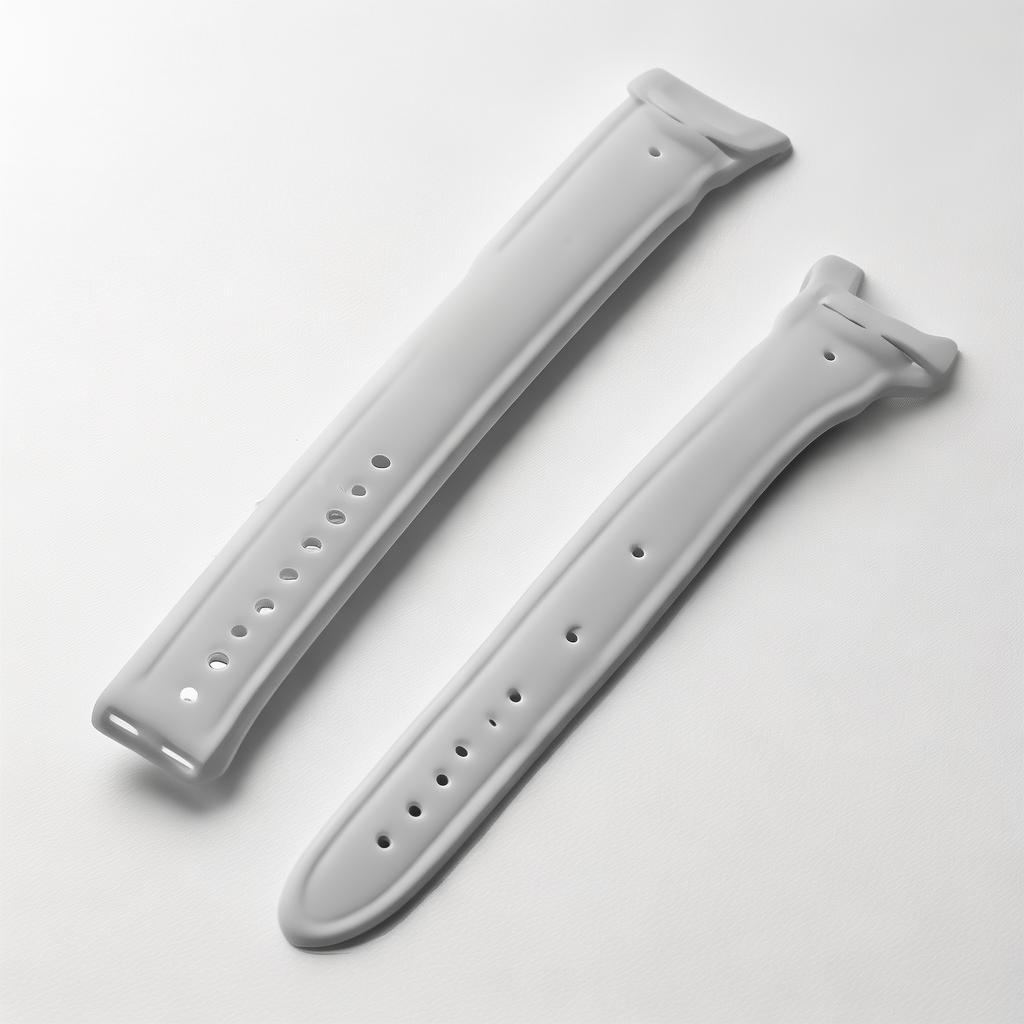
OEM/ODM custom mold services tailored to diverse industries — from smart wearable electronics to automotive sealing parts.
Their commitment to combining industry-best practices with emerging technologies aligns with market trends favoring precision, durability, and aesthetic excellence in two-color injection molded parts.
Frequently Asked Questions (FAQs) About Two-Color Plastic Mold Processing
Q1: What materials are best for two-color molding?
Polymers with compatible melt temperatures and shrinkage coefficients work best. Common pairs include ABS/PC or TPE/PP blends. Selection depends on mechanical and aesthetic requirements.
Q2: How long does tooling development typically take?
Usually 6 to 12 weeks depending on mold complexity and cavity count. Early-stage design for manufacturability reviews can shorten this by identifying risks upfront.
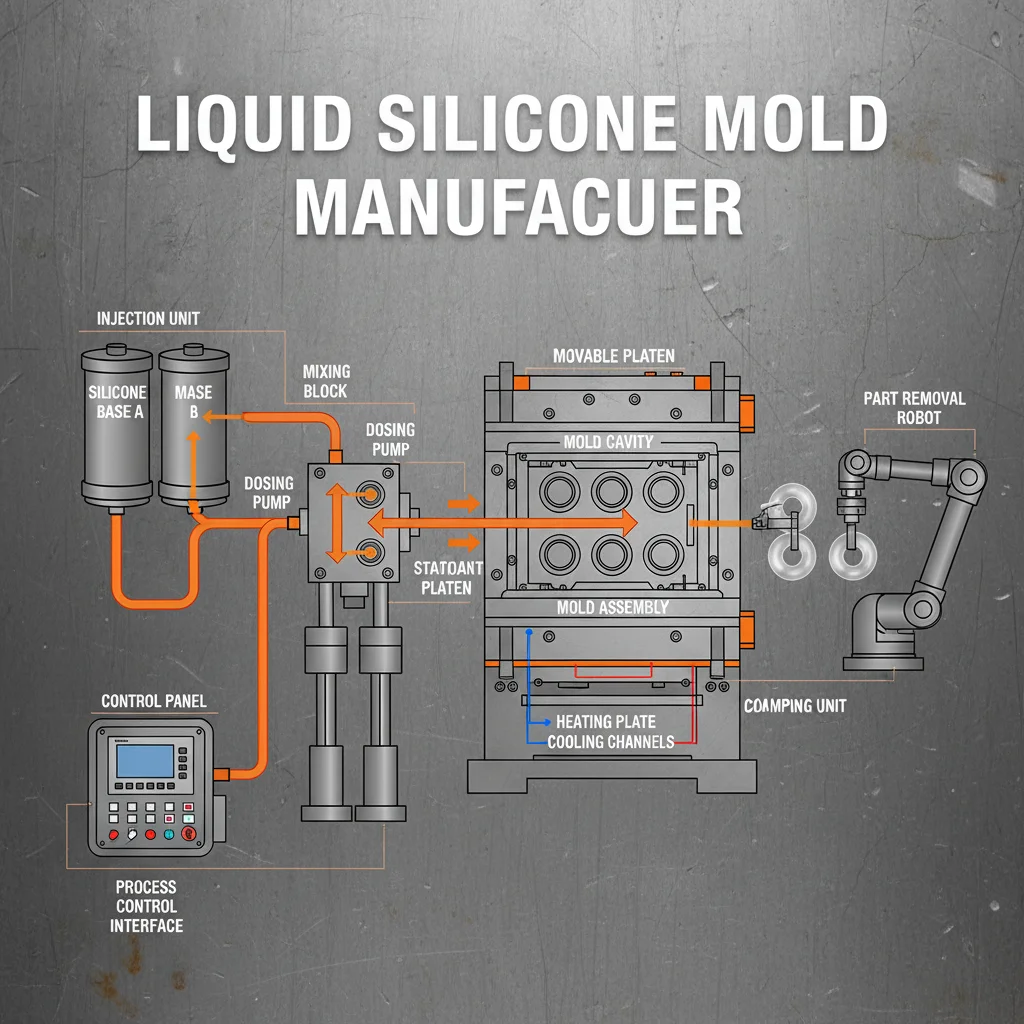
Q3: Can two-color molds accommodate overmolding with liquid silicone?
Yes, but it requires specialized tooling and process control to ensure strong adhesion and dimensional stability. Yingtai’s facility includes expertise in LSR overmolding integrated with plastic injections, ideal for medical-grade or soft-touch parts.
Q4: What inspection methods ensure consistent quality?
Inline vision systems, dimensional gauge sampling, and color spectrophotometers help detect color deviations, flash defects, and dimensional errors early in production.
Q5: How can I reduce lead time when ordering custom two-color molds?
Provide complete 3D CAD files, detailed technical specifications, and preferably collaborate through DFM consultations before mold construction. Choosing a vendor with extensive tooling machinery also accelerates fabrication.
Voices From Our Clients
Michael D., Procurement Manager (Automotive)
“Working with Yingtai for customized two-color automotive trims was a game-changer. Their detailed process control ensured color stability and dimensional accuracy – something most vendors struggle with. Supply chain communication was transparent, and lead times met projected schedules almost exactly.”
Get in Touch
If you have any camping barbeque equipment inquiry, please feel free to contact us.