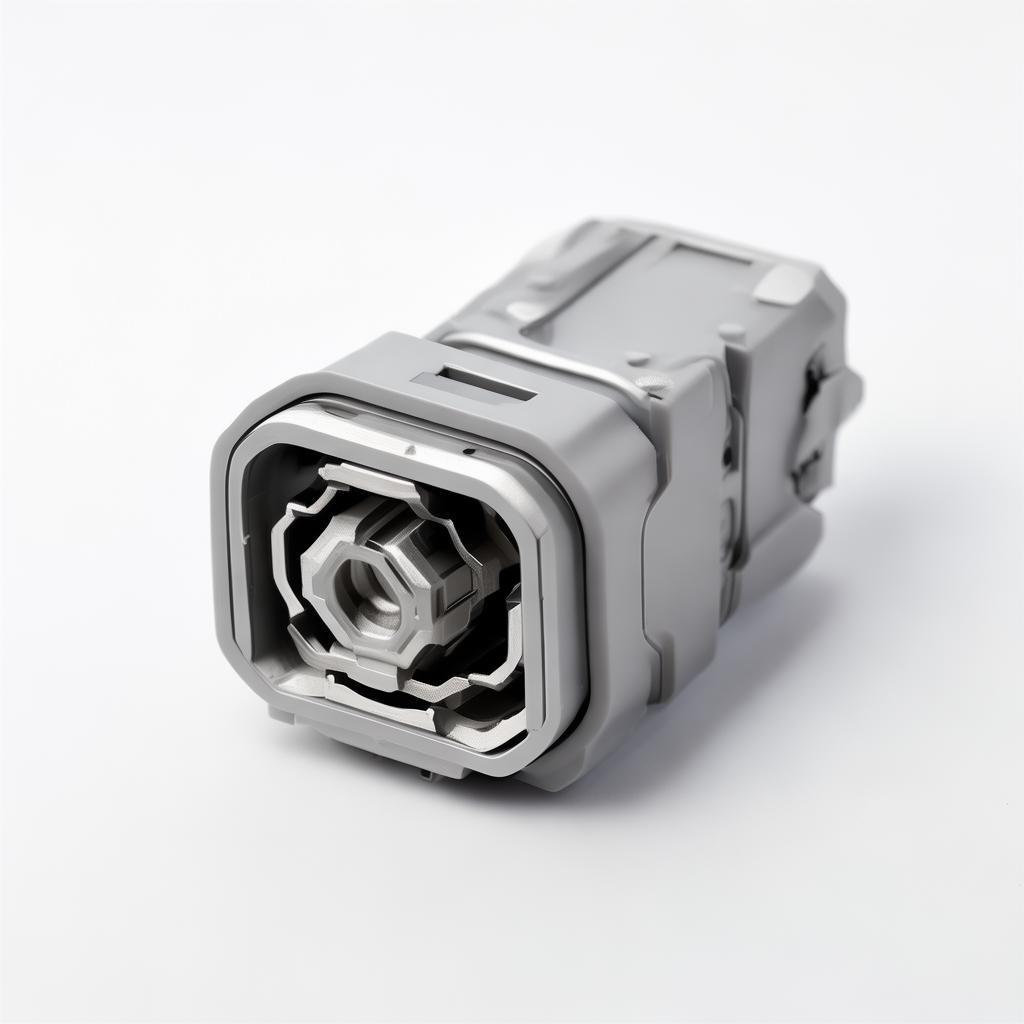
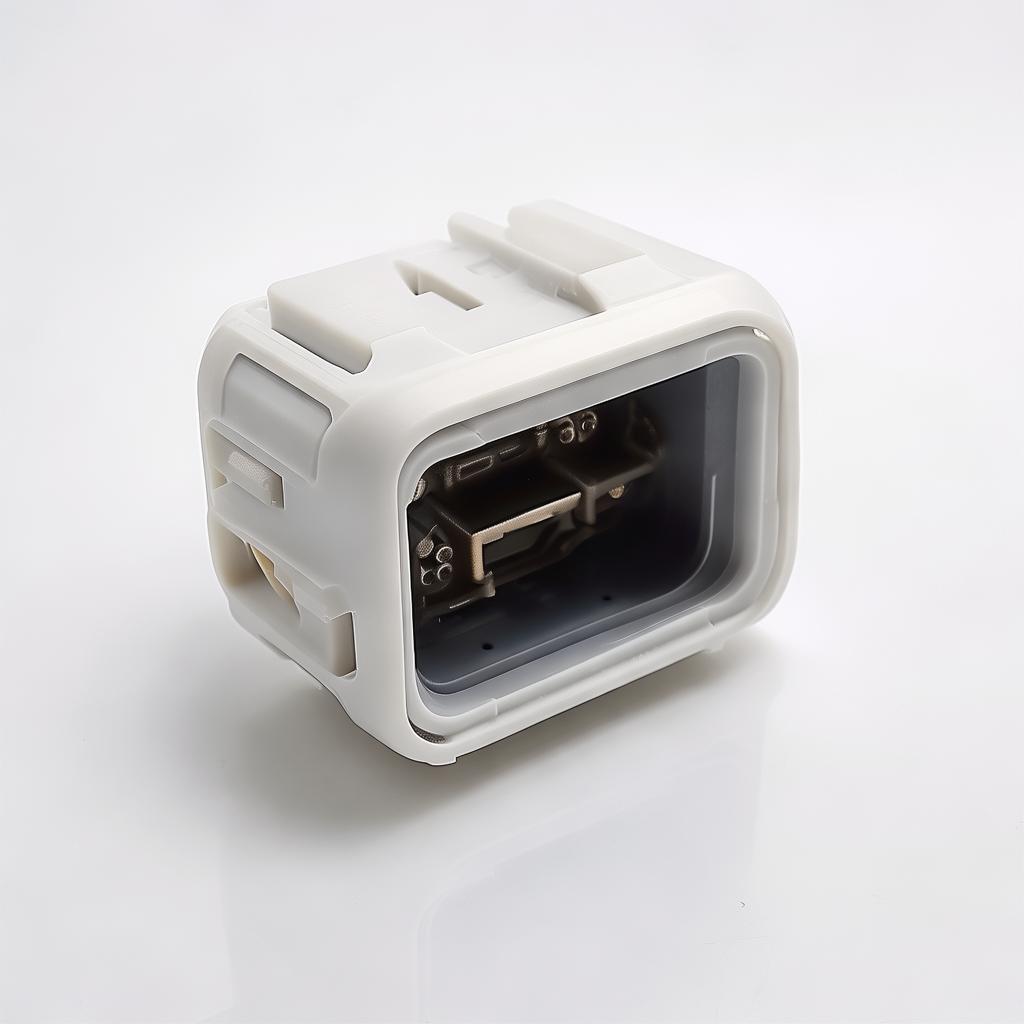
Customized Injection Molding And Encapsulation Mold Factory
Customized Injection Molding And Encapsulation Mold Factory
Specializing in high-performance silicone and plastic injection molding solutions tailored for demanding industrial applications. Navigating the complexities of industrial manufacturing and procurement today demands partners who truly grasp the nuances of customized injection molding
Product Details
Customized Injection Molding and Encapsulation Mold Factory – Precision Manufacturing You Can Trust
Specializing in high-performance silicone and plastic injection molding solutions tailored for demanding industrial applications.
Introduction: Why Customized Injection Molding and Encapsulation Mold Factories Matter
Navigating the complexities of industrial manufacturing and procurement today demands partners who truly grasp the nuances of customized injection molding and encapsulation molds. For industries ranging from automotive and consumer electronics to medical devices and wearables, the push for high-precision, durable, and custom-fit components continues to intensify.
Many purchasing managers and engineering leads face a familiar challenge: sourcing molds and components that balance cost, quality, and reliability without sacrificing flexibility in design. Liquid Silicone Rubber (LSR) injection molding has emerged as a key technology in this sphere because of its biocompatibility, thermal stability, and ability to achieve complex geometries with tight tolerances. Still, these technical benefits come with their own set of manufacturing and supply chain intricacies.
Guangdong Yingtai High Precision Technology Co., Ltd. sits at the nexus of these demands. Rooted firmly in Dongguan’s advanced industrial hub, Yingtai leverages over 20 years of experience and robust technical infrastructure with 55 liquid silicone molding machines and 80 automatic plastic injection molding setups to deliver exacting OEM/ODM solutions at scale. Across its 35,000 square meters of modern facilities, the company maintains full control of the production chain — from precise mold development to finished product manufacturing systems that meet ISO and CE standards.
The factory’s expertise extends beyond basic molding to encapsulation molds that protect sensitive electronics and components, ensuring environmental resistance and mechanical stability critical for new energy vehicles, smart wearables, and industrial appliances. These encapsulated solutions minimize failures caused by moisture ingress, thermal cycling, and mechanical stress — frequent operational headache points in harsh environments.
Understanding the interplay between material science, mold design, and production workflow is crucial. For example, references such as the Global Liquid Silicone Rubber Market Report highlight a steady market growth driven by LSR’s unique properties, projecting the market from USD 2.81 billion in 2023 to nearly USD 5 billion by 2030. This complements the growing demand in sectors requiring medical-grade and automotive silicone parts, underscoring the importance of selecting the right manufacturing partner.
This article fuses industry insights, technical understanding, and procurement wisdom to help decision-makers identify suitable custom injection molding and encapsulation mold providers without falling into common pitfalls such as underestimating lead time, misunderstanding material properties, or overlooking regulatory compliance.
Common Industry Pain Points in Customized Injection Molding
Material Compatibility & Curing Challenges: Selection of LSR grades and plastics significantly impacts molding cycle times and final product durability. Improper curing can lead to dimensional instability.
Tooling Costs & Lead Times: High precision molds, especially for multi-shot or encapsulation molds, incur significant upfront investment. Lengthy lead times affect project schedules.
Complexity in Overmolding Processes: Integration of silicone encapsulation with rigid plastics or electronics requires controlled adhesion and interface reliability.
Quality Control & Defect Rates: Flash, warpage, air entrapment, and incomplete fills remain prevalent issues if molds and processes aren’t expertly optimized.
Regulatory Compliance: Medical and food-grade applications require strict certifications like ISO 13485 and FDA approval, which not every supplier can deliver.
Supply Chain & Logistics Constraints: Managing container loading, packaging for delicate electronics, and ensuring just-in-time delivery pose operational risks.
Technical Deep Dive: Injection Molding & Encapsulation Technologies
Injection molding of liquid silicone rubber (LSR) and encapsulation molds involves a sophisticated balance of chemistry, thermo-mechanical processing, and precision tool engineering. Each step influences the end product’s performance and longevity.
1. Material Characteristics & Processing
LSR is a two-component system that cures rapidly in heated molds. Rheological properties, such as viscosity and thermal conductivity, dictate how the material flows and fills intricate mold cavities. As detailed in the MDPI study, the fidelity of injection molding simulations depends heavily on accurate material characterization — pointing to the importance of high-quality material data to reduce cycle time variability and defects.
2. Mold Design and Tooling Precision
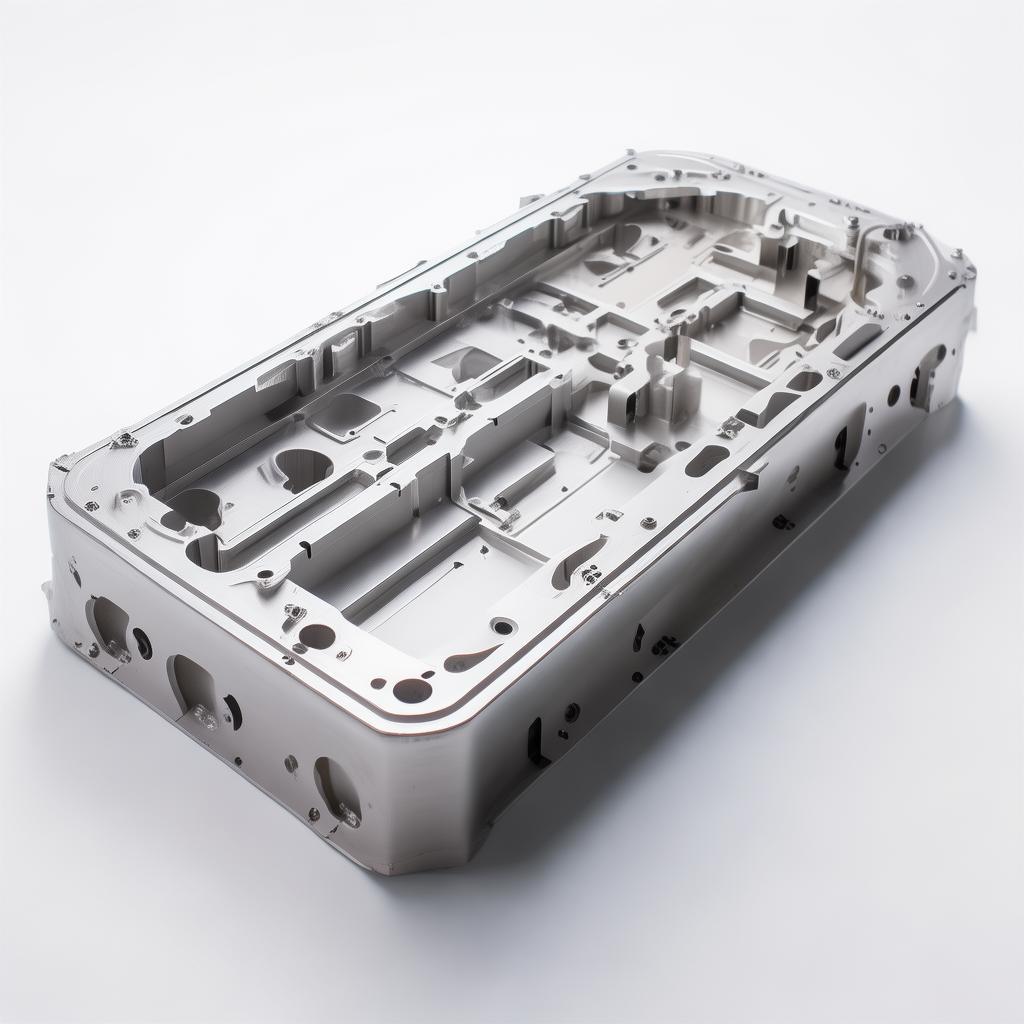
Specialized molds for LSR and encapsulation applications often include advanced venting, multi-shot molding capabilities, and corrosion-resistant coatings. Yingtai’s integration of over 30 precision mold processing devices facilitates rapid tooling development with minimal tolerance deviation.
Industry leaders emphasize that correct venting prevents flash and air bubbles, as shown by research from Fraunhofer (Fraunhofer Publica), where process improvements reduced silicone waste and enhanced cavity sealing simultaneously.
3. Encapsulation Mold Specifics
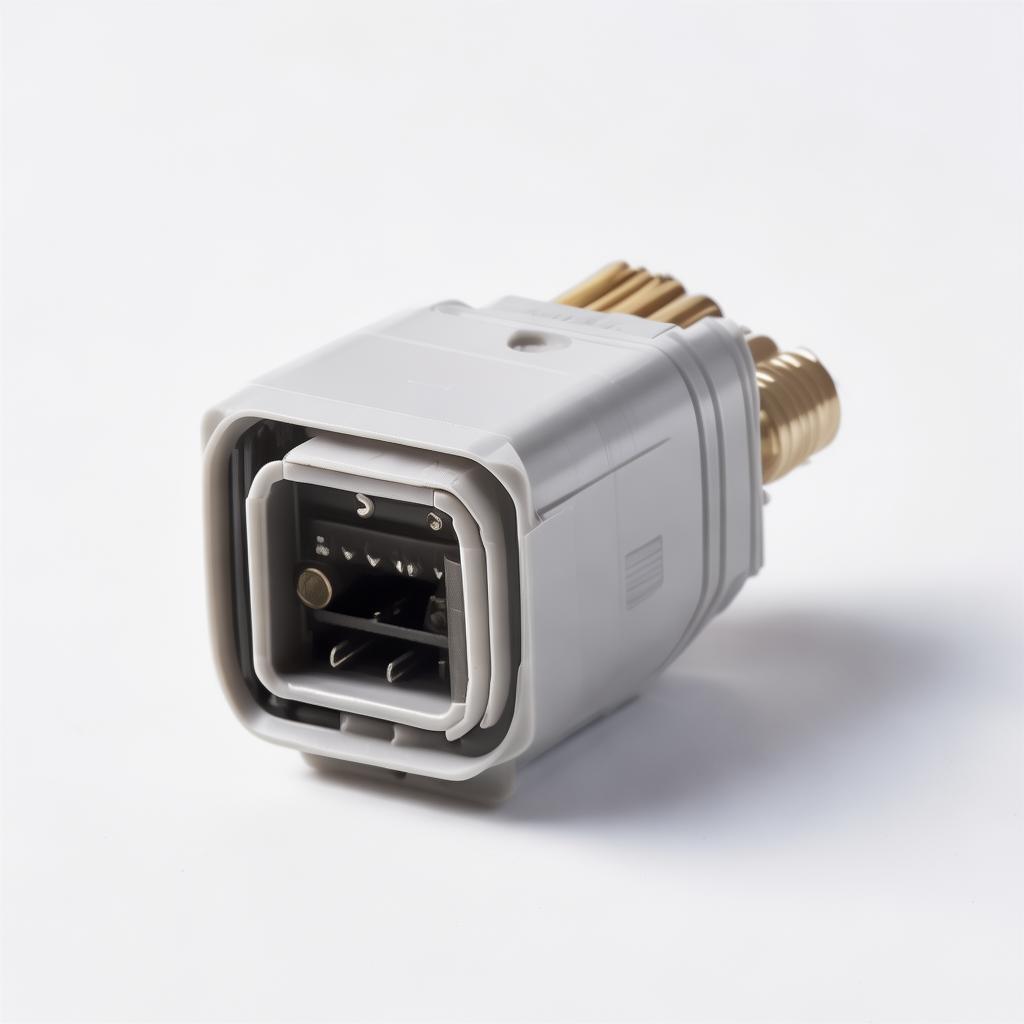
Encapsulation molds protect sensitive electronics through a silicone or plastic overmolding that imparts environmental resistance without compromising electrical performance. Factors such as mold temperature control, material adhesion, and demolding forces must be optimized to prevent stress cracks or delamination during service.
Multi-component injection molding, such as LSR combined with ABS for medical devices, is an evolving industry trend backed by recent studies from MDPI Polymers. The interface adhesion between different materials is critical and is influenced by surface activation and temperature profiles.
4. Quality Management and Automation
Leading factories deploy AI-driven process controls to reduce defects and increase repeatability, as highlighted in research on explainable AI for injection molding processes (arXiv). Real-time monitoring aligns process parameters with optimal quality windows, minimizing scrap and rework.
Material Comparison & Industry Certifications
Material
Key Attributes
Common Applications
Certifications
Liquid Silicone Rubber (LSR)
High temperature resistance, biocompatible, flexible, chemical stability, excellent sealability
Medical devices, automotive seals, consumer electronics, encapsulation
ISO 10993, FDA, RoHS, CE
Thermoplastic Elastomers (TPE)
Reusable by melting, elastomeric, cost-effective, moderate temperature resistance
Overmolding grips, gaskets, automotive trim
UL, REACH
Polypropylene (PP)
Lightweight, chemical resistant, good tensile strength
Note: Selecting materials involves a trade-off among mechanical properties, regulatory requirements, and cost constraints. Liquid Silicone Rubber remains the gold standard for applications requiring heat resistance, biocompatibility, and elasticity. Our factory holds certifications including ISO 9001, CE, and FDA approval for medical-grade production ensuring product compliance and safety.
Factory Strength & Capabilities at Guangdong Yingtai High Precision Technology Co., Ltd.
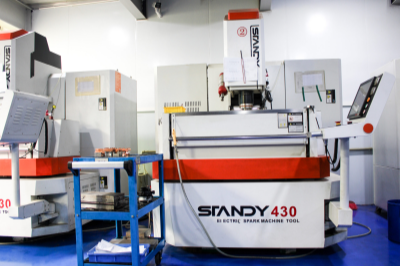
State-of-the-art injection molding machines at our Dongguan facility.
Industrial Scale Production: Over 55 liquid silicone molding machines, 80 plastic injection molding units, and 20 solid silicone hydraulic presses enable mass production with scalable cycle times.
Mold Development Expertise: Equipped with more than 30 precision mold processing devices facilitating rapid tooling for multi-material and encapsulated solutions.
Advanced Testing and Quality Control: Utilizes 20+ advanced testing instruments covering dimensional verification, mechanical property measurement, and environmental stress testing.
Full Industry Chain Manufacturing: From R&D and tooling to molding and packaging — integrated systems reduce lead time and improve logistical oversight.
Experienced Workforce: Over 500 skilled staff including engineers, quality inspectors, and operators focused on complex parts for automotive, medical, consumer electronics, and industrial sectors.
OEM/ODM Capabilities: Comprehensive customization options supporting complex geometries and multi-component overmolded parts with iterative engineering support.
The continuous investment in equipment and human resources positions Yingtai as a benchmark for precision molding and encapsulation manufacturing worldwide.
Procurement Considerations: What Buyers Need To Know
Purchasing specialized injection molding services involves critical evaluation beyond price alone. Here are practical pointers from industry procurement consultants and manufacturing specialists:
Assess Mold Design Experience: Request details on tooling precision, cavity balancing techniques, and previous multi-shot mold projects to gauge expertise.
Request Material Datasheets & Compliance Certificates: Verify compatibility with your product’s regulatory environment and durability requirements.
Check Lead Times & Capacity: Evaluate production schedule feasibility, especially when working with complex encapsulated designs.
Factory Visit / Virtual Tour: Whenever possible, direct inspection or virtual walkthroughs provide insight into production environment hygiene, equipment modernization, and operational discipline.
Clarify Post-Production Support: Discuss warranty terms, scrap rates allowance, and availability of technical consultation during production scaling.
Logistics & Packaging: Confirm container loading strategies and packaging solutions suitable for delicate electronic encapsulation to prevent in-transit damage.
Tip: Suppliers like Guangdong Yingtai provide transparent communication and technical collaboration options, enabling iterative design refinement and risk mitigation. An informed procurement decision can significantly reduce expensive rework and supply disruptions.
Buyer FAQs
Q1: What are typical lead times for custom LSR injection molds and encapsulation tooling?
Generally, mold design and tooling take between 6 to 12 weeks depending on complexity. Actual molding cycles range from seconds to minutes, with bulk production lead times varying further based on order volume.
Q2: How do I ensure my encapsulated electronics won't degrade under harsh conditions?
Material selection is paramount. LSR provides excellent thermal and moisture resistance. Our factory supports rigorous environmental testing including salt spray, thermal cycling, and UV exposure to validate designs.
Q3: Can you handle multi-material injection molding (e.g., LSR with ABS) for medical devices?
Yes. We have extensive experience with hybrid molding. Our process engineers optimize thermal profiles and surface treatments to ensure strong adhesion and product robustness compliant with relevant standards.
Q4: What certifications can you provide?
Our facility carries ISO 9001, CE certification, and FDA registration. Custom certifications can be requested depending on project needs.
Q5: How is shipment handled for delicate encapsulated parts?
We use precision packaging, anti-static materials, and shock-absorbent containers optimized for container loading to protect the product during transit, especially for overseas shipments.
Customer Testimonials
John Miller, Procurement Director – MedTech Corp, USA
"Yingtai’s precision in LSR injection molding helped us reduce post-assembly failures by nearly half the typical rate we experienced with prior suppliers. Their communication on tooling modifications was timely and practical." – Verified Purchase
Get in Touch
If you have any camping barbeque equipment inquiry, please feel free to contact us.



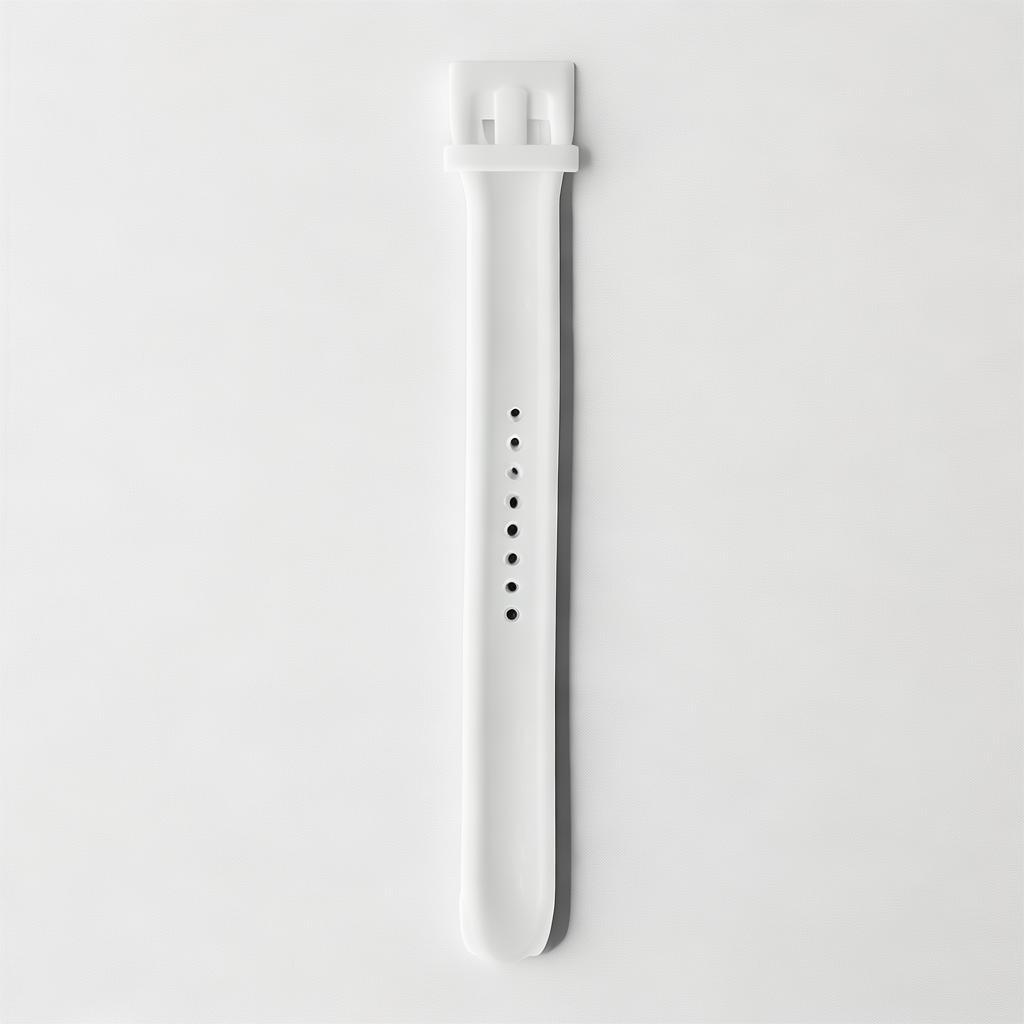
 ISO 9001,
  CE, and
  FDA approval for medical-grade production ensuring product compliance and safety.