Customized Lsr Silicone Rubber Parts
Your trusted partner for advanced liquid silicone rubber solutions tailored for demanding industrial applications Liquid Silicone Rubber (LSR) has swiftly become the material of choice for custom industrial parts due to its unmatched combination

Product Details

Customized LSR Silicone Rubber Parts: Precision Meets Performance

Your trusted partner for advanced liquid silicone rubber solutions tailored for demanding industrial applications

Industry Context & Market Dynamics

Liquid Silicone Rubber (LSR) has swiftly become the material of choice for custom industrial parts due to its unmatched combination of flexibility, temperature resistance, and biocompatibility. Market research reports forecast robust growth — the global LSR market is expected to nearly double, reaching close to $5 billion by 2030 with steady annual increases driven largely by high-volume molding in automotive, medical, and electronic sectors.

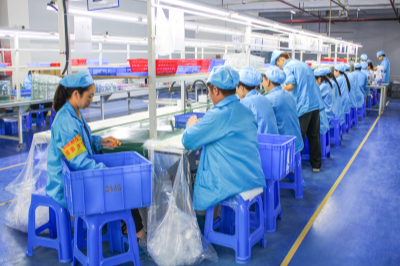
What sets LSR apart is its suitability for intricate, precision injection molding processes that produce consistent high-performance parts at scale. Guangdong Yingtai High Precision Technology Co., Ltd, founded over two decades ago in Dongguan, China, supports this thriving industry with industrial-scale expertise. Operating a modern 35,000㎡ facility equipped with over 150 molding and precision processing machines, Yingtai exemplifies the fusion of scale, quality control, and R&D investment the market demands.

As international trade ramps up, U.S. procurement managers increasingly look for partners who deliver not just parts, but reliable supply chains, process transparency, and technical consultation for inject-molded LSR parts. This aligns with the procurement mindset focused on reducing risk, sourcing material-ready designs, and ensuring compliance with strict ISO and FDA standards.

Operational Challenges in LSR Custom Parts Manufacturing

From hands-on experience at Yingtai and detailed industry discussions, several recurring challenges emerge when crafting custom LSR silicone parts:

  • Material Characterization: Inaccurate rheological data hinders molding simulations, resulting in foreseeable defects like warpage or improper curing. Our engineers rely on precisely characterized datasets per MDPI research to optimize cycle times and process repeatability.
  • Mold Design Complexity: LSR tooling is unique — requiring advanced sealing and venting designs to minimize flash and waste (Fraunhofer analysis). Improper mold engineering translates into higher scrap and longer lead times.
  • Integration With Multi-Component Technologies: Combining LSR with thermoplastics (such as ABS) demands strict thermal and surface activation controls to ensure bond integrity (MDPI polymers 2023). This is essential for wearable, medical, or automotive products requiring complex material profiles.
  • Supply Chain & Lead Time: Overseas fabrication introduces risks of delivery delays and container loading inefficiencies. Monitoring production status continuously and aligning stocking plans mitigate unforeseen shortages.

Operational caution: Choosing suppliers without proven LSR tooling capabilities or ignoring rheological input leads to redesign cycles and increased procurement cost. As one of the largest LSR providers in Dongguan, Yingtai offers both scale and technical depth to pre-empt these common pitfalls.

Technical Overview of LSR & Injection Molding

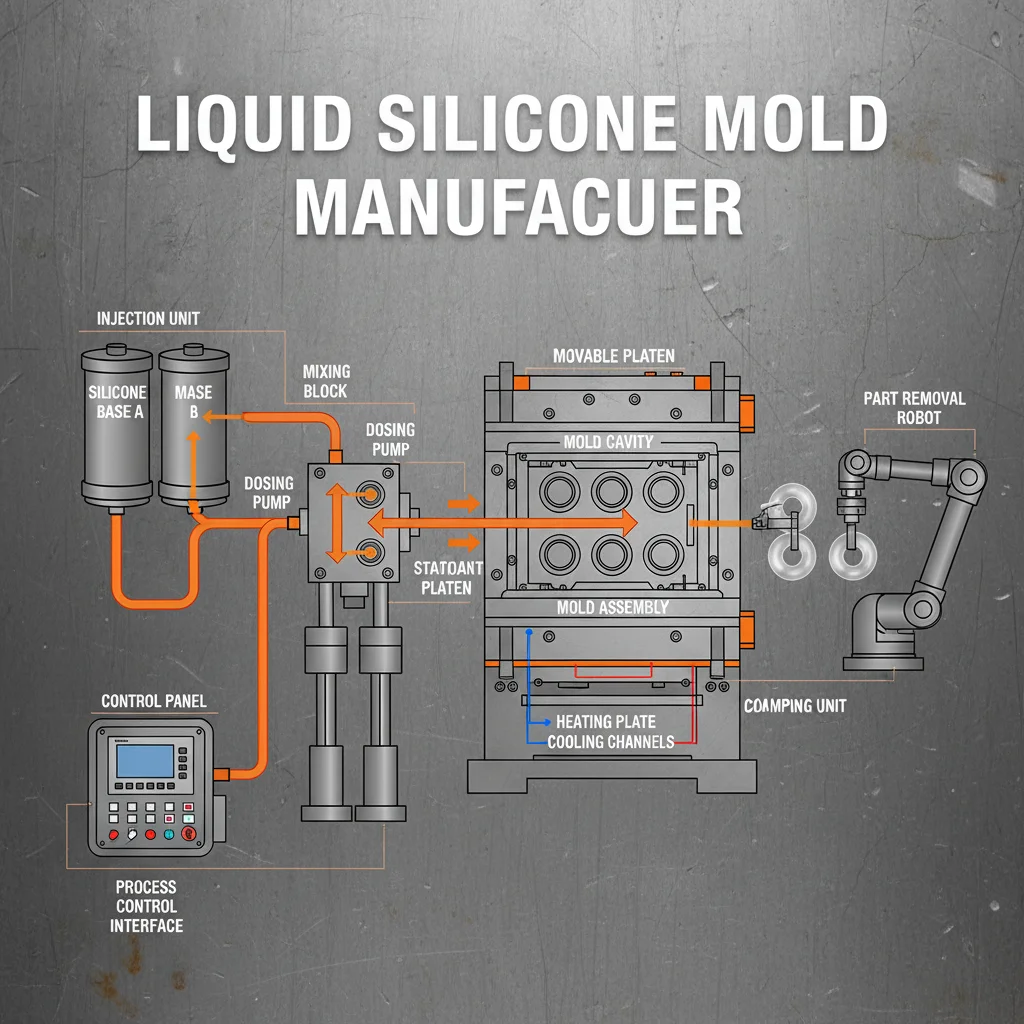
Liquid Silicone Rubber is a two-part platinum-catalyzed silicone known for its low viscosity and rapid curing characteristics under heat. This enables precision liquid injection molding (LIM) to produce parts with tight tolerance, high elongation, and excellent thermal and chemical stability.

The injection molding process flows as follows:

  • Material Components A & B are mixed precisely and injected into the heated mold cavity under pressure.
  • The material cures and vulcanizes rapidly inside the mold, often under 180°C within 30 seconds to 2 minutes.
  • The mold opens and the finished silicone part is ejected with minimal flash and excellent surface finish.
  • Secondary operations may include trimming, inspection, or overmolding with rigid substrates.

Material Characteristics Overview:

Property Range / Notes
Tensile Strength 5–12 MPa
Elongation at Break 350–700%
Hardness (Shore A) 10–80
Operating Temperature -60°C to 230°C (continuous)
Chemical Resistance Good against oils, solvents, and UV exposure

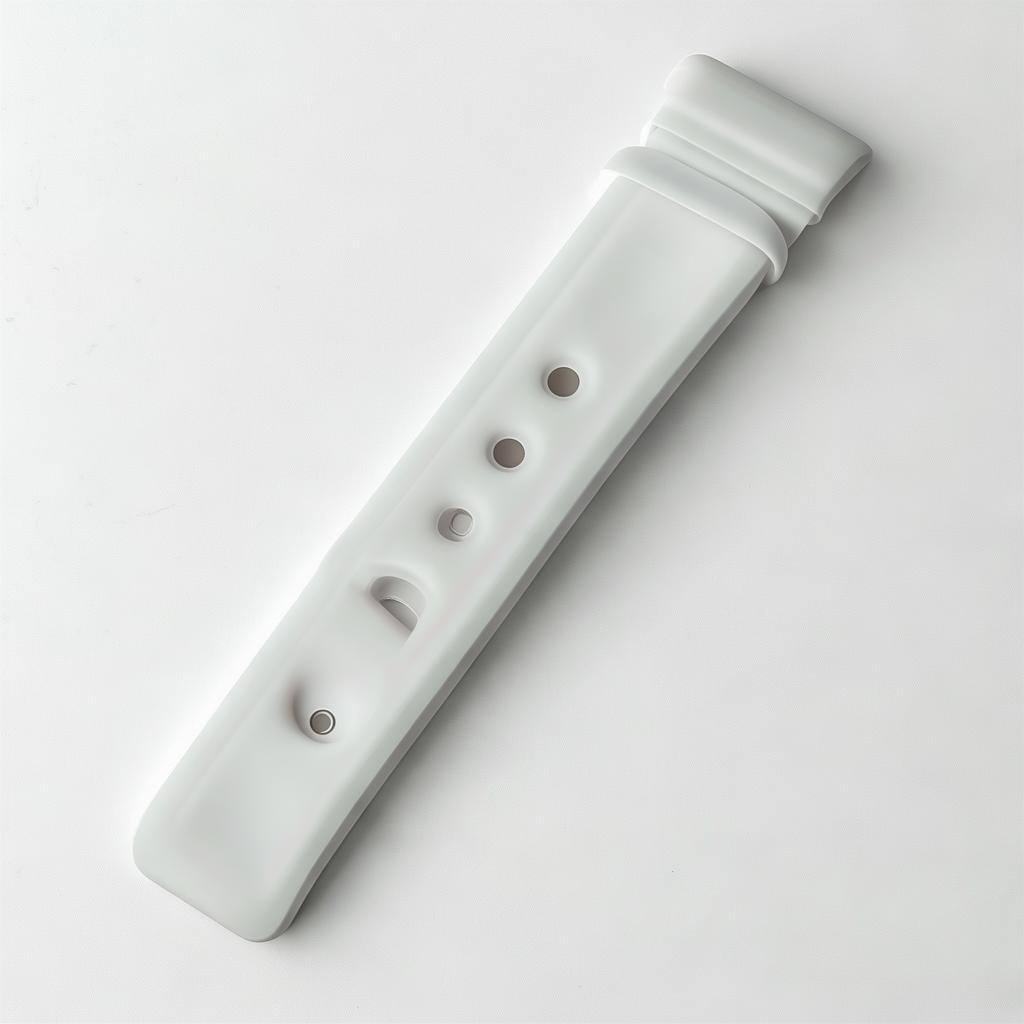
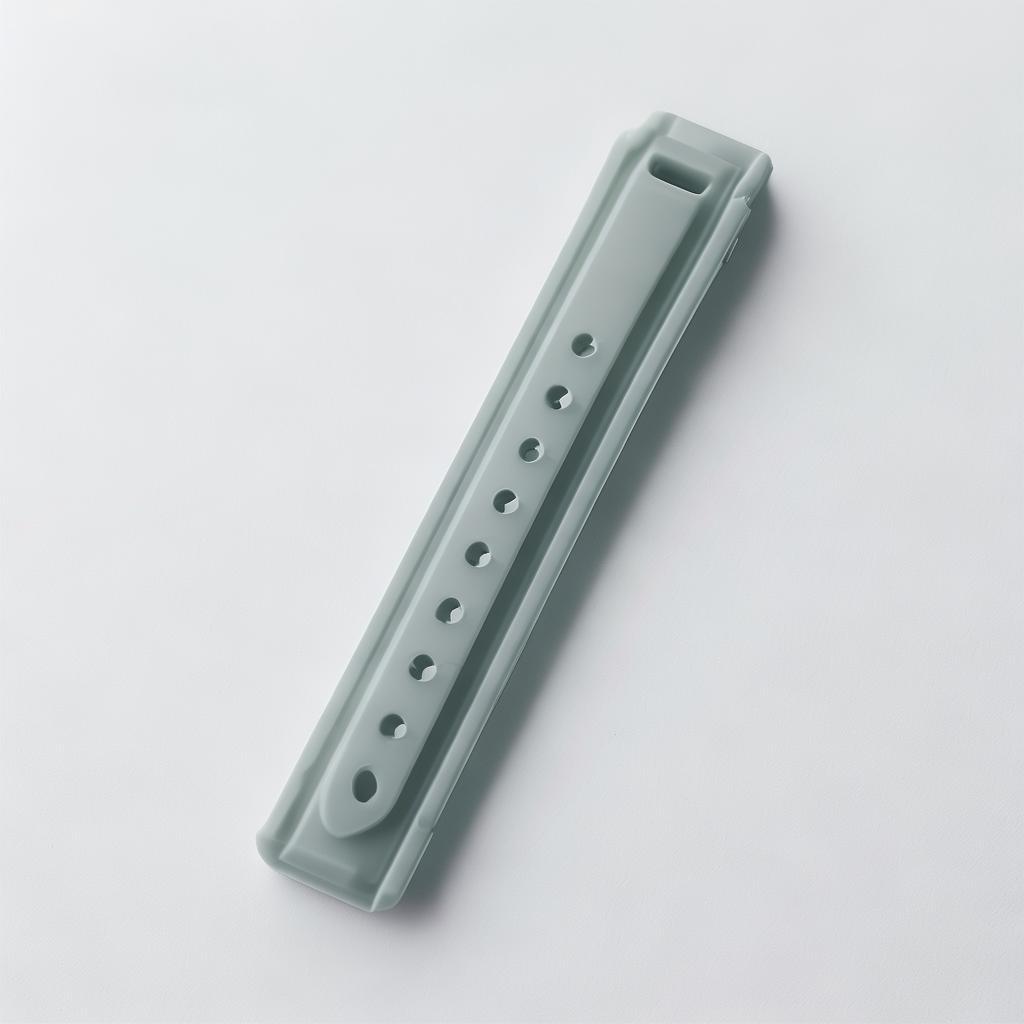
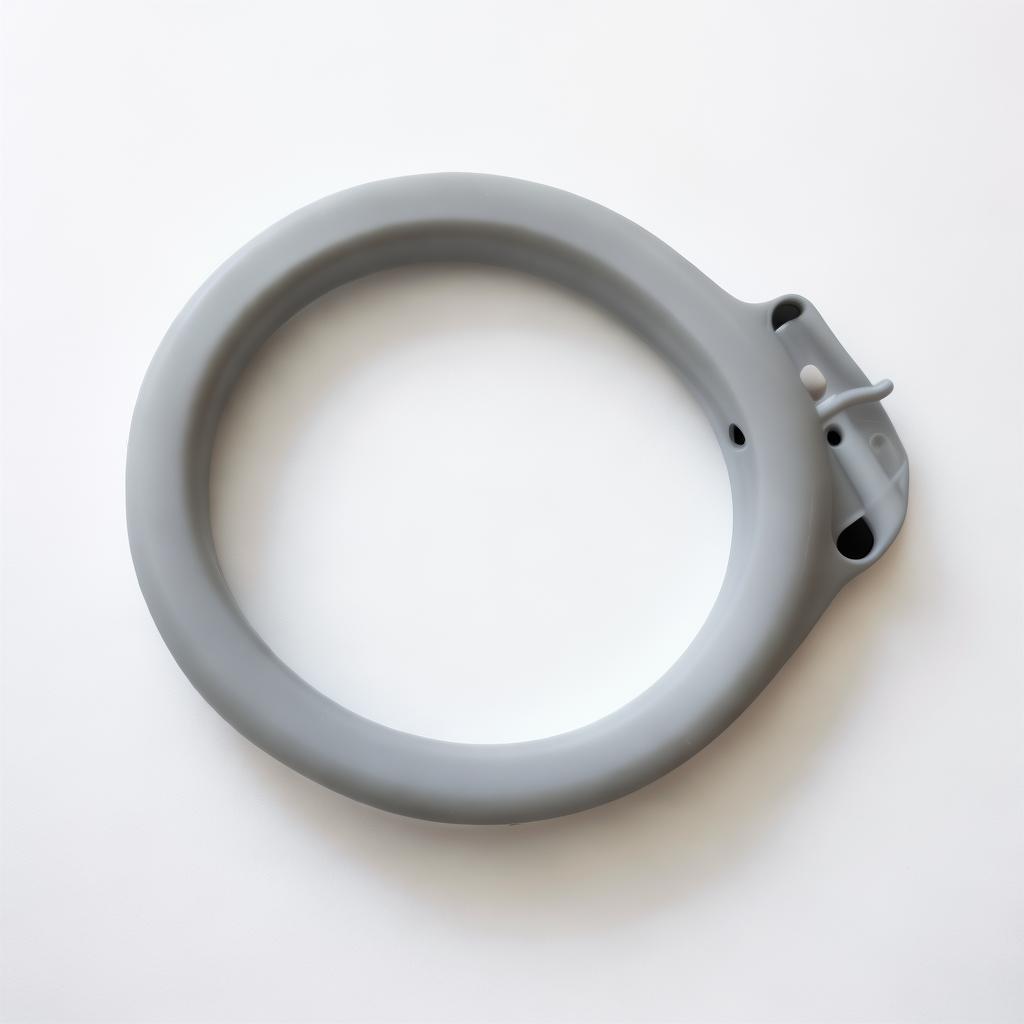
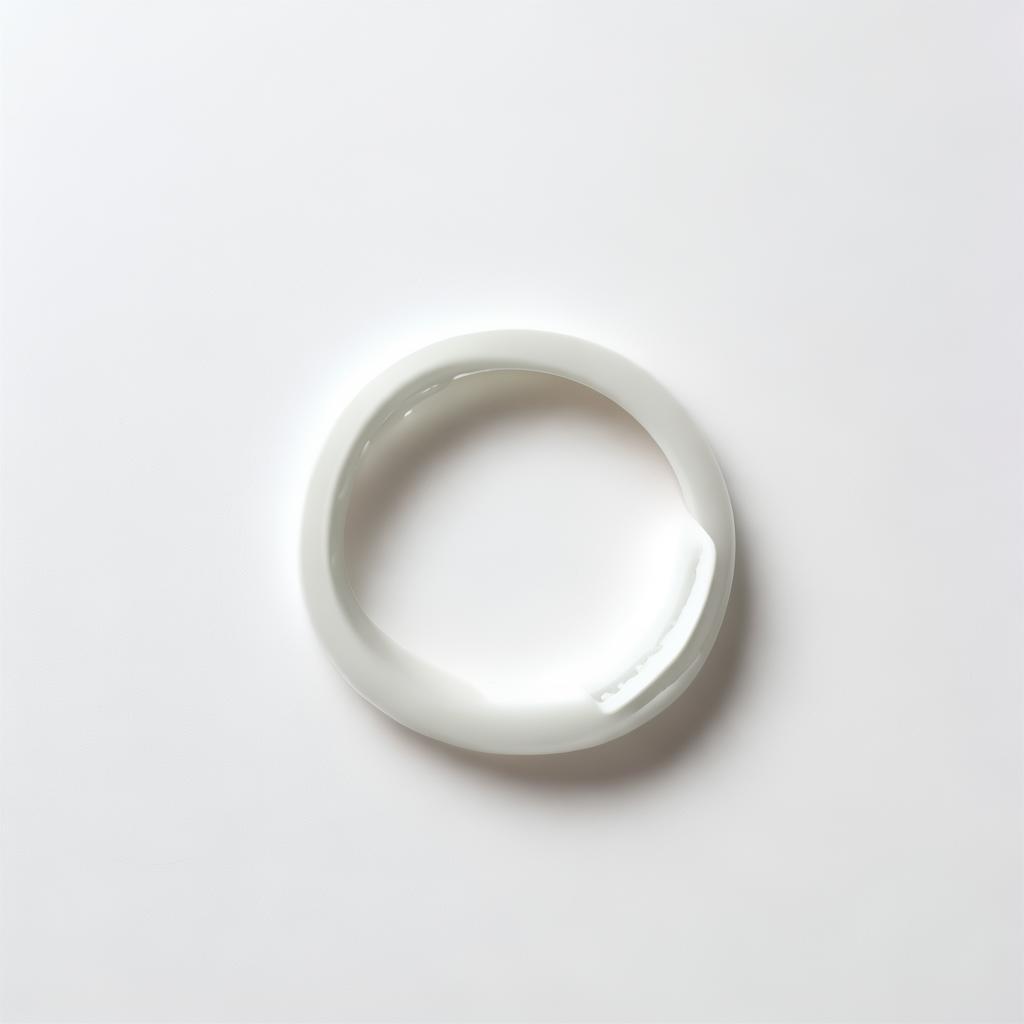
Conductive LSR silicone rubber accessories Customized silicone rubber parts custom silicone rubber parts

Precision manufacturing requires strict control of injection parameters including mold temperature, injection speed, and curing profile. AI-driven optimization tools like those outlined in recent academic work are gaining ground in advanced facilities to enhance part consistency.
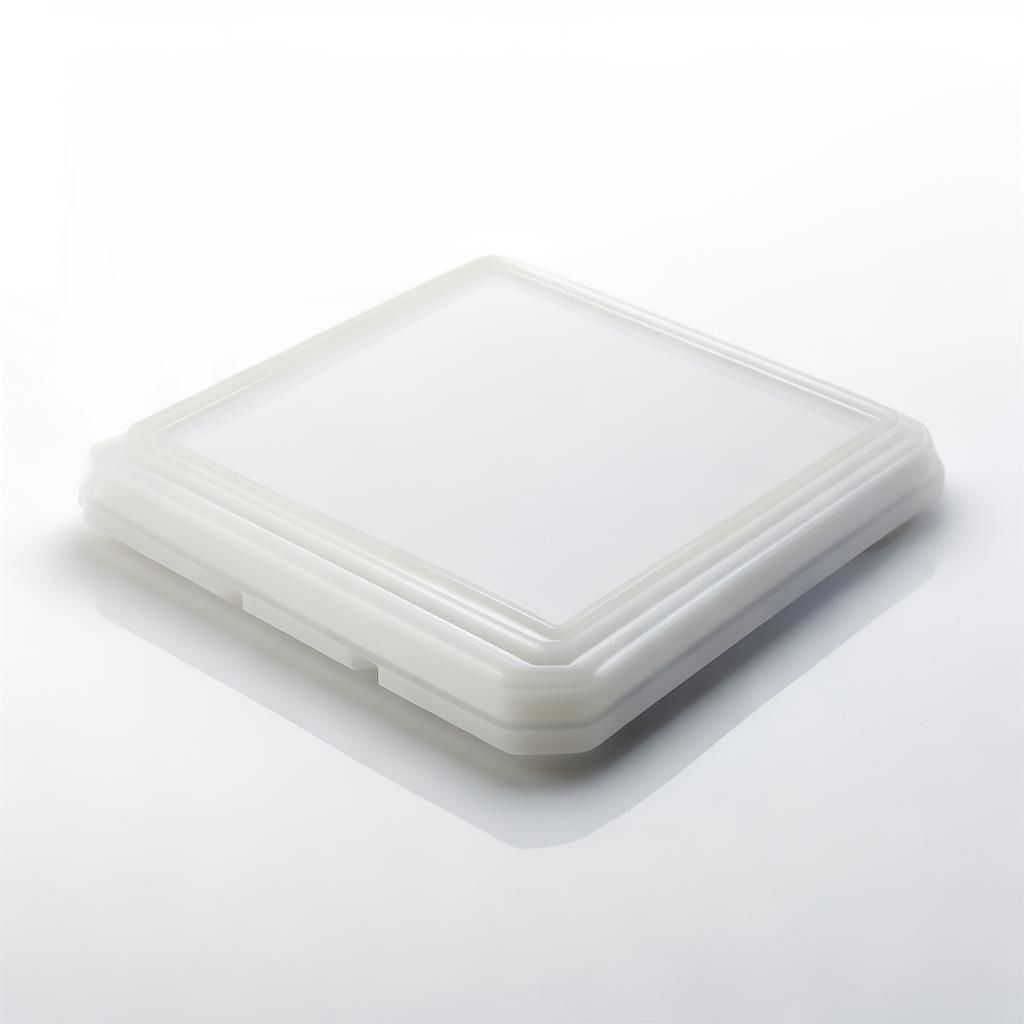

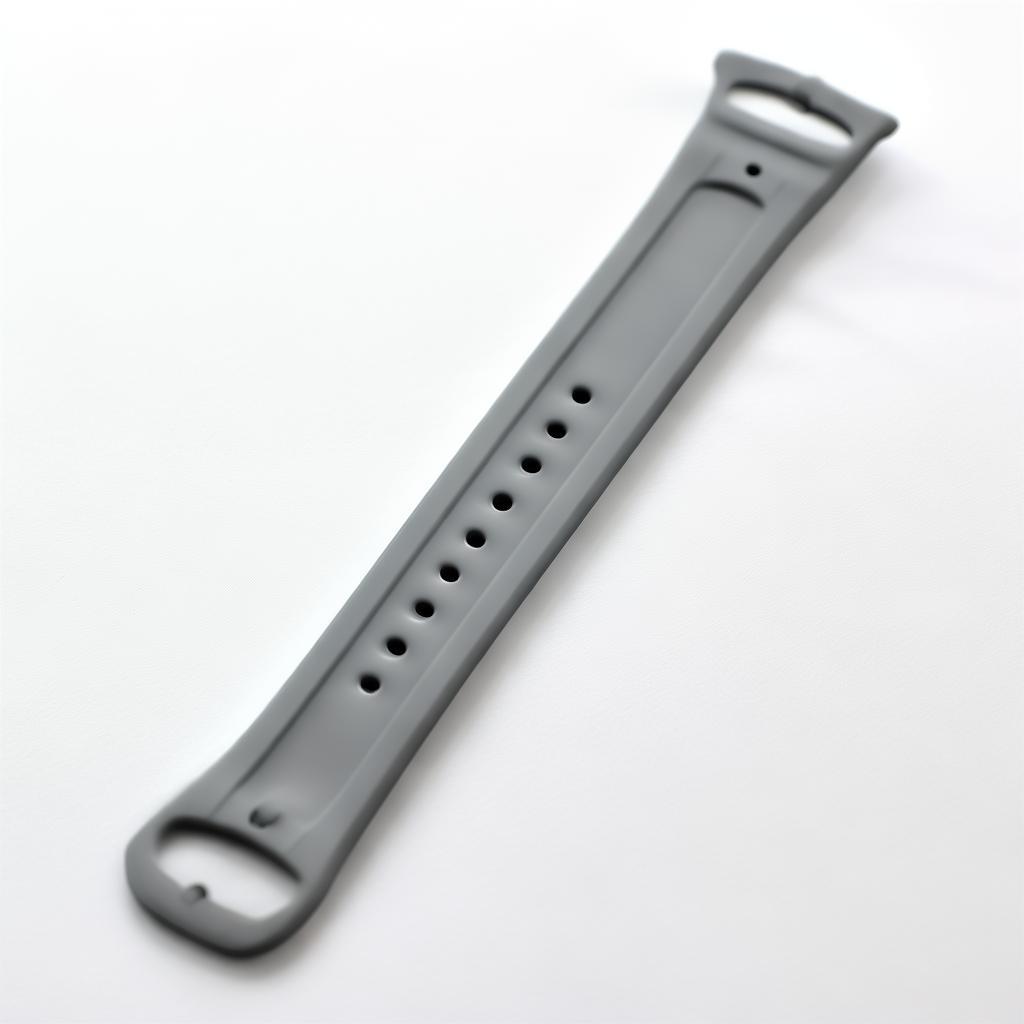
Conductive Lsr Silicone Rubber Accessories

Advantages of Choosing Customized LSR Components

For purchasing directors and engineering teams evaluating silicone solutions, customized LSR parts stand out due to:

  • Design Freedom: Thin walls, intricate undercuts, and multi-cavity molds allow for complex geometries not feasible with solid silicone or thermoplastics.
  • Superior Durability: LSR retains mechanical properties across extreme temperatures, chemicals, and repeated flex cycles without degradation.
  • Biocompatibility & Safety: Medical-grade LSR options conform to FDA and ISO 10993 standards, important for healthcare seals or wearable devices.
  • Overmolding Capabilities: Compatibility with materials like ABS and polycarbonate supports hybrid designs combining rigid and flexible functions.
  • Consistent Quality: Automated liquid injection molding reduces human error, ensuring batch-to-batch uniformity critical for industrial applications.
  • Scale Efficiency: High-volume production via automation cuts cost per part while speeding delivery.

A comparative glance clarifies the premium value:

Feature LSR Solid Silicone (VMQ) Thermoplastic Elastomers
Mold Complexity High (injection tooling) Medium (compression molding) Medium to High
Material Performance Excellent heat & chemical resistance Good Varies
Batch Consistency Very High (automated) Lower (manual processes) High
Lead Time 3-10 weeks (tooling + production) 4-12 weeks Variable
Cost Efficiency Most cost-effective at volume Better at small runs Depends on volumes

Note: While initial tooling investments for LSR injection molds are higher, the subsequent production speed and quality justify the cost in medium to large batch sizes.

Typical Application Scenarios

Customized LSR silicone parts find extensive use across sectors where performance and reliability are non-negotiable, such as:

  • Automotive: Seals, gaskets, vibration dampers, and fuel system components designed to endure thermal cycling and chemical exposure.
  • Medical Devices: Biocompatible seals and membranes for surgical instruments and wearable healthcare electronics conforming to strict regulations.
  • Consumer Electronics: Flexible gaskets, insulation sleeves, and waterproof seals for smartphones and smartwatches.
  • Industrial Sensors & Connectors: Protective covers and insulating elements requiring durable elastomeric materials with long lifecycle.
  • Household Appliances: Overmolded silicone controls, sealing rings, and anti-slip feet delivering ergonomic comfort and weather resistance.

These applications demand tailored mechanical properties and dimensional precision, qualities that Guangdong Yingtai’s combined mold development and in-house testing systems ensure. We regularly collaborate with R&D teams for prototype tweaking and scale-up validation, shortening development cycles to less than 3 weeks in some cases.

Procurement Considerations & Supplier Selection

Purchasing managers tackling customized LSR parts face multilayered decisions depending on volume, complexity, compliance needs, and delivery schedules. Here are practical buyer tips to boost success and mitigate risks:

  • Assess Mold Tooling Expertise: Look for suppliers with dedicated LSR tooling engineers who understand sealing and venting nuances — crucial for defect reduction.
  • Confirm Material Traceability & Certifications: Verify raw material compliance standards especially if your application requires ISO 10993 or FDA approvals.
  • Request Process Simulation Reports: Suppliers who utilize CAE or rheological simulations tend to anticipate molding issues proactively (ScienceDirect study highlights this).
  • Test Sample Functionalities Early: Enable rapid prototyping runs with quick-turn LSR molds to validate fit, feel, and function before committing to large orders.
  • Communicate Logistics & Lead Time Clearly: Factor in international transport, customs clearance, and packaging optimizations for complex or sensitive components.
  • Understand OEM/ODM Capability: Select partners who can co-develop your designs as opposed to pure contractors, which enhances innovation and response time.
  • Negotiate Transparent Pricing: Ensure detailed quotations separating tooling, material, molding cycle, testing, and packaging costs to avoid surprises during scale-up.

Logistics & Shipping Insights

Timely delivery matters as much as quality in complex supply chains. Guangdong Yingtai manages logistics strategically with:

  • Container Loading Optimization: Careful packaging and palletization reduce damage risks and maximize container volume usage ensuring cost efficiency.
  • Multiple Shipping Modes: Air freight for urgent samples, sea freight for bulk orders, complemented by express courier for documentation and spare parts.
  • Advance Stocking & Buffer Stocks: Working with key clients to maintain buffer inventory for critical components to bridge potential delays.
  • Export Compliance & Documentation: Full support with necessary CE, RoHS, and customs papers so buyers can streamline internal intake processes.

While lead times for first orders generally span 6 to 10 weeks depending on tooling complexity, repeat production cycles can shrink to 2-4 weeks thanks to well-established supply chains and process automation.

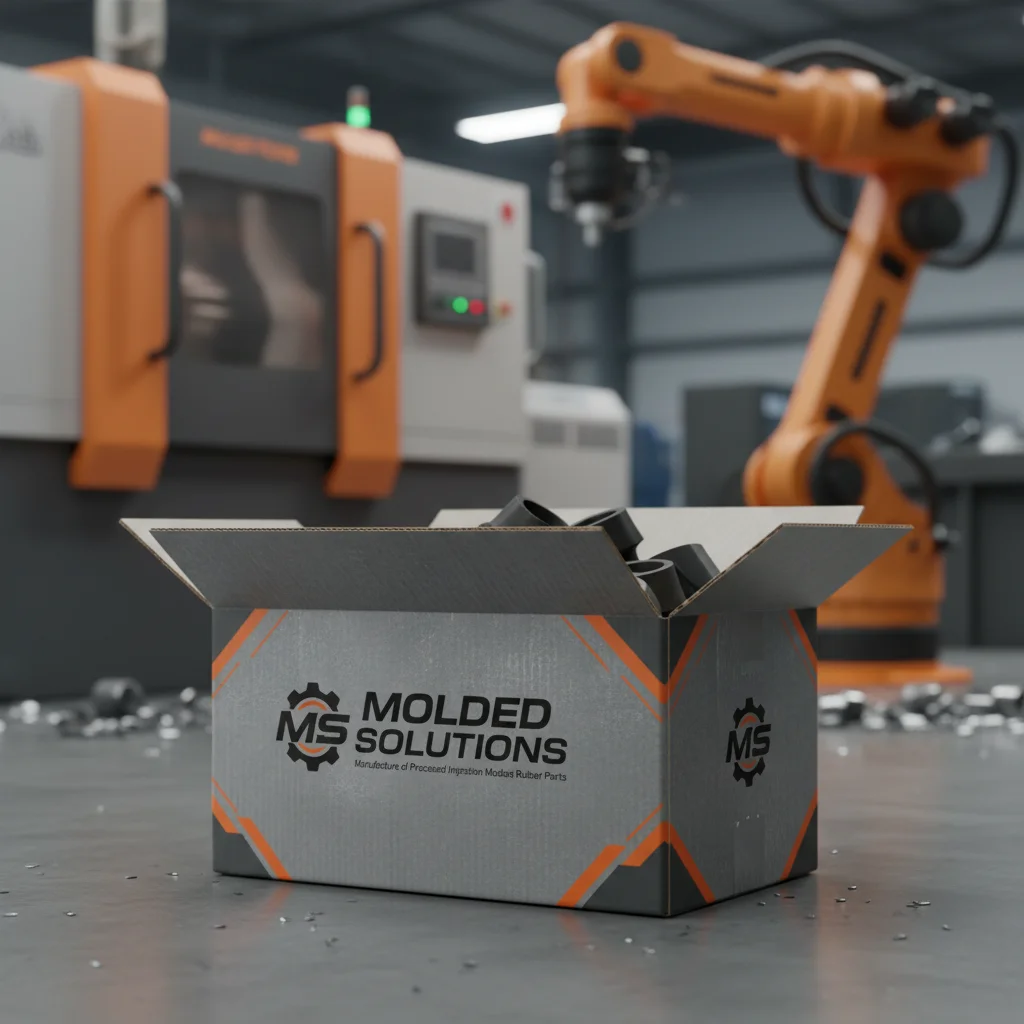
Container Loading and Packaging in Guangdong Yingtai Factory
Efficient container loading and packaging at Yingtai ensures product safety and timely delivery worldwide.

Frequently Asked Questions

Q1: What is the typical lifespan of custom LSR silicone rubber parts in industrial use?
LSR parts commonly withstand continuous service for 5-10 years depending on exposure conditions. Their excellent heat and chemical resistance mean they perform well under cyclical stress and aggressive environments without losing mechanical integrity.
Q2: How do you manage color matching in customized LSR parts?
Color formulations are included during liquid silicone prep, and we use spectrophotometers to ensure batch consistency. We recommend testing prototypes for UV stability if outdoor use is expected.
Q3: Are there options for multi-shot molding combining LSR with rigid plastics?
Yes, multi-component injection molding with LSR and materials like ABS is available. Proper temperature control and surface treatments ensure strong bonding. This is widely used for medical and wearable device parts where tactile and structural properties are needed.
Q4: What environmental certifications do your LSR products comply with?
We maintain ISO 9001, ISO 14001, and RoHS compliance across our manufacturing. Medical and food-grade LSR meets FDA and biocompatibility standards per request.
Q5: Can you support rapid prototyping and tooling iteration?
Yes, small batch runs with rapid tooling are feasible, with typical turnaround times of 10-15 business days for prototypes.

Customer Testimonials

Photo of Michael Brown, Purchasing Manager
Michael Brown
Purchasing Manager, Automotive Parts Co., Ohio, USA

“Partnering with Yingtai for our LSR gaskets took a lot of guesswork out of production. Their engineering team helped validate specifications early, and we've experienced a more stable supply chain than with previous vendors. Lead times fit our tight schedules, and part quality remains consistently excellent.”

Get in Touch