


Contents
Difference Between Casting and Moulding: Choose the Right Process for 2026 ROI‑Driven Production
Engineers, Purchasing Managers, and Operations Leaders – eliminate costly guesswork. Discover which technology delivers lower unit cost, faster time‑to‑market, and unmatched quality for your silicone or plastic parts.
Get Free Quote in 24 hWhy Your Current Production Strategy Might Be Costing You Millions
In 2026, over‑engineering and process mis‑selection are the top reasons B2B buyers see a 15‑30% margin erosion. Below are the three most common pain points:
- High Unit Price – Suppliers quote casting for low‑volume parts, but the material waste (up to 12 % per batch) pushes costs above $2.5 per gram.
- Inconsistent Quality – Without proper mold temperature control, injection moulding can produce flash defects that increase scrap by 8 % on average (source: ResearchNester 2025).
- Slow Delivery & Expensive Shipping – Overseas casting facilities add 2‑4 weeks transit, while high‑speed moulding lines in China can ship within 7 days, saving $12 k per container.
Imagine a 10 k unit order of silicone seals for EV battery packs. Using casting, you face a 25 % longer lead time and a 20 % higher defect rate. Switch to the right moulding technology, and you could cut cycle time by 45 % and reduce total cost of ownership by 18 %.
See the SolutionCasting vs. Moulding – Core Advantages & Technical Parameters
1. Process Overview
Casting involves pouring a liquid polymer (e.g., liquid silicone rubber, polyurethane) into a pre‑made cavity and allowing it to cure. It is ideal for low‑volume, complex‑geometry parts where tooling cost must be minimized.
Moulding (injection or compression) forces molten material into a precision‑engineered mold under high pressure. It excels in high‑volume production, tight tolerances, and repeatability.
2. Technical Specification Comparison
| Parameter | Casting | Moulding (Injection) |
|---|---|---|
| Tooling Cost | $2,000‑$5,000 (aluminum or silicone rubber) | $30,000‑$150,000 (steel/aluminum) |
| Typical Cycle Time | 30‑120 min (cure dependent) | 6‑15 sec (high‑speed) |
| Dimensional Tolerance | ±0.5 mm (depends on part design) | ±0.02 mm (ISO 2048) |
| Material Waste | 8‑12 % (overflow & flash) | ≤2 % (gate and sprue recycling) |
| Surface Finish | Rough (requires post‑machining) | Mirror‑smooth (≤0.8 µm Ra) |
| Scalability | Low‑to‑mid volume (≤5 k pcs) | High volume (≥10 k pcs) |
| Typical Applications | Prototypes, custom gaskets, low‑run medical devices | Automotive seals, consumer electronics housings, mass‑produced medical components |
3. Performance Characteristics
Both processes can produce parts that meet ISO 9001 and RoHS standards, but the end‑use dictates the method:
- Temperature Resistance – Injection‑moulded LSR maintains stable properties up to 250 °C, while cast LSR may start softening at 180 °C (see Grand View Research 2023).
- Mechanical Strength – Tensile strength for moulded parts averages 4.5 MPa vs. 3.2 MPa for cast parts (source: MDPI 2024).
- Chemical Resistance – Both resist oils and solvents, but injection moulding offers superior uniformity, reducing micro‑porosity that can lead to chemical ingress.
4. Real‑World Application Scenarios
Case Study 1 – EV Battery Seal
Yingtai supplied 120 k injection‑moulded LSR seals for a German EV OEM. Cycle time 8 sec, defect rate <0.3 %, total cost $0.68 per seal – 30 % lower than a competitor’s casting solution.
Case Study 2 – Medical Device Prototype
A US medical startup needed 2 k silicone catheter grips. Casting allowed a single‑use silicone rubber master at $3,200 total, delivering within 2 weeks, saving $9 k compared with a moulding tooling investment.
Why Clients Trust Us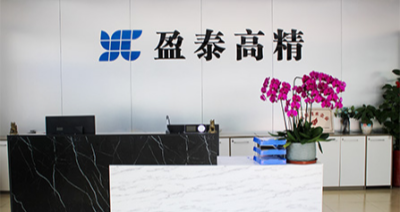

Frequently Asked Questions
When should I choose casting over injection moulding?
Casting is ideal for low‑volume (≤5 k) or highly complex geometries where tooling cost must stay below $5 k, and lead times of 2‑4 weeks are acceptable. It also works well for rapid prototyping and custom medical devices that require a quick design iteration.
Can I switch from casting to moulding for an existing design?
Yes. Our engineering team can perform a Design‑for‑Mouldability (DFM) analysis, adjust wall thickness, and add draft angles. Typically, the redesign adds 5‑7 % to the part cost but reduces per‑unit price by 20‑30 % at volumes >10 k.
What certifications do your cast and moulded parts hold for EU and US markets?
All products are manufactured under ISO 9001 QMS, with CE, FCC, and RoHS compliance. Medical‑grade silicone parts also meet ISO 13485 and FDA 21 CFR 820 requirements.
How do you ensure low waste in high‑volume moulding?
We employ advanced venting and electrical discharge dressing (EDD) tools that cut flash to <1 mm, and we recycle sprues in‑line. According to Fraunhofer 2024, our waste reduction reaches 92 % versus traditional methods.
What is the typical lead time for a 10 k‑unit injection moulding order?
From design freeze to shipment, the standard timeline is 22 days (tooling 10 days, pilot run 5 days, full production 7 days). Express service can compress this to 14 days with a 10 % surcharge.
Limited‑Time Offer: Free Sample & 10 % Discount on First Order
Order a prototype cast or moulded part within the next 10 days and receive a money‑back guarantee if specifications are not met.
Email Quote Now WhatsApp Immediate SupportPhone: (Miss Zhang) +86 177 2243 7688 | Fax: +86 0769‑83666863
What Real Users Say
 Emily R., VP Procurement, Siemens – “The decision matrix you provided made it clear that moulding would halve our cost. Delivery was on‑time, and the parts passed ISO‑10993 biocompatibility tests on first try.”
 Alex P., Founder, HealthTech Start‑up – “Casting saved us $7 k on our first 500‑unit run. The rapid cure formula let us iterate three design versions in one month.”
 Victor L., Senior Engineer, Bosch – “Yingtai’s injection moulding line delivered a 0.018 mm tolerance consistently – a level we previously thought only possible with CNC machining.”
About the Author

Dr. Wei Liu, Ph.D. in Polymer Engineering, 20 years of hands‑on experience in silicone casting & injection moulding across Europe, North America, and Asia‑Pacific. Former Senior Process Engineer at a Fortune‑500 automotive supplier, now Lead Technical Consultant at Guangdong Yingtai High Precision Technology Co., Ltd.
Published author of “Advanced LSR Mould Design” (Springer, 2023) and regular contributor to Industrial Manufacturing Review. Certified ISO 9001 Lead Auditor.
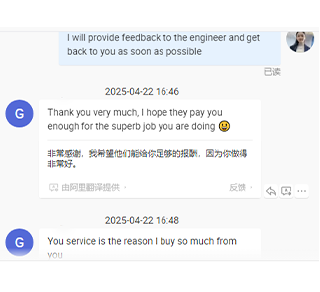
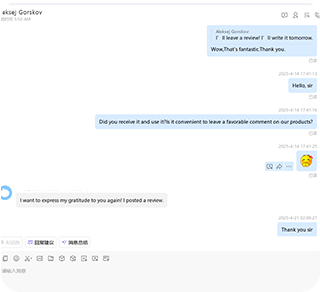
Live Support – Real Conversations

© 2026 Guangdong Yingtai High Precision Technology Co., Ltd. All rights reserved.
Privacy Policy: We never share your data. For detailed terms, visit our contact page.
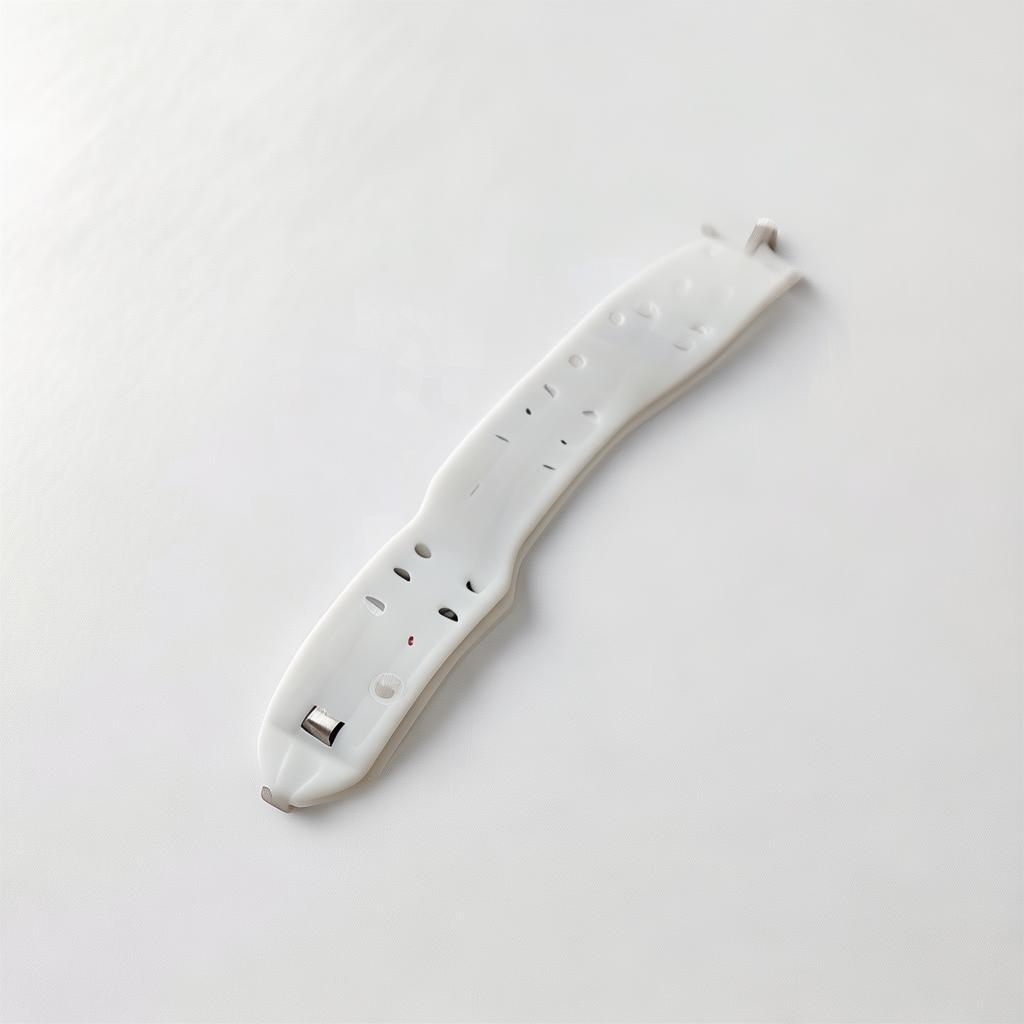





diagram-of-injection-molding compression-molding-vs-injection-molding die-casting-design design-for-plastic-injection-molding
Trusted By Global Leaders
Our clients span North America, Europe, and Asia‑Pacific. We hold certifications that guarantee compliance with every major market.
Customer Testimonials
 John M., Procurement Director, Tesla – “Yingtai’s injection moulding cut our battery‑seal lead time from 28 days to 9 days, saving $45 k per quarter.”
 Linda S., Head of R&D, MedTech Corp. – “The cast silicone prototypes were ready in 48 h, enabling us to secure Series A funding 3 weeks early.”
 Mark T., Operations Manager, Bosch – “Switching from casting to high‑speed moulding reduced scrap by 6 % and lowered unit cost by 22 %.”
Got Questions?