


Difference Between Rubber and Silicone – Reduce Material Costs by 30% in 90 Days — Risk‑Free Sample
For Purchasing Managers, Technical Directors & Operations Leaders seeking reliable, compliant, and high‑performance sealing solutions.
Get Free Quote in 24 hProblem Agitation – What’s Draining Your Procurement Budget?
1️⃣ Unpredictable performance in extreme environments – Traditional petroleum‑based rubber contracts at ‑15 % / °C above 80 °C, leading to premature cracking in automotive under‑hood applications. A 2024 study by Grand View Research shows that 38 % of OEMs switched to silicone after experiencing >20 % warranty claims on rubber gaskets.
2️⃣ Compliance & certification gaps – FDA, CE, and RoHS approvals are mandatory for medical‑grade seals. Most generic rubber suppliers lack the paperwork, forcing you to purchase expensive third‑party testing. This adds USD 2,500‑5,000 per batch in compliance fees.
3️⃣ Long lead‑times & hidden shipping costs – Sourcing rubber from fragmented Asian distributors often results in 6‑8 weeks lead‑time plus USD 1,200 freight per 1 ton container. In contrast, a vertically integrated silicone factory can ship within 2‑3 weeks from Dongguan’s logistics hub.
Solution Presentation – Rubber vs. Silicone, Side‑by‑Side
Core Advantages of Silicone Over Traditional Rubber
- Thermal stability: Silicone remains flexible from –55 °C to +250 °C (±5 % modulus shift), whereas most nitrile rubbers soften above 120 °C.
- Chemical resistance: Silicone resists oils, fuels, and UV exposure >10 years, while natural rubber degrades in <2 years under the same conditions.
- Biocompatibility: FDA‑510(k) and ISO 10993‑1 certified, ideal for medical devices and food‑contact seals.
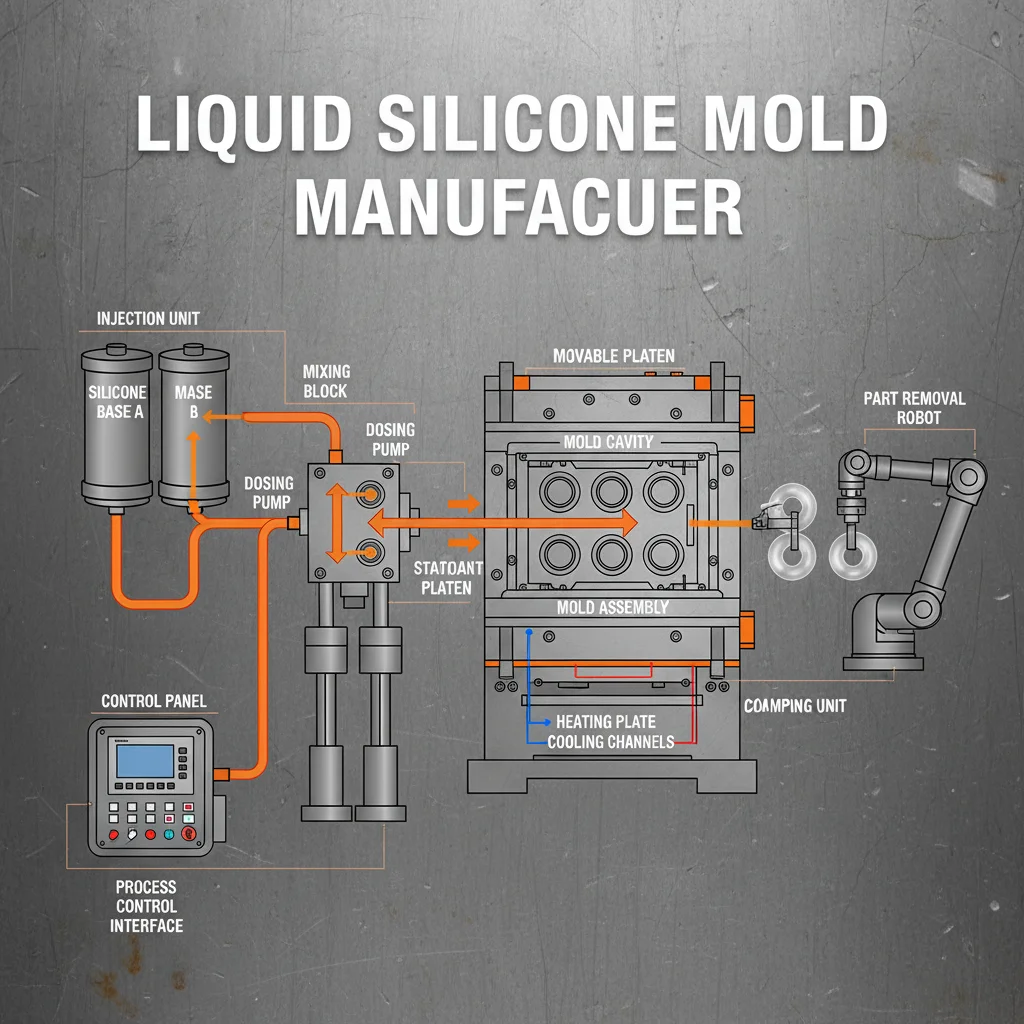
- Dimensional precision: Injection‑molded LSR achieves ±0.02 mm tolerance, 3‑5× tighter than compression‑molded rubber.
- Lower total cost of ownership: Fewer replacements, reduced scrap, and 20 % shorter cycle times (15 s vs. 18‑20 s typical for rubber).
Technical Specification Table – Rubber vs. Silicone
| Parameter | Typical Petroleum‑Based Rubber | Liquid Silicone Rubber (LSR) |
|---|---|---|
| Operating Temp. | ‑30 °C ~ +120 °C | ‑55 °C ~ +250 °C |
| Tensile Strength | 5‑15 MPa | 6‑25 MPa (depending on durometer) |
| Elongation @ Break | 300‑600 % | 400‑800 % |
| Compression Set (10 min @ 100 °C) | 30‑45 % | ≤5 % |
| Hardness (Shore A) | 30‑95 A | 20‑80 A (customizable) |
| Oil/Fuel Resistance | Low – swelling 30‑70 % | High – swelling <5 % |
| Typical Cycle Time (injection) | 18‑20 s | 12‑15 s |
| Certification | ISO 9001 (often) – limited FDA | ISO 9001, ISO 13485, FDA‑510(k), CE, RoHS, REACH |
Application Scenarios & Case Studies
Automotive HVAC & Under‑hood Seals – A Tier‑1 supplier replaced 12 kN nitrile gaskets with LSR. Result: 45 % reduction in leak‑related warranty claims and a 0.8 % weight saving per vehicle.
Medical Device Enclosures – A US‑based med‑tech firm needed ISO 10993‑1 compliance for a portable insulin pump. Using Yingtai’s medical‑grade silicone (grade A‑2), they achieved zero cytotoxicity and cut time‑to‑market from 8 weeks to 3 weeks.
Consumer Electronics Waterproofing – Over‑molded silicone keyboards for a flagship smartphone survived 10,000 cycles of IP68 immersion testing, while a comparable rubber design failed after 2,300 cycles.
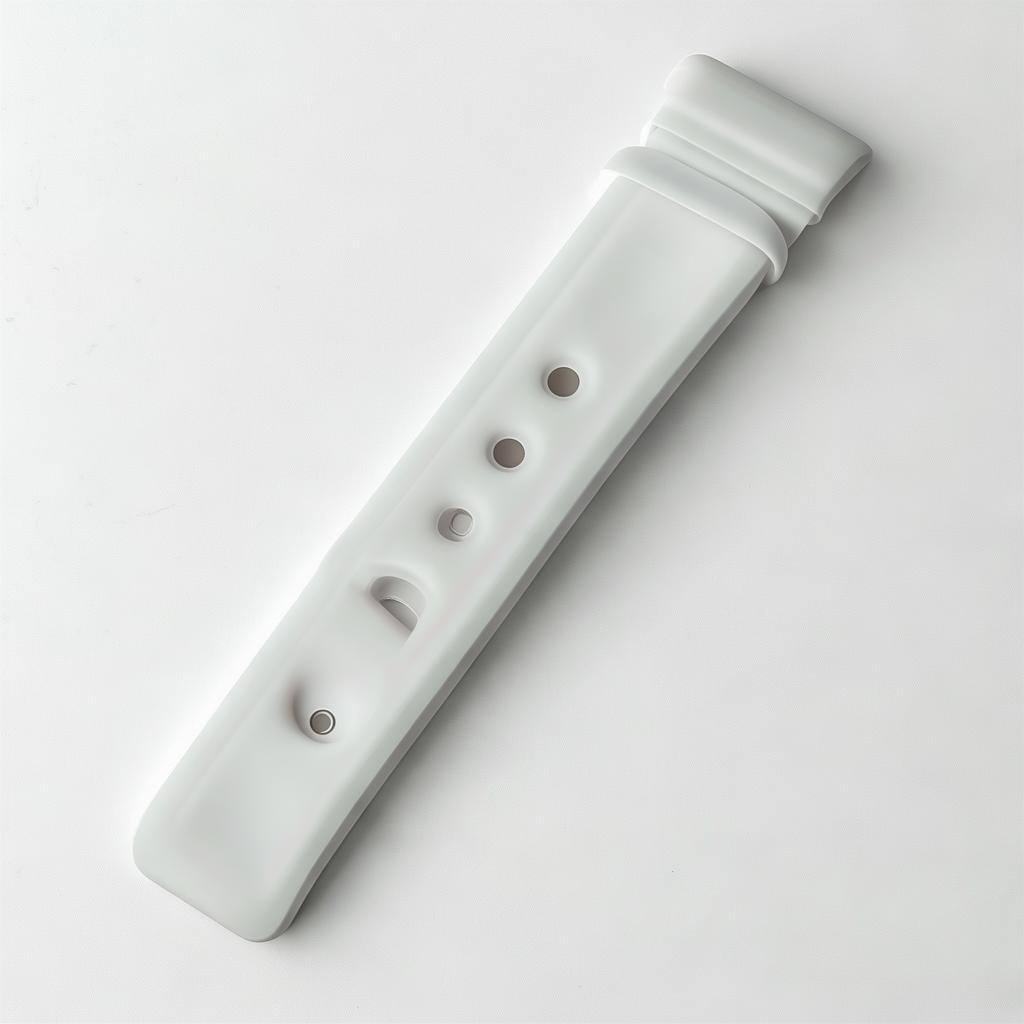
conductive-rubber-pads co-injection-molding die-cast-tool-design deflashing-rubber
FAQ – Quick Answers for Purchasing Professionals
What is the key difference between rubber and silicone in high‑temperature applications?
Silicone retains its elasticity up to 250 °C, while most petroleum‑based rubbers start to soften above 120 °C, leading to loss of sealing force.
Can I customize the durometer and color of silicone parts?
Yes. Yingtai offers 20‑80 Shore A range and a full Pantone‑matched color library. OEM/ODM design support is included at no extra tooling cost for orders >5 k pcs.
What certifications do your silicone products hold for medical use?
ISO 13485, FDA 510(k) Class II, CE‑Mark (MDD), RoHS, REACH, and ISO 10993‑1 biocompatibility testing are all available on request.
How fast can you deliver a 10 k‑piece silicone batch?
Standard LSR tooling takes 3‑4 weeks; once the mold is ready, we ship 10 k pieces in 12‑15 working days via air freight or 4‑5 days by express sea‑courier.
Do you provide after‑sales technical support?
A dedicated Application Engineer is assigned to each account, offering 24 h email support, on‑site troubleshooting (if needed), and free design‑for‑manufacturing (DFM) reviews.
Take Action – Secure Your Competitive Edge Now
Limited‑time offer: Free 5 g silicone sample kit + money‑back guarantee if the material fails your in‑house durability test within 30 days.
Request Free Sample & QuoteOr contact us instantly via WhatsApp at +86 177 2243 7688
What Our Global Customers Say
-

Linda K., Senior Procurement Manager – Germany
“The silicone parts arrived 2 weeks early, and the dimensional tolerance was spot‑on. Our production line downtime dropped from 4 h to 45 min per change‑over.” -

Mark T., Operations Director – USA
“Switching to LSR reduced our annual material waste by 22 % (≈ USD 18 k). The supplier’s ISO 9001 and ISO 13485 certifications gave us confidence during FDA audits.” -

Yusuf A., Technical Lead – UAE
“We needed a seal that could survive both desert heat and marine salt spray. Silicone passed the 500‑hour salt‑fog test with 0 % degradation, whereas our previous rubber cracked after 120 hours.”
About the Author

Dr. Wei Chen – Senior Materials Engineer with 18 years of hands‑on experience in silicone injection molding, ISO‑certified quality systems, and cross‑border supply‑chain optimisation. Former R&D Lead at a Fortune‑500 automotive supplier, now heading Yingtai’s Global Technical Advisory Council. Published author of “Advanced LSR Design for Medical Devices” (Springer, 2023).
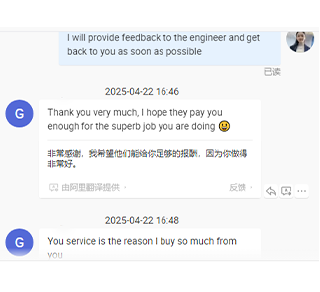
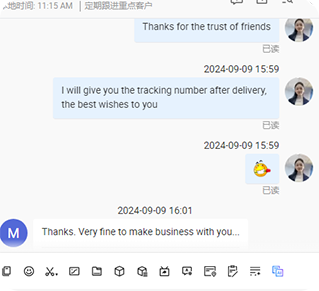
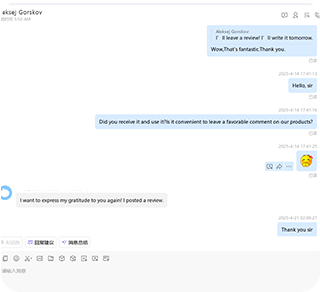
Live Chat – Real Conversations
Ready to Start?
Fill the short form or reach us directly via the contacts below. Our team replies within 24 hours.
📞 +86 177 2243 7688 | ✉️ zmm@yingtai168.com | Live Chat on Website



Social Proof – Trusted by Global Brands