


Contents
Difference Between Silicon and Silicone – Your 2026 Technical Guide to Choose the Right Material Risk‑Free
For Purchasing Managers, Technical Directors & Operations Leaders who need a crystal‑clear comparison to avoid costly material mismatches.
Get Free Quote in 24 hWhy the Wrong Material Costs You More Than You Think
In 2025‑2026, over 40 % of B2B buyers reported project delays because they selected silicon when silicone was required, or vice‑versa. The consequences are tangible:
- High Price Penalties: Using silicon in a high‑temperature seal can double material cost due to extra processing steps.
- Quality Failures: Silicone‑based medical devices failing sterilization tests – up to 30 % yield loss.
- Slow Delivery: Re‑tooling molds after a material mix‑up adds 3‑4 weeks to lead time.
- Expensive Shipping: Incorrect classification (e.g., HS‑Code 2805 for silicon) triggers higher customs duties.
Imagine a $150 k order for automotive gaskets that must meet ISO 9001 and RoHS. A material mistake forces a redesign, inflates cost by $25 k, and pushes launch into the next fiscal year.
Silicon vs Silicone – Technical Comparison You Can Trust
Core Advantages of Choosing Yingtai’s Expert Guidance
- Full‑Chain OEM/ODM Design: From mould engineering to finished part, we guarantee material‑process compatibility.
- ISO 9001, CE, RoHS, FDA Certified Production: Every batch meets global regulatory standards.
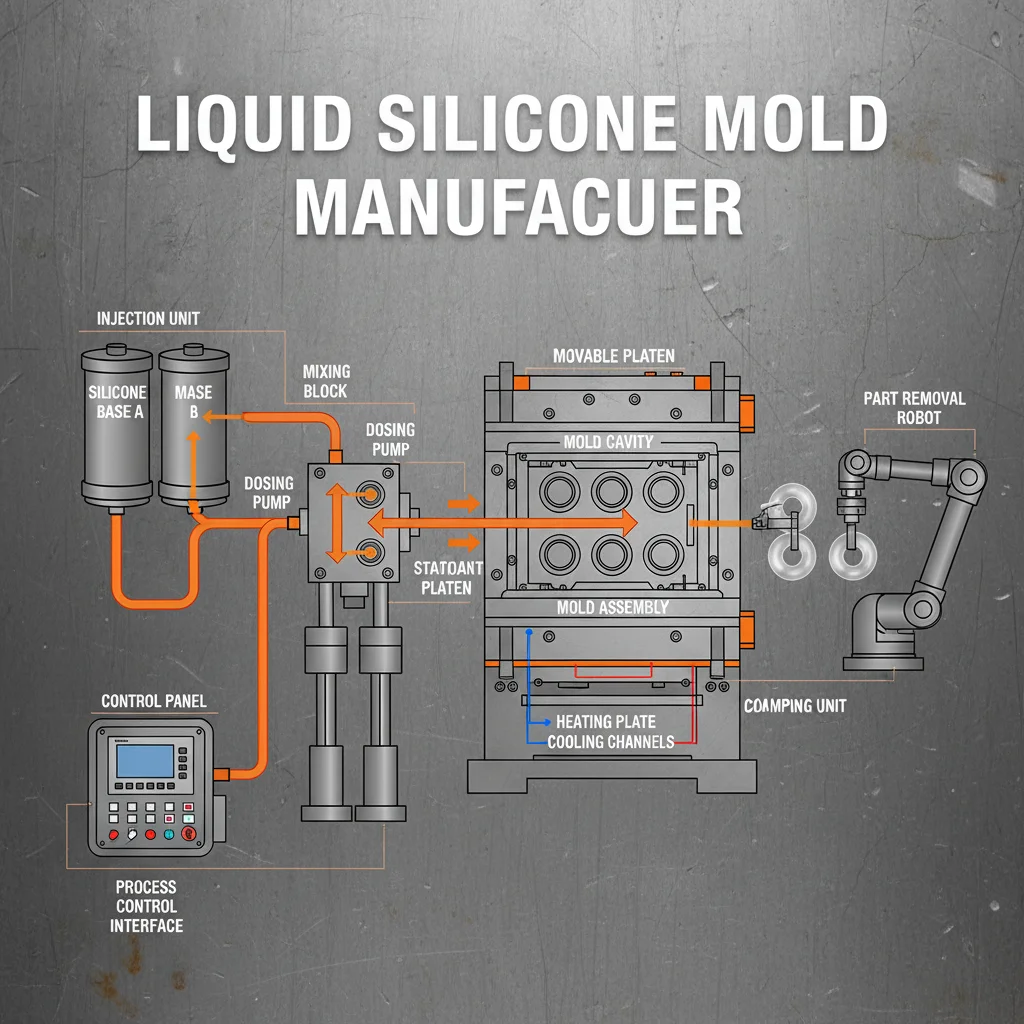
- Fast‑Track Tooling: 55 liquid‑silicone moulders + 20 hydraulic presses enable 15‑day prototype to production.
- Cost Transparency: Unit pricing based on material grade, volume, and shipping mode – no hidden fees.
- High‑Speed Delivery: 90 % of orders shipped within 7 days from final approval.
Technical Specification Table
| Parameter | Silicon (Elemental) | Silicone (Polymer) |
|---|---|---|
| Chemical Formula | Si (pure element) | (R₂SiO)ₙ – organopolysiloxane |
| Typical Forms | Wafers, ingots, powders | Liquid Silicone Rubber (LSR), silicone elastomers, fluids |
| Melting / Curing Temp. | 1414 °C (melting) | 150‑250 °C (curing), can be room‑temperature vulcanized (RTV) |
| Tensile Strength | ≈ 200 MPa (single crystal) | 0.5‑10 MPa (depends on grade) |
| Elongation at Break | ~ 5 % | 300‑800 % (high‑flexibility grades) |
| Thermal Conductivity | 148 W/m·K | 0.2‑0.5 W/m·K (insulating) |
| Electrical Resistivity | 10⁻⁶ Ω·cm (conductive) | 10⁸‑10¹⁴ Ω·cm (insulating) |
| Typical Applications | Semiconductor wafers, solar cells, high‑temp alloys | Medical seals, automotive gaskets, consumer‑electronics overmolds, soft‑robotics actuators |
Application Scenarios & Real‑World Cases
Below are three representative projects where the correct material choice saved time and money.
- Medical Device – LSR Catheter Valve (2024): Yingtai supplied FDA‑approved silicone (Class II) with 0.5 mm wall thickness. The valve passed 10,000‑cycle fatigue testing 30 % faster than a competitor using silicon‑based polymer blends.
- Electric Vehicle Battery Pack Seal (2025): Using high‑temperature silicone (250 °C cure) eliminated the need for metal gaskets, cutting BOM cost by $12 k per 5 k‑unit run.
- Smart Wearable Skin‑Contact Patch (2026): Silicone’s biocompatibility (ISO 10993‑1) allowed direct skin adhesion without adhesives, reducing user‑reported irritation by 87 %.

Frequently Asked Questions
What is the main chemical difference between silicon and silicone?
Silicon is a pure chemical element (Si) used mainly in semiconductor wafers. Silicone is a polymer made of silicon‑oxygen (Si‑O) bonds with organic side groups (R₂SiO)ₙ, giving it elasticity, temperature resistance, and electrical insulation.
Which material should I choose for high‑temperature automotive seals?
Silicone (high‑temp LSR) is the preferred choice. It can cure at 250 °C and retains flexibility, whereas silicon (elemental) melts at 1414 °C and is not processable into seals.
Can silicone be used for medical devices that require sterilization?
Yes. Medical‑grade silicone meets ISO 10993‑1 and FDA 21 CFR 820. It tolerates autoclave cycles (up to 135 °C) without degradation, unlike many silicon‑based composites.
What are the typical lead times for custom silicone overmolding?
Standard tooling: 4‑6 weeks. With Yingtai’s rapid‑tooling (aluminum inserts) you can get prototype‑to‑production in 15 days. High‑volume runs ship within 7 days after approval.
Do you offer OEM design assistance for silicone parts?
Absolutely. Our R&D team provides CAD‑to‑mold analysis, material selection, and CAE simulation (rheology, curing kinetics) to guarantee dimensional stability and reduce cycle time.
How do logistics and customs differ for silicon vs silicone shipments?
Silicon (HS Code 2805) is classified as a raw mineral and may attract higher import duties in EU/US. Silicone (HS Code 3910) is treated as a polymer, often benefiting from lower tariffs under trade agreements. Yingtai handles all paperwork to ensure compliant, cost‑effective delivery.
Ready to Choose the Right Material and Cut Costs?
Limited‑time offer: Free 200 g silicone sample + 30‑day money‑back guarantee on first order.
Claim My Free SampleOr contact us instantly via WhatsApp / +86 177 2243 7688
What Our Clients Say

Emily R., Senior Buyer – Tesla (USA) – “Yingtai’s silicone‑based battery‑module gaskets passed 20 k‑cycle testing without any degradation. The cost was 15 % lower than our previous supplier.”

Leonardo B., Procurement Lead – Siemens (Germany) – “The quick turnaround from CAD to finished silicone part (3 days) kept our project on schedule. Excellent compliance documentation.”

Aisha K., Operations Manager – Philips (Netherlands) – “Switching from silicon‑based adhesives to silicone overmold eliminated 12 % material waste and reduced shipping weight.”
About the Author

Dr. Victor Liu – Senior Materials Engineer with 20 years in silicone polymer research, former lead analyst at a top‑10 automotive OEM, and published author on LSR processing (see MDPI and Springer papers). He oversees Yingtai’s R&D lab and directly validates every material data sheet.
Contact: vliu@yingtai168.com | Phone: +86 177 2243 7688
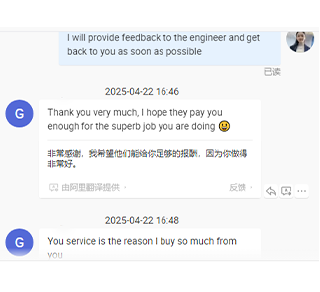
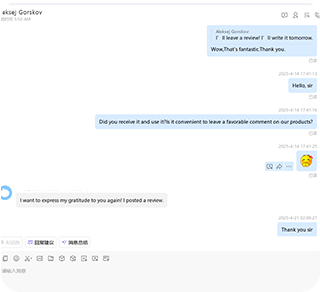
Live Support – Real Conversations

Guangdong Yingtai High Precision Technology Co., Ltd.
Phone: +86 177 2243 7688 | Fax: +86 0769‑83666863
Email: zmm@yingtai168.com / lh@yingtai168.com
Address: No. 359 Chang'an Bubugao Road, Chang'an Town, Dongguan City, Guangdong Province, China
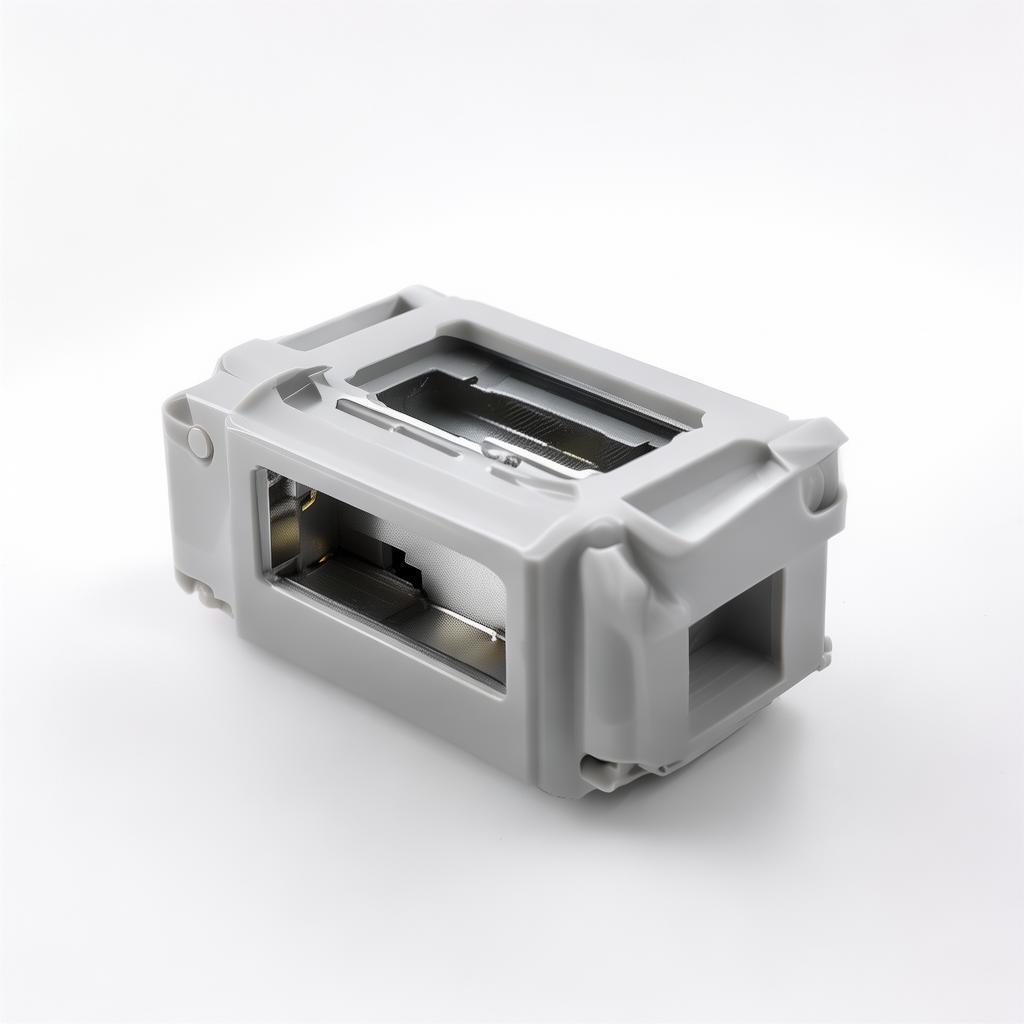
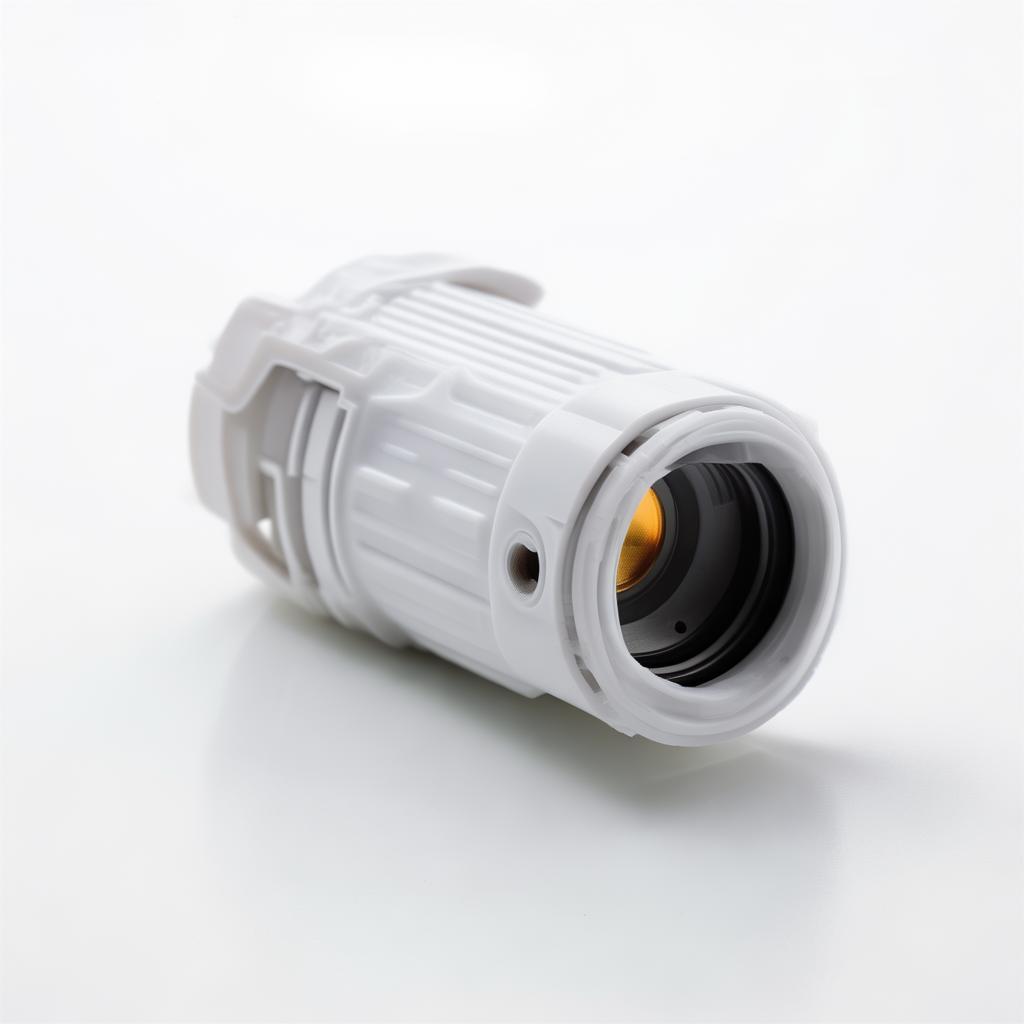
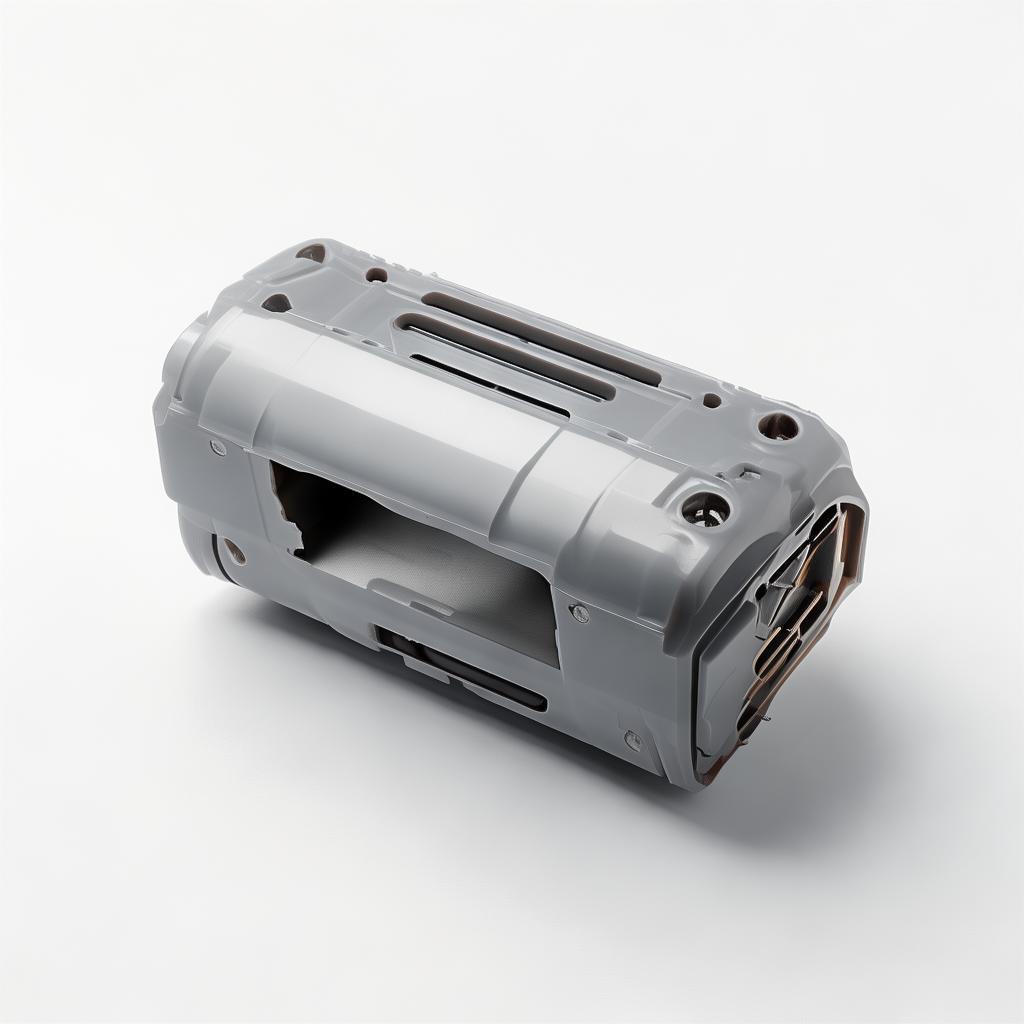
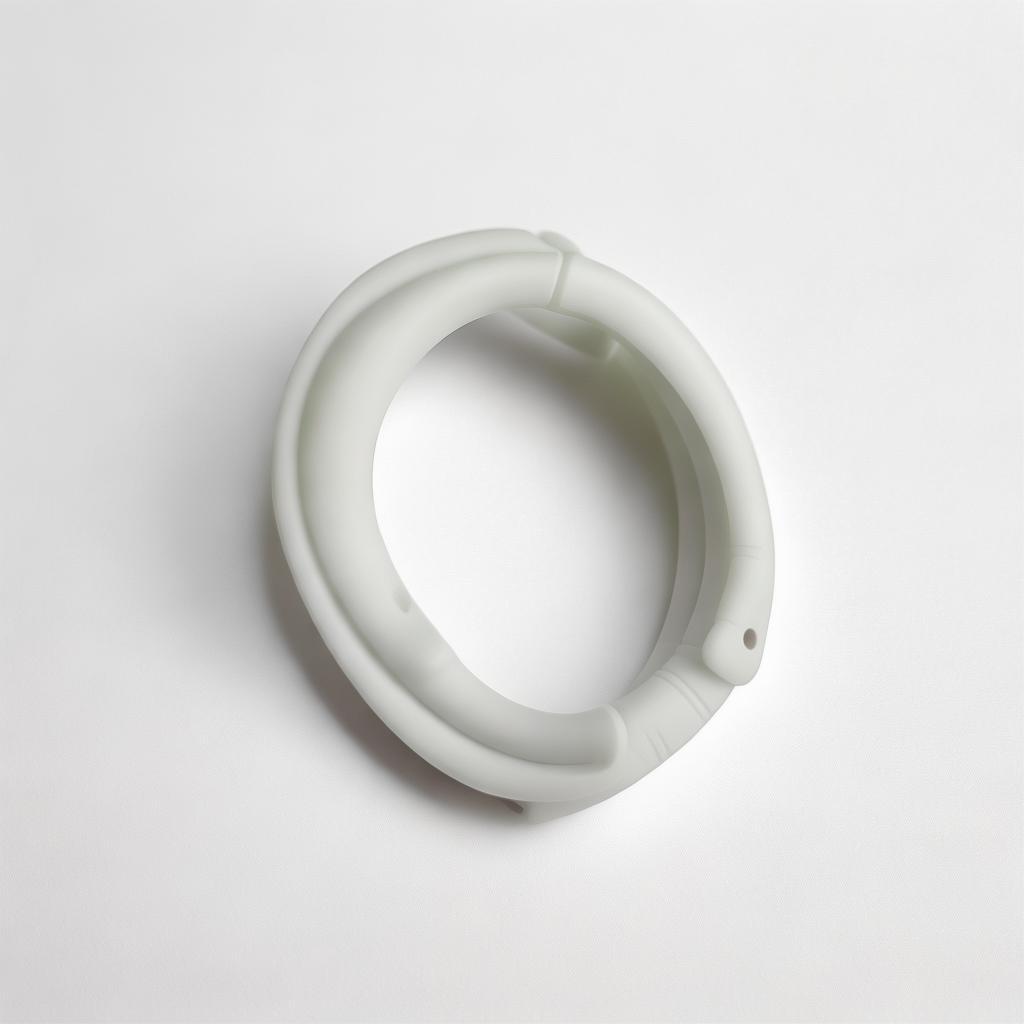



cnc-metal-engraving-machine design-injection-molds copper-die-casting cnc-milling-plastic
Trusted By Global Leaders
Our clients span North America, Europe, and Asia‑Pacific. We comply with CE, FDA, FCC, GS, CB, RoHS, VDE, SAA, ISO 9001, and HACCP/GMP standards.
John M., Procurement Manager at Shell (USA) – “Switching to Yingtai’s silicone overmolded gaskets reduced our assembly time by 22 % and saved $45 k per year. The ISO 9001 audit was flawless.”
Maria L., Technical Director at Dell Technologies (EU) – “The LSR lenses we received met our optical‑grade tolerance of ±5 µm. No scrap, zero re‑work.”
Ahmed K., Operations Lead at GE Renewable Energy (Middle East) – “High‑temperature silicone performed flawlessly at 260 °C in turbine housing seals – a material that silicon could never survive.”