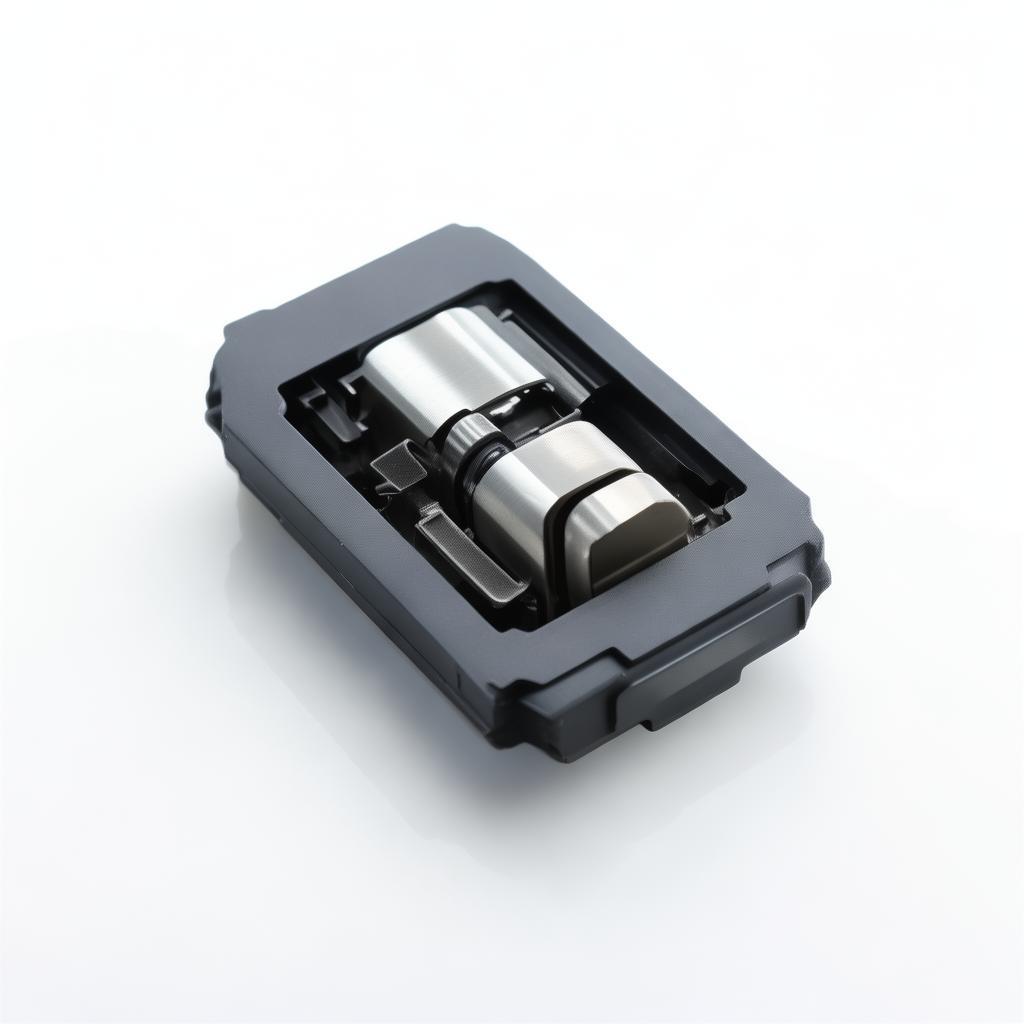
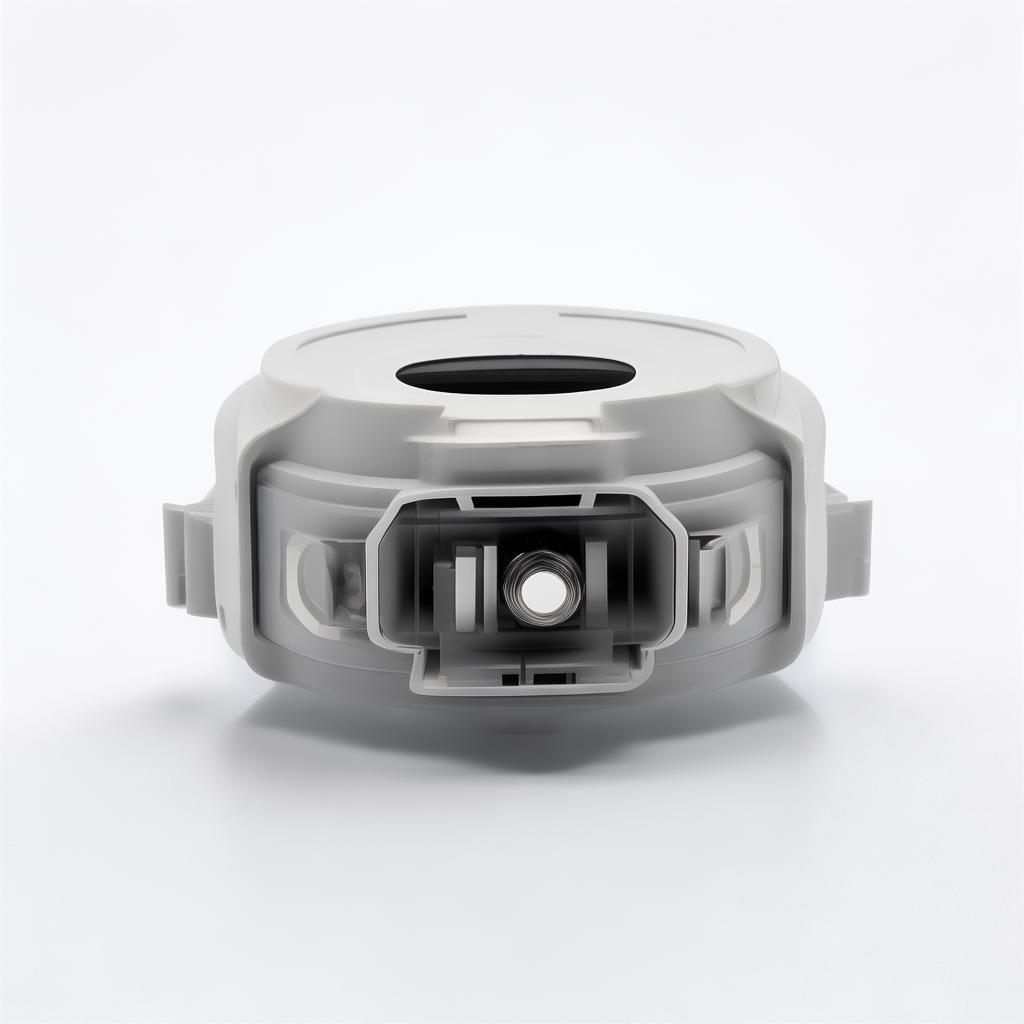
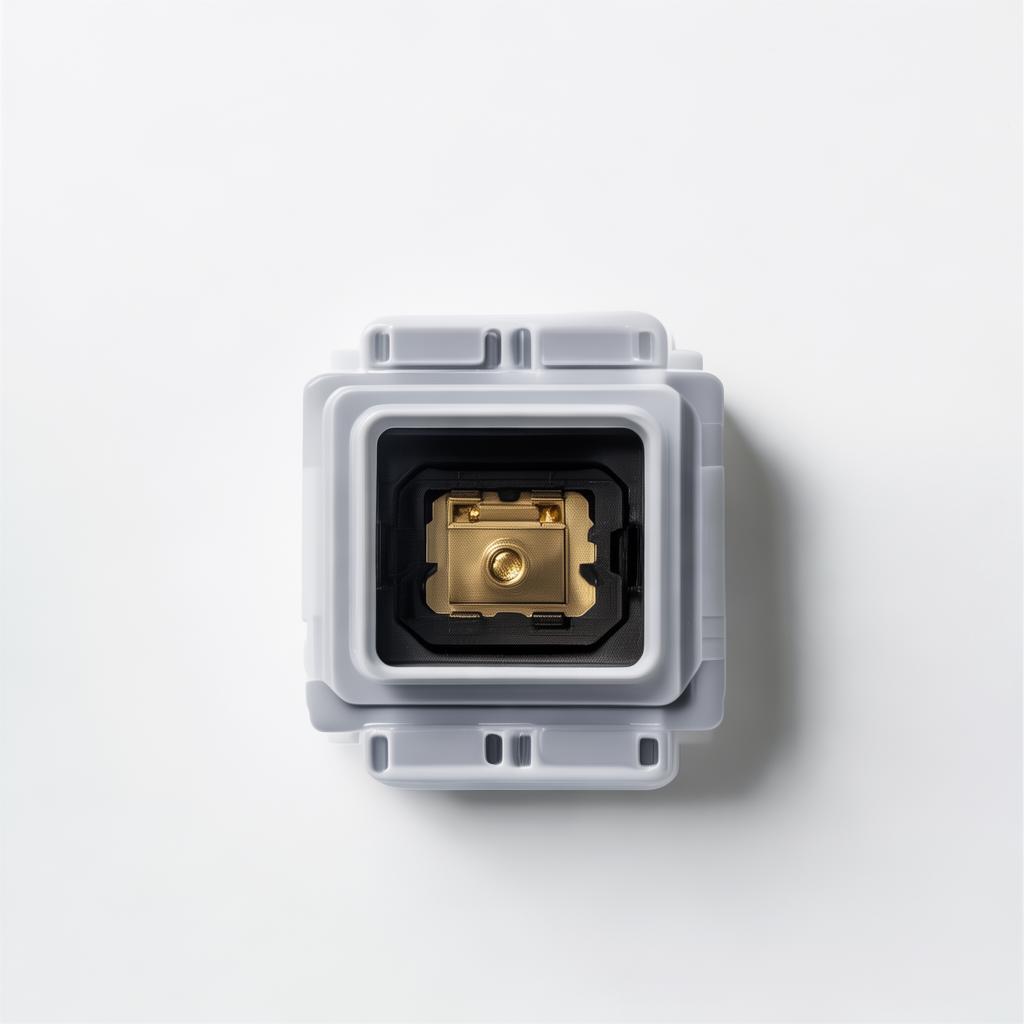
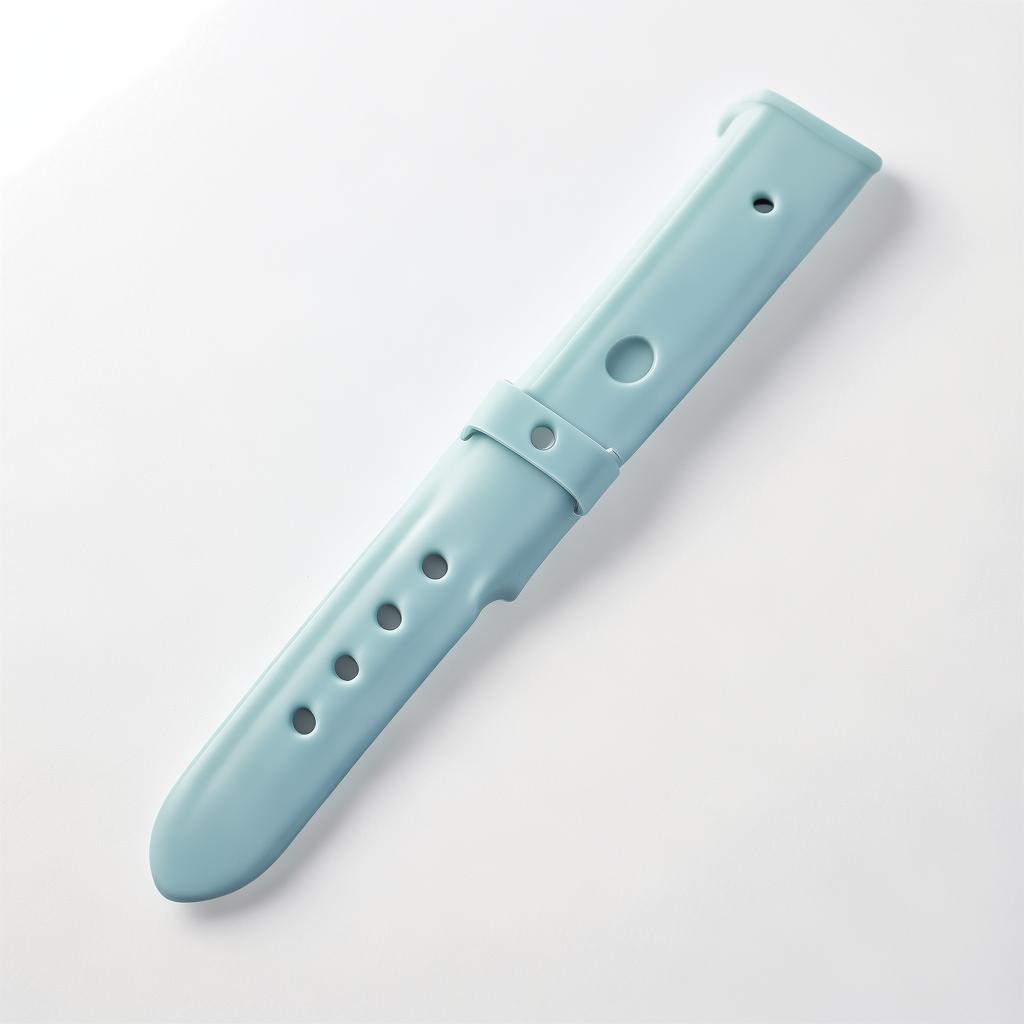
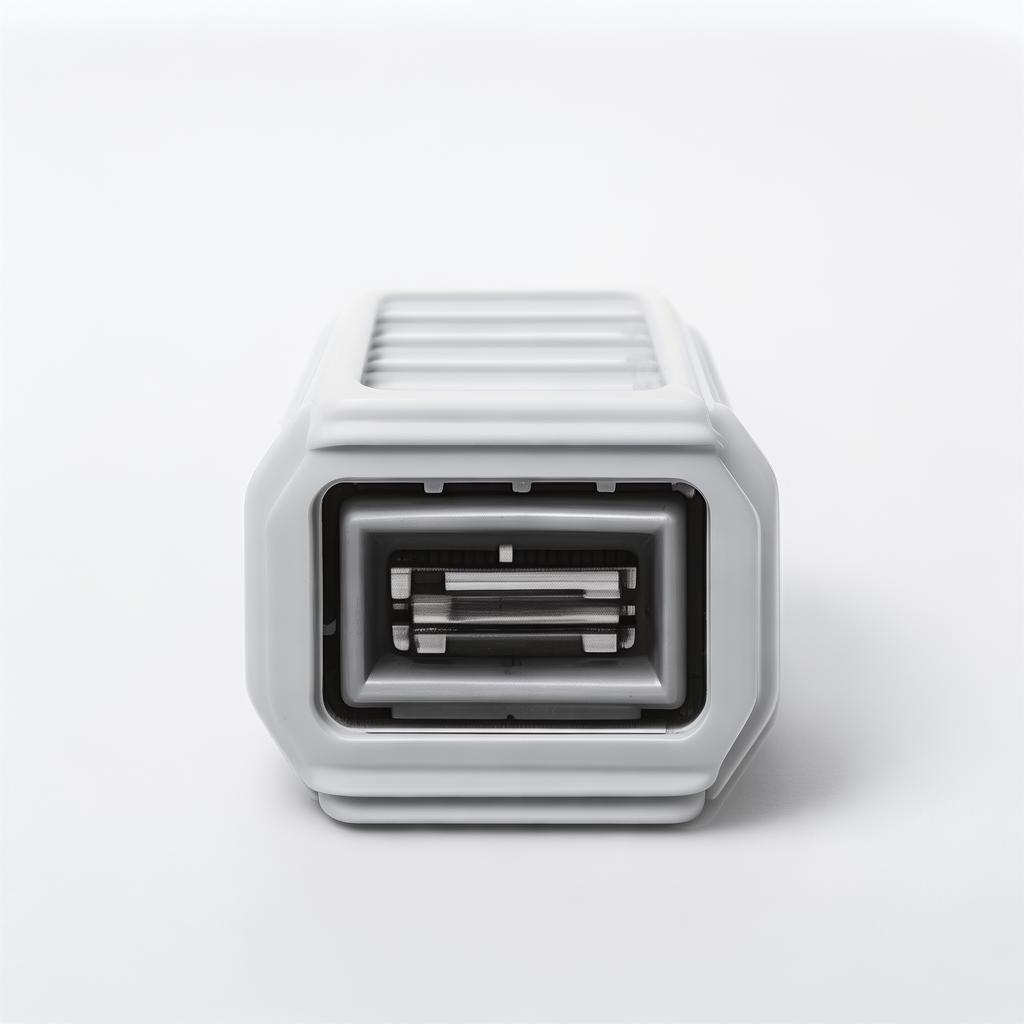
Electric Vehicle Liquid Silicone Packaging Plastic Products
Electric Vehicle Liquid Silicone Packaging Plastic Products
Precision-engineered liquid silicone and plastic packaging components designed for the evolving demands of electric vehicle manufacturing. Elevate product reliability, enhance protection, and optimize supply chain efficiency with industry-leading OEM solutions. The electric vehicle (EV)
Product Details
Electric Vehicle Liquid Silicone Packaging Plastic Products
Precision-engineered liquid silicone and plastic packaging components designed for the evolving demands of electric vehicle manufacturing. Elevate product reliability, enhance protection, and optimize supply chain efficiency with industry-leading OEM solutions.
Industry Challenges in EV Packaging
The electric vehicle (EV) sector is rapidly shifting manufacturing paradigms, introducing specific challenges that ripple through component sourcing and packaging solutions. Procurement managers and technical engineers alike face the tightrope of balancing material performance, production scalability, and cost-efficiency.
Packaging plastic products for EVs must withstand harsh environmental exposures—ranging from extreme temperature cycles to UV radiation and chemical agents found in battery and powertrain components. Moreover, these parts demand precise dimensional stability to accommodate complex assembly lines without rework or downtime.
Inexperienced suppliers or overlooked certification standards often lead to delays, quality issues, and costly returns. These risks necessitate a partner who is well-versed not just in molding technologies but also in global compliance requirements and optimized logistics for international trade.
Industry reports have shown that leveraging advanced liquid silicone rubber (LSR) and plastic overmolding techniques can reduce component failure rates in EV packaging systems significantly, while tight tolerances in injection molding boost operational integration on the assembly line (see Grandview Research, 2023). But this sophistication requires experienced manufacturers who can handle complex tooling and process validation.
Technical Overview of Liquid Silicone & Plastic Components
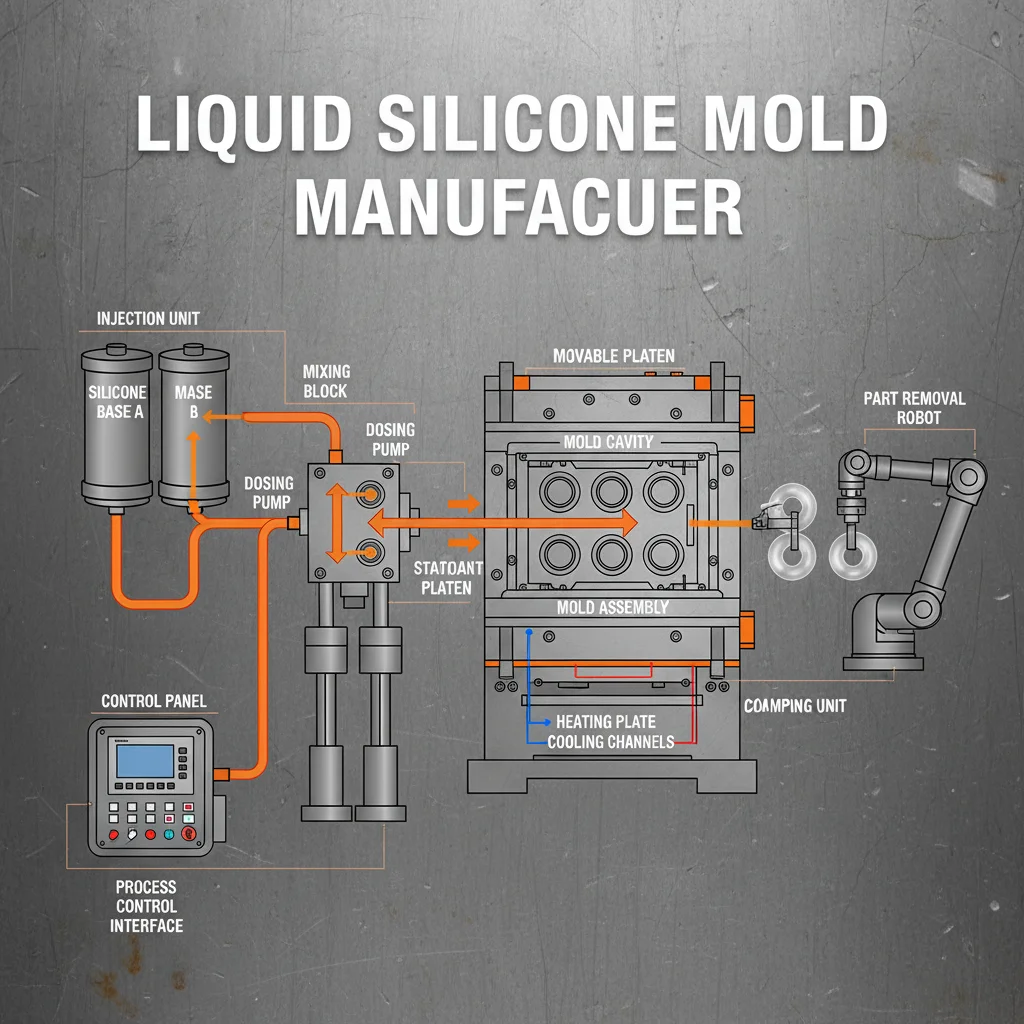
Liquid Silicone Rubber (LSR) packaging products stand out for their unique blend of flexibility, chemical resistance, and thermal stability—key requirements in EV battery pack enclosures and connector seals. Coupled with precision plastic injection molding, manufacturers can produce composite parts that combine soft-touch silicone seals with rigid structural plastic bodies.
Guangdong Yingtai High Precision Technology Co., Ltd. has invested heavily in multi-shot injection molding lines that integrate LSR with engineering plastics such as ABS and polycarbonate (PC). The result is complex assemblies with superior bonding durability and reduced part count.
Below is a technical comparison table highlighting critical material properties relevant to EV packaging:
Material
Thermal Stability
Chemical Resistance
Flexibility
Typical Applications
Liquid Silicone Rubber (LSR)
-60°C to 230°C continuous
High (acids, alkalis, solvents)
Excellent (elasticity up to 700%)
Seals, gaskets, protective boots
ABS Plastic
Up to 100°C
Moderate resistance
Rigid, low flexibility
Structural enclosures, housings
Polycarbonate (PC)
Up to 135°C
Good chemical stability
Rigid with slight ductility
Transparent covers, connectors
The synergy of LSR and plastics enables overmolded solutions that protect sensitive EV components from mechanical shock, chemical exposure, and temperature fluctuations all while maintaining size precision for automated assembly.
Product Advantages & Material Comparison
Seamless Integration: Multi-shot injection molding combines silicone seals and plastic components in one production cycle, reducing assembly complexity and risk of leaks.
Wide Temperature Range: Our LSR compounds maintain elasticity and structural integrity from -60°C up to +230°C, meeting thermal cycling standards in battery packs.
Chemical & UV Resistance: Our formulations offer excellent resistance to battery electrolytes and ambient UV exposure, critical for EV underhood components.
Custom Molding Precision: Using advanced CAE simulations and precision tooling reduces flash defects and enhances part consistency to below ±0.05mm tolerance.
Sustainability: Optimized process chains cut material waste and energy consumption, supporting lean manufacturing and environmental compliance.
In comparison with traditional solid silicone or TPU components, LSR liquid injection molding yields superior surface finish, tighter tolerances, and faster cycle times. While TPU offers good abrasion resistance, it falls short in extreme temperature and chemical exposures typical of EV applications.
According to the Fraunhofer Research Report (2024), incremental tooling improvements and integrated electric discharge machining (EDM) in mold inserts have reduced flash defects by 20% in LSR injection molding — a tangible impact on operational yield and cost.
Key Application Scenarios
Our electric vehicle liquid silicone packaging plastic products are tailored for a range of demanding EV components:
Battery Module Seals and Gaskets — critical for maintaining electrolyte containment and thermal insulation.
High-Voltage Connector Boot Covers — protecting terminals from corrosion and electrical leakage.
Sensor Housings and Overmolds — combining plastics and LSR for durable, weatherproof enclosures in EV environmental sensors.
Cooling System Components — flexible silicone elements integrated with molded plastics for coolant flow seals and vibration dampening.
Charging Cable Interfaces — ergonomic, wear-resistant silicone overmolds improving user safety and durability.
Installation considerations prominently include dimensional accuracy, adhesion between LSR and plastics, and consistent hardness profiles to avoid stress concentrations. Our engineering team frequently advises customers on mold design features that facilitate fast, error-free assembly and maintenance access.
Selecting the right supplier for electric vehicle liquid silicone packaging plastic products is more than comparing price tags. Operational reliability, material traceability, and delivery consistency rank high on procurement checklists.
Sourcing directly from manufacturers like Guangdong Yingtai High Precision Technology Co., Ltd. offers benefits:
Full Industry Chain Integration: From mold design to final assembly, centralized control shortens lead times and reduces yield loss.
Technical Support: Dedicated engineers guide OEM/ODM customization, optimizing materials and process parameters for your specific EV model.
Certifications Compliance: CE, RoHS, ISO quality systems underpin credible quality management and traceability.
Logistics & Shipping Know-How: Container loading optimization and export experience to US and Europe reduce customs delays.
Procurement pitfalls to avoid include unverified suppliers offering “solid silicone OEM” for liquid silicone parts, or inadequate tooling investment that eventually leads to part warpage or inconsistent hardness.
Our advice: insist on sample validation runs, request detailed process capability indices (Cp, Cpk), and clarify warranty terms on dimensional and functional tolerances.
If you want to talk specifics, our export director is available for direct consultation — no cookie-cutter quotes.
Certifications & Factory Capabilities
Guangdong Yingtai High Precision Technology Co., Ltd. operates with strict adherence to international quality and environmental standards. Below are key certifications that substantiate our export readiness and product quality:
ISO 9001: Quality management system certification ensuring continuous improvement and defect reduction.
CE Marking: Compliance with European health, safety, and environmental protection standards.
RoHS Certification: Guarantee of restricted hazardous substances in materials.
FDA Compliance: For liquid silicone suitable in food-grade or consumer contact applications.
80 fully automatic plastic injection molding machines with cycle times optimized for EV part production
20 solid silicone hydraulic presses for secondary processing
High-precision mold development department with over 30 advanced CNC and EDM machines
A testing lab with 20+ cutting-edge instruments for dimensional, thermal, and material property validation
Our vertical manufacturing integration shortens development cycles, increases production efficiency, and enables rapid scaling for volume orders.
Frequently Asked Questions
Q1: What is the typical lead time for EV liquid silicone packaging products?
Production lead time generally ranges from 30 to 45 days, depending on tooling complexity and batch size. Pre-series samples can be provided within 15-20 days.
Q2: Can you produce custom overmolded parts combining LSR and ABS?
Yes. Our multi-shot injection molding lines support LSR and ABS, PC, or other engineering plastics with strong adhesion and tight dimensional tolerances.
Q3: What certifications do your EV silicone products hold?
Our EV packaging parts comply with ISO 9001, CE, RoHS, and FDA material standards where applicable. Documents can be provided on request.
Q4: How do you handle quality control for complex silicone molding?
Using Statistical Process Control (SPC) and advanced CAE simulation for process optimization, we monitor cavity filling, curing consistency, and dimensional stability throughout production runs.
Q5: What logistics support do you offer for US-bound shipments?
We provide container loading optimization, handle export documentation, manage customs clearance support, and offer FOB or CIF delivery terms to major US ports.
Customer Reviews & Testimonials
Mark Thompson, Procurement Manager – Tesla Supplier Network
“Yingtai’s liquid silicone packaging solutions helped us reduce packaging defects by nearly 30% in the last production cycle. Their ability to integrate silicone seals with rigid plastic overmolds has streamlined our assembly process notably.”
Get in Touch
If you have any camping barbeque equipment inquiry, please feel free to contact us.






 Mark Thompson, Procurement Manager – Tesla Supplier Network