Precision-driven engineering and advanced prototyping services designed to accelerate product development and optimize manufacturing workflows in demanding industrial environments. In the world of engineering & prototyping , speed and precision govern success. Procurement managers
Product Details
Engineering & Prototyping Solutions
Precision-driven engineering and advanced prototyping services designed to accelerate product development and optimize manufacturing workflows in demanding industrial environments.
Industry Challenges & Pain Points
In the world of engineering & prototyping, speed and precision govern success. Procurement managers and technical leads often face a tough balancing act between rapidly iterating on designs and ensuring manufacturing feasibility. Missed tolerances or material mismatches inevitably cascade into costly revisions and shipment delays—a risk too common in offshore manufacturing partnerships.
Frequently noted pain points include:
Inconsistent prototype fidelity: Some suppliers underestimate the importance of precision molds, producing samples that don’t adequately represent mass production outcomes.
Opaque lead times: Unclear timelines for mold development and injection runs cause planning uncertainty, crippling supply chain synchronization.
Material compatibility issues: Choosing incorrect silicone grades or plastic compounds missing critical certifications (like FDA or ISO 13485) often results in failed component testing.
Poor communication on tooling modifications: Early-stage iterations requiring quick mold adjustments sometimes fall through the cracks, increasing scrap rates in production.
Without a transparent and technically capable partner, these hurdles translate into bottlenecks that inflate costs and undermine product launches.
Technical Insights & Methodologies
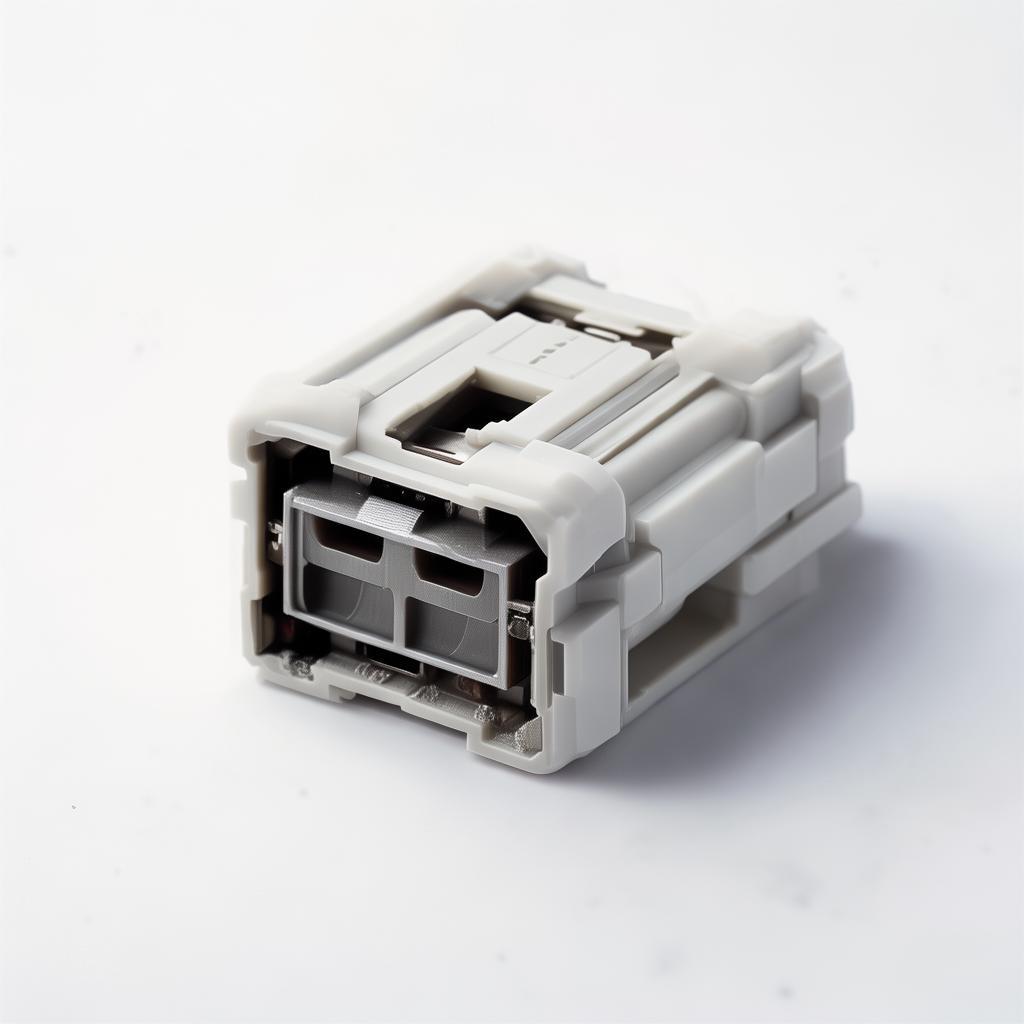
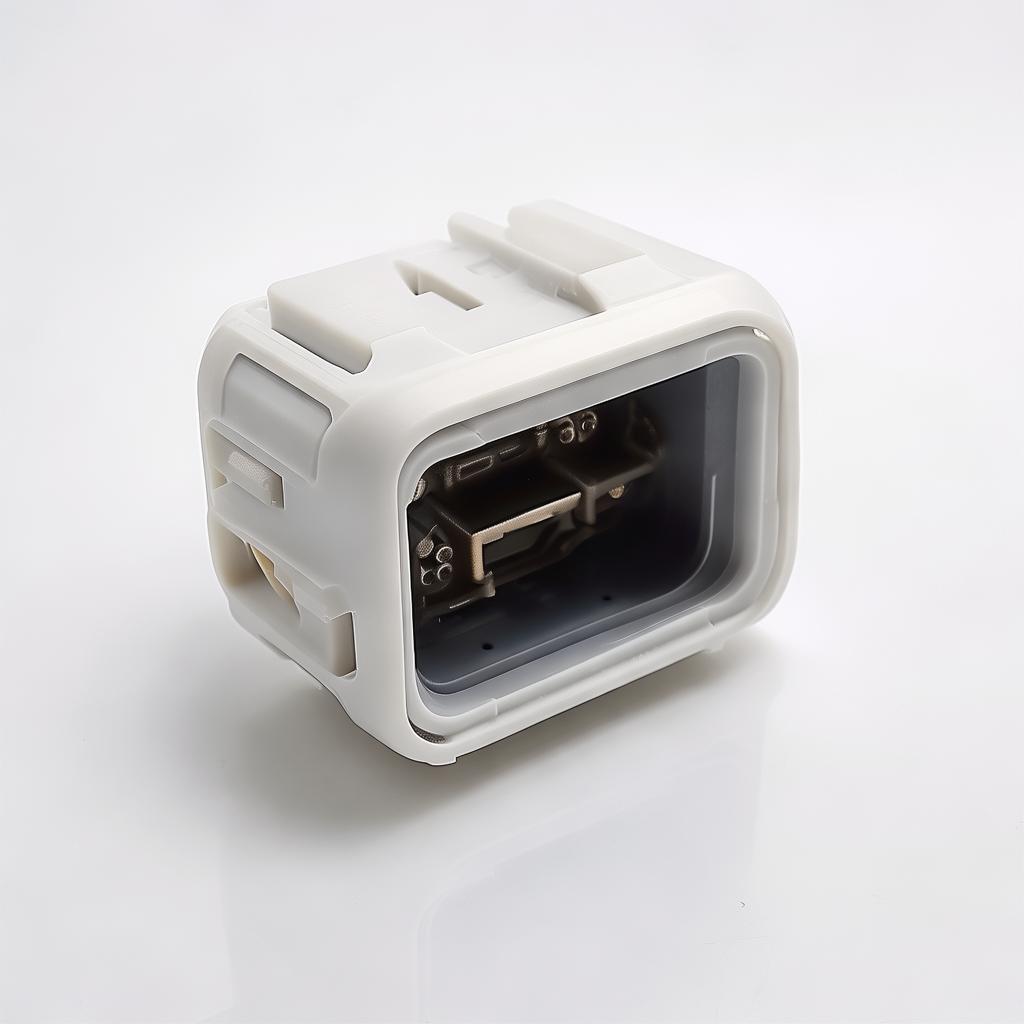
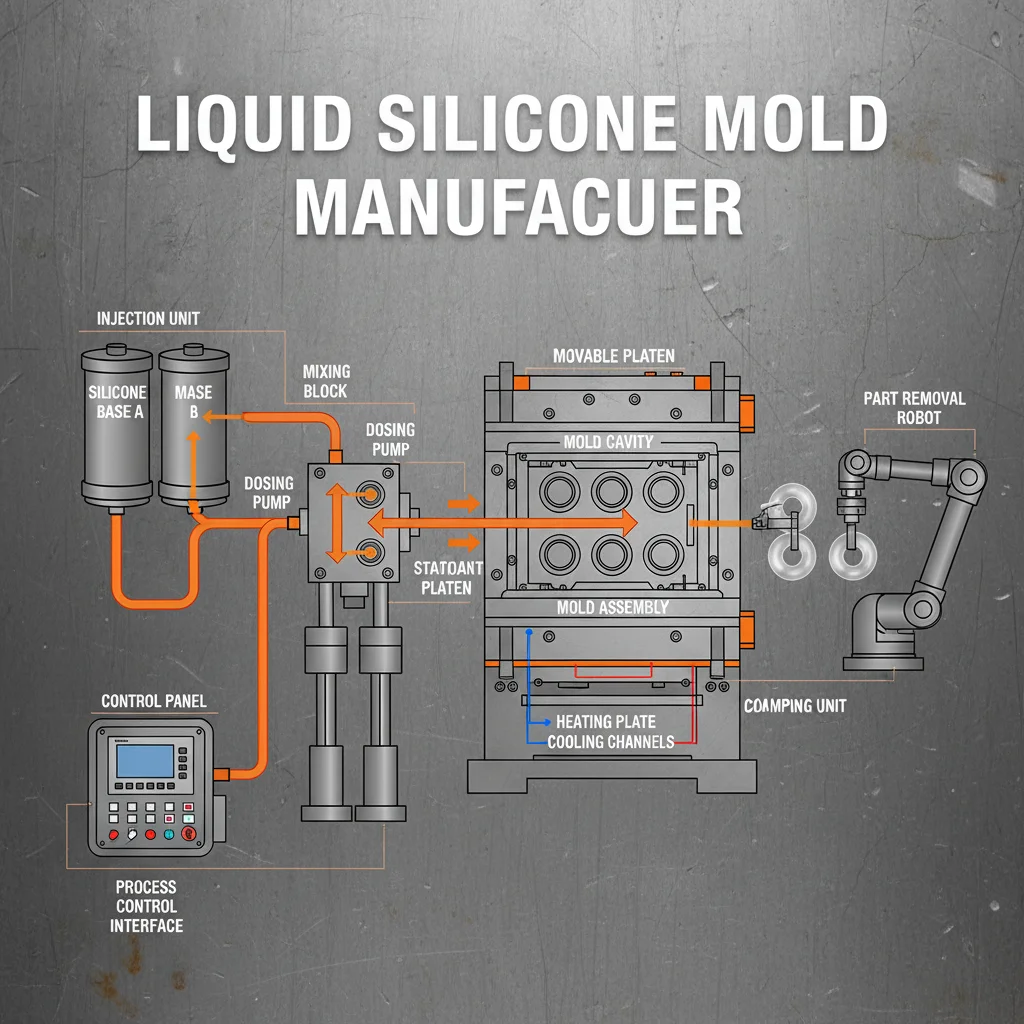
Engineering solutions thrive on understanding the interplay between materials, tooling, and process dynamics. At Guangdong Yingtai High Precision Technology Co., Ltd., we leverage advanced liquid silicone rubber (LSR) injection molding technologies coupled with rigorous mold flow simulation to minimize cycle times and reduce defects in prototypes and volume production alike.
Our approach integrates:
CAE simulation calibration: Employing high-fidelity rheological data ensures accurate predictions of cavity fill, curing behavior, and potential voids, as observed in industry research by MDPI and ScienceDirect (MDPI Study).
Vacuum-assisted mold techniques: Utilizing air evacuation prevents bubble formation in soft robotic components—essential for medical and wearables where material integrity is non-negotiable (Springer Report).
Multi-shot molding: Combining LSR with engineered plastics (ABS, PC) expands functional design, enhancing adhesion and surface finishing for complex assemblies.
Rapid tooling development: We adopt high-precision milling and EDM dressing to produce durable molds capable of sustaining consistent cavity pressure balance and venting, minimizing flash defects.
Real-world production experience informs our continuous optimization of cycle parameters. For instance, tweaking injection temperature by mere degrees or adjusting cure profiles can materially affect dimensional stability and reduce scrap rates.
Material Selection & Comparison
Selecting the right material is a pivotal early decision, especially for silicone and plastic prototypes destined for high-precision applications. Here’s a brief comparative snapshot:
Material
Key Characteristics
Typical Applications
Compliance & Certification
Liquid Silicone Rubber (LSR)
High biocompatibility, UV & temperature resistance (-60°C to 230°C), excellent elongation and tear strength
Medical devices, automotive seals, consumer electronics, wearable tech
FDA, ISO 10993, RoHS, CE
Thermoplastics (ABS, PC)
Rigid structural support, moderate heat resistance (~100°C), good impact strength
Enclosures, mounts, multi-component assemblies
UL, RoHS, REACH
Solid Silicone Rubber
Higher tear resistance, compression set resistant, better surface hardness control
Gaskets, seals, vibration dampening
FDA, ISO 9001, CE
Notably, the fluidity and cure kinetics of LSR enable exquisite, thin-walled designs unattainable by traditional silicone rubbers—bringing a distinct advantage in medical-grade and electronics sealing applications. However, for applications demanding higher mechanical loads, thermoplastics or solid silicone composites remain indispensable.
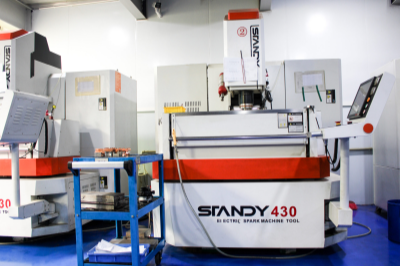
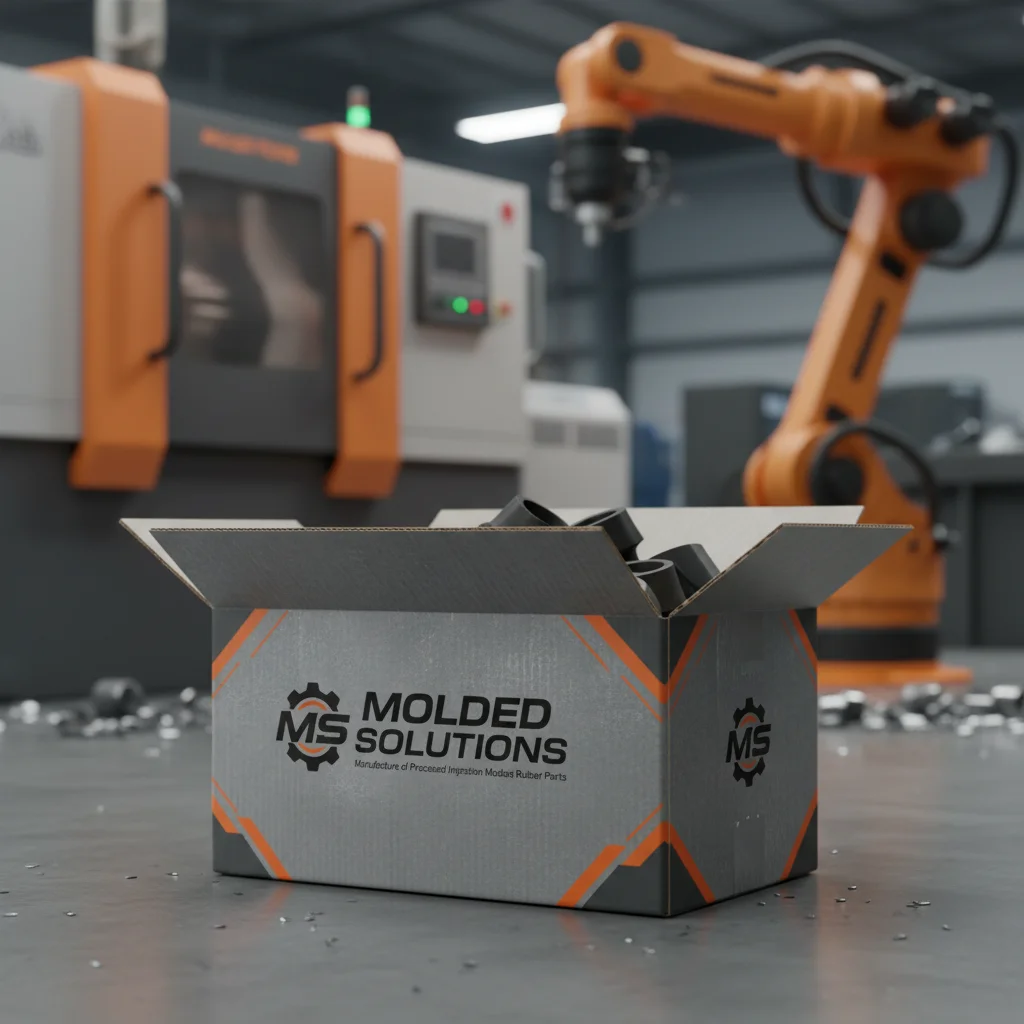
Advanced liquid silicone injection molding machines in operation at Guangdong Yingtai High Precision Technology Co., Ltd.
Situated in Dongguan’s Changan Town, Guangdong Yingtai boasts a 35,000 m2 industrial park equipped with 55 LSR molding machines and 80 automatic injection molding presses. This sizable footprint supports everything from rapid prototyping to high-volume precision manufacture on a single integrated production line.
We maintain stringent quality assurance through:
ISO 9001 and ISO 13485 certification aligned quality systems
CE and RoHS compliance ensuring environmental and safety standards
On-site advanced inspection labs with digital metrology, hardness testers, and material analyzers
In-house tooling fabrication for accelerated mold development and modifications
Our comprehensive industry expertise spans liquid silicone molding, plastic overmolding, and assembly services, backed by a skilled technical team of over 500 professionals. Our end-to-end intellectual manufacturing system optimizes every step—from CAD-based mold simulations to finished product inspections—yielding consistent precision and reduced cycle times.
Procurement Considerations for Engineering & Prototyping
Making informed supplier choices early mitigates costly iterative work and delays. Here are practical advice points for procurement professionals evaluating engineering & prototyping partners:
Verify tooling capabilities: Is the factory able to produce precision molds with advanced cavity balancing and venting technology?
Check prototype-to-production transition workflows: Ask about their model for scaling mold life cycles and process parameter transferability.
Inquire about material sourcing: Are they stocking certified LSR and plastics, or relying on variable third-party suppliers?
Request technical documentation: Including molding process windows, part inspection reports, and simulation validation data—transparency here signals maturity.
Plan logistics early: Discuss container loading optimization to reduce freight costs and lead time risks, especially for cross-border shipments.
Check OEM & ODM capabilities: Can the partner assist with design for manufacturability advice or co-develop molds to reduce cycle iterations?
Early engagement with a seasoned manufacturing partner who understands both engineering demands and procurement workflows provides a boost in timeline certainty and cost control. Guangdong Yingtai’s proven record in OEM/ODM production makes us a reliable choice for overseas buyers targeting US and EU markets.
Customer Reviews & Experiences
Michael T., Procurement Manager – San Jose, CA
"Collaborating with Yingtai on our liquid silicone gasket tooling significantly reduced iteration cycles. Their engineering team quickly addressed mold adjustments with clear communication, cutting prototype lead time by roughly two weeks compared to previous suppliers. Their material certifications helped us pass FDA validation with confidence."
Get in Touch
If you have any camping barbeque equipment inquiry, please feel free to contact us.