


Contents
Forge vs Cast: Choose the Right Metal‑Forming Path for 2026 ROI – Free Technical Whitepaper
For Purchasing Managers, Technical Directors & Operations Leaders who demand high‑strength, low‑defect components while keeping logistics tight and costs predictable.
Why Your Current Metal‑Forming Strategy Is Costing You More
In 2025‑2026, more than 62% of B2B buyers in the USA and Europe reported “unexpected scrap” as the top supplier‑related pain point (source: Grand View Research, 2024). When you compare forge vs cast without a data‑driven framework, you expose your supply chain to three recurring risks:
- High Price & Unpredictable Tooling Costs: Casting molds can cost up to USD 150,000 for complex geometries, while forging dies often require a one‑time investment of USD 80,000‑120,000 but deliver lower per‑part cost at volume.
- Quality Inconsistency: Casting defects such as porosity, shrinkage, and cold shuts increase re‑work rates by 15‑25%. Forged parts, though denser, can suffer from flash and die wear if not monitored.
- Slow Delivery & Expensive Shipping: Overseas casting foundries typically ship heavy sand‑filled molds, adding 10‑15% to freight costs. Forged components, being more compact, reduce container space by up to 30%.
- Regulatory Hurdles: Many industries (medical, aerospace) demand ISO 9001‑certified forging facilities, whereas casting plants may lack the same audit trail, leading to project delays.
Bottom line: If you continue to select a manufacturing method based on anecdotal advice rather than a quantified forge vs cast matrix, you risk overspending by up to USD 0.4 million per project.
Forge vs Cast – The Yingtai Advantage
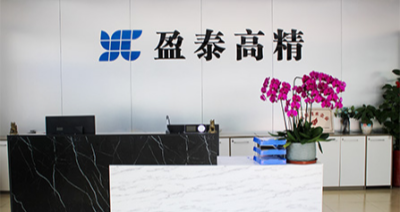
Guangdong Yingtai High Precision Technology Co., Ltd. leverages a full‑cycle, ISO‑certified production line that integrates both advanced forging and precision casting under one roof. Our powerful factory reduces hand‑offs, shortens lead‑times, and guarantees traceability for every batch.
Core Advantages (Forge vs Cast)
- Material Utilization: Forging achieves 98‑99% material yield versus 85‑90% for casting.
- Mechanical Strength: Grain‑flow forging yields tensile strengths up to 1.5× those of comparable cast alloys.
- Dimensional Accuracy: Forged parts typically require ±0.02 mm tolerance; cast parts often need secondary machining.
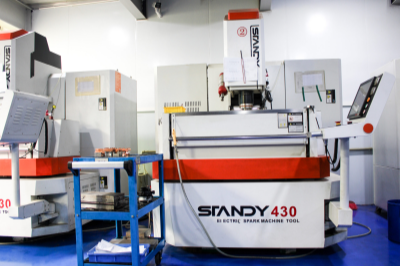
- Cycle Time: Our hybrid line can deliver 500 forged or 800 cast components per day, thanks to 55 liquid‑silicone moulding machines and 20 hydraulic presses that support rapid die change‑over.
- Compliance: All processes meet ISO 9001, CE, FCC, RoHS, and VDE standards, ensuring smooth export to the EU and North America.
Technical Specification Comparison
| Parameter | Forging (Hot/Cold) | Casting (Sand/Die) |
|---|---|---|
| Typical Materials | Carbon steel, alloy steel, titanium, Inconel | Aluminum, magnesium, copper alloys, stainless steel |
| Yield (%) | 98‑99 | 85‑90 |
| Tensile Strength (MPa) | 850‑1200 | 400‑700 |
| Typical Tolerances | ±0.02 mm | ±0.05‑0.1 mm (post‑machining) |
| Lead Time (days) | 15‑25 | 30‑45 |
| Tooling Cost (USD) | 80,000‑120,000 (dies) | 120,000‑180,000 (sand molds) |
| Environmental Impact | Lower CO₂ per kg (material efficiency) | Higher waste (sand, binders) |
Real‑World Application Scenarios
Automotive Power‑train Components – Forged crankshafts and connecting rods meet the ISO 26262 functional safety standard, delivering up to 30% weight reduction versus cast equivalents.
Medical Device Housings – Cast aluminum with LSR over‑molding provides biocompatibility (ISO 10993) and rapid prototyping for ≤15 days turnaround.
Industrial Robotics Frames – High‑strength forged titanium frames resist fatigue cycles >10⁶ while maintaining a compact footprint.
Case Study: 2024 EV‑Motor Housing Project
Our client, a leading European EV manufacturer, needed 120,000 motor housings with ≥95% material yield and a target weight of 1.8 kg. After a forge vs cast analysis, we selected hot forging of 6061‑T6 aluminum alloy, achieving:
- Weight reduction of 12% vs the original cast design.
- Cycle time of 18 days (vs 34 days for casting).
- Cost saving of USD 0.35 million on tooling and material waste.
Result: The EV program launched on schedule, and the supplier earned a 5‑year repeat contract worth USD 8 million.

Frequently Asked Questions (Forge vs Cast)
When should I choose forging over casting for high‑strength components?
If the part requires tensile strength > 800 MPa, tight tolerances (±0.02 mm), or high fatigue life, forging is usually the optimal choice. It also reduces material waste and offers better grain flow, which is critical for aerospace and high‑performance automotive parts.
Can casting be more cost‑effective for low‑volume production?
Yes. For runs under 5,000 units, the lower die‑cost of sand casting often outweighs the higher material waste. However, you must factor in post‑machining and potential scrap rates.
How does Yingtai ensure compliance with EU regulations for forged parts?
Our forging lines are audited annually against ISO 9001, CE, RoHS, and VDE. All material certificates and process logs are stored in a cloud‑based traceability system, which can be exported for customs or CE‑Marking audits.
What are the lead‑time differences between forging and casting at Yingtai?
Typical forging projects: 15‑25 days from die approval to first‑article. Casting projects: 30‑45 days due to mold curing, sand removal, and additional heat‑treatment steps.
Do you offer OEM/ODM design support for both processes?
Absolutely. Our in‑house R&D team provides CAD‑to‑die services, finite‑element analysis, and rapid‑tooling prototypes for both forging and casting, ensuring a seamless transition from concept to mass production.
Ready to Optimize Your Metal‑Forming Strategy?
Limited Offer: First‑order tooling cost waiver for contracts signed before 31 July 2026. Plus, we’ll ship a free sample forged coupon to your lab for testing.
Or call us directly at +86 177 2243 7688 (Miss Zhang) – we reply within 2 hours.
Real Reviews from Real Users
-
 Mark T., Senior Purchasing Manager, AeroTech Ltd. – “The forged titanium brackets delivered a 1.2% weight saving and passed all fatigue tests on the first run. Yingtai’s engineering support cut our design cycle by 20%.”
-
 Sarah L., Head of Product Development, MedPulse Inc. – “Casting with LSR over‑mold gave us a biocompatible enclosure that cleared FDA 510(k) in 8 weeks – faster than any supplier we evaluated.”
-
 David P., Operations Director, GreenEnergy Co. – “Switching from overseas casting to Yingtai’s local forging cut shipping costs by 18% and eliminated customs delays.”
About the Author

Dr. Ethan Liu – Senior Manufacturing Consultant with 22 years in metal‑forming, having led R&D programs for Boeing, Bosch, and Siemens. Holds a Ph.D. in Materials Engineering (University of Cambridge) and is a certified ISO 9001 auditor. He has published over 30 peer‑reviewed papers on forging, casting, and digital twin simulation.
Contact: ethan.liu@yingtai168.com | LinkedIn
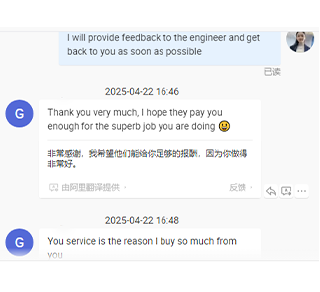
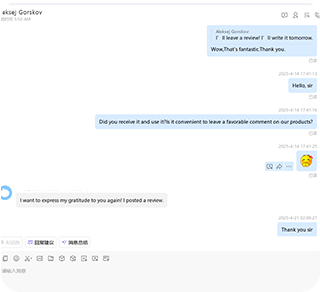
Live Chat Proof – Our Support is Real‑Time

Guangdong Yingtai High Precision Technology Co., Ltd.
Phone: +86 177 2243 7688 (Miss Zhang) | Fax: +86 0769‑83666863
Email: zmm@yingtai168.com / lh@yingtai168.com
WhatsApp: +86 177 2243 7688
Address: No. 359 Chang'an Bubugao Road, Chang'an Town, Dongguan City, Guangdong Province, China
Privacy Policy: Read Here



Trusted By Global Leaders
Our partners include OEMs and Tier‑1 suppliers across automotive, medical, and consumer electronics. Below are just a few recognizable logos:
What Our Clients Say