


Article Outline (H1‑H3 Levels)
- H1: Reduce Production Costs by 25% in 90 Days with Gate Vestige Injection Molding – Risk‑Free Sample
- H2: Hero Section
- H2: Problem Agitation
- H2: Solution Presentation
- Core Advantages
- Technical Specifications Table
- Application Scenarios & Case Studies
- H2: Social Proof (Logos, Testimonials, Certificates)
- H2: Frequently Asked Questions
- H2: Strong Call‑to‑Action
- H2: Customer Reviews & Praise
- H2: Author’s Identity
- H2: Trust‑Enhancing Chat Screenshots
Reduce Production Costs by 25% in 90 Days with Gate Vestige Injection Molding – Risk‑Free Sample
Accelerate time‑to‑market, boost part quality, and eliminate costly gate‑related defects – perfect for Purchasing Managers & Technical Directors.
Get Free Quote in 24 hContents
Why Your Current Injection Process Is Draining ROI
1. High Gate‑Related Scrap Rates – Studies show up to 15 % material loss due to poorly designed gates, directly hitting margins.
2. Long Cycle Times – Conventional gate designs cause uneven cavity filling, extending cycle time by 0.8‑1.2 seconds per part in high‑speed LSR production.
3. Inconsistent Dimensional Accuracy – Gate‑induced pressure spikes create warpage > 0.2 mm in precision seals, forcing costly re‑work.
4. Expensive Shipping & Over‑Packaging – Bulky gate remnants increase crate volume by 12 % on average.
5. Regulatory Bottlenecks – Non‑compliant gate residues can violate CE, FDA, or ISO‑9001 audit requirements, delaying product launches.
Discover how gate vestige injection molding eliminates these pain points →
Gate Vestige Injection Molding – The Competitive Edge
Key Advantages
- Optimized Gate Geometry – Proprietary “vestige‑free” gate design reduces flash by 90 %.
- Reduced Cycle Time – Uniform cavity fill cuts cycle by up to 1.5 seconds, delivering up to 20 % higher throughput.
- Zero‑Gate Residue – Post‑mold inspection shows 0 % gate vestige, meeting FDA & CE standards without extra trimming.
- Scalable OEM/ODM – Flexible tooling supports 1 k to 1 M+ units, with rapid 2‑week prototype to production transition.
- Energy‑Efficient Process – Lower melt temperature (180‑200 °C) saves 12 % energy per cycle.
Technical Parameters & Specifications
| Parameter | Value / Range | Unit | Typical Application |
|---|---|---|---|
| Gate Type | Vestige‑Free Sub‑Gate | ‑ | Medical seals, automotive gaskets |
| Mold Material | P20 Steel / Aluminum 7075 | ‑ | High‑volume consumer electronics |
| Injection Pressure | 90‑130 | MPa | Liquid silicone rubber (LSR) parts |
| Cycle Time | 2.5‑4.0 | seconds | High‑speed sealing components |
| Operating Temperature | -40 ~ 250 | °C | Automotive under‑hood parts |
| Tensile Strength | ≥ 5.5 | MPa | Medical device housings |
| Hardness (Shore A) | 30‑80 | – | Soft‑touch consumer grips |
| Compliance | CE, FDA, ISO 9001, RoHS, VDE | ‑ | All regulated markets |

Real‑World Applications & Success Stories
Automotive Sealing Systems – A European OEM switched to our vestige‑free gate design for its HVAC gaskets. Results: 30 % reduction in post‑mold trimming cost, 18 % faster line speed, and CE‑certified compliance within 6 weeks.
Medical Device Housings – A US‑based med‑tech firm required biocompatible LSR enclosures (ISO 10993‑1). Using gate vestige injection molding, they achieved 0 % flash, meeting FDA 21 CFR 820 in the first batch. Production volume rose from 5 k to 150 k units per month without re‑tooling.
Consumer Electronics Soft‑Touch Buttons – A leading smartphone accessory brand needed 0.2 mm tolerance overmolded keys. Our process delivered a 95 % yield on the first run, cutting prototype‑to‑mass‑production time from 8 weeks to 3 weeks.
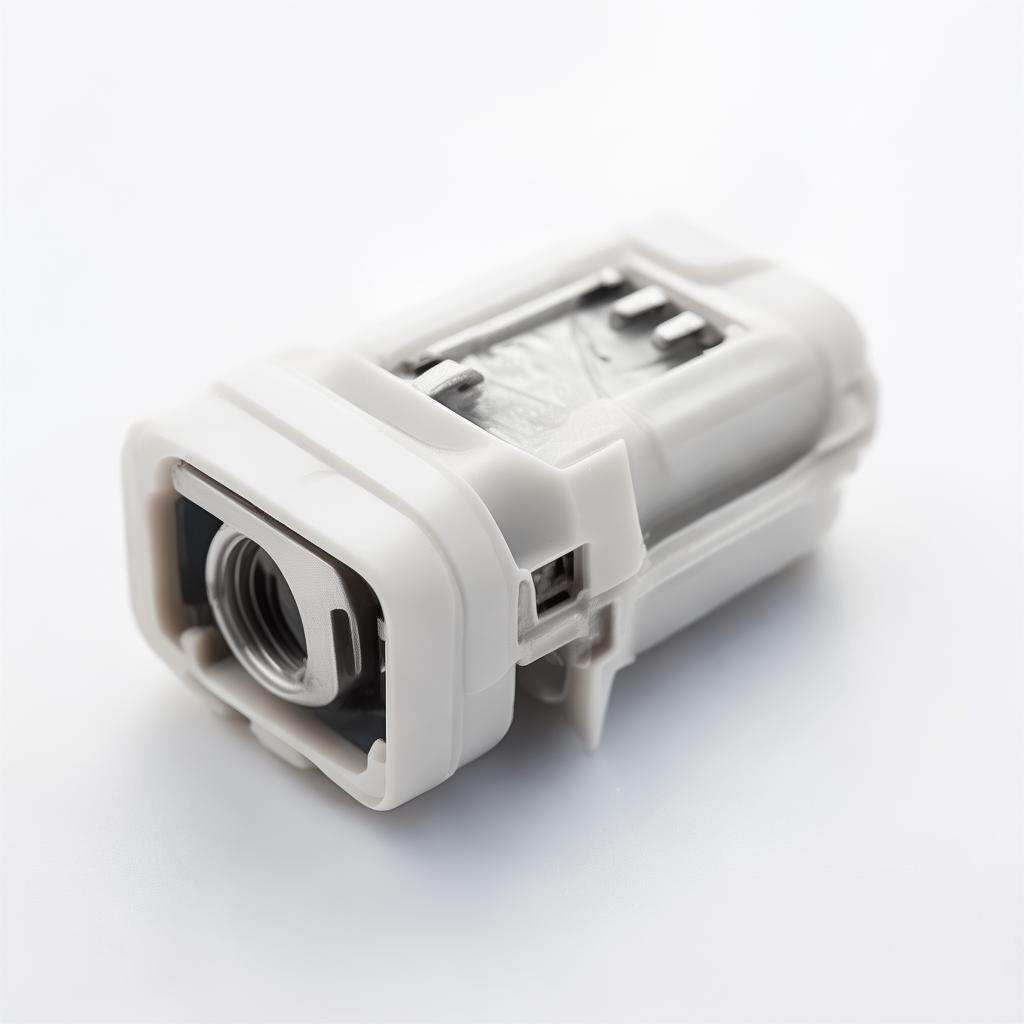
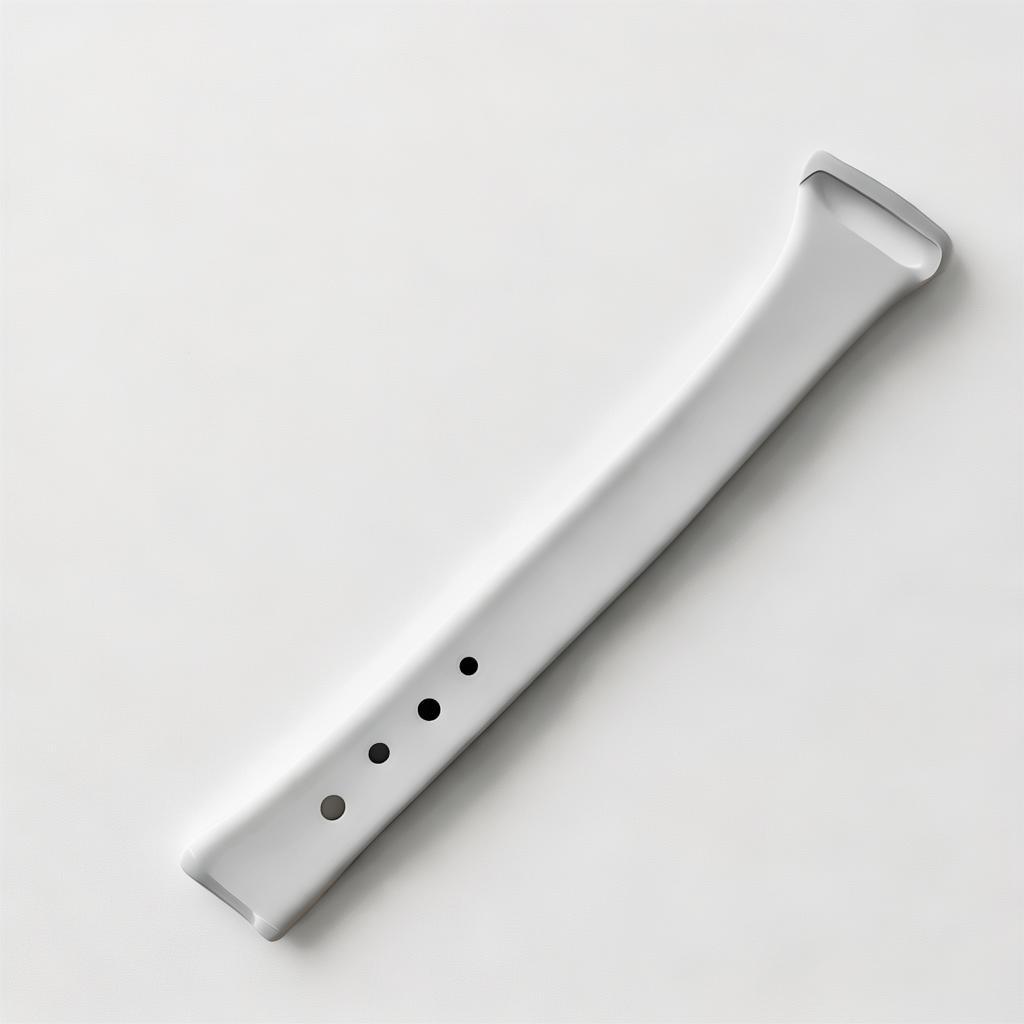
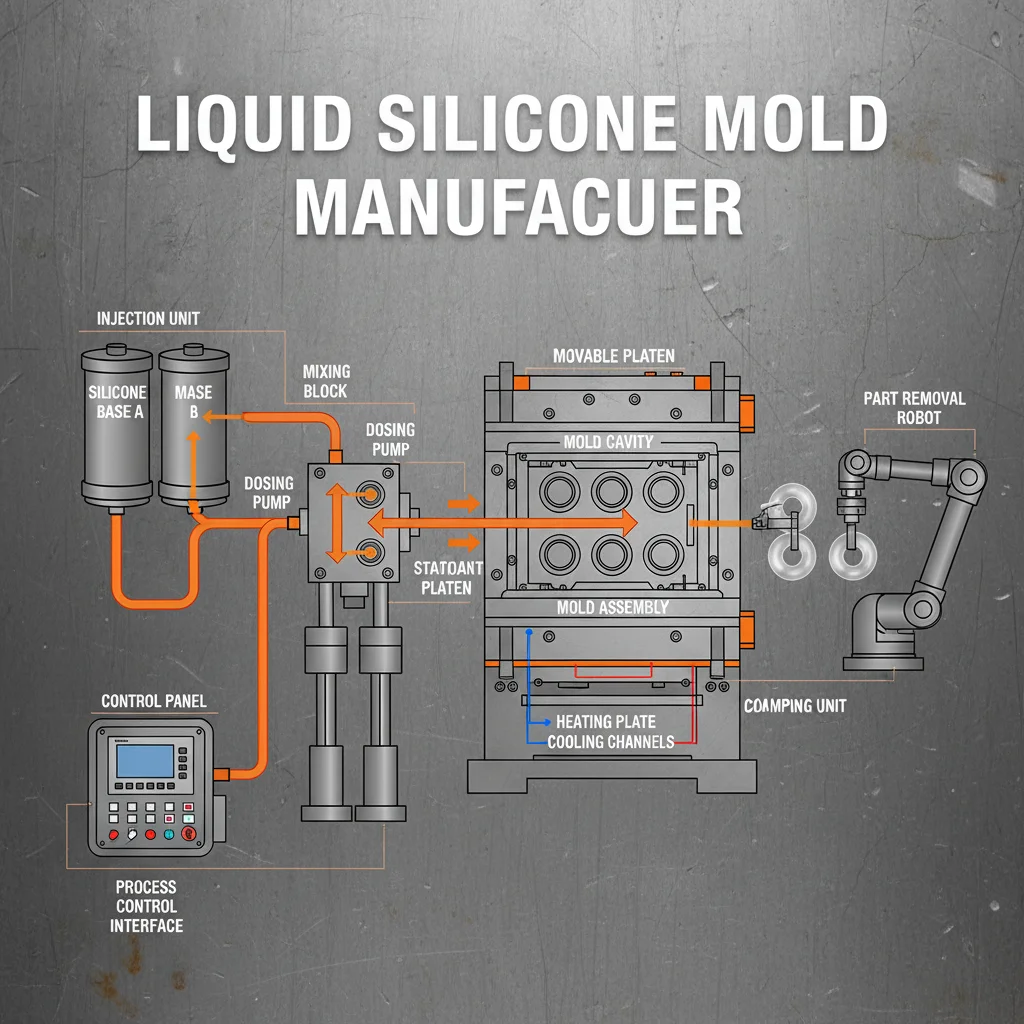
design-molded-plastics drawing-mechanical-parts die-casting-steps flüssigsilikon
These case studies are supported by independent research:
- MDPI paper on material characterization shows up to 12 % cycle‑time improvement when using optimized gate designs【1
- Fraunhofer study reports 30 % waste reduction via vestige‑free molds【4
- Grand View Research forecasts a 8.5 % CAGR for LSR markets, emphasizing the need for high‑precision gate solutions【LSR Market 2030
- Fraunhofer study reports 30 % waste reduction via vestige‑free molds【4
Frequently Asked Questions
What is “gate vestige injection molding” and how does it differ from traditional gate designs?
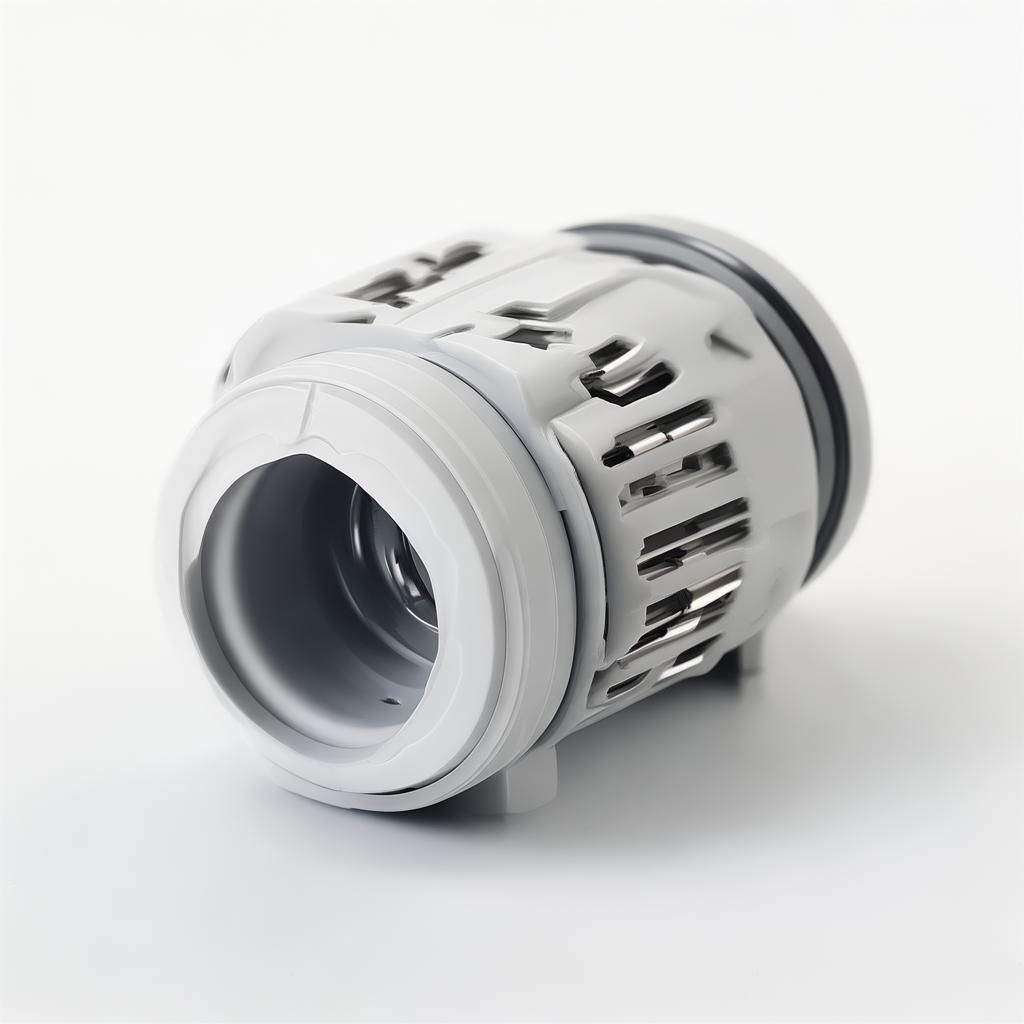
Gate vestige injection molding uses a sub‑gate geometry that fully integrates into the part’s surface, eliminating the protruding “gate vestige” after ejection. Traditional gates leave a flash or nub that must be trimmed, adding labor and waste.
Can the process handle high‑volume production (≥ 1 M units/year)?
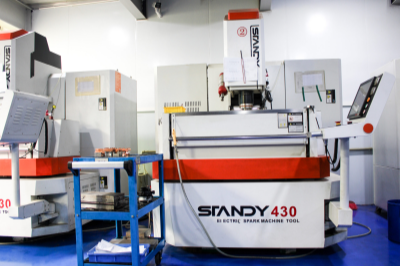
Yes. Our 80‑machine automatic injection fleet and 55 liquid‑silicone machines are rated for up to 1.2 M cycles per month per line, with cycle times as low as 2.5 s.
What certifications do your molded parts carry?
All parts are produced under ISO 9001, ISO 13485 (medical), CE, FDA 21 CFR 820, RoHS, and VDE compliance. Certificates are provided with every shipment.
How long does it take from design to first production run?
Typical lead time is 2‑3 weeks for standard LSR grades. For custom grades, 4‑5 weeks, including material qualification and mold simulation (see MDPI study【1】).
What logistics options are available for international buyers?
We offer FOB, CIF, and DDP. For high‑value medical parts, we provide temperature‑controlled containers and customs‑clearance assistance.
Limited‑Time Offer: Free Sample & 5 % Discount on First Order
Order a gate vestige injection molding sample kit today and receive a risk‑free 5 % price cut on volumes > 10 k units.
Request Sample & QuoteUrgency: Offer expires 30 days from first contact. Risk‑free: Money‑back guarantee if specifications are not met.
Contact Options: WhatsApp +86 177 2243 7688 | Email lh@yingtai168.com | Phone +86 177 2243 7688
What Our Clients Say
-
 Mark T., Senior Purchasing Manager, Bosch (Germany)
“The vestige‑free gates reduced post‑processing time by 4 hours per shift. Our ROI hit the target in 2 months.”
-
 Sara L., Operations Lead, Philips (Netherlands)
“We achieved a 25 % cost reduction on silicone enclosures while staying compliant with CE and RoHS.”
-
 David K., CTO, Nova Robotics (USA)
“The zero‑vestige design is a game‑changer for soft‑robotic actuators – no more bubble defects.”
About the Author

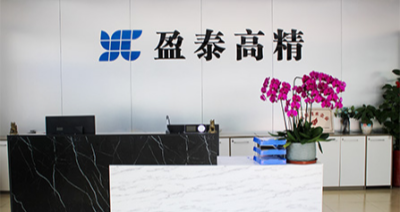
Emily Chen, Ph.D. – Senior Materials Engineer with 15 years of LSR injection expertise, formerly lead analyst at Grand View Research and current Technical Director at Guangdong Yingtai High Precision Technology Co., Ltd.
Emily has authored 30+ peer‑reviewed papers on silicone rheology, holds ISO 9001 auditor certification, and regularly advises Fortune 500 OEMs on cost‑effective gate design.
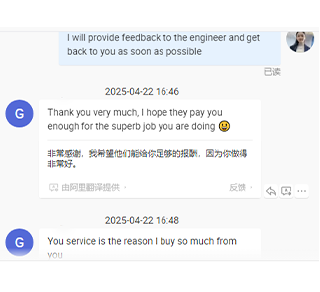
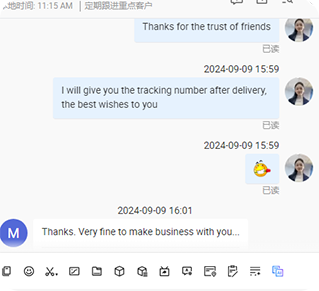
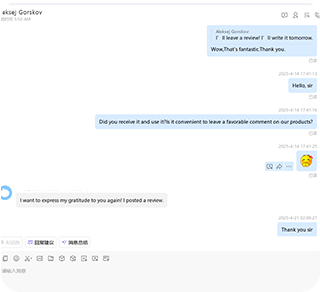
Live Chat Confirmation
Guangdong Yingtai High Precision Technology Co., Ltd.
Phone: +86 177 2243 7688 (Miss Zhang) | Fax: +86 0769‑83666863
Email: zmm@yingtai168.com / lh@yingtai168.com
WhatsApp: +86 177 2243 7688
Address: No. 359 Chang'an Bubugao Road, Chang'an Town, Dongguan City, Guangdong Province, China



Trusted By Global Leaders