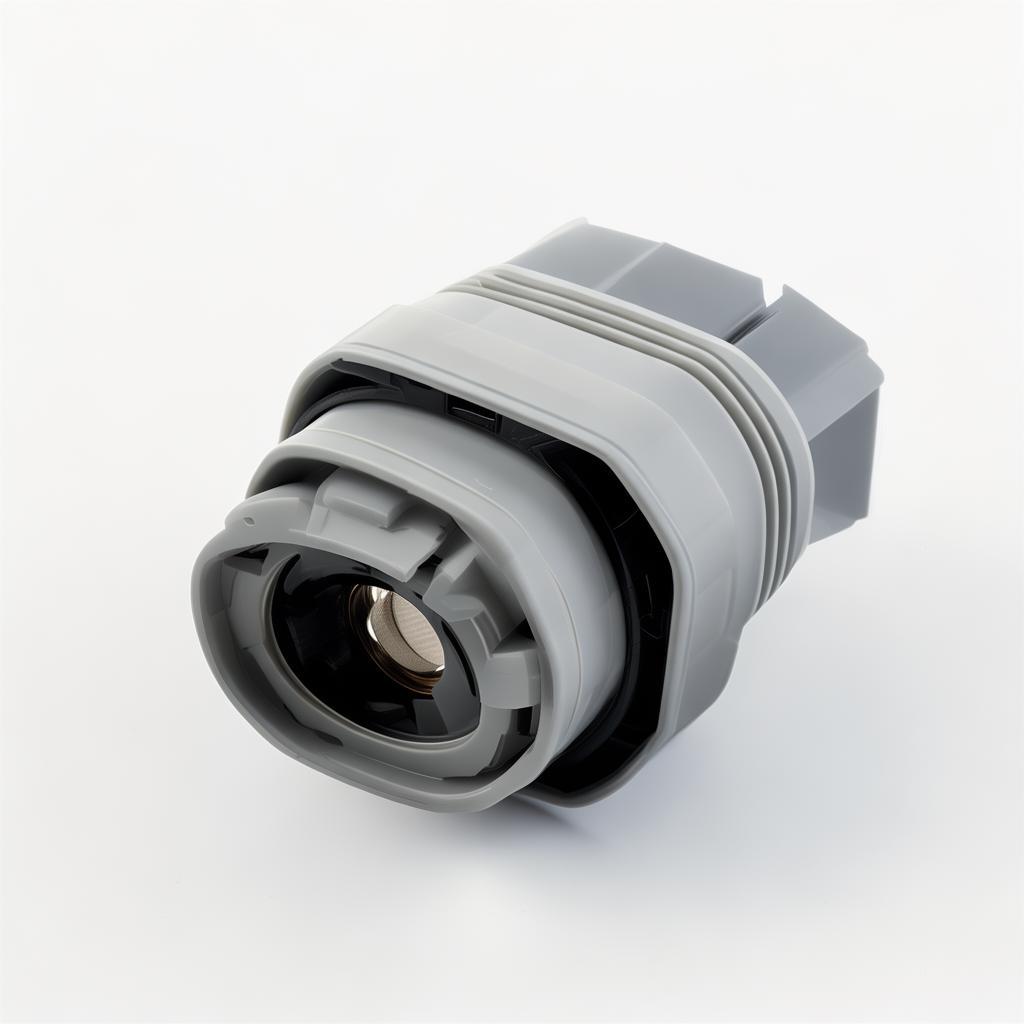
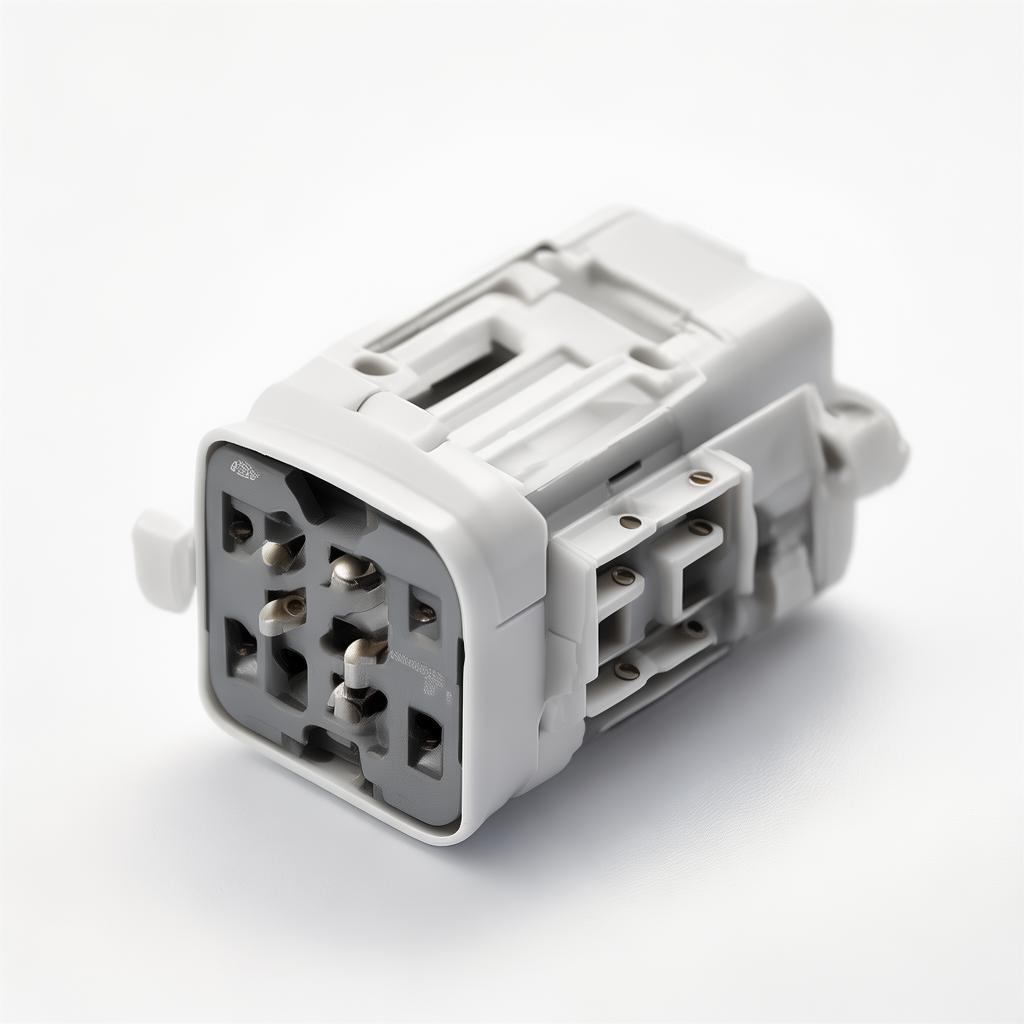
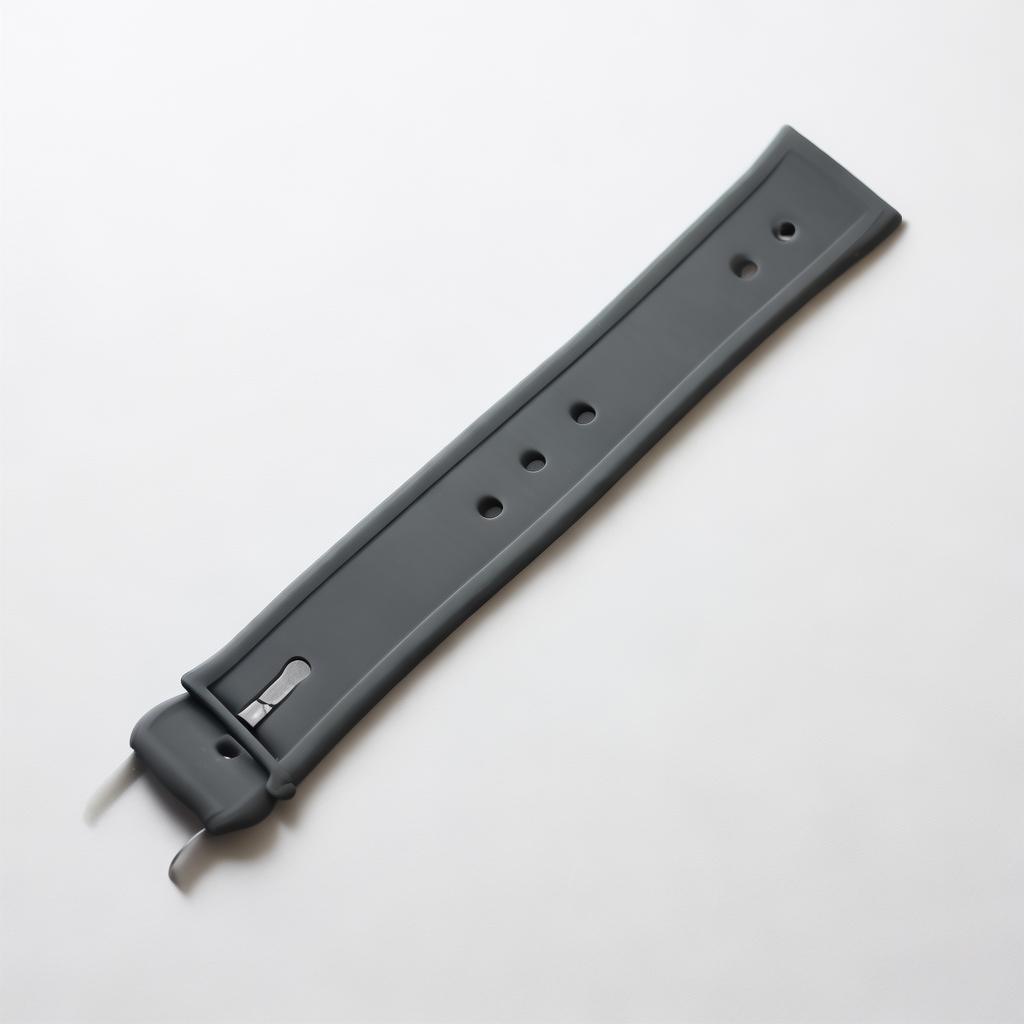
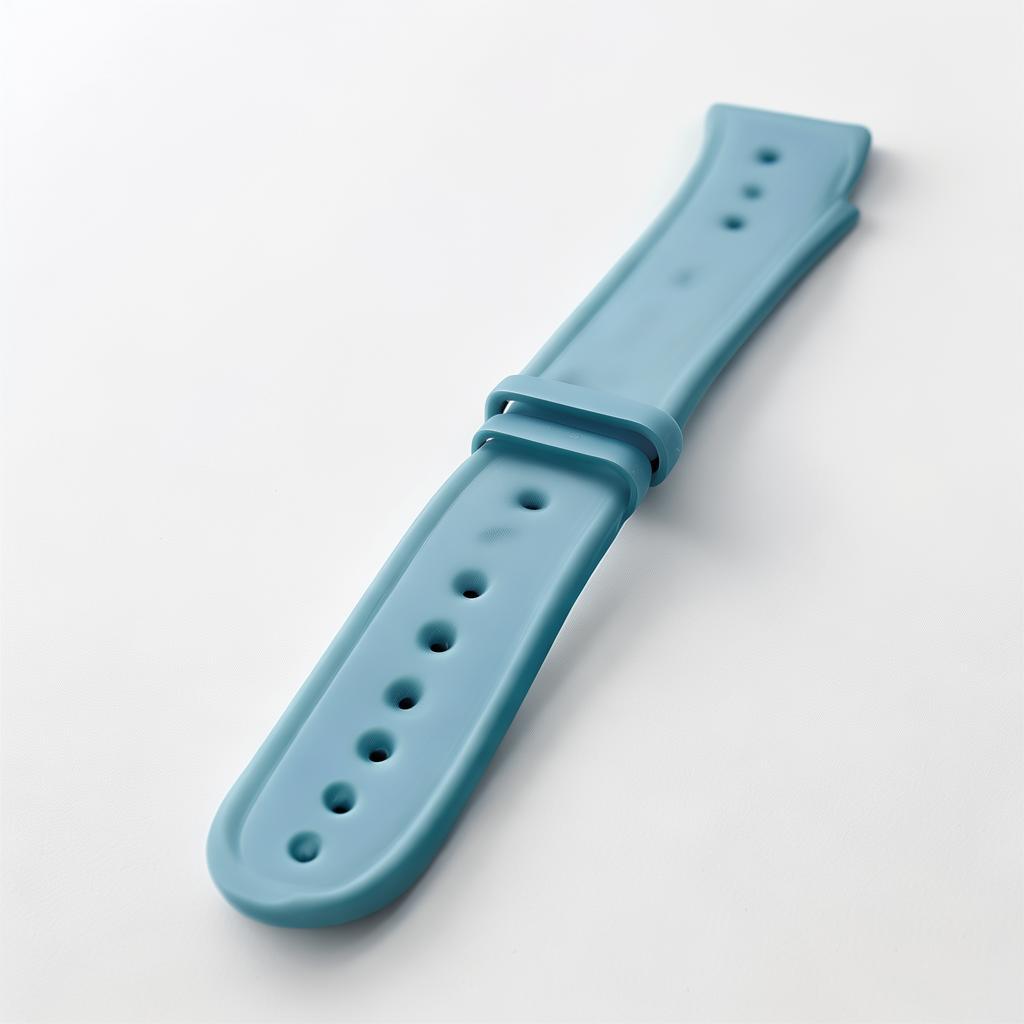
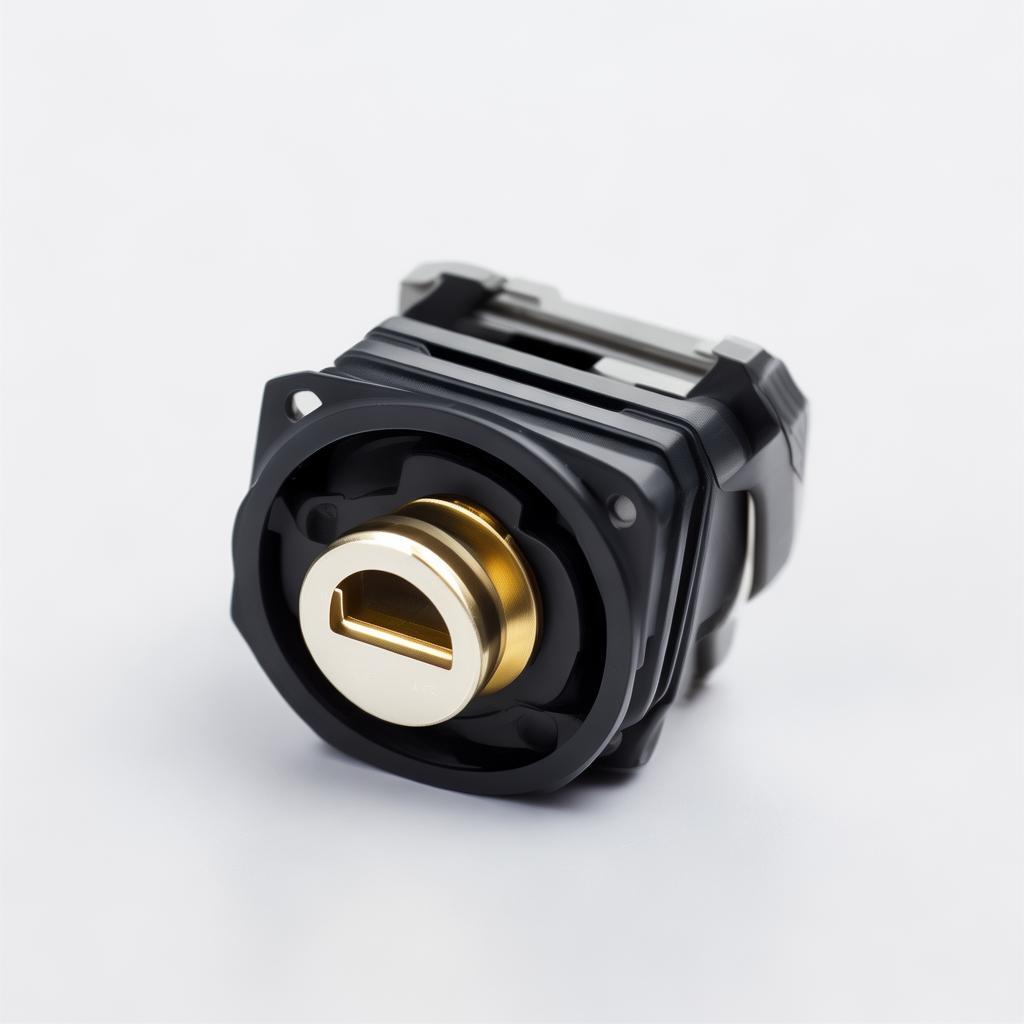
High And Low Temperature Resistant Lsr Silicone Rubber Parts
High And Low Temperature Resistant Lsr Silicone Rubber Parts
Precision-engineered silicone components for demanding industrial environments In today’s industrial landscape, the demand for silicone rubber parts capable of reliably performing under high and low temperature extremes continues to grow sharply. Across sectors such
Product Details
High and Low Temperature Resistant LSR Silicone Rubber Parts
Precision-engineered silicone components for demanding industrial environments
Introduction: Precision Silicone Rubber for Extreme Temperatures
In today’s industrial landscape, the demand for silicone rubber parts capable of reliably performing under high and low temperature extremes continues to grow sharply. Across sectors such as automotive manufacturing, consumer electronics, medical devices, and aerospace, engineers and procurement professionals are challenged to find materials that not only meet rigorous thermal specifications but also provide durability and compatibility with complex assembly processes.
Liquid Silicone Rubber (LSR) has become a preferred material in this context due to its exceptional thermal stability, outstanding chemical resistance, and excellent mechanical properties. Our high and low temperature resistant LSR silicone rubber parts cater specifically to those seeking components that maintain functional integrity across wide temperature ranges — typically from as low as -60°C up to +230°C or beyond — without cracking, warping, or accelerated aging.
From the perspective of procurement directors and technical managers, the adoption of these materials comes with critical considerations:
Reliable supplier expertise in multi-shot injection molding techniques adaptable for tight tolerances
Compliance with industry certifications such as ISO 9001, FDA for food-grade applications, and RoHS for environmental safety
Material traceability and batch consistency to support medical-grade or aerospace-rated component manufacturing
Optimized logistics planning for shipping temperature-sensitive elastomers globally with minimal lead time
Part design flexibility to align with OEM/ODM customer-specific technical requests and tooling requirements
Yingtai High Precision Technology Co., Ltd. has leveraged over two decades of industrial production experience to develop LSR solutions that deliver on these exact parameters. With an emphasis on precision mold design, advanced rheological profiling, and stringent quality assurance, we help global customers mitigate risks associated with silicone part failures, unexpected downtime, or regulatory non-compliance.
According to extensive market research from Grandview Research and others, the global liquid silicone rubber market is poised for substantial growth — expected to reach nearly USD 5 billion by 2030 with a CAGR of 8–9%. This trajectory is fueled by escalating demand in medical devices, automotive sealing components, and consumer electronics, all of which rely heavily on high and low temperature resistant LSR parts.
From an operational standpoint, many purchasing managers find the challenge lies not just in sourcing the correct grade of silicone but also in understanding the implications of process variables including curing kinetics, injection molding cycle times, and thermal aging profiles. The interplay between material science and advanced manufacturing technology determines the success of parts destined for harsh environments, from extreme cold storage systems to engine compartments exposed to rapid heat fluctuations.
Note: Proper data interpretation from simulation tools backed by reliable material characterization directly influences production yield and operational uptime. Ignoring these factors can lead to costly recalls or product failures post-deployment.
Industry Challenges: Why Temperature Resistance Demands More Than Just Material Choice
High and low temperature resistant silicone rubber parts are indispensable in settings where thermal cycling, chemical exposure, and intense mechanical stresses converge. However, the successful implementation of LSR parts depends on addressing several interconnected industry pain points:
Thermal deformation: Parts must sustain elasticity and dimension stability without shrinkage or warping across long operational hours. Even minor deviations lead to sealing failure or mechanical disengagement.
Material compatibility: Interaction with other assembly components often requires careful selection of silicone grades with complementary hardness, compression set, and chemical resistance profiles.
Manufacturing variability: Inconsistent vulcanization or cavity pressure during injection molding may cause inconsistent cure levels and dimensions. This is particularly critical for multi-cavity toolings or complex geometries.
Supply chain logistics: Silicone materials, especially temperature sensitive grades, must be stored and transported under controlled conditions to prevent premature cross-linking or material degradation.
Cost vs. performance trade-offs: Selecting premium materials and specialized tooling often results in higher upfront expenditures that must be justified against lifecycle durability and operational savings.
For procurement leaders, these challenges underscore the importance of partnering with a manufacturer who combines material science with advanced industrial engineering. Temporary cost savings on sub-standard materials often translate into greater long-term losses from production line stoppages, product returns, or warranty claims.
Furthermore, emerging environmental regulations in markets like North America mandate compliance with standards including RoHS and REACH, requiring detailed documentation on chemical content and production processes. This regulatory complexity adds another layer to supplier vetting.
Buyers should beware of suppliers lacking clear certification or demonstrable quality management systems; traceability is key for both performance and legal compliance.
Technical Deep Dive: Understanding High & Low Temperature Resistant LSR Silicone Rubber
At its core, Liquid Silicone Rubber (LSR) is a two-component platinum-cured elastomer distinguished by its biocompatibility, heat stability, and outstanding mechanical properties. Its unique molecular structure imparts superior thermal resistance compared to standard silicone rubbers, making it ideal for applications traversing harsh temperature ranges.
Manufacturing these specialized parts involves:
Advanced liquid injection molding (LIM) techniques using automated two-shot or multi-shot processes to achieve precise dimensional control and complex geometries.
Careful rheological profiling to tailor injection parameters ensuring minimal shear stress and optimal cavity fill, reducing defects such as flash or voids.
Thermal curing optimization to balance cross-linking density against cycle time, minimizing residual stress and enhancing longevity.
These parts are often rated to withstand temperatures from -60°C (for cryogenic or deep-freeze stability) up to +230°C (for engine compartments or high-temp electronic seals) without losing elasticity or mechanical integrity.
Technical Specification Comparison: High vs. Low Temperature Resistant LSR Grades
We emphasize the use of advanced CAE simulations backed by material characterization techniques that analyze curing kinetics and thermal conductivities in precise detail, as supported by recent research at MDPI Polymers. This step reduces the risk of production defects, ensuring dimensional stability and optimized cycle times.
Applications: Tailored Solutions for Diverse Industry Needs
The versatility of high and low temperature resistant LSR silicone rubber parts places them across a spectrum of demanding environments:
Automotive sector: Sealing gaskets for engine compartments, high-temp connectors, cable insulators, and vibration dampers designed to endure rapid thermal cycling and chemical exposure.
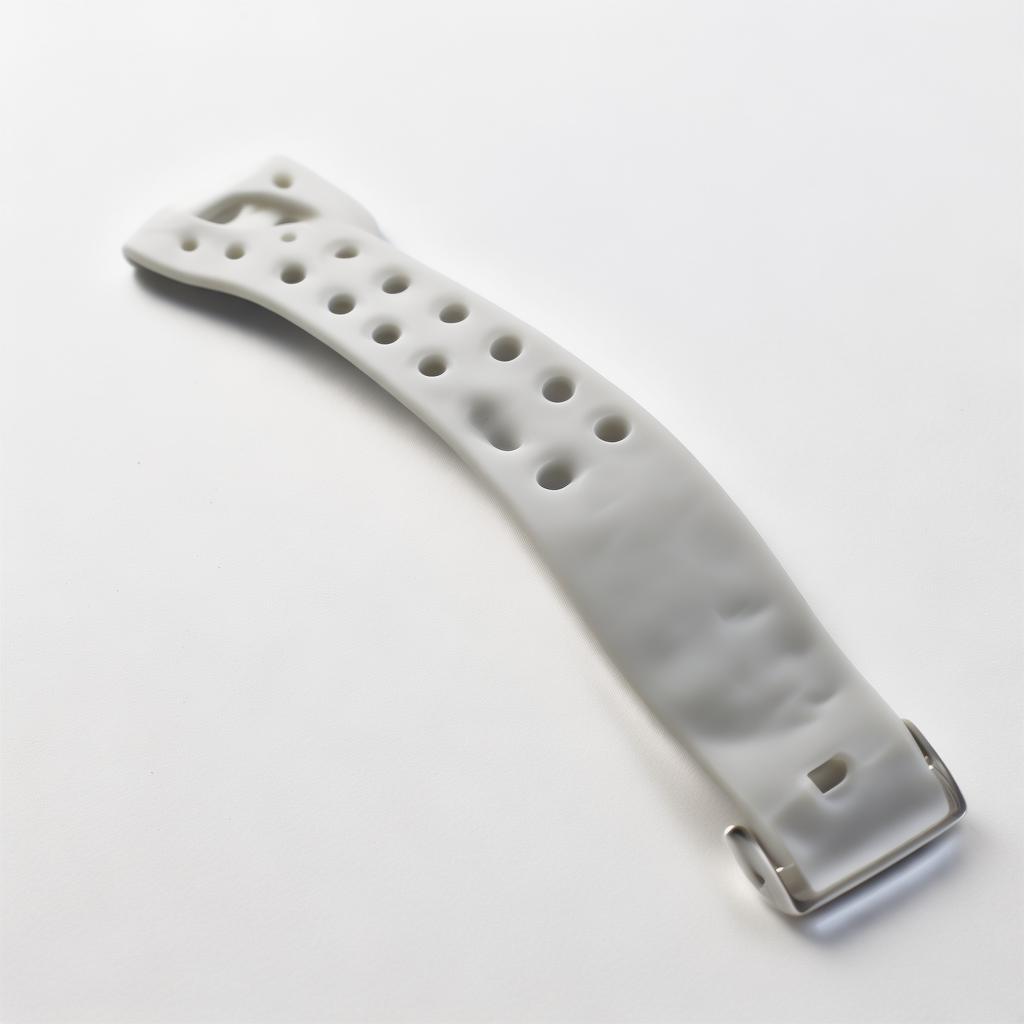
Consumer electronics: Flexible overmolded seals, keypads, and protective covers for wearables, smartphones, and household IoT devices, combining aesthetics with heat and cold resistance.
Medical devices: Biocompatible and sterilizable components for diagnostic equipment, seals in surgical tools, and wearable monitors that require consistent mechanical properties.
Industrial electronics: Precision insulating parts for power modules, sensors, and connectors exposed to fluctuating thermal loads in harsh environments.
Aerospace and defense: Critical sealing and cushioning components rated for extreme temperature swings and chemical inertness.
Importantly, LSR parts manufactured through injection molding offer exceptional reproducibility combined with the ability to integrate complex geometries including undercuts, thin walls, and multi-material assemblies via OEM/ODM collaboration. This capability assists product engineers to shorten design cycles and reduce assembly complexity.
Installation considerations are unique to these applications: many end users report that parts made with optimized LSR formulations noticeably reduce assembly time due to consistent dimensions and softer tactile qualities—which mitigate damage risk during tooling during equipment fitting.
Operational note: Adequate curing and post-molding treatments are crucial. Uncured or partially cured silicone may not meet high temperature endurance specs, leading to premature degradation.
Procurement & Supplier Evaluation: Navigating Risk and Ensuring Quality
Selecting the right supplier for temperature resistant LSR parts requires more than competitive pricing. Here are critical criteria and tips for procurement and technical teams:
Certifications & Compliance: Verify ISO 9001 quality management accreditation, CE/FDA approvals for medical or food-grade parts, and RoHS compliance for environmental safety.
Material Traceability: Ensure batch and lot documentation for every shipment to meet regulatory requirements and facilitate supplier audits.
Manufacturing Capacity & Lead Times: Inquire about machine counts (e.g., injection molding machines, curing presses), mold design capabilities, and typical turnaround times to align with project schedules.
Technical Support & Prototyping: Suppliers offering CAD support, mold flow analysis, and prototype iterations greatly reduce development risks.
OEM & ODM Services: Customized molding and assembly solutions tailored to your specifications enable reduced part count and improved system integration.
Logistics & Packaging: Discuss storage conditions and transport safeguards, especially for temperature-sensitive elastomers requiring controlled environments.
It's a frequent oversight to focus purely on cost when acquiring LSR parts. The hidden costs of material failure, extended downtime, or non-compliance fines typically far outweigh savings from low-cost suppliers lacking technical rigor.
Our recommendation: work closely with suppliers providing transparent testing, process documentation, and fast communication channels. This approach is strongly supported by industry forums — for instance, recent discussions on Reddit Injection Molding Group stress the importance of tooling cost profiling and batch quality audits.
Our Factory Strength and Commitment to Quality Assurance
Guangdong Yingtai High Precision Technology Co., Ltd., based in the manufacturing hub of Dongguan, Changan Town, boasts a 35,000 square meter modern industrial park with extensive LSR fabrication capacities. Our facility includes:
55 sets of liquid silicone molding machines capable of multi-shot injection molding for effortless production of complex parts
80 automatic plastic injection machines for integrated overmolding solutions
20 solid silicone hydraulic presses and 30+ precision tooling machines for mold making and part finishing
State-of-the-art quality control with 20+ advanced testing instruments ensuring consistency and superior performance
Our end-to-end intellectual manufacturing ecosystem covers everything from mold development to finished product assembly, supporting flexible production volumes and rapid scale-up. The in-house technical expertise of over 500 professionals ensures that customers receive expert guidance on material selection, process optimization, and logistics planning.
Certifications: We hold ISO 9001, CE, and FDA certification badges, validated regularly by independent auditors — underscoring our commitment to quality and compliance.
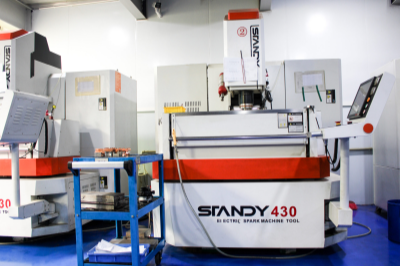
Injection molding machines producing high and low temperature resistant LSR parts
Our export management team has years of experience shipping temperature-sensitive silicone components worldwide, largely to US and European clients. We understand the nuances of container loading, cold-chain logistics, and customs clearance to ensure your order arrives on time and intact.
Frequently Asked Questions (FAQs)
What temperature ranges do your LSR parts cover?
We specialize in LSR materials suitable for -60°C up to +230°C, depending on the grade selected. We recommend consultation to match your exact operating environment.
How do you ensure consistency between production batches?
Every batch undergoes traceability tracking, rigorous quality tests, and process parameter documentation. Continuous production monitoring and advanced rheological data integration minimize variability.
Can you provide OEM and ODM customization for complex geometries?
Yes, we have extensive experience in tooling design and injection process adaptation to custom specifications, supporting multi-material molding and complex assemblies.
What certifications do your products carry?
Our products comply with ISO 9001, FDA (for appropriate grades), RoHS, and CE standards. Full documentation and test reports are available upon request.
What logistics support do you provide for international shipments?
We assist with export declarations, temperature-controlled packaging, and container loading optimizations to prevent damage during transit and expedite customs clearance.
Customer Reviews & Experiences
Mark StevensonProcurement Manager, Chicago
"Partnering with Yingtai was a critical move. Their technical team provided thorough guidance on tailoring silicone grades for our automotive sealing needs. Lead times were consistently met, and the dimensional accuracy of parts helped us reduce assembly errors significantly."
Get in Touch
If you have any camping barbeque equipment inquiry, please feel free to contact us.



 Mark Stevenson
Procurement Manager, Chicago
Mark Stevenson
Procurement Manager, Chicago