Mark J., Procurement Director, Texas
"Ordering custom LSR overmolded seals from Yingtai cut our tooling lead time by three weeks versus previous suppliers. Their technical team helped optimize mold venting on the first prototype — saved months."



When sourcing injection molding and encapsulation product molds, procurement managers and technical engineers frequently encounter several operational and manufacturing hurdles. One familiar challenge is long lead times due to complex mold development and testing cycles. A delayed tooling phase often cascades into shipment setbacks, jeopardizing tight production schedules.
Another persistent issue arises from inconsistent mold quality. Not all suppliers maintain strict controls, resulting in dimensional variances or premature mold wear. In liquid silicone rubber (LSR) molding, the intricacies multiply: air entrapment, poor cavity venting, and improper temperature control can cause defects like bubbles and flash. These industrial realities are more than just theoretical problems — they frequently hit supply chains, forcing costly reworks or worse, jeopardizing end-product compliance assessments.
Additionally, for international buyers, evaluating suppliers’ production capabilities and certifications against standards (such as ISO 9001, CE, or industry-specific requirements) can feel like navigating fog. Oversights on these aspects can lead to procurement risks involving inconsistent product durability or unexpected customs delays.
These challenges demonstrate why an industrial partner with deep expertise in injection and encapsulation mold manufacturing processes is indispensable. Choosing a factory with streamlined workflows, transparent communication, and technical consultations typically prevents headaches downstream.
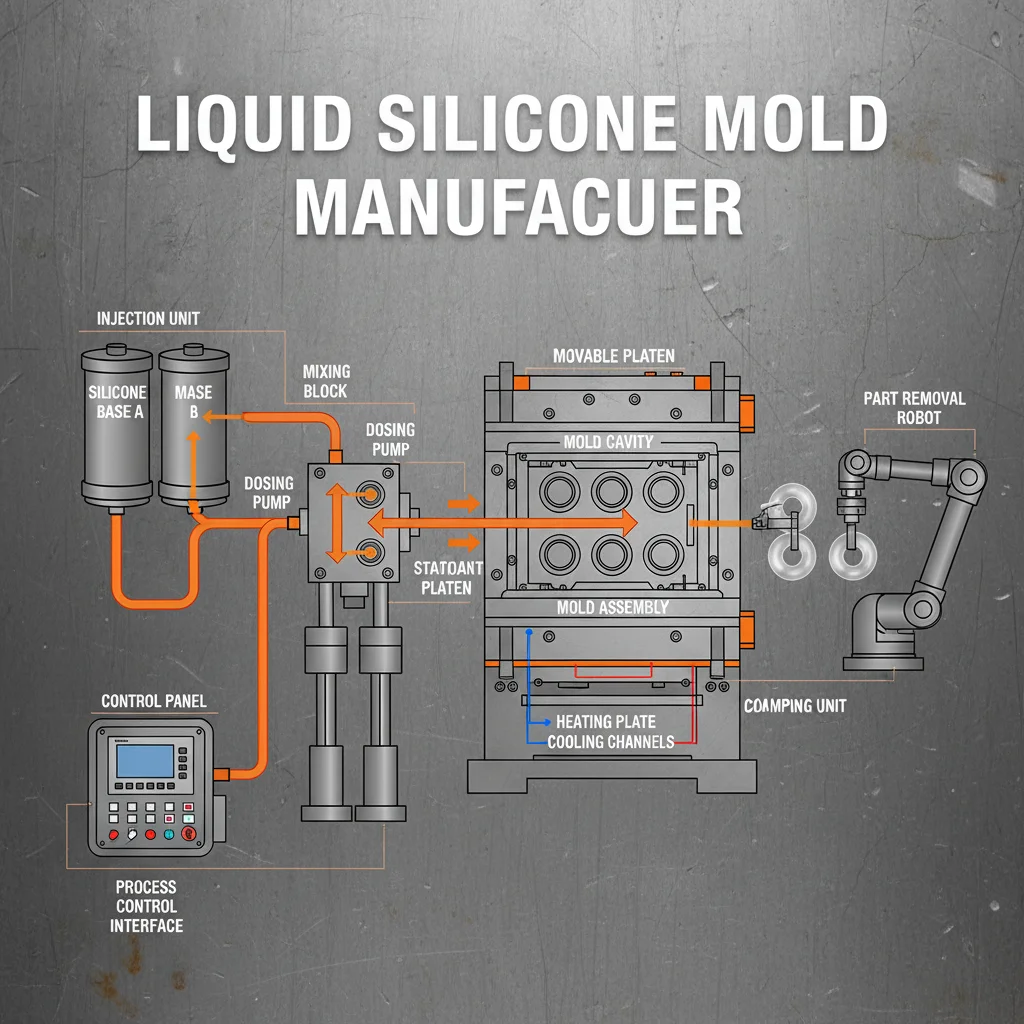
Injection molding is the backbone of high-volume precision manufacturing for plastics and silicone products. The technology involves injecting molten material—often liquid silicone rubber (LSR) or thermoplastics—into a precisely machined mold cavity. After curing or cooling, the molded part is ejected, delivering tight tolerances and repeatability. Encapsulation processes additionally protect internal components by enveloping electronics or sensitive devices in durable polymer shells.
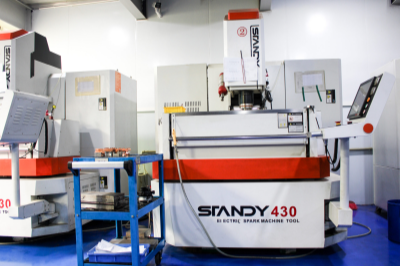
The molding tools themselves require specialist design and manufacturing expertise. Precision CNC machining combined with advanced polishing and surface treatments ensure features like dimensional accuracy, release properties, and mold longevity. In LSR processes, molds need sophisticated venting systems to avoid gas build-up, along with specially treated surfaces for optimal silicone part release.
The manufacturing workflow optimizes factors such as injection pressure, mold temperature (commonly 150–180°C for LSR), curing time, and cycle frequency. Factories equipped with modern, automated molding equipment — including multi-shot injection systems for hybrid materials like LSR over thermoplastics — achieve superior consistency and scalability.
Notably, companies leveraging CAE simulation and rheological data during mold design stage reduce trial molding iterations, cutting defects and time-to-market. Styling complex parts such as soft-touch seals or encapsulated housings demands both material science proficiency and process control.
Practical note: Early supplier collaboration in material selection and mold flow analysis is key to achieving these advantages. Rushing tooling without these steps often leads to costly revisions.
| Material | Key Properties | Typical Applications | Advantages |
|---|---|---|---|
| Liquid Silicone Rubber (LSR) | Biocompatible, heat & chemical resistant, flexible | Medical devices, seals, wearable electronics | Excellent elasticity, low toxicity, durable |
| Thermoplastic Polyurethane (TPU) | Abrasion resistant, impact absorbent, elastic | Industrial parts, automotive interiors | Good mechanical properties with versatility |
| ABS (Acrylonitrile Butadiene Styrene) | Tough, rigid, heat resistant to 80-100°C | Electronics enclosures, automotive trims | Strong structural support for overmolded parts |
| Polycarbonate (PC) | High impact resistance, transparent options | Optical devices, medical components | Excellent clarity and toughness |
Selecting the right material combination early on affects not only mold design but also production economics and final product compliance. Silicone encapsulation molds need compatible surface finishes and venting tailored to the material's viscosity and curing characteristics.
Injection molding and encapsulation molds serve vastly diverse industries but often share similar technical demands:
Each application calls for tailored mold tooling – whether micro injection molding for tiny sensor enclosures or large-scale multi-cavity molds for automotive parts. The mold maker’s experience with specific industry standards (e.g., FDA for medical, RoHS for electronics) often dictates project success.
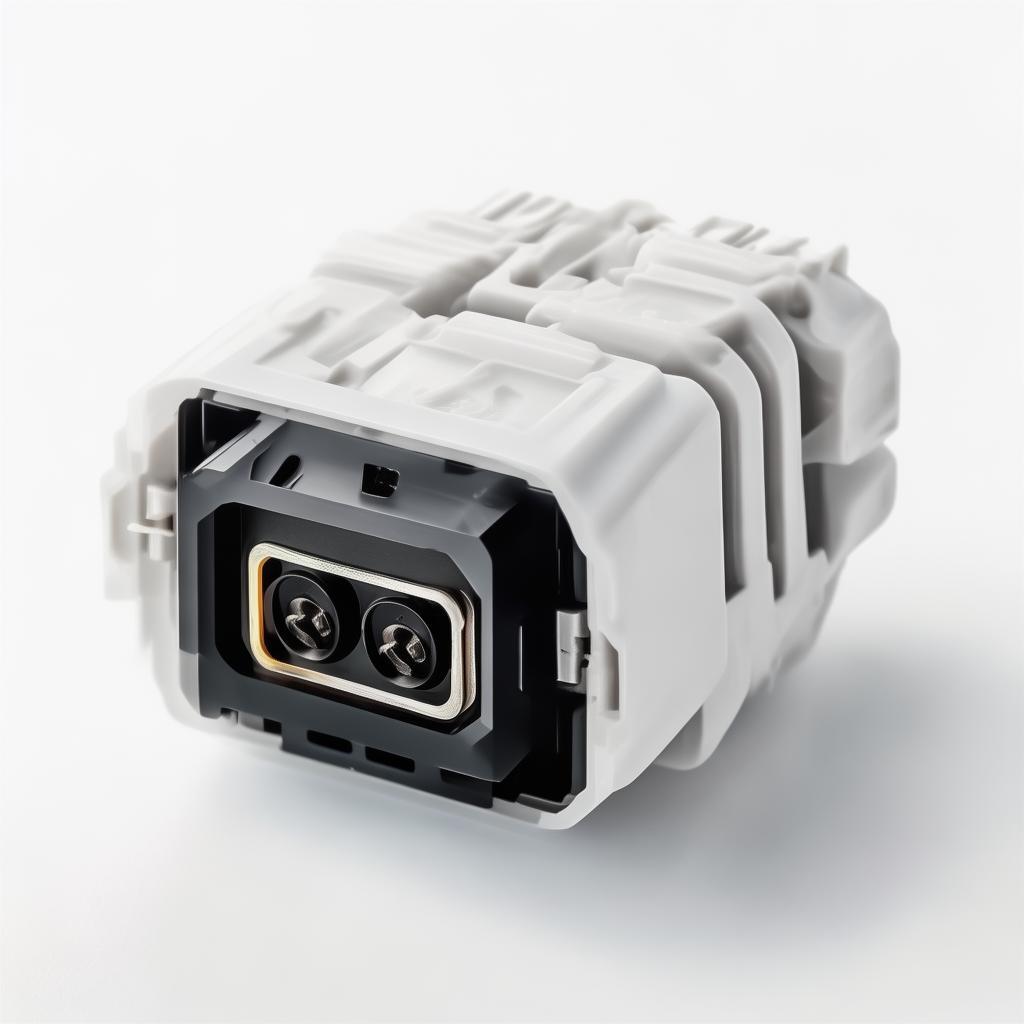
Selecting the right injection molding and encapsulation mold supplier is as critical as the molding process itself. Several procurement considerations can streamline decision-making:
Buyer tip: Request a factory audit or virtual walkthrough to gauge real production conditions before committing large tooling budgets.
| Feature | Typical Specification | Notes |
|---|---|---|
| Mold Material | H13 Steel / P20 Steel / Stainless Steel | Based on projected volume and silicone abrasion resistance |
| Number of Cavities | 1 to 24 cavities | High cavities require precise flow balance |
| Tolerance Range | ±0.02 mm typical | Dependent on mold finishing and process control |
| Mold Base Size | Standard (e.g. LKM, HASCO) or Custom | Consider machine platen size and part size |
| Surface Finish | Mirror polish (Ra 0.2 μm) to textured finishes | Affects part aesthetics and demolding |
| Cooling Channels | Conformal cooling preferred | Improves cycle time & part consistency |
| Venting | Optimized channels + Nd:YAG EDM vents | Prevents flash and gas inclusions |
Injection molding product molds Injection molding encapsulation mold Customized injection molding and encapsulation mold factory
Important: Integrated tooling equipped with sensors for cavity pressure and temperature monitoring significantly enhances process control for sophisticated injection mold runs.
Understanding practical installation and logistic elements ensures smooth integration of molds into your production line.
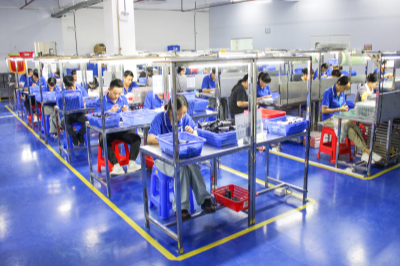
With over 20 years of expertise, Guangdong Yingtai High Precision Technology Co., Ltd. exemplifies operational excellence in the injection molding industry. Located in Dongguan, the company covers a 35,000㎡ modern industrial park hosting:
Their integrated manufacturing system from mold development to finished product ensures full traceability and consistency. The factory prides itself on certifications such as:
 ISO 9001 Quality Management
 CE Mark Compliance for EU Markets
 RoHS for Environmental Safety
Their client base spans new energy automotive, consumer electronics, smart wearables, and household appliances, necessitating high standards in product quality and mold precision.

Mark J., Procurement Director, Texas
"Ordering custom LSR overmolded seals from Yingtai cut our tooling lead time by three weeks versus previous suppliers. Their technical team helped optimize mold venting on the first prototype — saved months."