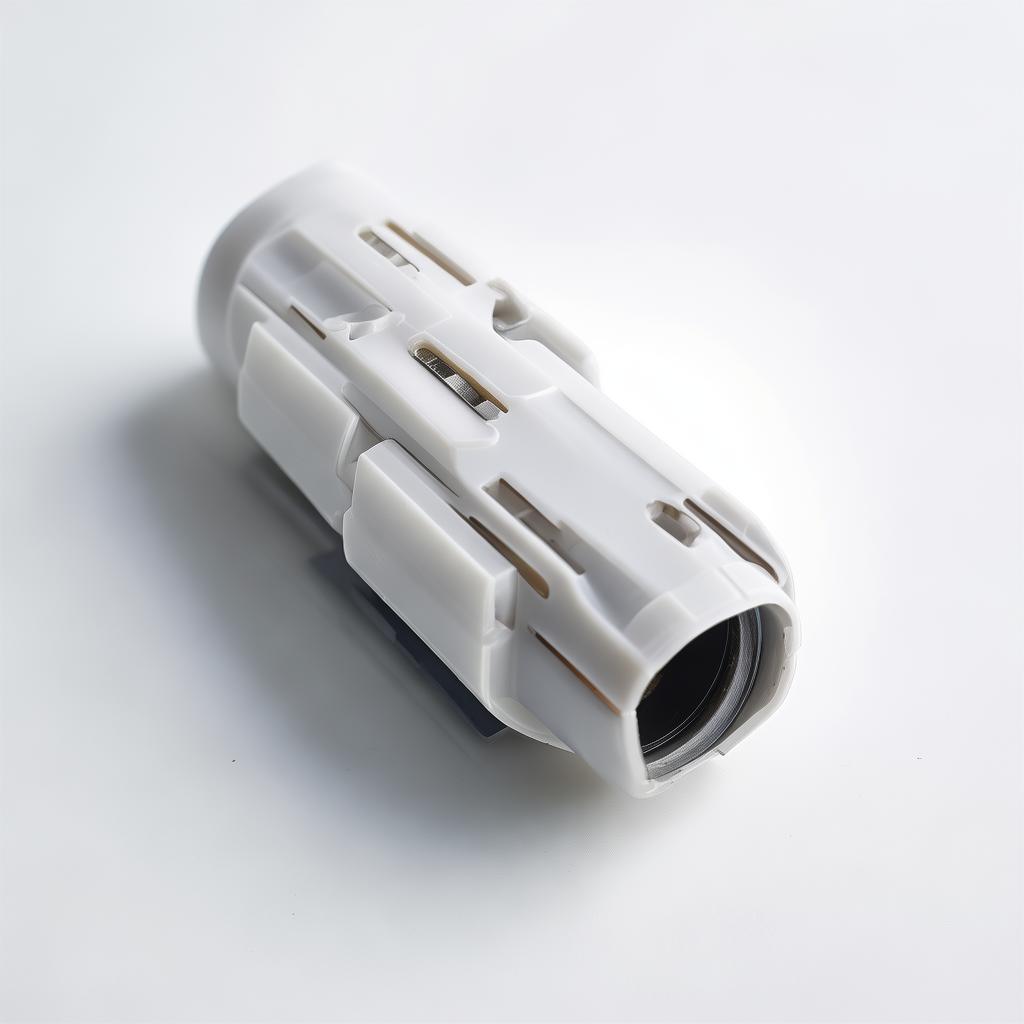
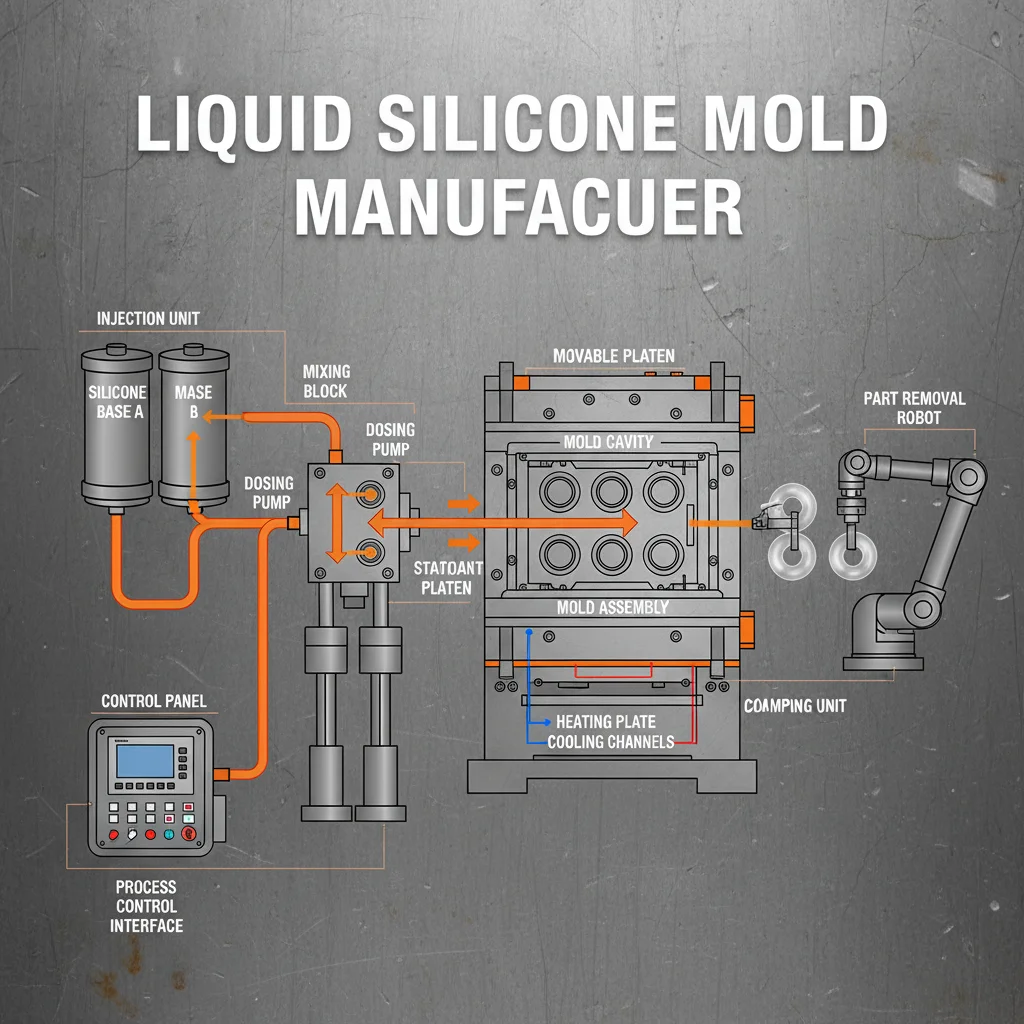
Manufacturing tools engineered for accuracy, repeatability, and efficiency in high-volume assembly lines In today's industrial landscape, jigs and fixtures remain indispensable for ensuring precise manufacturing processes and assembly accuracy. At their core, these tools
Product Details
Precision Jigs & Fixtures for Streamlined Industrial Production
Manufacturing tools engineered for accuracy, repeatability, and efficiency in high-volume assembly lines
Understanding Jigs & Fixtures: The Backbone of Modern Manufacturing
In today's industrial landscape, jigs and fixtures remain indispensable for ensuring precise manufacturing processes and assembly accuracy. At their core, these tools guide machining operations and secure workpieces, reducing variability and enhancing throughput. For export managers and procurement directors scanning options, understanding the subtle differences in design, materials, and production workflows can mean the difference between costly rework and seamless operations.
The complexity of jigs and fixtures varies significantly—from simple clamping devices to sophisticated multi-functional station tooling. In high-precision industries such as aerospace, automotive, and electronics, even minor deviations in alignment can cascade into costly downstream defects or safety concerns. This reality drives demand for high-grade materials, repeatable manufacturing methodologies like CNC machining, EDM (Electrical Discharge Machining), and surface treatment processes compliant with ISO 2768 and ANSI standards.
Over 20 years of production experience at Guangdong Yingtai High Precision Technology Co., Ltd., coupled with continuous investments in precision tooling and inspection equipment, highlight our commitment to operational excellence. Equipped with state-of-the-art manufacturing cells and a dedicated quality assurance team, we manage everything from pilot development to mass production with robust process controls that align with customers' OEM and ODM requirements.
Highlight: Many procurement managers underestimate the hidden costs of poorly designed jigs and fixtures — including potential assembly delays and scrap rates. Early supplier collaboration ensures tooling optimized for production speed and minimal maintenance downtime.
Operational note: Proper installation of fixtures requires alignment verification procedures and periodic recalibration to sustain tolerances. Training line operators on fixture handling can cut defect rates noticeably.
Common Pain Points in Jig & Fixture Deployment
Misalignment and Wear: Frequent use in abrasive environments causes tool drift, compromising repeatability and increasing scrap rates.
Material Incompatibility: Selecting suboptimal metals can lead to premature corrosion or deformation—especially critical in humid or chemical exposure conditions.
Lengthy Lead Times: Complex fixtures require multi-stage manufacturing and validation, often delaying project schedules if suppliers lack in-house capabilities.
Inadequate Supplier Collaboration: Lack of early design input often results in fixtures that don't integrate well with clients' production lines or fail to meet ergonomic standards.
Maintenance Challenges: Limited access to qualified maintenance teams and unclear servicing guidelines risk unexpected downtimes.
Solutions require a holistic approach—integrating precise material selection, advanced manufacturing technologies (e.g., EDM, laser cutting), and clear procedural documentation. Recognizing these pain points early in the procurement cycle can dramatically lower production bottlenecks.
Understanding Technical Specifications & Industry Standards
* These specifications directly affect fixture lifespan and machining consistency.
Material Selection & Manufacturing Techniques
Material choice dominates both fixture functionality and total cost of ownership. Most suppliers offer:
Tool Steels (A2, D2): Excellent wear resistance, high hardness, suitable for heavy-duty jigs.
Aluminum Alloys (6061-T6): Lightweight, easier to machine, but less durable under abrasive conditions.
Hardened Stainless Steel: Corrosion resistance in humid or chemical-intensive environments.
Manufacturing approaches such as CNC milling combined with precision grinding usually deliver the tolerance levels required for tight assemblies. EDM can achieve complex cavities inaccessible by conventional machining. Surface coatings add another layer of performance enhancement, where nitriding improves wear resistance and black oxide provides corrosion protection.
Note: Selecting suboptimal materials often results in premature fixture failure and increased recalibration frequency—an underestimated procurement risk.
Real-World Application Scenarios
Our jigs and fixtures see service in diverse sectors, including:
Automotive Assembly Lines: Ensuring consistent welding and drilling positions across high-volume production of chassis and engine components.
Consumer Electronics: Precision mounting and alignment during PCB assembly and casing production where minimal tolerance stack-up is crucial.
Aerospace Component Fabrication: Holding titanium alloy parts securely during milling and heat treatment.
Medical Device Manufacturing: Shaping and orienting silicone seals and housings with absolutely minimal dimensional deviation.
These applications demand resilience and repeat accuracy. Flexible modular fixtures also provide procurement teams with scalable solutions that adapt to evolving product designs without incurring full tooling replacement costs.
Procurement Insights & Selecting the Right Supplier
From the viewpoint of a procurement consultant, partnering with a manufacturer offering OEM/ODM flexibility backed by stringent quality controls is essential. Prioritize:
Certifications: ISO 9001:2015 compliance guarantees quality management systems; RoHS and CE mark adherence for regional regulatory requirements.
Manufacturing Capability: Access to advanced CNC mills, EDM, and surface treatment lines within one facility shortens lead time and reduces risk.
Quality Inspection: Use of 3D CMM machines and coordinate measuring devices ensures accuracy before shipment.
Logistics Expertise: Experience with container loading optimization and export customs clearance minimizes delivery disruptions.
After-Sales Support: Accessible technical assistance and availability of replacement parts.
Beware of suppliers quoting unusually low prices without detailed technical proposals—this often signals compromised quality or unaccounted hidden fees.
Recommend: Request detailed CAD files and prototypes to validate fit before committing to mass orders.
Key FAQs for Jigs & Fixtures Buyers
Q1: What lead times are typical for custom jig and fixture production?
In our experience, turnaround varies with complexity. Simple fixtures can ship in 3-4 weeks, but precision jigs requiring complex tooling and certification often require 6-8 weeks. Early engagement reduces delays due to design changes.
Q2: How do you ensure dimensional accuracy during manufacturing?
Beyond precision CNC and EDM machining, we implement a rigorous in-process inspection regimen. Our coordinate measuring machines (CMM) verify critical dimensions against CAD data before and after heat treatment processes.
Q3: Can jigs and fixtures be hardened or coated for corrosive environments?
Yes — heat treatments such as tempering and nitriding improve wear life. For corrosion resistance, coatings like black oxide or specialized plating are available following ASTM standards.
Q4: What support do you offer for fixture maintenance?
We provide maintenance guides and offer training services. Additionally, regular inspection intervals are recommended based on usage intensity to prevent alignment drift or fastener loosening.
Customer Feedback & Real-World Outcomes
Jacob H., Operations Manager, Michigan Automotive Parts Co.
"Switching to Guangdong Yingtai’s modular fixtures cut our setup time by nearly 15%. The precision and surface finish quality straight from the factory matched our ISO 9001 standards and helped reduce inspection rejections."
Get in Touch
If you have any camping barbeque equipment inquiry, please feel free to contact us.