Guangdong Yingtai High Precision Technology Co., Ltd. — Dongguan, China In the evolving landscape of precision manufacturing, liquid silicone coated metal parts have established themselves as pivotal components across diverse industrial sectors. Unlike traditional
Product Details
Liquid Silicone Coated Metal Parts Factory – Precision Manufacturing & Custom Solutions
Guangdong Yingtai High Precision Technology Co., Ltd. — Dongguan, China
Understanding Liquid Silicone Coated Metal Parts
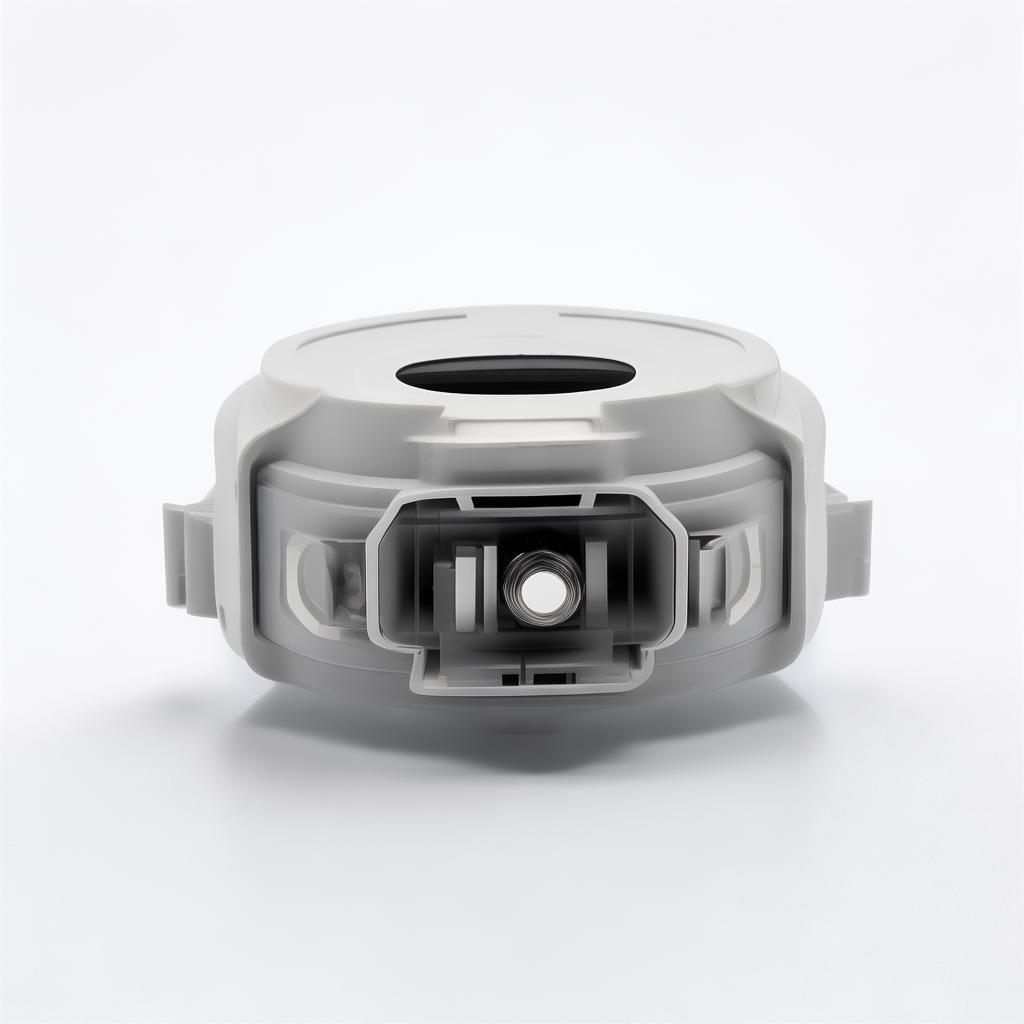
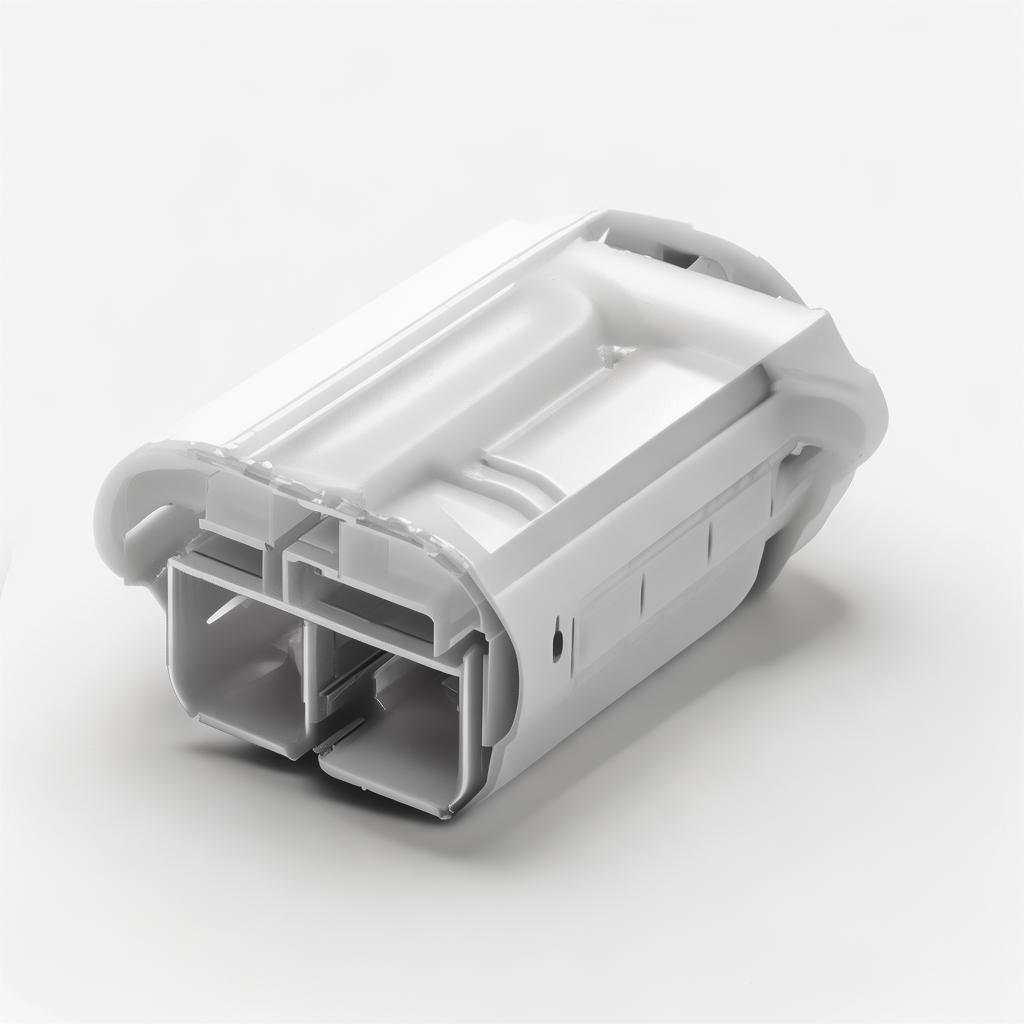
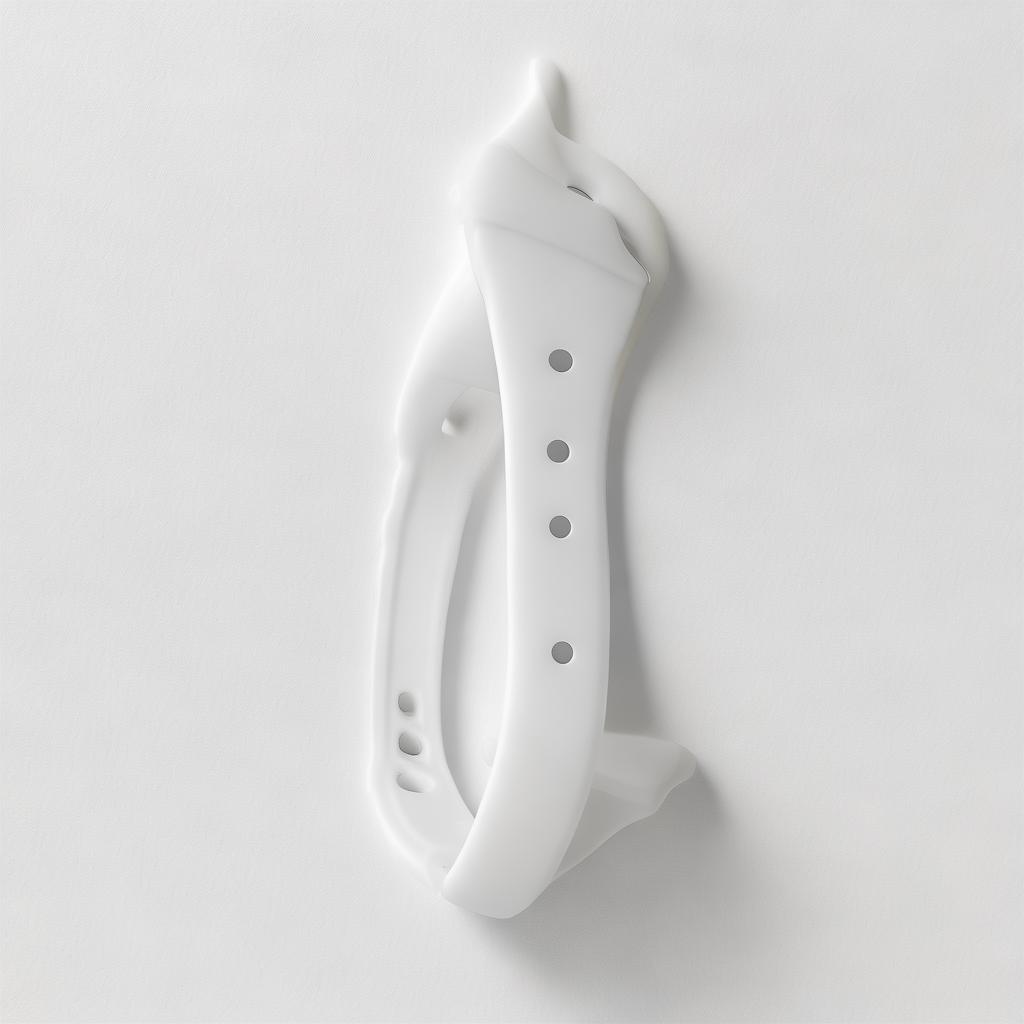
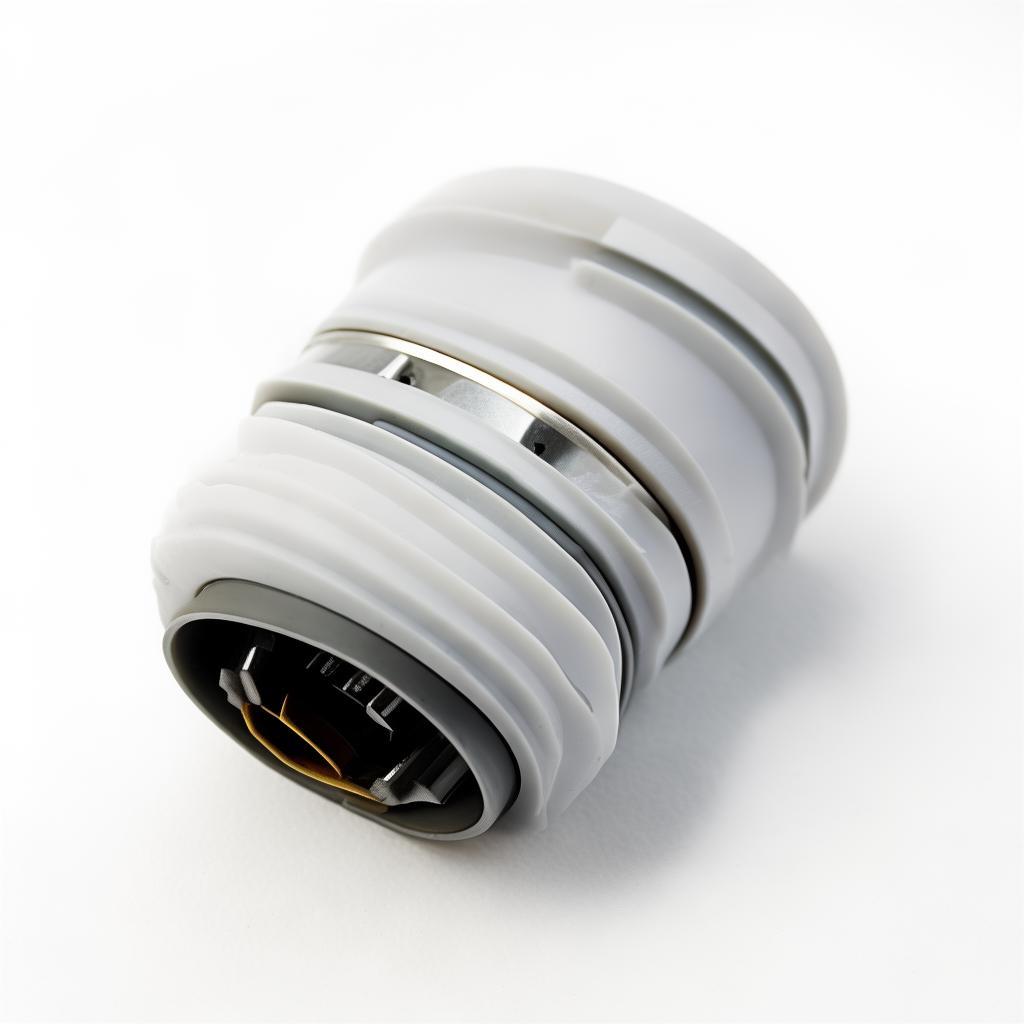
In the evolving landscape of precision manufacturing, liquid silicone coated metal parts have established themselves as pivotal components across diverse industrial sectors. Unlike traditional rubber-overmolded parts, liquid silicone coatings offer superior bonding, uniform thickness, and outstanding chemical & thermal resistance. The combination of metal substrates with high-performance liquid silicone rubber (LSR) coatings addresses many longstanding challenges — from environmental sealing to tactile surface enhancements.
Before committing to a supplier, it’s essential to appreciate the technical complexity and manufacturing sophistication this product demands. Guangdong Yingtai High Precision Technology Co., Ltd. has been at the forefront for over two decades, developing proprietary process controls and investing in cutting-edge equipment to serve international markets requiring a consistent balance of performance, quality, and scale.
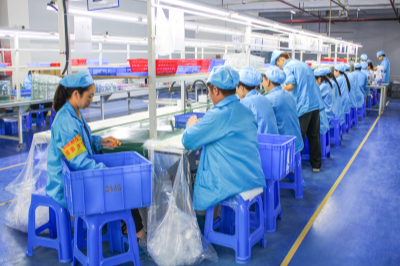
Our facility, located in Dongguan's manufacturing hub, spans 35,000 m² with over 55 liquid silicone molding machines and 80 plastic injection machines. The seamless integration between mold design, silicone injection, and metal coating steps ensures minimized cycle times while adhering strictly to ISO and CE standards. This factory ecosystem enables operational agility essential for high-mix, low-to-medium volume production runs sought after by medical device firms, automotive OEMs, and consumer electronics brands.
From a procurement standpoint, liquid silicone coated metal parts offer unique advantages in applications demanding biocompatibility, UV resistance, and abrasion protection. However, navigating supplier capabilities and material grades requires careful scrutiny. For example, selecting an LSR with optimal Shore hardness and curing properties tailored for the application environment can substantially impact lifecycle costs and warranty claims.
Data from multiple industry reports (such as the Grand View Research 2023 Liquid Silicone Rubber Market analysis) suggest that demand for high-precision LSR coatings continues with a CAGR near 8-9%, driven especially by the automotive and healthcare sectors. For buyers, this means that suppliers with proven molding expertise, rigid quality controls, and robust logistics can reduce procurement risks, especially when sourcing from China to USA or Europe.
This page provides a comprehensive guide covering technical facets, operational challenges, procurement advice, and direct insights from our manufacturing manager. Whether you are an experienced OEM procurement specialist or a technical engineer investigating material options, the following sections offer actionable intelligence grounded in practical experience.
Challenges in Liquid Silicone Coated Metal Parts Manufacturing
Producing reliable liquid silicone coated metal parts is technically demanding due to several intersecting factors:
Material compatibility: Achieving strong adhesive bonding between silicone and diverse metal substrates (aluminum, stainless steel, brass) demands precise surface treatments and formulation tuning.
Mold design complexity: LSR injection molds require tight tolerances and robust venting systems to avoid air entrapment, flash defects, and curing inconsistency.
Thermal process control: Silicone curing kinetics are sensitive to temperature and cycle timing. Poor control leads to incomplete cross-linking or over-curing, inducing material degradation or stress cracks.
Production scalability: Scaling from prototype to mass production can expose tooling weaknesses or process variability, potentially increasing scrap rates substantially in high-volume automotive or medical runs.
Regulatory & quality compliance: Medical and food-grade parts must meet stringent FDA, ISO 10993 biocompatibility, and RoHS environmental regulations. Managing documentation and certification is resource-intensive.
Logistics & lead time: Long overseas lead times combined with container loading management and customs clearance can disrupt just-in-time supply chains.
Operationally, many purchasing managers have reported common pitfalls including underestimating mold development lead times, over-relying on prototype material specs without industrial material validation, and neglecting environmental exposure testing during qualification.
A procurement advisor's tip: validate sample batches under real-world stress conditions well before committing to a supplier. This due diligence step can uncover adhesion fatigue or coating degradation risks invisible during standard lab tests.
Technical Overview: Manufacturing Process & Material Considerations
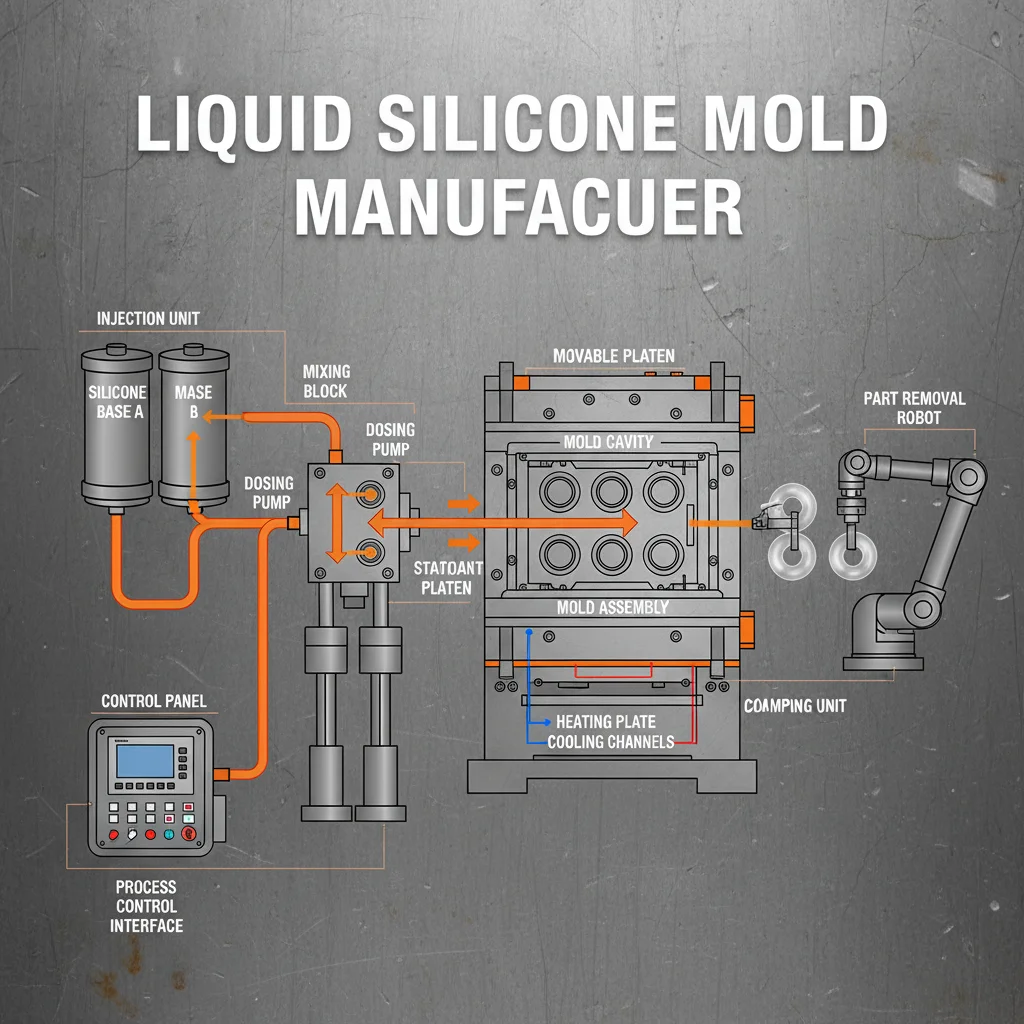
At the core, liquid silicone coated metal parts production combines precision plastic injection molding and multi-step surface engineering. Below is a typical workflow highlighting proprietary Yingtai capabilities:
Surface preparation: Metal parts undergo blast sanding or chemical etching to enhance adhesion regions, crucial for durable silicone bonding.
Priming application: Specialized primers compatible with selected silicone grades are applied and cured before molding.
LSR Injection molding: Liquid silicone rubber is injected using temperature-controlled molds with multi-zone heating for rapid curing and detail preservation.
Post-molding inspection: Parts go through dimensional verification and surface quality checks, including adhesion pull tests to confirm bonding strength.
Secondary assembly/testing: Where applicable, overmolded parts are integrated into subassemblies or tested for leak tightness, mechanical resistance, or electrical insulation.
ISO 9001 & IATF 16949 compliant manufacturing ensures consistent quality from raw materials to finished goods.
Advanced Rheological Testing of LSR material viscosity to optimize injection parameters and reduce defects (see MDPI research).
Dimensional stability & hardness verification throughout production cycles to maintain tolerances within ±0.05mm.
Environmental stress tests under thermal cycling and UV exposure to confirm long-term product reliability.
Traceability system logging batch numbers, mold IDs, and operator signatures for end-to-end auditability.
Where Liquid Silicone Coated Metal Parts Make a Difference
Understanding the real-world contexts that benefit from liquid silicone coated metal parts helps in selecting the right manufacturer and material solution. Yingtai’s products serve multiple demanding sectors such as:
Automotive Industry: Sealing gaskets and anti-vibration mounts exposed to oil, temperature swings, and abrasion inside engines and transmissions.
Consumer Electronics: Waterproof buttons, touch-sensitive interfaces, and housing seals combining durability with sleek tactile feel.
Medical Devices: Sterilizable components requiring biocompatibility and low extractable profiles for patient safety.
Wearable Technology: Flexible, lightweight coatings enhancing comfort and device durability without metal corrosion.
Industrial Equipment: Harsh environment seals and protective covers resistant to chemicals and UV radiation.
Selecting coated metal parts also offers practical benefits:
Improved corrosion resistance compared to bare metal components.
Enhanced mechanical cushioning reducing wear or impact damage during operation.
Custom color and surface texture capabilities enabling brand differentiation.
Precision sealing for fluid or gas containment without the need for separate gaskets.
It is worth noting that these coatings contribute marginally to product weight, which can be critical for consumer mobility devices and aerospace parts.
Buyer’s Guide: Evaluating & Selecting Liquid Silicone Coated Metal Parts Suppliers
For purchasing managers and procurement directors engaging with LSR coated metal parts, consider the following:
1. Material Certification & Compliance
Ask for test reports that confirm LSR grades conform to relevant standards such as FDA food contact, ISO 10993 biocompatibility, and RoHS/REACH for heavy metals and environmental safety.
2. Mold & Manufacturing Capability
Request detailed pictures or videos of the injection molding equipment, mold bases, and tooling expertise. Advanced vendors like Yingtai typically operate large-scale industrial parks and have specialized LSR molds with temperature controls.
3. Quality Assurance Processes
Suppliers should provide comprehensive QA documentation, including batch traceability, dimensional inspection, and adhesion strength tests. Random audit samples or third-party certifications deliver added assurance.
4. Lead Times & Logistics
Confirm realistic lead times considering mold development, production cycles, and export procedures. At Yingtai, typical lead times for qualified parts range from 4 to 8 weeks with container loading optimization for overseas shipping.
5. OEM/ODM Flexibility
Discuss customization capabilities early. Our factory supports mold making, design modifications, and secondary assembly (including surface printing or plating before silicone coating) to meet precise customer specs.
6. Supplier References & Experience
Evaluate past projects and client testimonials to gauge a factory's operational consistency and expertise with similar components.
Tip: Building strong communication channels with your supplier’s technical and export teams lowers risk and speeds issue resolution during production ramps.
Certifications & Our Manufacturing Prowess
Trust and verified excellence anchor our approach. Guangdong Yingtai is proud to hold:
ISO 9001:2015 Quality Management System maintaining robust quality control workflows.
IATF 16949 Compliance for automotive parts quality management.
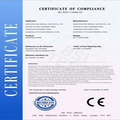
CE Certification ensuring European product safety standards.
FDA Compliant Materials used for medical and food-grade silicone coatings.
35,000 m² industrial park in Dongguan (manufacturing hub of China).
55+ advanced liquid silicone molding machines with multi-zone temperature control.
More than 30 precision mold processing units and 80 automatic injection molding machines.
Dedicated R&D and technical support teams with more than 500 experts.
Integrated industry chain from mold design, material procurement to finished product packaging.
Extensive export experience with USA, Europe, and Asia-Pacific multinational customers.
These capabilities enable us to deliver consistent quality, short lead times, and low defect rates, critical for multi-billion-dollar industries relying on silicone coated parts.
Frequently Asked Questions
Q1: How does liquid silicone coating improve metal part performance?
The LSR coating provides superior flexibility, chemical resistance, and sealing properties that metals alone cannot offer. It protects against corrosion, vibration damage, and environmental exposure while maintaining tight tolerances.
Q2: What are typical lead times for custom orders?
Standard lead time ranges from 4 to 8 weeks, depending on mold complexity and order volume. Early stage mold development and sampling generally require 3-4 weeks.
Q3: Are custom colors and hardness levels available?
Yes. We offer customization of silicone durometer (Shore A 30–70) and color matching. Consult your technical advisor for specific project requirements.
Q4: What quality controls are implemented during production?
We conduct dimensional checks, adhesion pull tests, rheological material analysis, and environmental durability testing to ensure consistent high quality.
Q5: What are recommended storage and handling practices?
Keep parts in dry, ambient conditions away from direct sunlight to preserve silicone elasticity. Avoid sharp impacts or chemical exposure during transit.
Customer Feedback & Industry Insights
Michael Stevens, USA – Procurement Manager
“We worked with Yingtai to develop silicone coated brackets for automotive sensor housings. Their strict QA and rapid response saved us weeks during our launch schedule. The finished parts have excellent adhesion and withstand thermal shocks seamlessly. Highly recommended for anyone in need of high-spec LSR coatings.”
Get in Touch
If you have any camping barbeque equipment inquiry, please feel free to contact us.