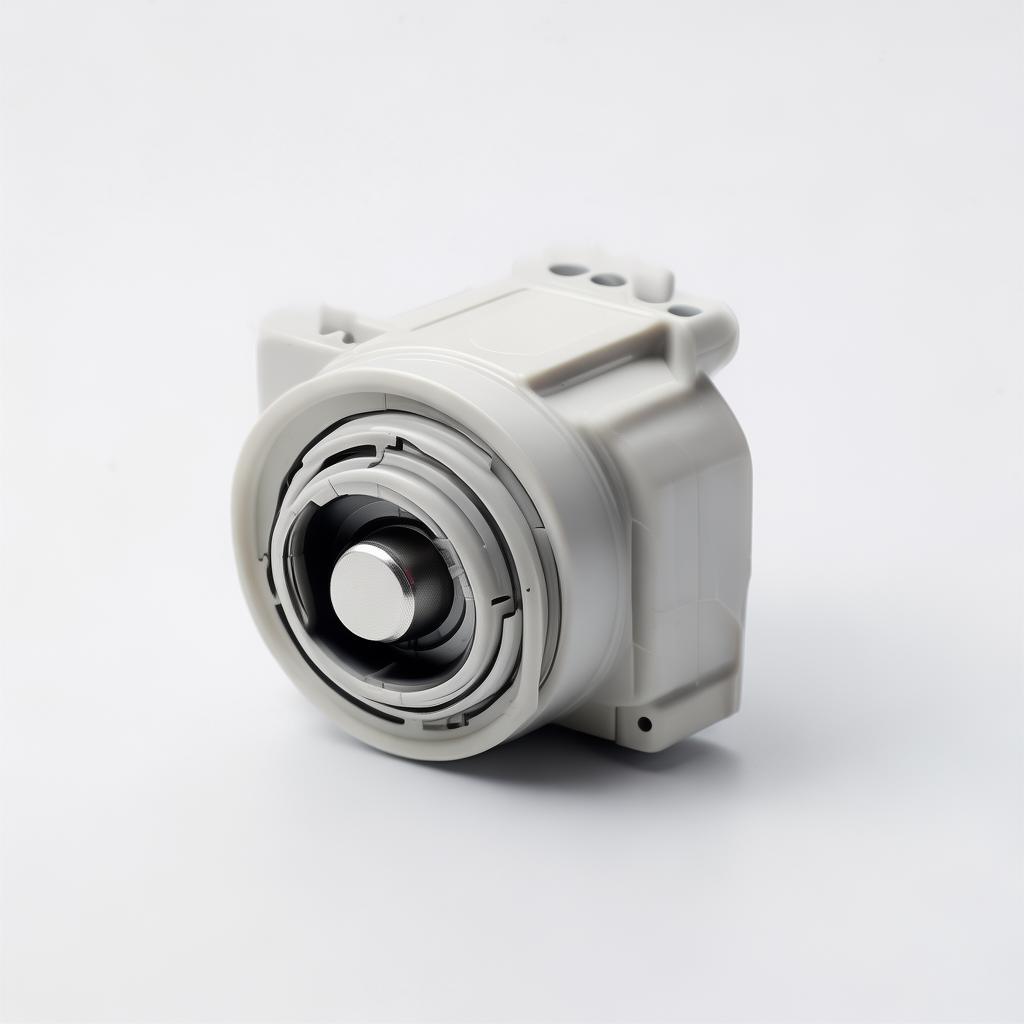
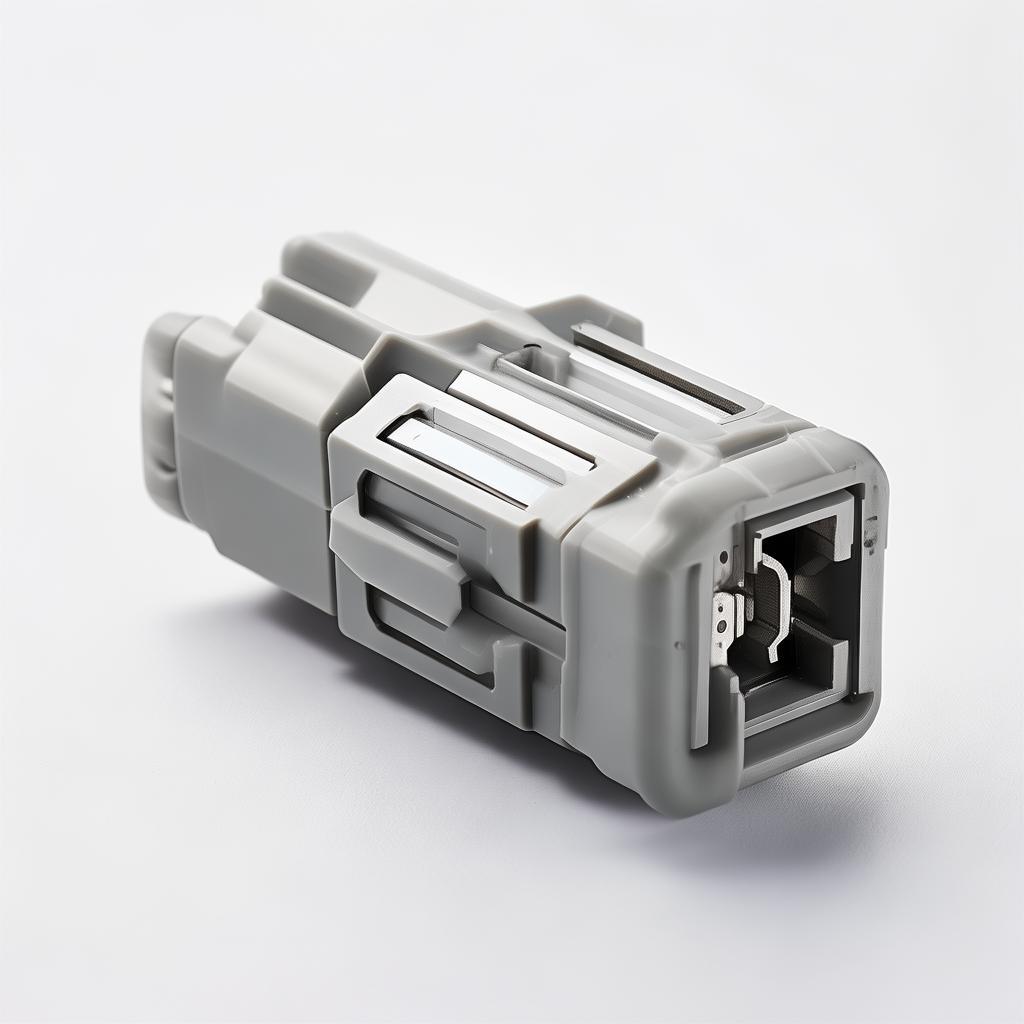
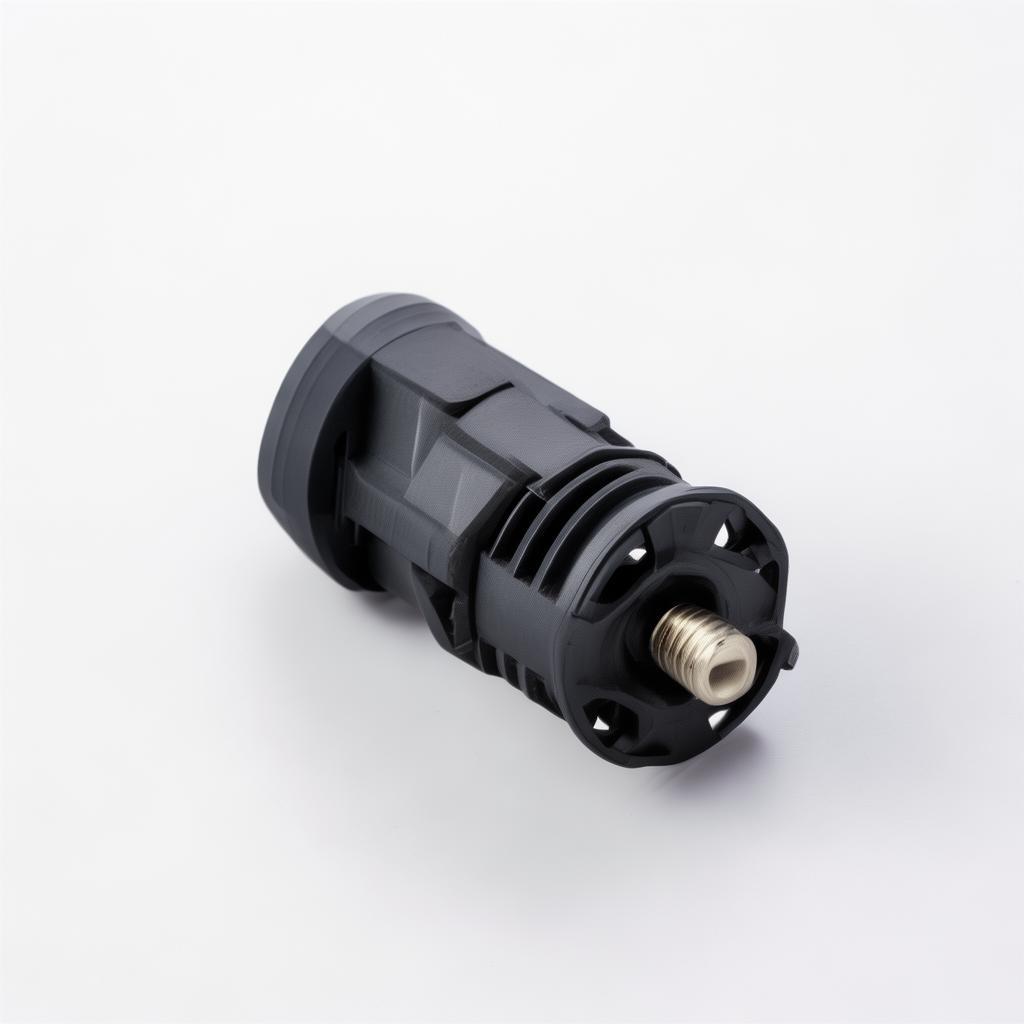
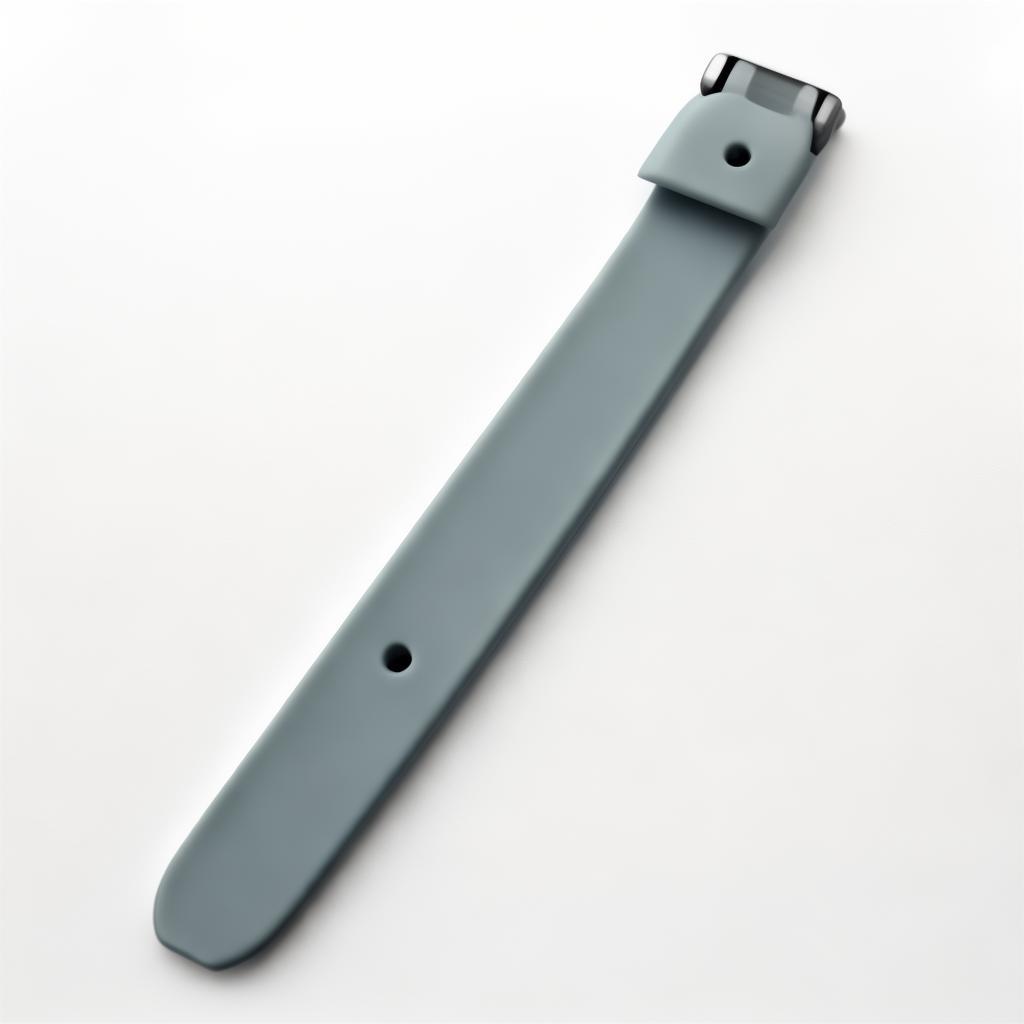
Expert insights from Guangdong Yingtai High Precision Technology Co., Ltd. In today’s competitive manufacturing terrain, liquid silicone coated metal parts molds have become a critical niche for industries demanding enhanced durability, flexibility, and precision.
Product Details
Liquid Silicone Coated Metal Parts Mold: Precision Engineering for Durable Industrial Components
Expert insights from Guangdong Yingtai High Precision Technology Co., Ltd.
Introduction & Industry Context
In today’s competitive manufacturing terrain, liquid silicone coated metal parts molds have become a critical niche for industries demanding enhanced durability, flexibility, and precision. Unlike conventional molds, these specialized tools combine the mechanical robustness of metal substrates with the unique soft-touch, chemical-resistant properties of liquid silicone coatings. This hybrid construction is particularly suited for sectors including automotive, consumer electronics, medical devices, and industrial machinery.
Understanding the nuances of liquid silicone coating on metal molds requires both a hands-on operational perspective and deep technical awareness. Guangdong Yingtai High Precision Technology Co., Ltd. draws on more than 20 years of expertise processing and customizing liquid silicone and plastic molds in Dongguan, China’s manufacturing powerhouse. Our advanced industrial park spans 35,000 square meters and is packed with diversified machinery including 55 liquid silicone molding presses and 80 automated plastic injection units.
As the global liquid silicone rubber (LSR) market continues its upward trajectory — projected by Grandview Research to reach nearly USD 5 billion by 2030 with a CAGR of ~8.5% — precision molds are indispensable for creating intricate, high-performance parts. Sectors like medical-grade components rely heavily on LSR’s biocompatibility and heat resistance, necessitating molds that can withstand rigorous production demands and deliver consistent quality.
To put this in perspective: precision molding workflows incorporating liquid silicone coated metal parts molds optimize cycle times and reduce defect rates — a practical advantage in large-scale production. This is especially vital in industries where tolerances are tight and repeatability is critical, such as in wearable devices and new energy vehicles.
From a procurement point of view, the choice of mold design impacts not only production cost but also operational efficiency, lifecycle maintenance, and downstream logistics. Selecting a reliable manufacturer with a robust technical foundation can reduce costly midstream tooling revisions. We recommend understanding detailed material compatibility, venting techniques to avoid flash defects, and how multi-component overmolding processes enhance part functionality without compromising throughput.
Operational Insight: Efficient venting and robust coating adhesion are common obstacles during initial mold runs — having an experienced partner capable of implementing advanced CAE simulations and quick tooling adjustments can save countless hours and material waste.
Common Industry Challenges
Adhesion and Coating Durability: Inconsistent bonding between silicone layers and metal substrates can lead to premature delamination under mechanical or thermal stress.
Ventilation and Flash Defects: Improper mold venting creates trapped air pockets, causing flash, part distortion, or cavity imbalances during injection molding.
Cycle Time Optimization: Balancing adequate curing with high throughput is delicate; inadequate thermal management extends production times, increasing cost.
Complex Geometry Replication: Maintaining silicone coating uniformity over intricate metal parts — especially microfeatures — requires precision tooling and process control.
Material Compatibility: Selecting silicone grades with appropriate rheology and crosslink density is crucial for mold lifecycle and final product performance.
Maintenance and Wear: The mold’s metal base must withstand repetitive thermal cycling without deformation, while the silicone coating must resist abrasion and chemical exposure.
Practical note: Failing to account for these challenges upfront often results in costly mold repairs or inconsistent product quality that disrupt procurement timelines.
Technical Overview & Mold Design
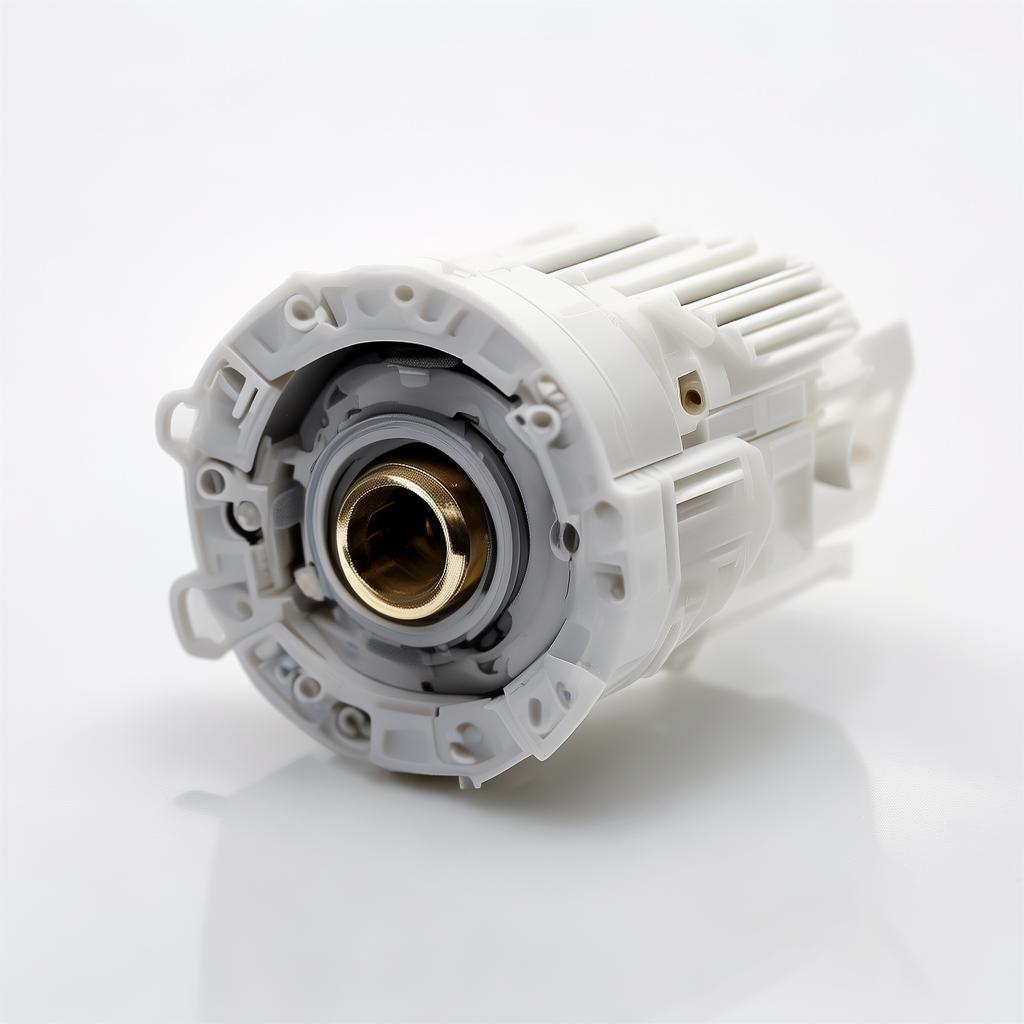
The technical construction of liquid silicone coated metal parts molds is more than a matter of luxury; it’s an imperative for achieving long-term precision and repeatability. Typically, the process involves molding a liquid silicone rubber (LSR) coating onto a metal substrate—most commonly stainless steel or tool-grade aluminum alloys—that provide structural stability.
Material Characterization: As outlined in the recent MDPI study (MDPI Paper), precise rheological and thermal property datasets are required to build simulations that optimize mold filling and curing. Rheological insights from rotational rheometry and pressure-driven tests guide parameter tuning for improved cavity filling and reduced pressure spikes.
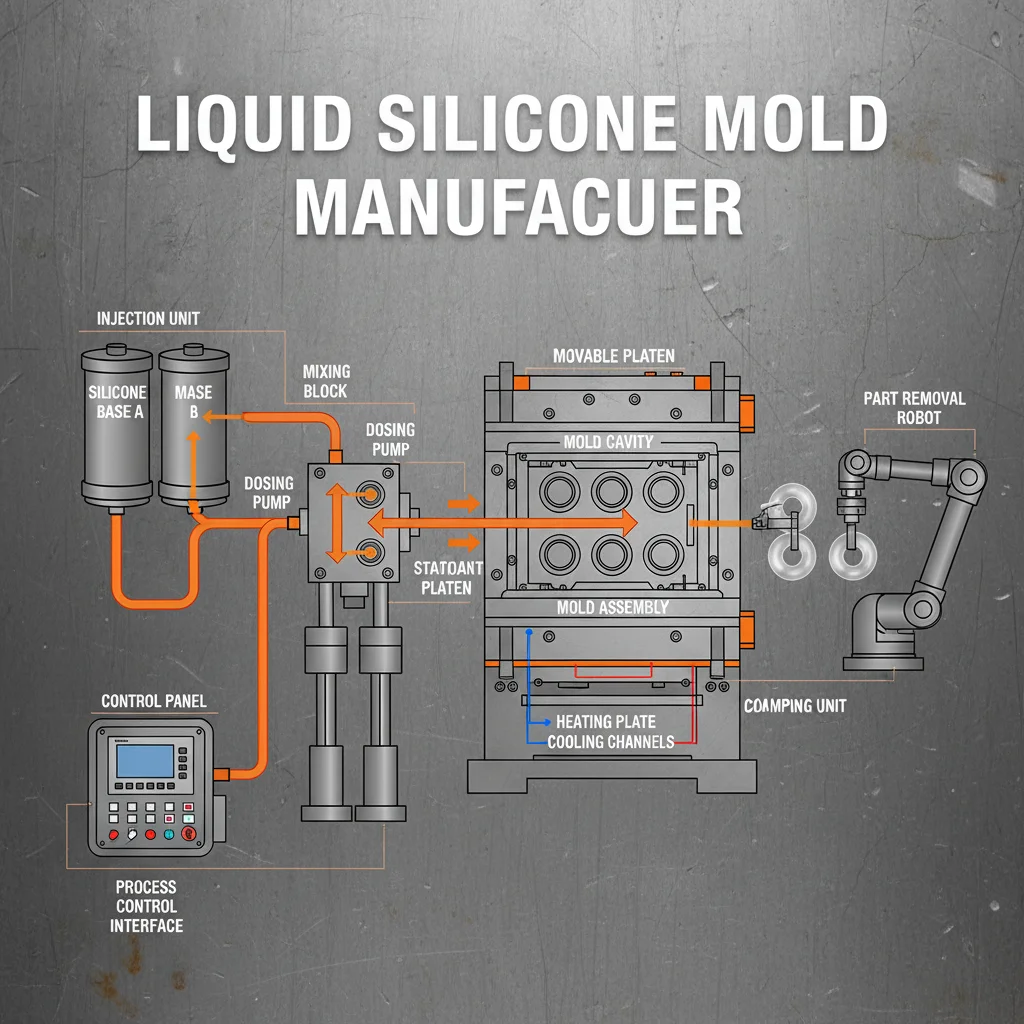
Mold Components & Tooling: Our Yingtai factory employs cutting-edge 3D machining centers and EDM (Electrical Discharge Machining) for mold cores and inserts, enabling tolerances within ±0.01 mm. The silicone coating is designed to withstand injection temperatures ranging 150-220°C while staying flexible enough for de-molding delicate parts.
Coating Process: Achieving the ideal silicone layer thickness (typically 0.2 to 0.5 mm) and surface finish requires expertise in liquid injection molding (LIM) technology and mold vent slots calibrated to avoid gas entrapment without compromising part integrity.
Our factory’s integration of precision mold development with in-house LSR molding machines supports:
Rapid prototyping and iteration
Multi-shot and two-component molding capabilities
In-process quality control with temperature and pressure sensors
Advanced surface texturing for grip, sealing, or aesthetic purposes
Additionally, smart molding techniques leveraging AI-assisted parameter optimization (arXiv Research) are gaining traction for defect reduction and adaptive cycle times, something we actively pilot to shorten lead times and reduce scrap rates.
Material Considerations & Comparison
Choosing the right silicone and metal combination underpins the mold’s performance lifecycle. Here’s a comparative overview:
Aspect
Stainless Steel with LSR
Aluminum Alloy with LSR
Durability
High resistance to wear & corrosion; longer mold life
Good durability; more prone to surface wear and corrosion without treatment
Thermal Conductivity
Lower (around 16 W/m·K), slower thermal cycling
Higher (around 180 W/m·K), allows faster heat dissipation and shorter cycle times
Cost
Higher upfront tooling costs
Lower tooling costs; lightweight
Surface Finish
Superior finish; easy to polish and texturize
Can be anodized or treated; somewhat prone to oxidation affecting mold release
Selecting a compatible liquid silicone rubber grade also matters. Medical or food-grade LSRs typically feature high purity and biocompatibility, while industrial-grade silicone offers enhanced UV and chemical resistance. It’s critical to balance mechanical properties such as tear strength, hardness (Shore A), and elongation with process parameters for optimum mold longevity.
Key Applications & Use Cases
Liquid silicone coated metal parts molds find application across a diverse range of sectors. Here are some prominent fields where they deliver tangible value:
Automotive Industry: Seals, gaskets, vibration dampeners, and flexible electronic housings for new energy vehicles requiring thermal stability and durability.
Medical Devices: Precision molding for soft-touch, biocompatible components such as insulin pump seals, wearable device interfaces, and surgical instrument grips.
Consumer Electronics: Waterproof seals, button covers, and soft-touch intake manifolds in smart devices demanding tight tolerances and consistent aesthetics.
Industrial Appliances: Components exposed to harsh environments needing chemical resistance, high thermal endurance, and repeated mechanical stress tolerance.
Household Products: Baby product fittings, flexible connectors, and ergonomic moulded handles requiring safety certifications such as FDA or CE.
Installation and operational note: Complex silicone coated molds must consider part demolding constraints, tooling wear under cyclic stress, and surface contamination prevention for long-term stability. Early consultation with engineering teams often reduces design iterations and shortens time-to-market.
Procurement & Supplier Selection Tips
For purchasing managers and procurement directors, gaining clarity on supplier capabilities and risks is vital when sourcing liquid silicone coated metal parts molds.
Evaluate Factory Capabilities: Verify the manufacturer's investment in specialized LSR molding presses, precision CNC machining, and quality control infrastructure. Our Yingtai facility houses 55 LSR machines and over 30 precision mold processing units, reflecting industrial readiness.
Request Certifications: ISO 9001 for quality management, CE & FDA where applicable, and process validation documents ensure compliance with global standards.
Understand Production Workflow: From mold design, rapid prototyping to in-house molding system integration, a complete production chain reduces coordination risks and shortens lead times.
Assess Technical Consultation: Access to engineering support, feasibility studies, and simulation services correlates with smoother project execution.
Check Shipment and Logistics: Confirm container loading efficiency, packaging standards, and export experience for hassle-free delivery.
OEM/ODM Support: Does the supplier offer tailored design and volume scalability? This can be crucial when responding to evolving market demands.
Tip: Onsite factory visits or virtual factory tours can reveal operational realities beyond marketing claims and build purchasing confidence.
Frequently Asked Questions
Q1: What are the main advantages of liquid silicone coatings on metal molds?
Silicone coatings provide excellent flexibility, chemical resistance, and thermal stability to metal molds. This extends mold life, improves part release, and allows molding of complex silicone components with minimal defects.
Q2: How long is the typical lead time for producing these molds?
Lead times vary based on design complexity, but for precision LSR coated molds, turnaround from design to finished mold typically ranges between 4-8 weeks. Yingtai’s integrated workflow frequently achieves accelerated delivery without sacrificing quality.
Q3: Are there limitations to the size or shape of parts molded with LSR coated molds?
While LSR coatings enable molding of intricate geometries, extremely large parts or those with severe undercuts may require specialized mold design or alternate molding techniques. Early design consultation is recommended.
Q4: What maintenance is required to preserve mold coatings?
Regular cleaning, avoiding abrasive contact, and periodic inspections for coating wear are essential. Our team offers maintenance guidelines and after-sales support to extend mold lifespan effectively.
Q5: Can the molds be customized to accommodate multi-material overmolding?
Absolutely. Our factory supports multi-shot LSR molding and hybrid overmolding combining LSR with thermoplastics like ABS or PC, widely used in medical and electronic device manufacturing.
Client Testimonials
Michael Adams, Procurement Manager – USA
“Partnering with Yingtai was a game changer. Their precision molds and on-point LSR coatings drastically cut our scrap rates. The technical team’s onsite support helped us optimize cycle times within weeks. Their delivery was prompt, which kept our assembly line on track.”
Get in Touch
If you have any camping barbeque equipment inquiry, please feel free to contact us.