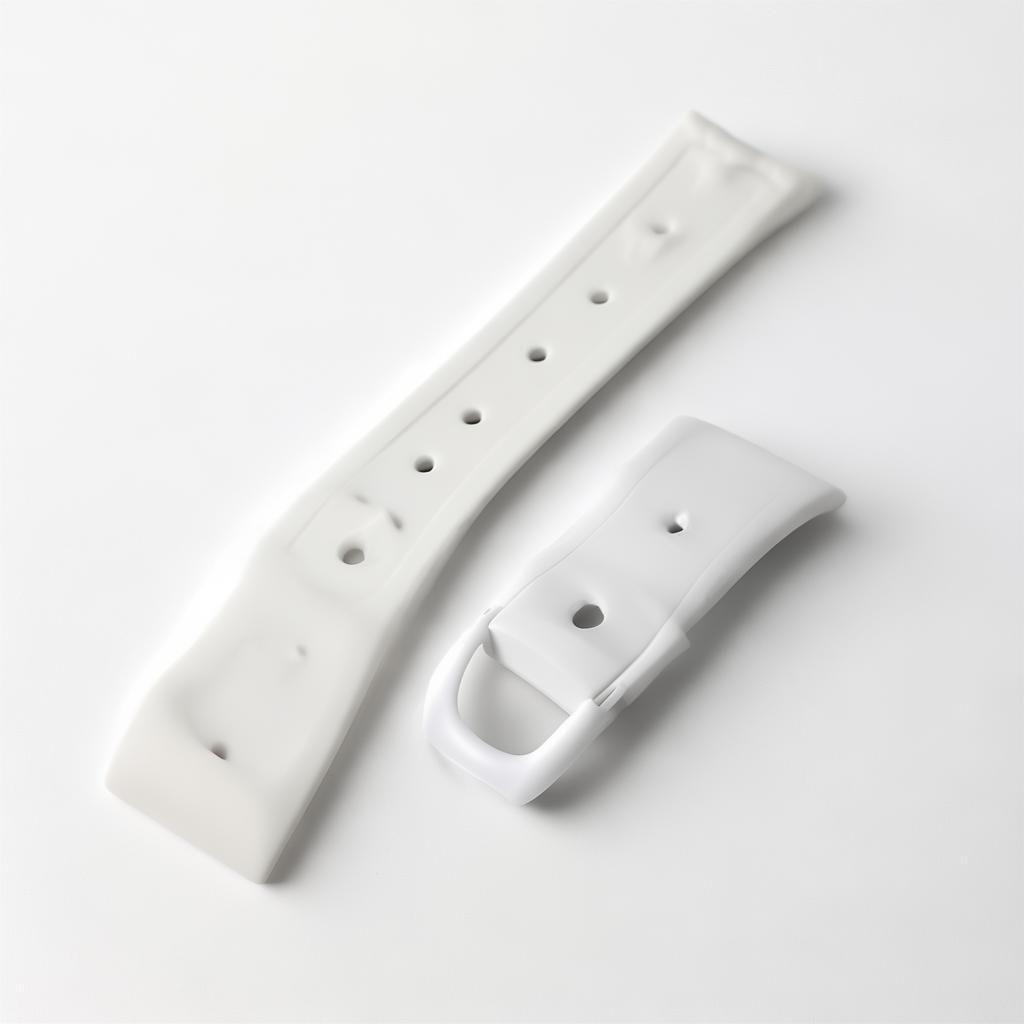
Industrial-grade custom components engineered for durability, moisture resistance, and advanced encapsulation needs. Liquid Silicone encapsulated parts have become pivotal in high-precision industrial manufacturing, especially where protection against environmental factors meets stringent reliability demands. At
Product Details
Precision Liquid Silicone Encapsulated Parts
Industrial-grade custom components engineered for durability, moisture resistance, and advanced encapsulation needs.
Understanding Liquid Silicone Encapsulated Parts
Liquid Silicone encapsulated parts have become pivotal in high-precision industrial manufacturing, especially where protection against environmental factors meets stringent reliability demands. At their core, these components incorporate liquid silicone rubber (LSR) directly molded around or over critical electronic or mechanical parts, improving moisture resistance, shock absorption, and thermal stability.
Unlike traditional encapsulants, liquid silicone’s biocompatibility, thermal resistance (-60°C to 230°C), and electrical insulation qualities make it a preferred choice across sectors—from medical devices to automotive electronics. The liquid injection molding process allows complex geometries and ultra-thin encapsulation layers, ensuring protection without compromising miniaturization.
Sourcing reliable liquid silicone encapsulated parts means navigating a production ecosystem balancing raw material purity, injection molding precision, and post-molding curing processes. Variations in curing kinetics or even minor fluctuations in mold temperatures can result in compromised parts, necessitating tight process controls and validated workflows—especially for applications requiring ISO 13485 or UL 94 certifications.
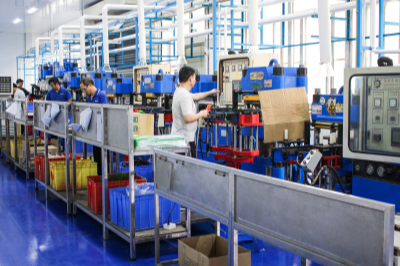
In practice, procurement managers and engineers within industrial electronics, automotive components, and consumer device realms report operational differences between suppliers that emphasize mold tooling expertise and those reliant on commoditized processes. Yingtai’s 35,000 sqm Dongguan facility brings over 20 years of hands-on engineering knowledge, integrating advanced CAE simulations and high-precision molding equipment to mitigate risks of warpage, flashing, and bond failures.
Market dynamics—demonstrated by the LSR global market valued at USD 2.81 billion in 2023 and forecasted to cross USD 4.97 billion by 2030—highlight the growing reliance on complex silicone parts for medical-grade, automotive seals, and wearable electronics encapsulation. Such demand fuels continuous evolution in mold design, material characterization, and process simulation, as experts explain in the paper ‘How Method Matters for LSR Injection Molding Simulations’.
When evaluating suppliers for liquid silicone encapsulated parts, buyers must account for material grade compatibility, geometrical precision, and demonstrated expertise in managing silicone rheology and curing profiles. Typical pitfalls include underestimating tooling complexity or neglecting logistics challenges for fragile molded assemblies destined for long-haul shipments. Yingtai’s integrated mold development to final product assembly system reduces lead times and enhances traceability, offering real operational value beyond mere cost considerations.
Whether your team is specifying overmolded silicone seals for electric vehicles or encapsulated sensors for medical wearables, understanding the nuanced intersection between material science, molding technology, and supply chain agility is critical. This page aims to share expert insights and practical advice drawn from Yingtai’s life-long manufacturing experience and global export history, assisting procurement professionals to confidently select partners and optimize total cost of ownership.
Industry Pain Points in Liquid Silicone Encapsulation
Material Variability : Discrepancies between prototype RTV silicone and production-grade LSR often lead to retooling delays and rejected batches. Many buyers inadvertently underestimate the difference, resulting in costly material mismatches.
Tooling Complexity & Cost : The precision molds required for LSR encapsulation are considerably more expensive and sensitive than typical plastic injection tooling, complicating supplier selection and order minima.
Process Control Challenges : Curing inconsistencies, mold sealing issues, and vacuum venting inadequacies can induce internal bubbles, warping, and flash defects. Such quality problems degrade lifecycle reliability and raise warranty risks.
Logistical Considerations : Encapsulated assemblies often feature delicate silicone layers prone to deformation or contamination without proper packaging strategies. Overseas shipment demands meticulous container loading and humidity control.
Certification Roadblocks : Meeting industry standards like ISO 9001, ISO 13485, RoHS, and industry-specific FDA or UL approvals requires suppliers with tested processes and documentation rigor.
“Most procurement managers told us they lost crucial production uptime waiting for secondary injections or redesigning mold inserts due to improper early technical assessments,” says Zhang, Export Director at Yingtai.
Technical Overview: Material and Process Depth
Liquid Silicone Rubber (LSR) serves as the encapsulating medium, offering excellent elongation (>350%), tear resistance, and thermal stability essential for protecting embedded electronics or mechanical components.
Property
Specification
Notes
Hardness (Shore A)
20 - 80
Customizable based on molding requirements
Operating Temperature
-60°C to 230°C
Suitable for automotive engine bays and medical sterilization
Tensile Strength
>6 MPa
Ensures mechanical resilience
Flame Retardancy
UL 94 V-0
Critical for electrical components and consumer safety
Chemical Resistance
Excellent against oils, solvents
Enhances component longevity in harsh environments
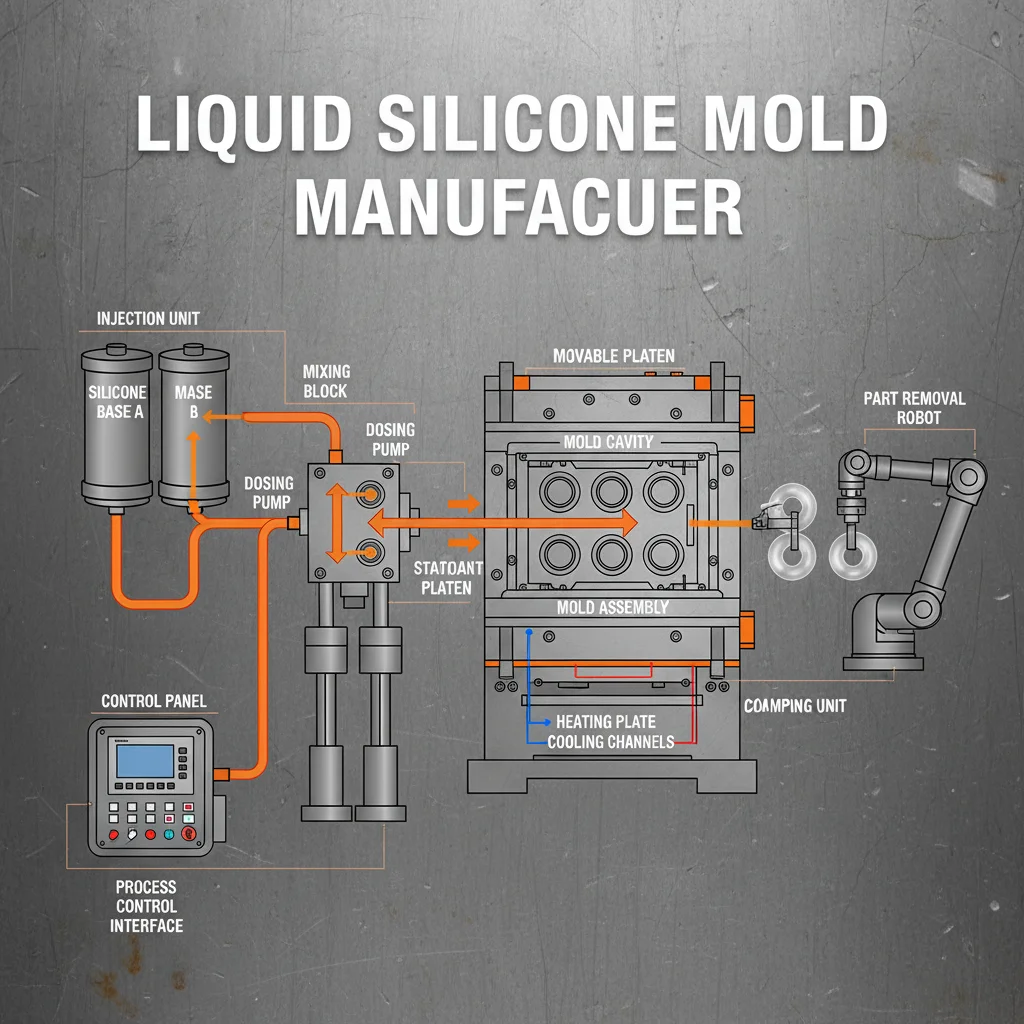
The production process leverages liquid injection molding (LIM) to deliver repeatability and precision. Yingtai’s facility operates 55 specialized LSR molding machines enabling cycle times of 15-30 seconds per cavity, dependent on geometry and thickness.
Proper mold venting and vacuum-assisted filling (per recent advances confirmed in Springer’s Soft Robotics study) mitigate internal defects such as air entrapment and flashes—common issues in flexible soft-touch applications.
As operational engineers note, close material characterization including viscosity, thermal conductivity, and curing kinetics (see MDPI paper on LSR Simulation Methods) is indispensable for creating robust digital twins that shorten development and reduce trial-production costs.
Application Scenarios & Industry Use Cases
New Energy Vehicles (NEV): Encapsulation of battery management sensors and thermal interface seals that require chemical resistance and compliance with automotive standards such as IATF 16949.
Medical Devices: Overmolded components for implantables and medical wearables, demanding ISO 13485 certification and biocompatible, sterilizable materials.
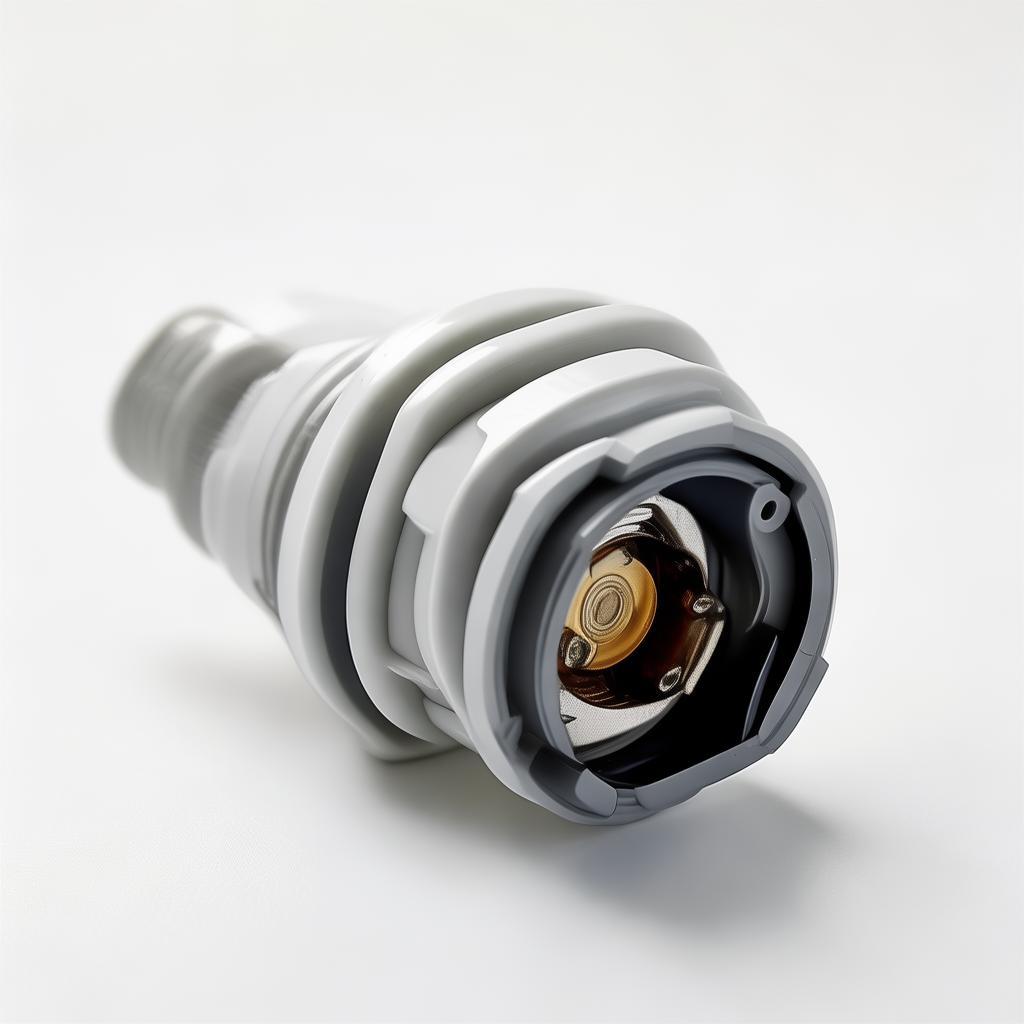
Consumer Electronics: Waterproof encapsulated connectors, flexible circuit board holders, and tactile silicone controls that withstand daily wear.
Industrial Sensors: Vibration-resistant and UV-resistant protective layers for process control equipment in rigorous manufacturing environments.
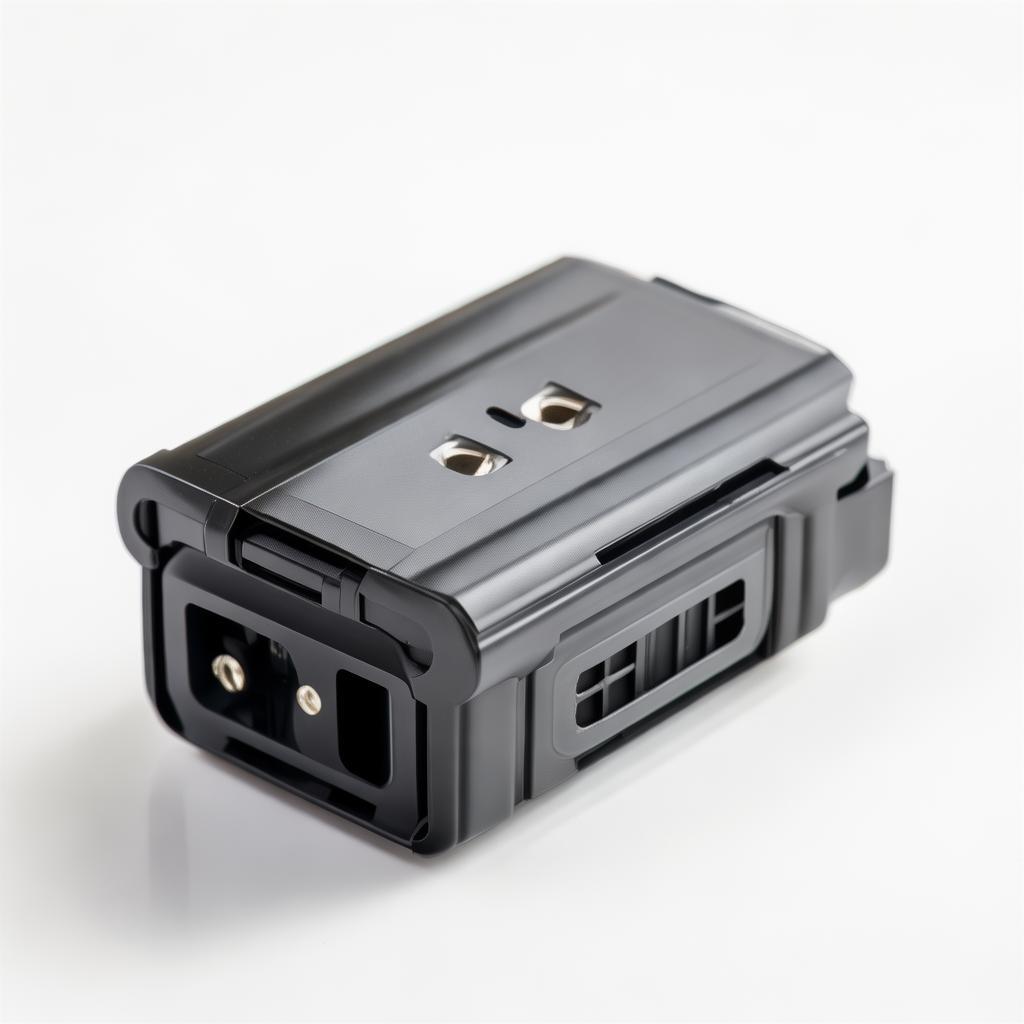
Precision liquid silicone encapsulated parts ready for automotive sensor integration.
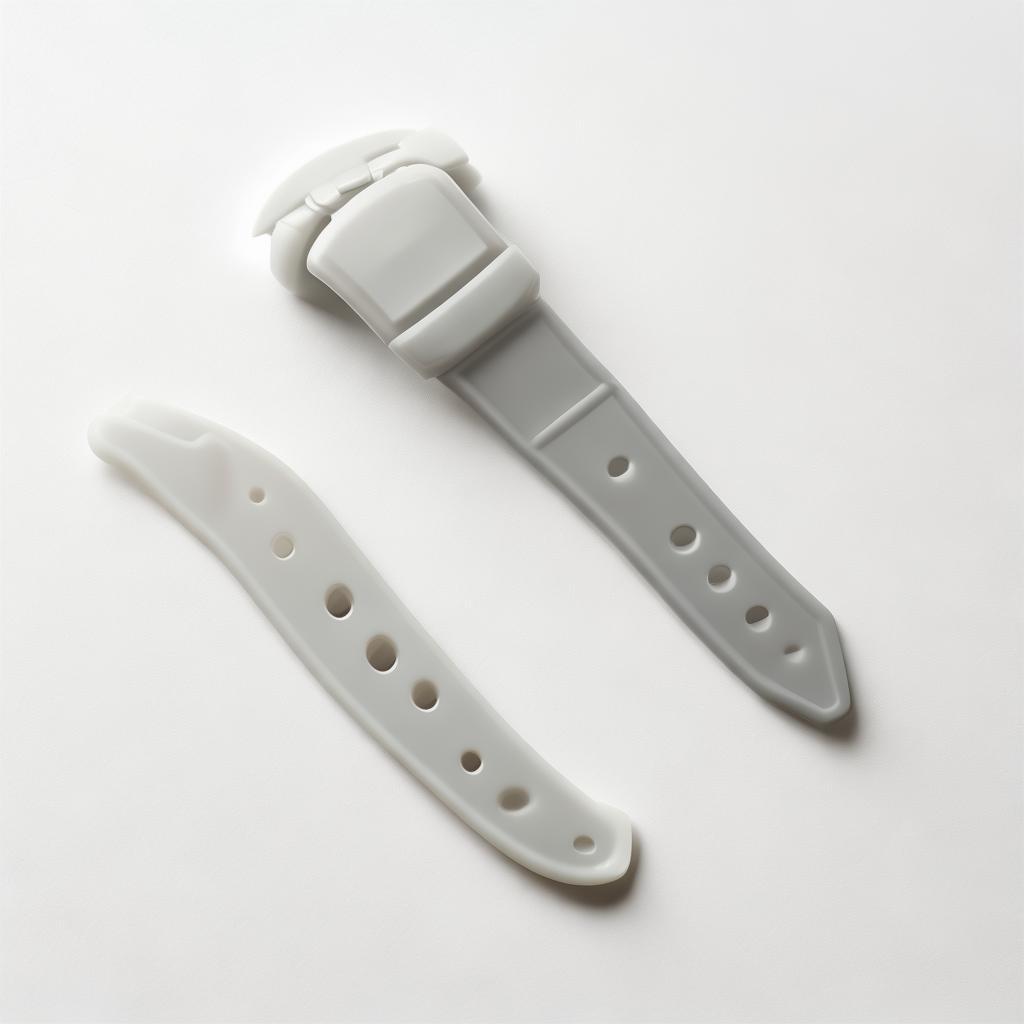
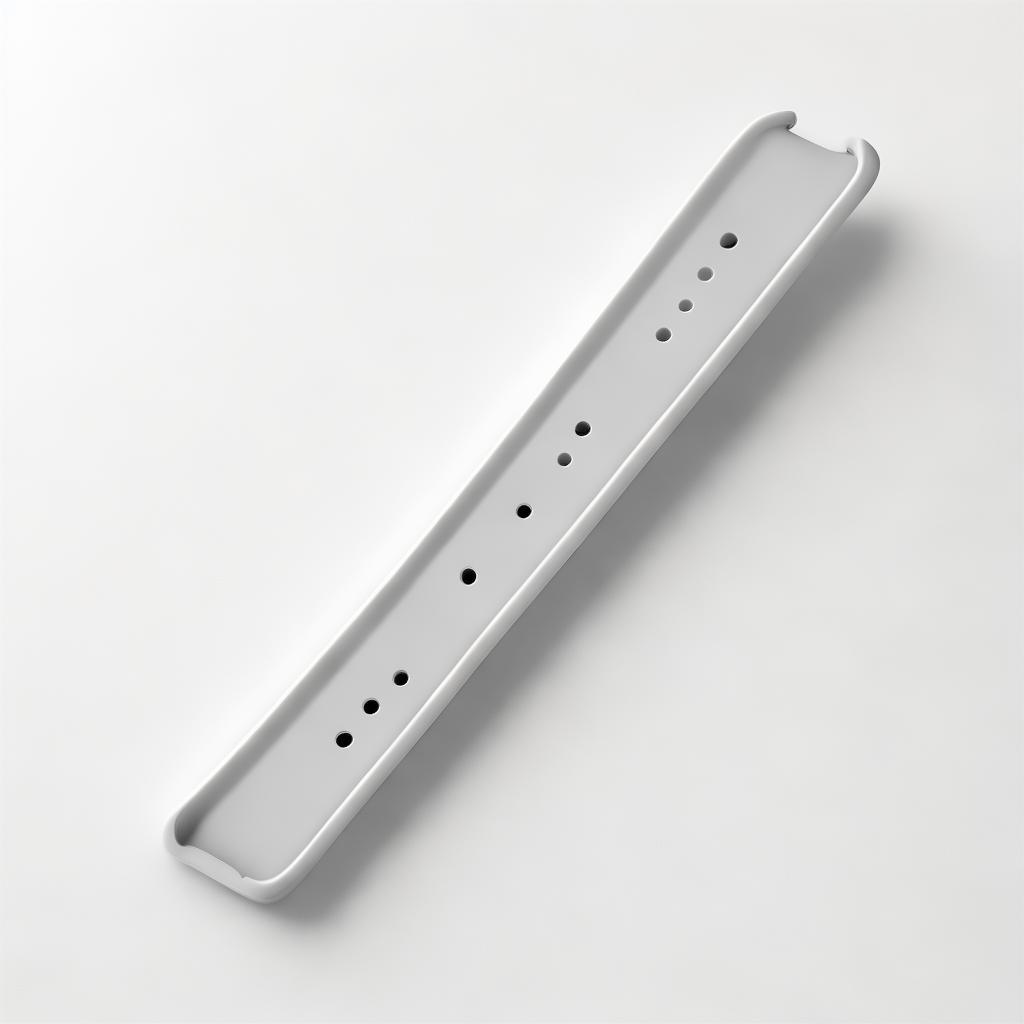
Our workflow tailors encapsulation thickness, hardness, and surface finish to fit diverse assembly routes. These parts meet tight dimensional tolerances enforced by industries like aerospace and medical hardware. Specific functional grading—UV stabilization, anti-slip backing, or silicone foaming layers—is applied on demand.
Due to the delicate nature of encapsulated assemblies, installation recommendations typically include gentle mechanical fastening systems or adhesive bonding using compatible primers to ensure retention without damaging the silicone elastomer layer.
Procurement Insights: Reducing Risks and Costs
Selecting the right supplier for liquid silicone encapsulated parts is about more than just price. The cost of tooling, material quality, and process expertise directly influence both part performance and Total Cost of Ownership (TCO). Here are key considerations that experienced procurement teams at Yingtai recommend:
Verify supplier tooling capabilities: Ensure the manufacturer owns or manages specialized LSR tooling, not just third-party molds. Tool design directly affects cycle times and defect rates.
Request material certifications: Confirm compliance with FDA, RoHS, UL, or other relevant quality standards to avoid supply disruption due to regulatory non-conformance.
Assess lead times realistically: Typical lead time for new mold sets ranges from 8 to 14 weeks; factor in delays associated with sampling and process validation.
Audit process controls: Ask about in-line testing, thermal curing validation, and rejection rates for encapsulated parts to gauge quality consistency.
Consider logistics expertise: Optimal container loading, anti-static packaging, and humidity control significantly reduce shipping damage risk. Suppliers like Yingtai support customized shipping plans.
Explore OEM/ODM possibilities: Long-term partnerships benefit from customized design input and joint development efforts to fine-tune encapsulation parameters.
“Early involvement of suppliers in the design stage saves procurement hurdles later. Typical mistakes include ordering prototype silicone grades without confirming industrial LSR scalability,” emphasizes Mr. Zhang, Export Director at Yingtai.
Yingtai Factory Expertise & Certifications
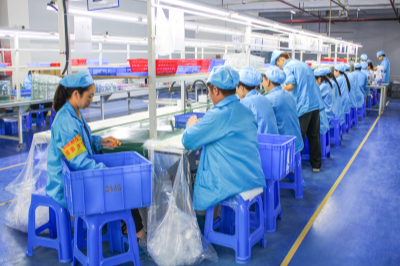
Based in Dongguan, Guangdong Province, Guangdong Yingtai High Precision Technology Co., Ltd. operates a 35,000 sqm facility housing:
Over 20 state-of-the-art testing instruments for dimensional, mechanical, and environmental simulation.
The factory integrates mold development through final part production in a vertically managed ecosystem, ensuring traceability and rapid iteration cycles. Their production team exceeds 500 technicians and engineers specializing in liquid silicone, electronic seals, and precision overmolding.
Certifications include:
ISO 9001 — Established quality management systems
RoHS Compliant — Environmental and safety standard adherence
CE Marking — Conformity for EU market requirements
What is the typical lead time for creating new liquid silicone encapsulated parts?
For new molds, expect 8 to 14 weeks depending on complexity. Injection molding samples usually take 3-4 weeks after mold completion.
Can Yingtai support multi-shot injection molding combining silicone and plastic?
Yes, multi-component (LSR + thermoplastics like ABS) overmolding is a core competency, enabling hybrid parts with rigid and soft-touch features.
How do you ensure quality compliance with medical or automotive industry standards?
Our facility maintains ISO 13485 quality systems and implements strict batch traceability. Testing includes biocompatibility, electrical insulation, and dimensional stability to meet customer-specified certifications.
Are custom colors or hardness levels available for your liquid silicone parts?
Absolutely. We work with suppliers offering FDA and RoHS-approved pigments and silicone compounds covering Shore A hardness from 20 to 80, tailored per application.
What packaging and shipping methods reduce risks during transportation?
Parts are shipped with moisture-barrier bags, customized trays, and anti-static wrappings. We optimize container loading and work with freight partners ensuring controlled humidity environments.
Customer Reviews & Procurement Stories
Michael Roberts, Procurement Manager at Advanced Automotive Inc., Detroit:
“Partnering with Yingtai for our liquid silicone battery encapsulation parts cut cycle defects significantly. Their in-house mold engineering helped us avoid costly reworks during scale-up, and communication was responsive across time zones.”
Get in Touch
If you have any camping barbeque equipment inquiry, please feel free to contact us.



 ISO 9001 — Established quality management systems
 RoHS Compliant — Environmental and safety standard adherence
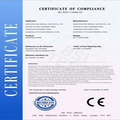 CE Marking — Conformity for EU market requirements
 FDA Registered for medical-grade silicone parts