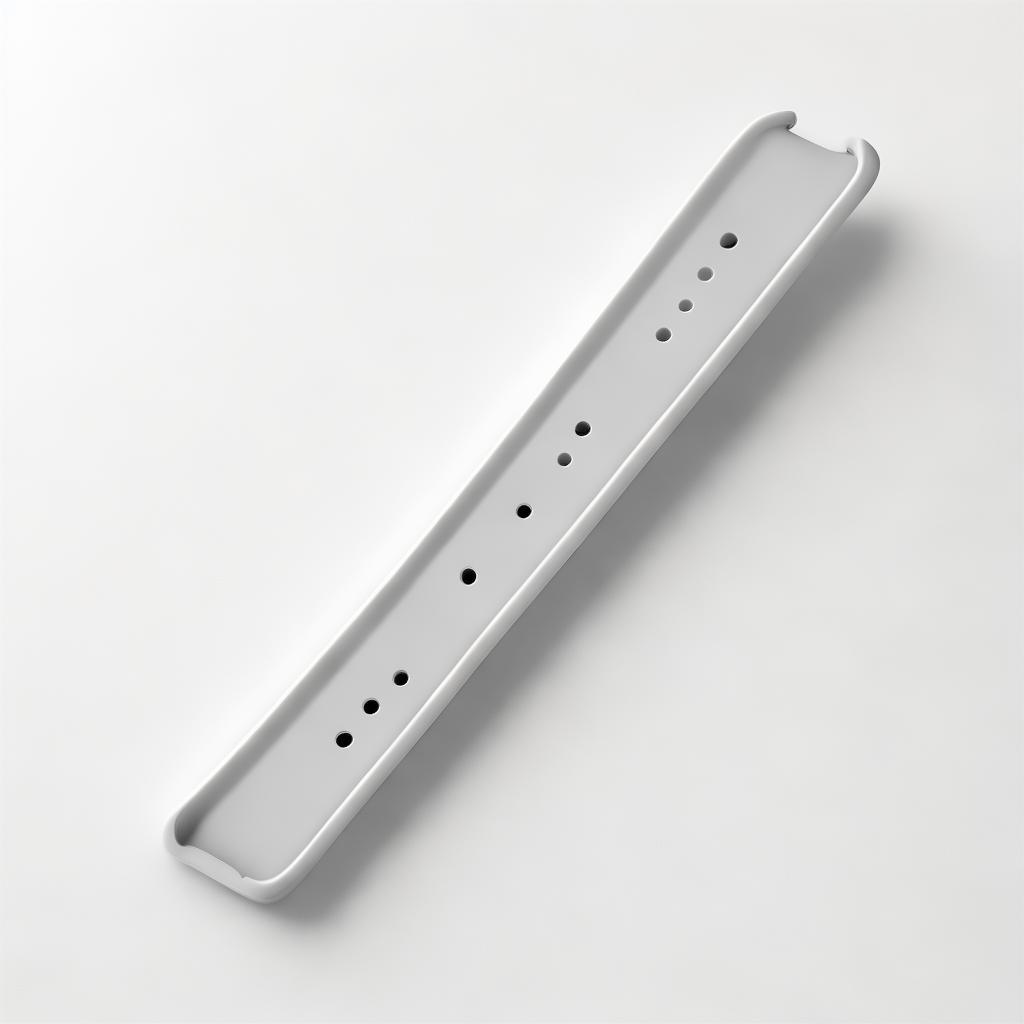
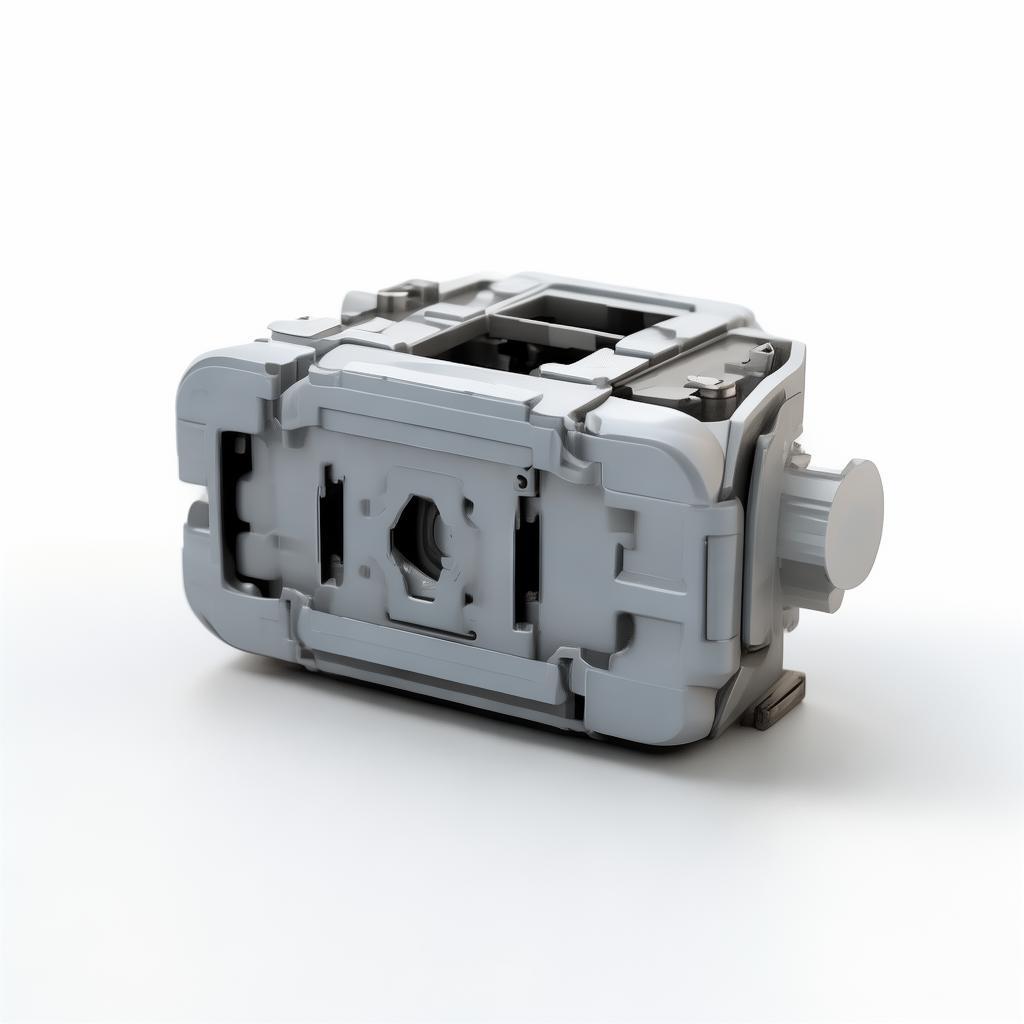
Expert Solutions & OEM/ODM Services for High-Performance Silicone Components Navigating the specialized arena of liquid silicone encapsulation demands a blend of technical precision, material mastery, and robust supply chain control. At Guangdong Yingtai High
Product Details
Liquid Silicone Encapsulation Parts Factory — Precision Manufacturing You Can Trust
Expert Solutions & OEM/ODM Services for High-Performance Silicone Components
A Closer Look at Liquid Silicone Encapsulation Manufacturing Today
Navigating the specialized arena of liquid silicone encapsulation demands a blend of technical precision, material mastery, and robust supply chain control. At Guangdong Yingtai High Precision Technology Co., Ltd., located in Dongguan's industrial nucleus, we have refined this craft for over 20 years. Our 35,000 m² modern industrial park houses extensive production capabilities tailored to the complex demands of OEM/ODM clients worldwide.
The global demand for liquid silicone rubber (LSR) is on an upswing — with market analyses forecasting values soaring from USD 2.81 billion in 2023 to nearly USD 7.5 billion by 2035[Grandview Research, 2023]. Key sectors such as automotive, medical devices, consumer electronics, and smart wearables drive this momentum. Buyers increasingly seek encapsulation parts that exhibit exceptional chemical inertness, temperature resistance, and electrical insulation — attributes where LSR has long outperformed alternatives.
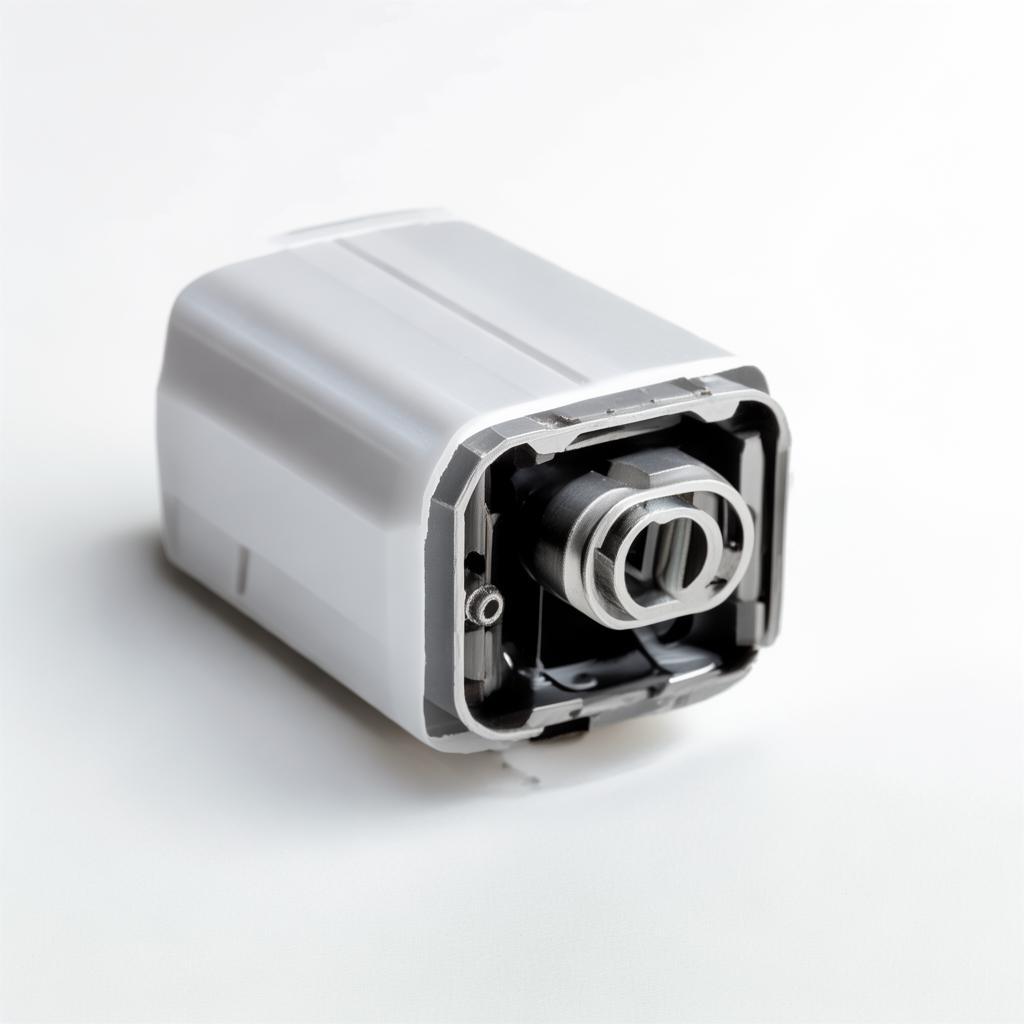
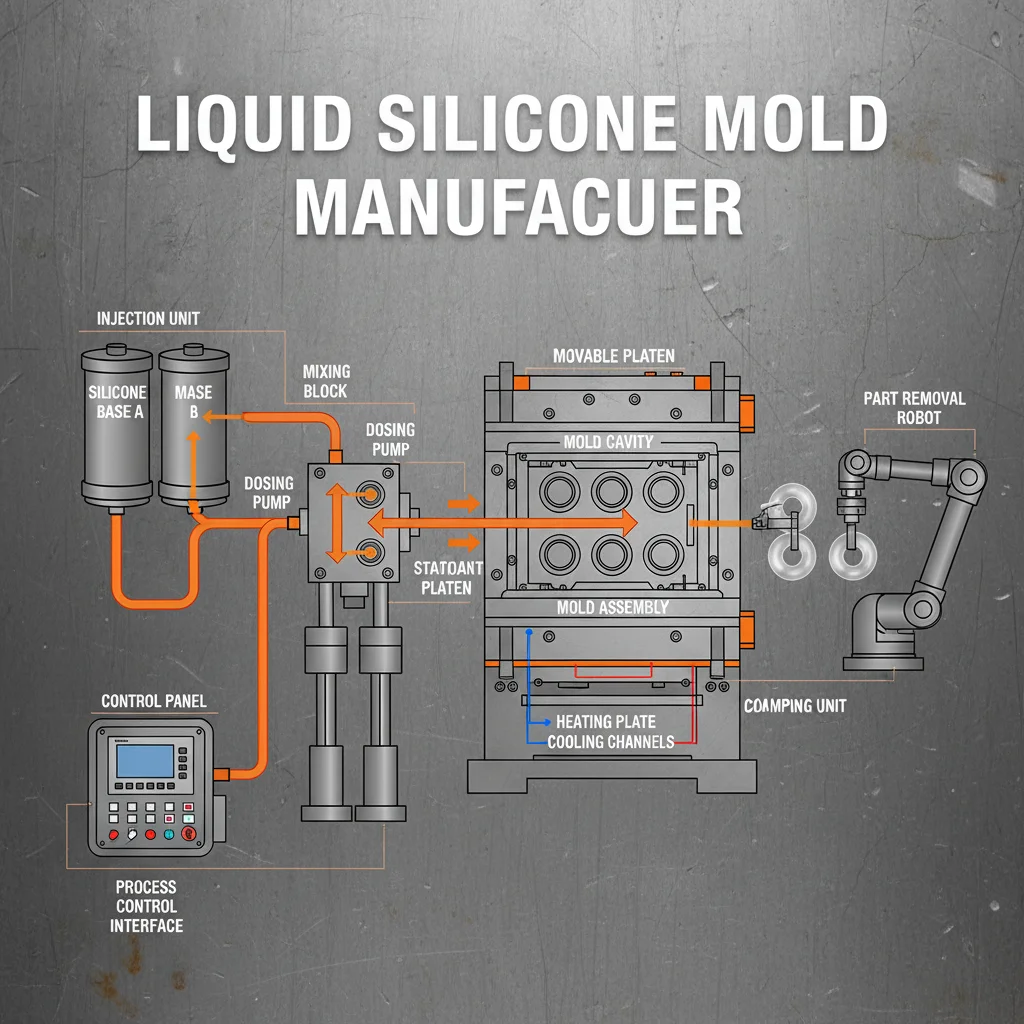
Our factory is no exception to this evolution. Equipped with 55 advanced liquid silicone molding machines plus 80 plastic injection molding sets, our production lines seamlessly merge precision tooling with automation. This infrastructure allows us to produce intricately shaped encapsulation parts with complex internal geometries and tight tolerances, delivering both durability and high-quality finishes. The addition of 20 solid silicone hydraulic presses and over 30 precision mold processing units further enables rapid prototyping and volume scalability, addressing varying buyer timelines without sacrificing quality.
Importantly, our integrated intellectual manufacturing system oversees operations from mold development through to final inspection. This closed-loop approach minimizes variations and defects — a critical factor for industries where sub-par encapsulation can cause catastrophic device failure or uptime losses.
On the material front, our liquid silicone compounds comply with high regulatory standards including FDA and ISO 10993 biocompatibility norms, making them suitable for direct medical contact applications. Meanwhile, our expertise extends to custom formulations with enhanced UV resistance, flame retardancy, and specific durometers tailored to client needs. These formulations balance elasticity with protection — an essential consideration in encapsulation roles mitigating mechanical stress and environmental exposure.
Considering procurement variables, lead times generally range between 15 and 30 days depending on production scale and customization level. We maintain consistent raw material supply chains and optimize container loading for major US-bound shipments, reducing transit costs and customs delays. Our export team has longstanding familiarity with Incoterms, import regulations, and packaging requirements relevant to North America, ensuring smoother transactional workflows.
When evaluating encapsulation suppliers, decision-makers should weigh not just price but also technical robustness, post-sale support, and traceability. Our dedication to manufacturing excellence and transparent communication has earned trust among technical engineers and procurement directors alike. Whether you need low-volume prototyping or large-scale runs ready for integration in new energy vehicles or high-tech consumer products, our capabilities and consultative approach deliver measurable value.
Common Challenges in Liquid Silicone Encapsulation Procurement
Many procurement professionals share firsthand frustrations when sourcing encapsulation parts: inconsistent material grades, unpredictable curing profiles, and lack of dimensional stability often result in costly production interruptions — especially in safety-critical sectors like automotive and medical devices.
Material Variability: Liquid silicone suppliers sometimes fail to deliver consistent durometer or color shades, which impedes assembly line synchronization and quality assurance.
Tooling Delays: Due to the complex nature of LSR mold designs, lead times for mold approval and adjustments can extend project schedules by weeks.
Defect Rates: Issues like flash, bubbles, or incomplete filling reduce yield rates, leading to direct waste and rework costs.
Communication Gaps: Time zone differences and unclear technical dialogue often cause misunderstandings in specifications or batch compliance.
Maintenance Complexity: Silicone molding machines require precise calibration; untrained operators or lack of predictive maintenance cause unexpected downtime.
Our operations focus on mitigating these risks head-on through extensive process validations supported by digital simulation tools, rigorous quality audits referencing DIN EN ISO 13485 and ISO 9001, and proactive client engagement. We understand that in international trade, time, quality, and predictability often outperform cost alone.
Technological Edge & Material Comparisons
Selecting liquid silicone encapsulation parts from a seasoned factory means leveraging sophisticated technical workflows and material science. Here’s how our manufacturing excellence stands out:
Advanced Rheology Characterization: We adopt validated rheological data sets for our LSR injection molding simulations, aligning with insights from MDPI’s 2023 polymer characterization study[1]. This reduces defects linked to mold flow and curing irregularities.
Vacuum-Assisted Molding: Our vacuum-compatible molds minimize trapped air bubbles — a technique gaining traction in soft robotics and wearable device applications, per Springer Soft Robotics research[3].
Multi-Shot Injection Molding: Combining LSR with ABS or other thermoplastics ensures overmolded parts maintain mechanical integration and durability, drawing on protocol established by MDPI Polymers 2023[6].
Material Performance: Compared to traditional solid silicone, liquid silicone offers superior flow characteristics for thin-walled, highly detailed encapsulations with tighter tolerances — critical in electronics and medical device sealing.
In practice, these technologies reduce scrap rates, shorten cycle times by several seconds per shot, and improve overall dimensional repeatability. We encourage technical engineers to engage early with our R&D and tooling teams to optimize for application-specific needs — whether UV resistance for outdoor sensors or ultra-clean biocompatibility for implantables.
Material Comparison: Liquid Silicone vs. Solid Silicone
Characteristics
Liquid Silicone Rubber (LSR)
Solid Silicone (HTV)
Processing Method
Precision Liquid Injection Molding
Compression or Transfer Molding
Dimensional Accuracy
High (±0.05 mm)
Moderate (±0.15 mm)
Cycle Time
Shorter (15–45 sec depending on complexity)
Longer (1–3 min)
Material Waste
Lower due to precise injection
Higher (excess trimmed material)
Applications
High-precision electronics, medical seals, wearable tech
Low-volume, large parts, simple gaskets
Our Factory Production Capabilities & Technical Specs
Precision is the cornerstone of producing encapsulation parts that meet US and international standards. Our production environment adheres to stringent cleanroom protocols for sensitive silicone products, accompanied by ISO 9001 and ISO 13485 certified quality management systems.
55 sets of liquid silicone injection molding machines, with shot volumes ranging from 2g to 500g
Over 80 automatic plastic injection molding units complementing multi-material manufacturing
Application Areas for Liquid Silicone Encapsulation Parts
Buyers from diverse industries trust our encapsulation parts for their demanding applications:
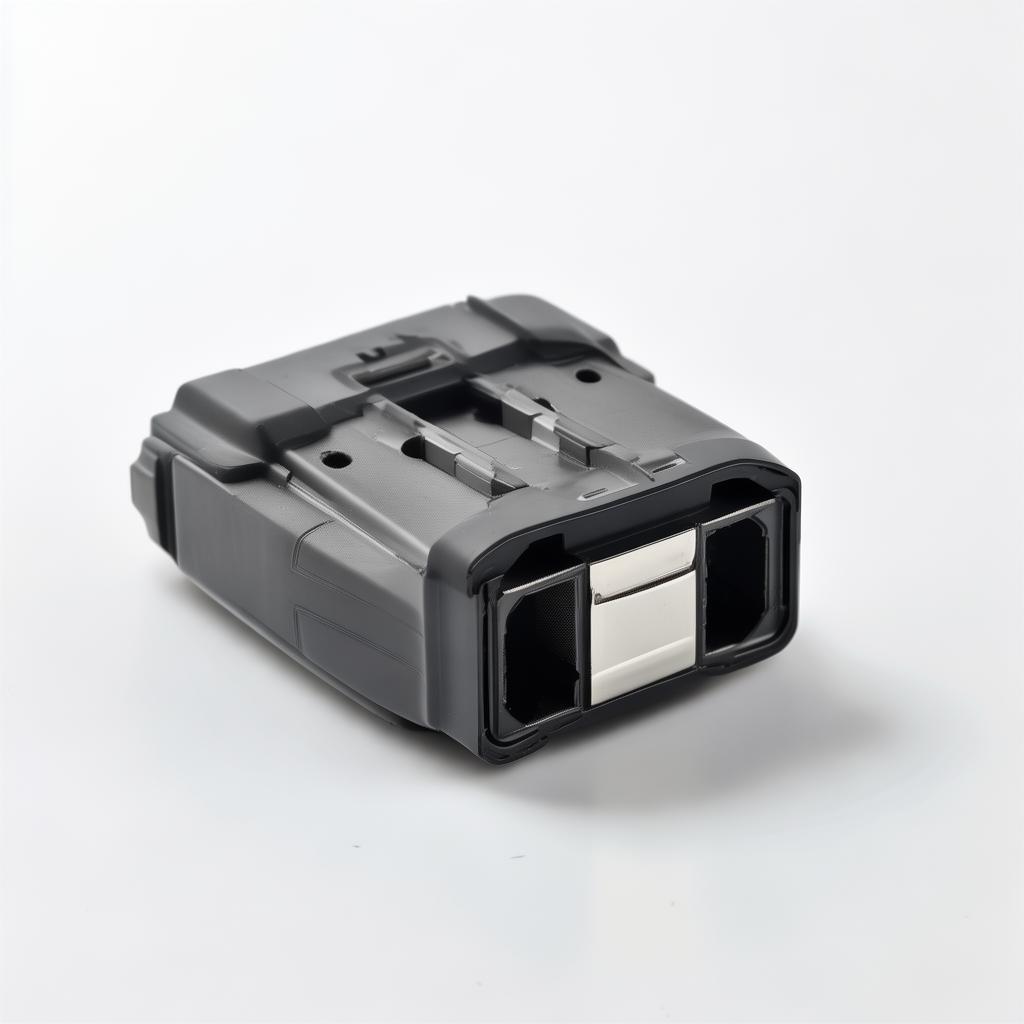
Automotive Industry: High-performance sealing and protective encapsulation for sensors, connectors, and new energy vehicle electronics.
Medical Devices: Biocompatible parts satisfying ISO 10993 for implantables, wearable monitors, and sterilizable components.
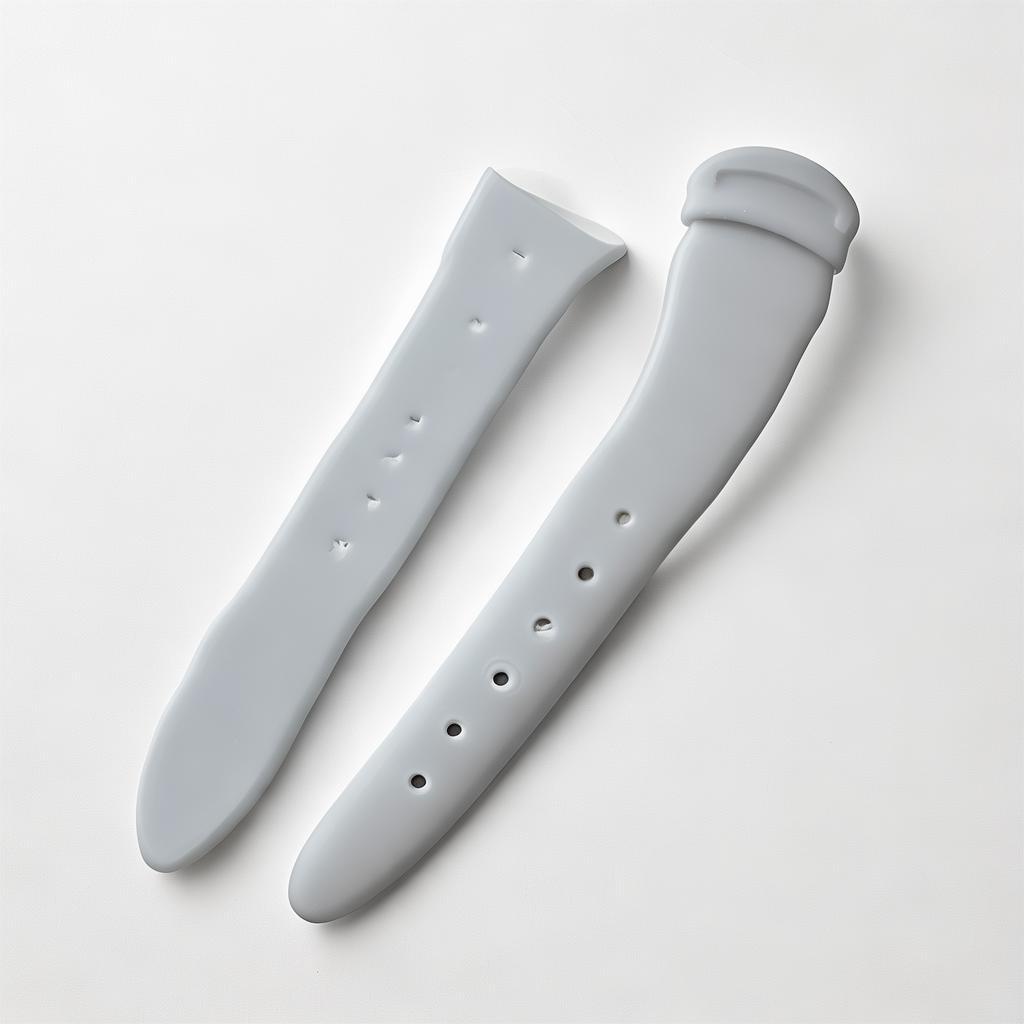
Consumer Electronics: Silicone gaskets and molded seals for smartphones, wearables, and rugged devices requiring water- and dust-resistance.
Industrial Electronics: Encapsulations withstanding harsh chemical exposure and temperature variations in factory automation and communication equipment.
Household Appliances: Flexible protective boots and gaskets for smart home devices and kitchen appliances operating under constant mechanical stress.
Each application category imposes unique performance demands, from electrical insulation to biocompatibility to environmental durability. Our flexibility in tooling, formulations, and production scale supports meticulous customization for those nuances — essential for supply chain partners aiming to reduce failure rates and warranty claims.
Shipping encapsulation parts globally involves attention to packaging, customs, and regulatory compliance. We streamline this by:
Optimizing packing to prevent deformation and contamination during transit.
Aligning with Incoterms for clarity on responsibilities ranging from FOB to DDP delivery strategies.
Ensuring products pass key certifications relevant in target markets — including CE, RoHS, FDA registration when applicable.
Providing comprehensive OEM/ODM services — our teams co-design molds, select materials, and tailor processes with you to maintain confidentiality and optimize cost efficiency.
Offering real-time order tracking and quality assurance reporting to reduce buyer anxiety in cross-border transactions.
Key certifications reinforcing product reliability and regulatory compliance
Frequently Asked Questions from Buyers & Procurement Teams
What is the typical lead time for custom liquid silicone encapsulation parts?
Lead times are generally 15–30 days, depending on mold complexity, product quantity, and labor scheduling. Rapid tooling options can shorten prototyping to under 10 days in some cases.
Can you produce parts that meet FDA biocompatibility standards?
Yes. We use FDA-compliant LSR materials and maintain cleanroom conditions suitable for medical-grade encapsulation solutions.
What kind of quality control measures are in place?
We follow ISO 9001 and ISO 13485 quality systems, conducting incoming material inspection, in-line process monitoring, and final batch testing such as durometer, tensile strength, and microscopic visual inspection.
Do you offer OEM/ODM services?
Absolutely. Our R&D team supports custom mold design and proprietary formula development under strict confidentiality agreements.
How do you handle shipping and logistics for North American customers?
We coordinate directly with freight forwarders experienced in US import processes, optimizing container space while ensuring hygiene and mechanical protection for the parts. Our export team regularly liaises with clients for documentation and compliance.
What Our Clients Say
Mark Johnson, Procurement Manager — USA Electronics Supplier
“After switching to Yingtai for our smartphone gasket encapsulations, we saw improved dimensional consistency and fewer assembly line jams. Their quick response and flexible MOQ really helped us overcome supply bottlenecks during peak seasons.”
Get in Touch
If you have any camping barbeque equipment inquiry, please feel free to contact us.