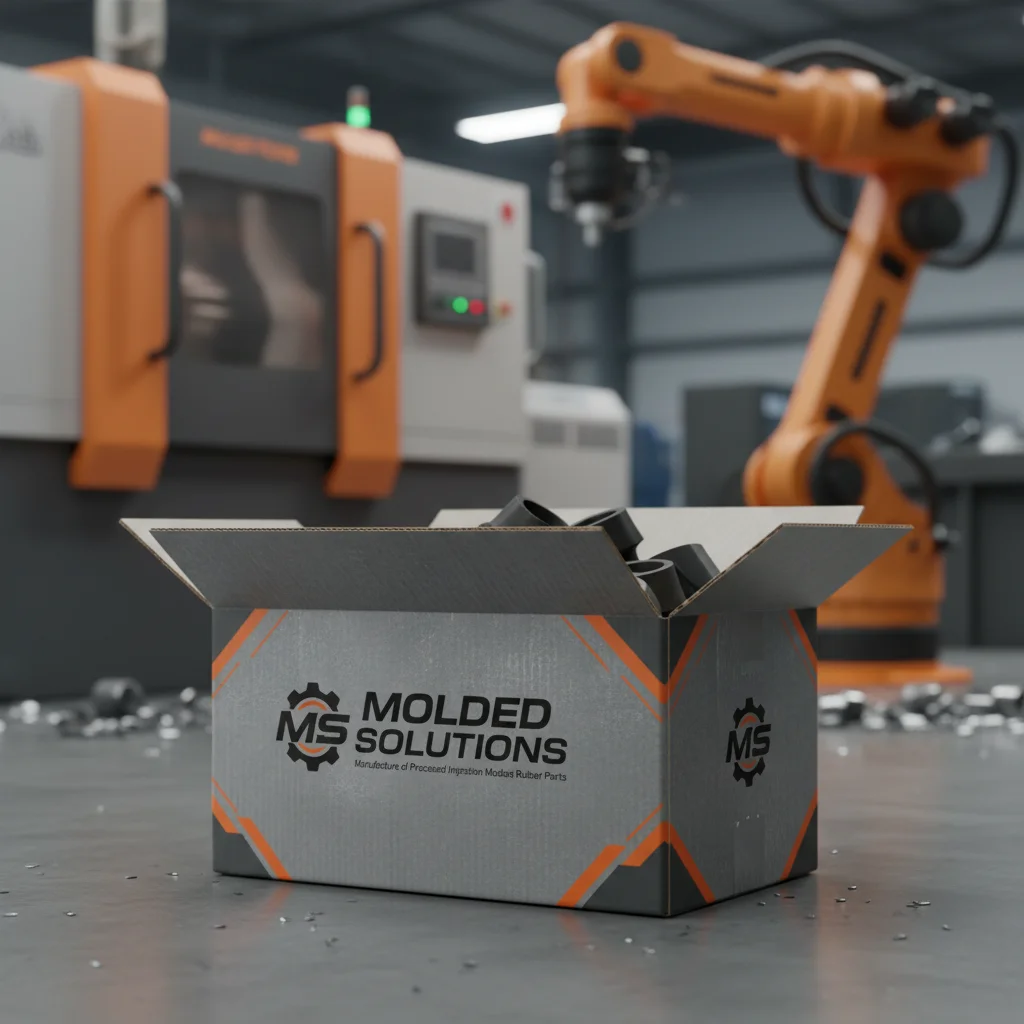
Introduction to Liquid Silicone Parts Mold: Engineering Precision for Tomorrow’s Manufacturing
In today’s highly competitive manufacturing landscape, precision matters more than ever. For industries relying on intricate, high-performance silicone components, liquid silicone parts mold technology emerges as the pivotal solution — merging superior material properties with cutting-edge molding processes. Embedded deeply in sectors from medical devices and automotive components to consumer electronics and wearable tech, liquid silicone molding unlocks unmatched durability, biocompatibility, and design flexibility.
The manufacturing process begins with selecting the appropriate high-grade liquid silicone rubber (LSR), celebrated for heat resistance, chemical inertness, and elasticity. Unlike traditional solid silicone or compression molding, liquid injection molding enables rapid, high-volume production of complex geometries with tight dimensional tolerances — vital for applications requiring consistent performance under demanding conditions. It’s no surprise that research forecasts the global LSR market to double by 2030, driven by escalating demand in healthcare, automotive, and electronics, according to reports by Grand View Research and Research Nester.
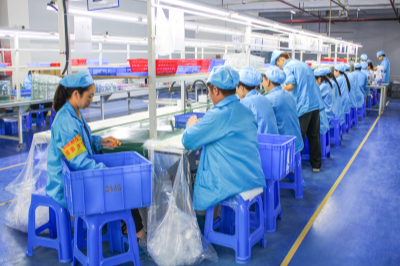
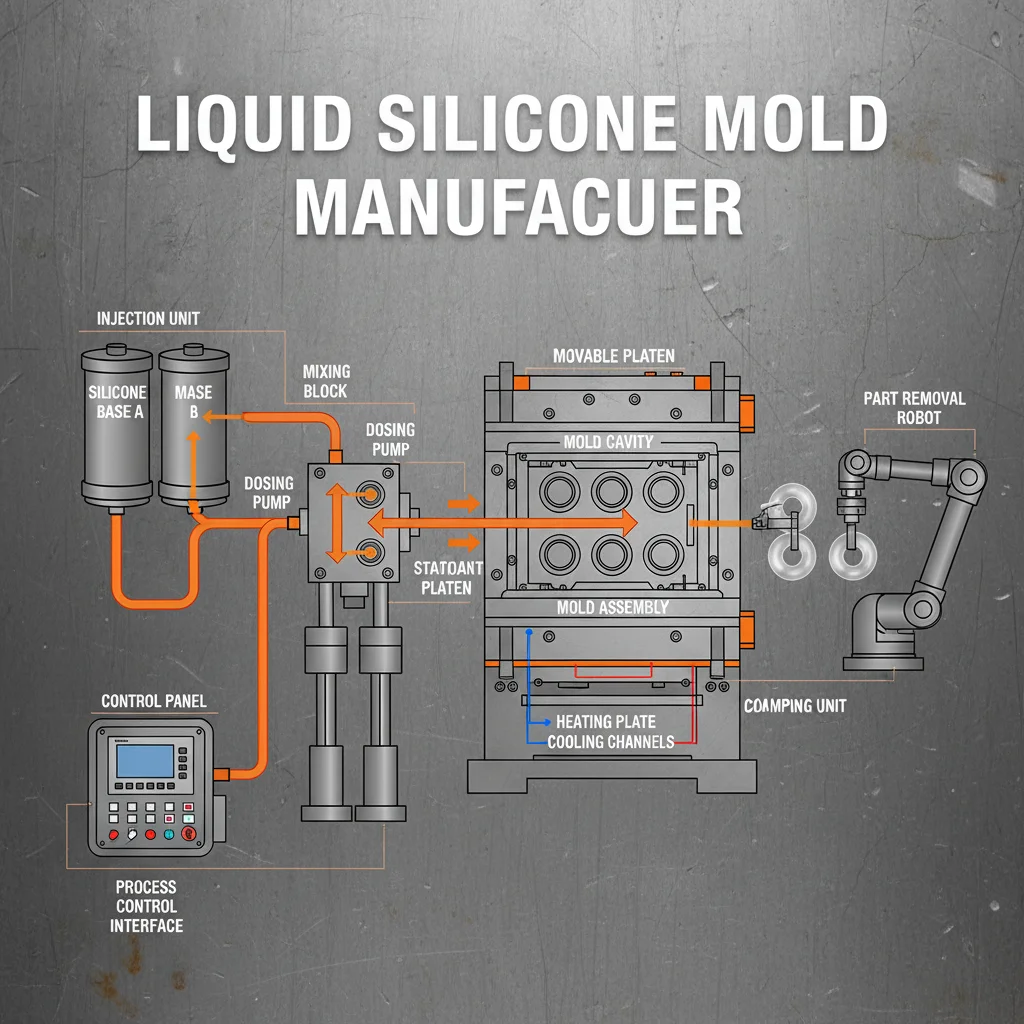
However, realizing the full promise of liquid silicone molding extends beyond just material selection. Mold design and engineering — the backbone of this manufacturing method — must address challenges such as cavity balancing, ventilation to minimize flash defects, and integration of multi-shot molding capabilities for overmolded seals or hybrid components. Effective mold cooling systems also impact cycle times significantly, influencing cost-effectiveness and production scalability. Our expertise at Guangdong Yingtai High Precision Technology Co., Ltd., built on 20+ years of operational mastery, reflects these realities. We deploy over 55 specialized LSR molding machines alongside precision tooling to guarantee quality and repeatability.
Integrating practical procurement insights is also critical. Many buyers underestimate tooling complexities, leading to longer lead times or costly mold redesigns. Partnering with a supplier who understands ISO 9001 and FDA standards, for example, ensures compliance across medical-grade silicone parts production. Furthermore, logistic considerations such as container loading optimization and export packaging — especially for fragile or micron-precise components — can influence your total landed cost notably.
This page aims to cut through the technical and commercial noise. Whether you represent purchasing for an OEM, manage supply chain decisions for electronics manufacturing, or consult in advanced medical device production, you'll find here an in-depth, no-nonsense view on liquid silicone parts molds: from technical specifications and material comparisons to real-world buyer guidance and risk mitigation strategies. Our goal: help you make well-informed, operationally sound sourcing decisions based on expertise, experience, and trusted production intelligence.
Technical Overview & Specifications
Liquid silicone parts mold manufacturing demands synergy between material science and engineering precision. Typically, our molds utilize high-grade stainless steel 1.2738 or P20 for durability and resistance to wear from abrasive fillers used in some LSR compounds.
| Parameter |
Specification |
Remarks |
| Cavity Count |
Single to 32 |
Customized per order volume |
| Injection Pressure |
Up to 15,000 psi |
Supports complex geometry filling |
| Cycle Time |
30–90 sec |
Material and part dependent |
| Temperature Control |
±0.5℃ precision cooling/heating |
Ensures curing consistency |
| Surface Finish |
Ra ≤ 0.4 μm |
Polished or matte as specified |
| Material Compatibility |
LSR grades 20–70 Shore A |
Includes medical and food-grade |
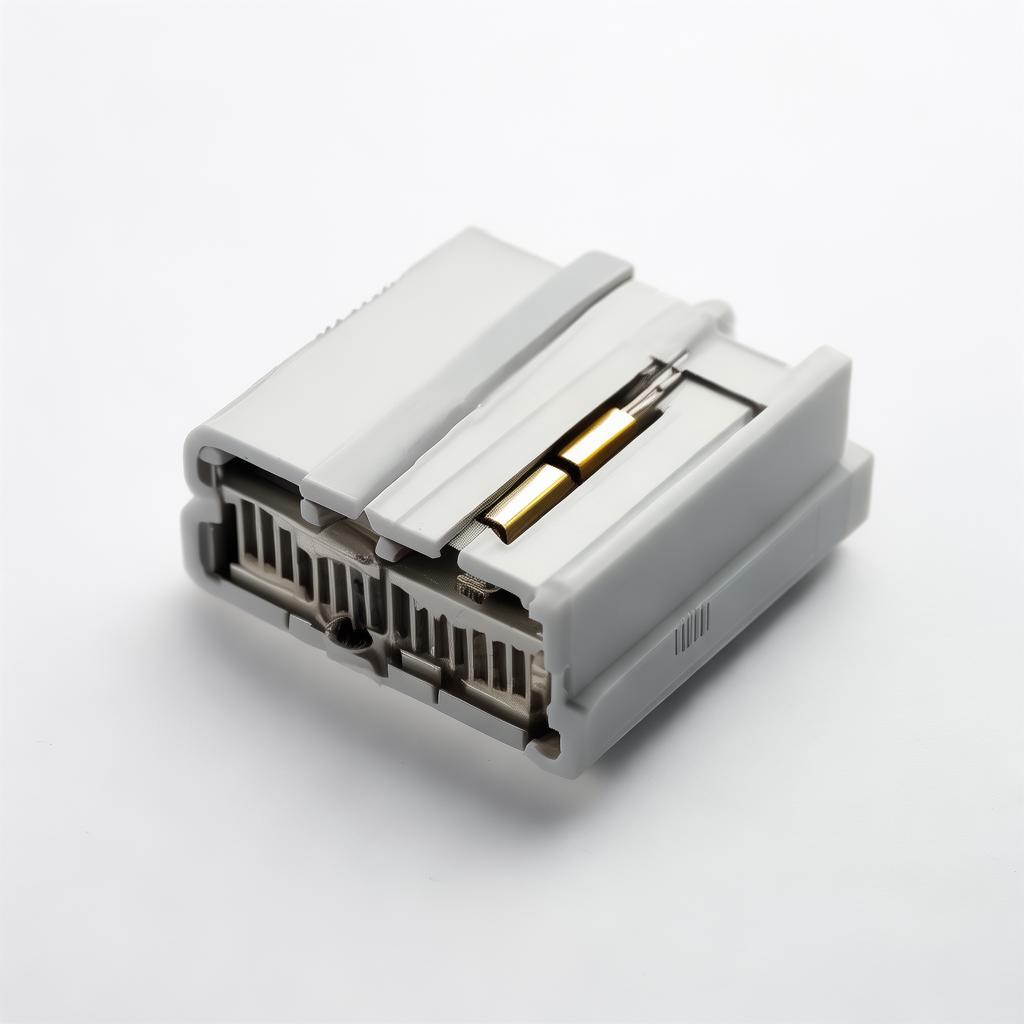
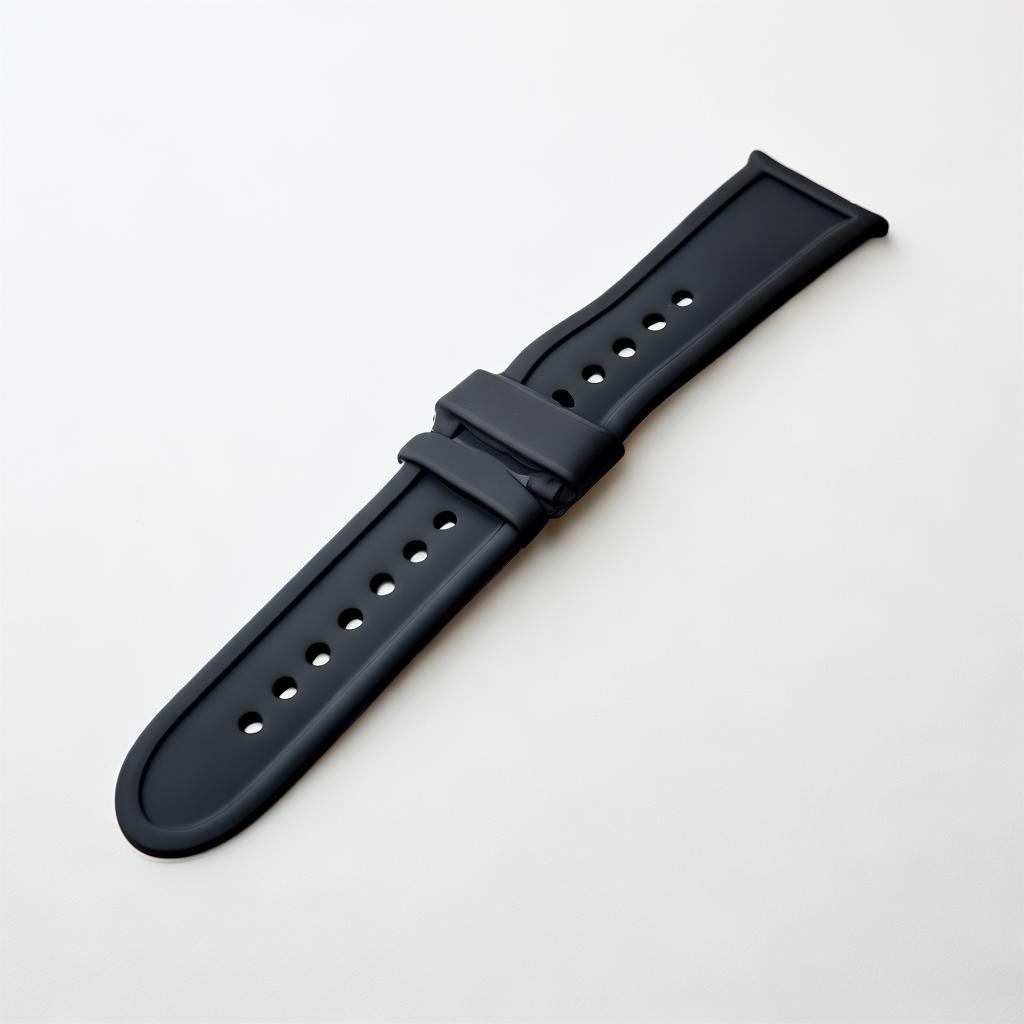
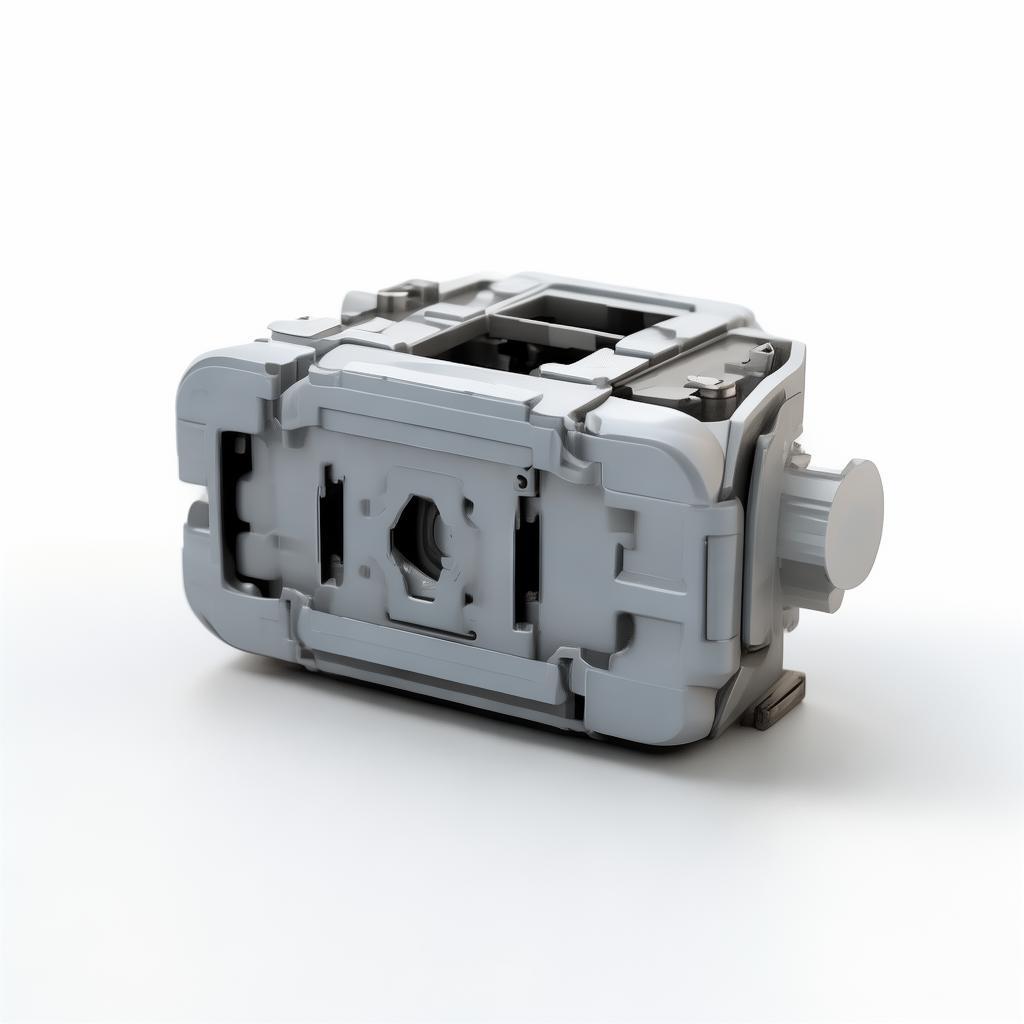
Liquid silicone coated metal parts mold Liquid silicone parts mold enterprise Liquid silicone product mold
Our technical teams apply rheological simulation data to optimize mold filling, referencing industry standard characterization techniques highlighted by recent MDPI publications on material datasets improving production reliability. Custom venting and vacuum-assisted molding options reduce air entrapment in complex soft-robotics or medical applications, enhancing product integrity (see Springer research).