By James Zhang, Export Director at Guangdong Yingtai High Precision Technology Co., Ltd. Over the past decade, the automotive sector has transformed rapidly, with a significant push toward safer, lighter, and more reliable vehicle
Product Details
Liquid Silicone Products for Automobiles: Precision, Durability & Performance
By James Zhang, Export Director at Guangdong Yingtai High Precision Technology Co., Ltd.
Addressing Automotive Industry Challenges with Liquid Silicone
Over the past decade, the automotive sector has transformed rapidly, with a significant push toward safer, lighter, and more reliable vehicle components. Liquid silicone products have emerged as essential materials for sealing systems, gaskets, vibration dampers, and protective covers. However, procurement managers and technical engineers often grapple with several core pain points:
Durability under extreme conditions: Silicone must resist temperature swings from sub-zero to 200°C+, resisting UV exposure, ozone, and automotive fluids.
Precision molding & consistent quality: Automotive tolerances demand exact fit and finish for safety-critical seals and electronic enclosures.
Supply chain reliability: Long lead times or inconsistent supply disrupt production lines significantly.
Cost-effectiveness balanced with performance: Silicone material costs can be high; balancing price with lifecycle is vital.
OEM compliance and certifications: Products must comply with ISO/TS 16949 automotive standards and relevant safety tests.
Many operations managers overlook the subtle yet impactful effects of mold design and material grade selection. For example, minor differences in rheological properties during injection molding can cause flash defects or dimensional drift — costly to fix downstream.
According to industry reports, the global liquid silicone rubber (LSR) market for automotive applications is expected to grow substantially through 2035, driven by increasing demand for electric vehicle components and smarter sealing technologies ({Grandview Research}). This calls for reliable suppliers who combine advanced production expertise and scalable facilities.
Technical Overview: What Makes Liquid Silicone Ideal for Automobiles?
Liquid Silicone Rubber (LSR) stands apart due to its unique chemical and physical properties. Unlike conventional plastics or rubber, LSR exhibits remarkable thermal stability, chemical resistance, and biocompatibility — features critical for automotive environments.
Our experience at Guangdong Yingtai, with over 35,000 sqm of modern industrial park and 55 specialized LSR molding machines, confirms the following key technical advantages:
Heat Resistance: Maintains elasticity and dimensional stability from -60°C to +230°C, covering engine bays, interiors, and external seals.
UV & Ozone Resistance: Ideal for parts exposed to harsh sunlight and pollution without cracking or yellowing.
Chemical Resistance: Resists oils, coolants, fuels, and cleaning agents better than many polymers.
Flexibility & Tear Strength: LSR’s molecular structure offers outstanding elongation and recovery — vital for seals and vibration dampers subject to cyclic stress.
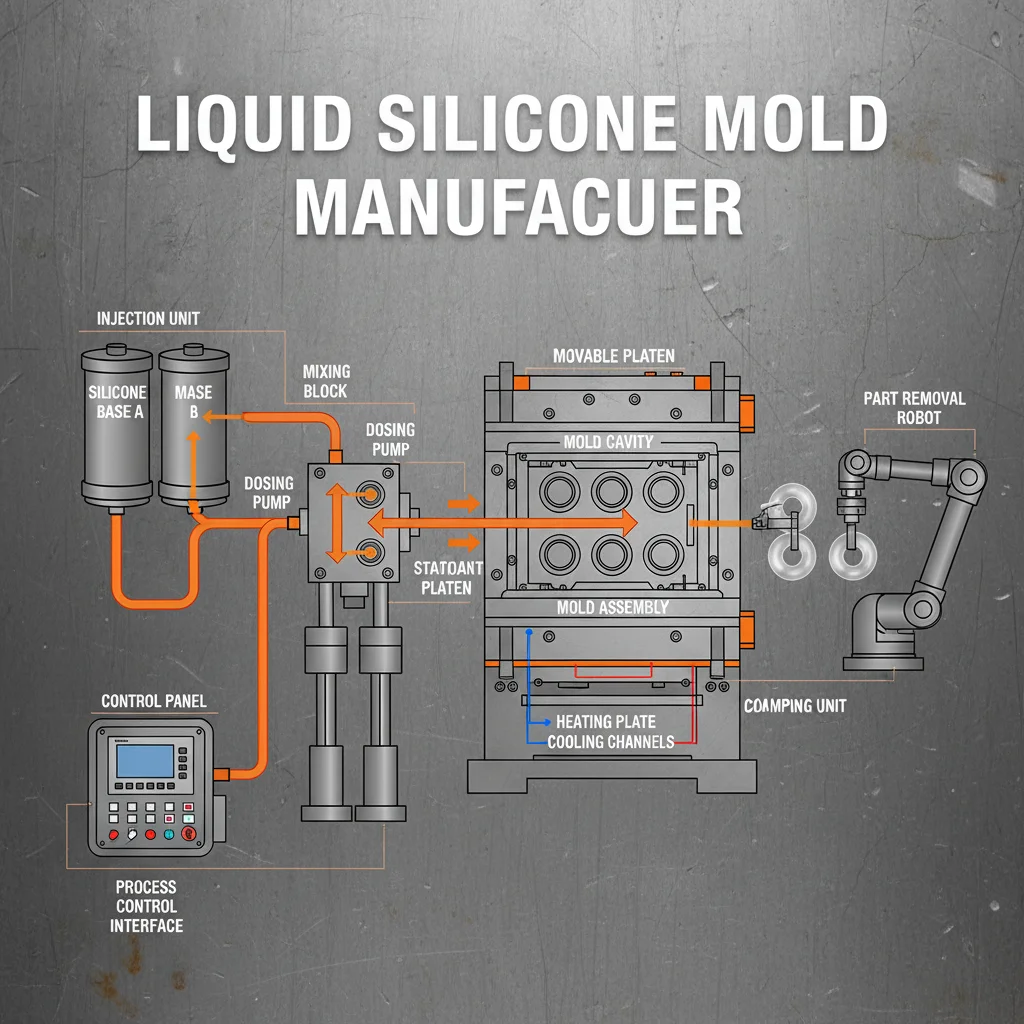
Injection Molding Precision: Advanced half-automatic and fully automatic machines deliver tight tolerances (±0.1mm) and complex geometries with seamless overmolding capability.
We maintain rigorous raw material quality control following ISO 9001 and ISO/TS 16949 certifications. In-house laboratories test thermal conductivity, curing behavior, and rheological properties—important as material inconsistencies can lead to cycle delays or production defects. Studies such as MDPI’s material characterization research highlight how accurate silicone datasets improve mold simulation predictions, reducing trial and error in mass manufacturing.
Our engineering team oversees mold design specifically for LSR’s low-viscosity flow and vulcanization kinetics, ensuring optimal cavity venting and balanced pressure to avoid flash and air traps.
Advantages of Our Liquid Silicone Automotive Products
With two decades of expertise supplying to top-tier international OEMs, Yingtai’s liquid silicone components showcase several operational benefits for automotive users:
Feature
Benefit
Operational Impact
High-Temperature Endurance
Maintains dimension and function in engine compartments
Practical operational note: Many procurement officers underestimate the importance of proper mold maintenance schedules. Our clients who implement recommended maintenance tend to see up to 15% fewer production delays and improve consistency in critical dimensions versus those who skip routine checks.
Procurement Tips & Minimizing Risks in Sourcing Liquid Silicone Products
Selecting the right liquid silicone product supplier demands more than just a price quote; it requires a blend of technical validation and logistical expertise:
Verify material certifications: Confirm compliance with automotive-grade silicone standards such as ISO/TS 16949, REACH, and specific regional regulatory requirements.
Assess mold & process capabilities: Suppliers with advanced injection molding machines (our factory uses 55 LSR presses and automated control systems) can provide critical consistency in parts quality.
Demand full traceability: Material batches, curing cycles, and testing logs should be traceable to ensure quality consistency over multiple production runs.
Lead time transparency: Evaluate supplier production scheduling capacity and container loading efficiencies. Our factory offers optimized container packing ensuring 20–22% space savings compared to traditional packing methods.
OEM/ODM collaboration: Communication with suppliers capable of customizing molds, designs, and material formulations for your exact specifications can reduce redesign iterations and speed up time-to-market.
Be wary of suppliers lacking in-house quality control or those unfamiliar with the stringent variability tolerances demanded by automotive programs. Delayed shipments or inconsistent batches can halt entire assembly lines.
Our Factory Strength & Certifications
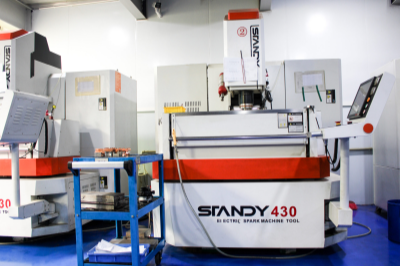
Guangdong Yingtai High Precision Technology Co., Ltd., based in Dongguan’s Changan Town, occupies a 35,000 sqm industrial park with a dedicated focus on liquid silicone and plastic parts manufacturing. For over 20 years, we have developed a vertically integrated factory chain—from mold development to finished product assembly—that supports OEM and ODM automotive needs with:
80 automatic plastic injection molding machines for multi-material parts & overmolding.
20 solid silicone hydraulic presses for high-performance silicone components.
30+ precision mold processing devices & 20+ state-of-the-art testing instruments for thermal, mechanical, and chemical evaluation.
Experienced workforce: 500+ skilled technicians, engineers, and quality control specialists.
Our commitment to quality is demonstrated through full ISO 9001 and ISO/TS 16949 certification, and continuous improvement programs inspired by lean manufacturing principles. This reduces waste, shortens production cycles, and improves yield rates across all automotive silicone parts.
Q: How does Yingtai ensure consistent dimensional accuracy in LSR parts?
Our mold design team integrates CAE simulation with real-time rheological data of silicone batches, ensuring cycle times and temperature profiles optimize flow control. This decreases flash and shrinkage variance significantly.
Q: What are typical lead times for automotive-grade silicone orders?
Depending on order complexity and tooling, 4 to 8 weeks is standard. For existing molds and repeat orders, lead time can be shortened to 2-3 weeks, including sampling.
Q: Can you handle overmolding with plastics or metals?
Yes. Our multi-component injection molding process integrates LSR with ABS, PC, or metal inserts, ensuring excellent adhesion and mechanical strength, critical for assembly in automotive interiors and sensor housings.
Q: What certifications support your automotive silicone products?
We maintain ISO 9001, ISO/TS 16949 for automotive quality, and REACH compliance on materials. Specific customer-requested tests like UL94 flammability or FDA suitability can be arranged.
Q: What packaging and logistics support do you provide?
We optimize container loading plans to maximize space usage, and provide detailed packing lists and quality inspection reports to assist smooth customs clearance and minimize handling damage risks.
Customer Reviews
John Miller
Procurement Director, Midwest Auto Components, USA
“Yingtai’s liquid silicone seals for our electric vehicle battery packs have consistently met stringent specs. We appreciate their transparency on lead times and technical flexibility, which helped avoid costly delays last year. Their quality control is solid, and the custom molds perfectly fit our assemblies.”
Get in Touch
If you have any camping barbeque equipment inquiry, please feel free to contact us.