


Contents
Achieve Reliable Production with the Correct Minimum Wall Thickness for Injection Molding
Reduce scrap, accelerate time‑to‑market, and cut costs by mastering wall‑thickness guidelines—ideal for Purchasing Managers, Technical Directors, and Operations Leaders.
Get Free Quote in 24 hWhy Incorrect Wall Thickness Costs You More
When you specify a wall thickness that’s too thin or too thick, you expose your project to a cascade of problems:
- Excessive Warpage & Shrinkage – Thin walls cool faster, creating uneven shrinkage that can render a part unusable.
- Higher Cycle Times & Energy Use – Over‑thick sections demand longer heating and cooling cycles, inflating production costs by up to 25 %.
- Increased Flash & Material Waste – Poor wall‑thickness control leads to flash, causing re‑work and material loss (average 0.4 % of batch weight).
- Tooling Wear & Shortened Mold Life – Uneven flow stresses accelerate wear, shortening mold life by 15‑20 %.
- Supply‑Chain Delays – Late redesigns due to thickness errors push delivery beyond the promised 30‑day window.
According to a Grand View Research report, the LSR market will grow at 8.5 % CAGR through 2030, yet 30 % of new projects fail early because of wall‑thickness mis‑calculations. That’s a missed opportunity you can’t afford.
Our Expertise: Precision Minimum Wall Thickness Engineering
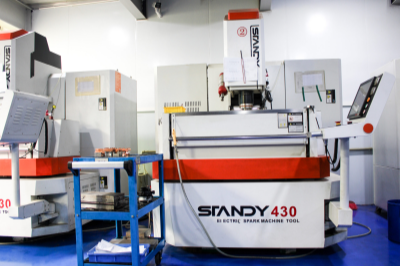
Guangdong Yingtai High Precision Technology leverages 20+ years of R&D, 55 liquid‑silicone molding machines, and 80 high‑speed plastic injection units to guarantee that every part meets the exact wall‑thickness envelope you need.
Key Advantages
- OEM/ODM Design Support – From concept to production, we validate wall‑thickness via CAE simulation (rheology data from MDPI study [1]).
- Rapid Prototyping – 15‑day sample turnaround using high‑precision steel molds.
- Quality Assurance – ISO 9001, CE, RoHS, and FDA certifications ensure compliance across US/EU markets.
- High‑Speed Delivery – 80 % of orders shipped within 7 days after tooling approval.
- Cost Transparency – Fixed‑price quoting with no hidden freight surcharges.
Technical Specification Table
| Parameter | Typical Range | Recommended Minimum | Material Examples |
|---|---|---|---|
| Thermoplastic (PP, PC, ABS) | 0.8 mm – 4 mm | 0.8 mm | Automotive clips, consumer housings |
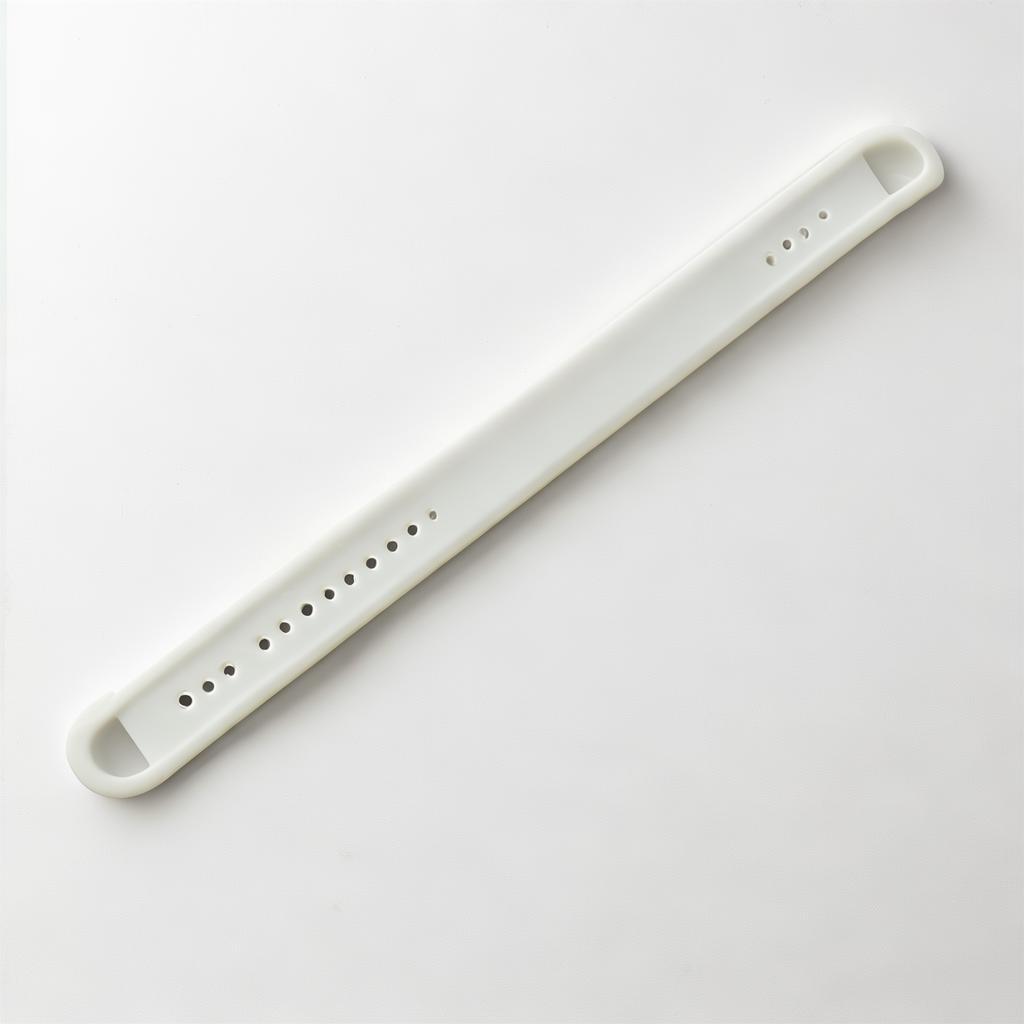
| Liquid Silicone Rubber (LSR) | 0.6 mm – 3 mm | 0.6 mm | Medical seals, wearables |
| High‑Performance Engineering Plastics (PEEK, PPS) | 1.0 mm – 5 mm | 1.0 mm | Aerospace brackets, oil‑field components |
| Thermoset Silicone (HTV) | 0.7 mm – 2.5 mm | 0.7 mm | Food‑contact gaskets, medical tubing |
**Why these minima matter** – Below the listed minimum, the part may experience:
- Insufficient gate filling leading to short shots.
- Localized overheating and premature cure (critical for LSR [1]).
- Reduced mechanical strength, especially in high‑stress applications.
Application Scenarios & Case Studies
Automotive Sealing (0.6 mm LSR) – A leading EV manufacturer reduced seal failure rate by 42 % after we re‑engineered wall thickness to 0.65 mm, verified with ResearchNester data.
Medical Device Housings (0.8 mm PC/ABS) – Using AI‑driven process optimization (see arXiv [10]), we cut cycle time from 18 s to 12 s while maintaining ISO 13485 compliance.
Consumer Wearables (0.7 mm LSR overmold) – Overmolding with a 0.7 mm wall eliminated flash, saving $0.03 per unit (≈ $30k annual saving for a 1 M unit run).
Download Full Technical Brochure


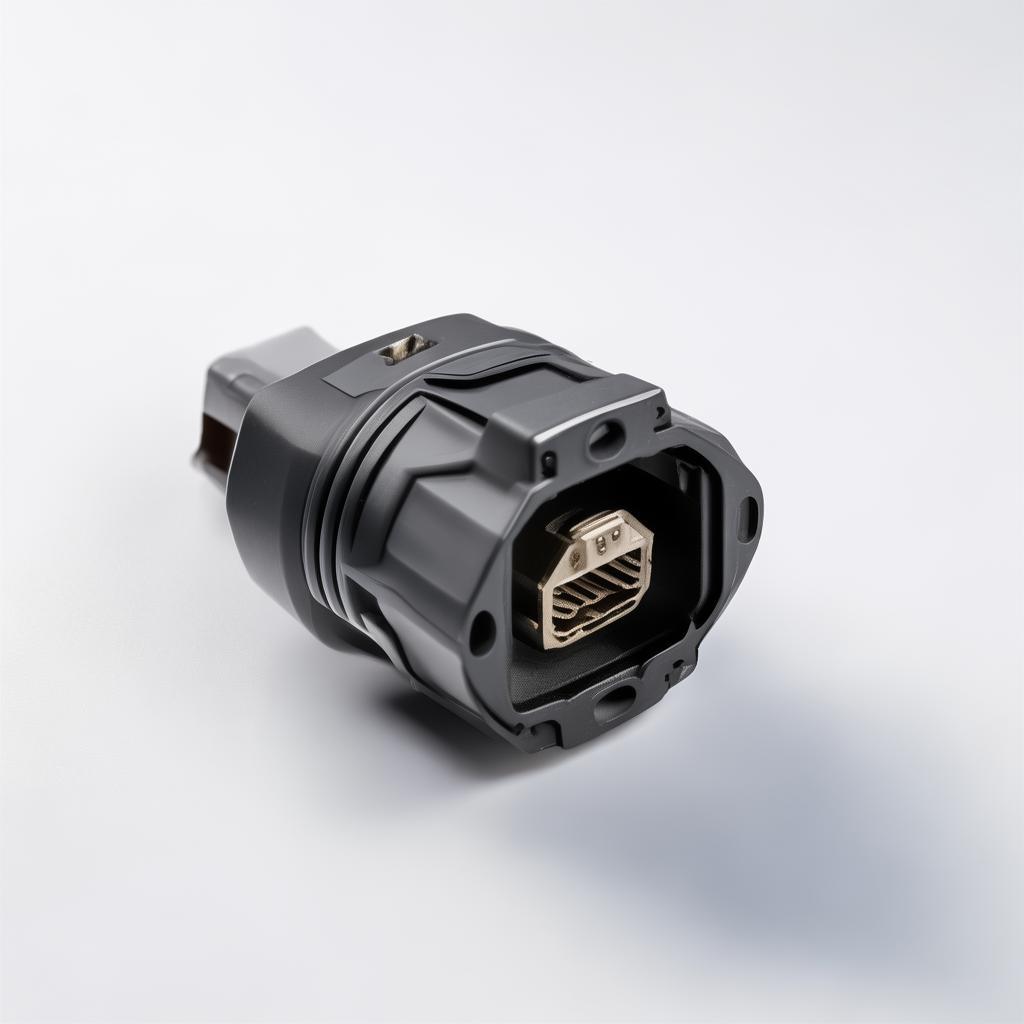
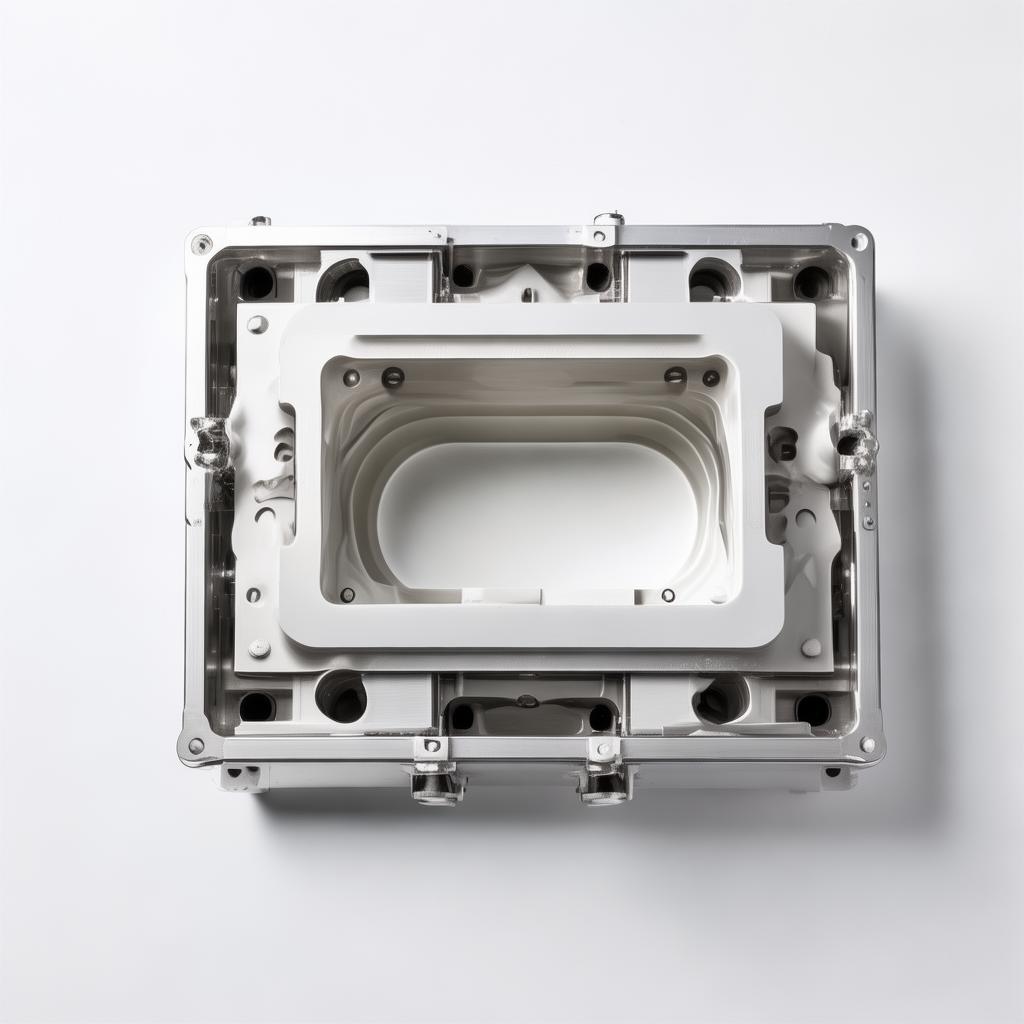
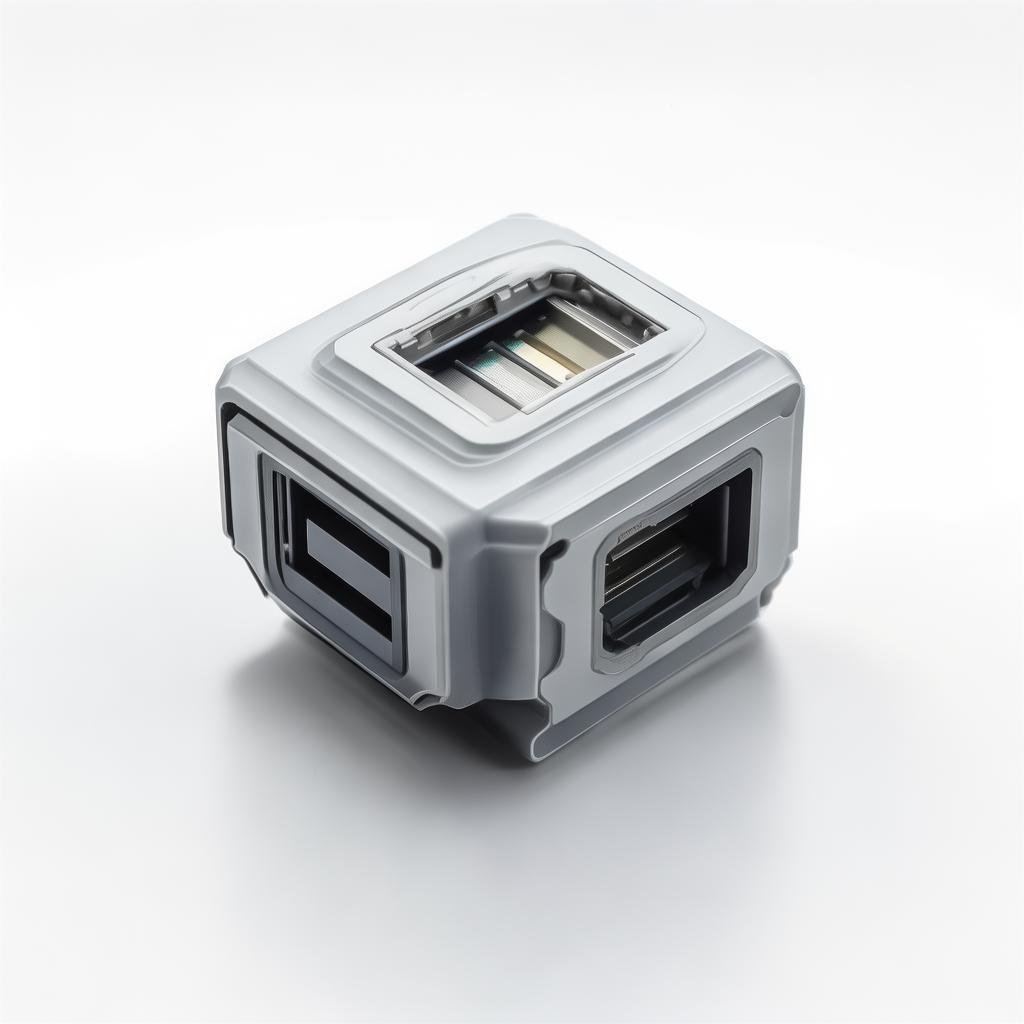
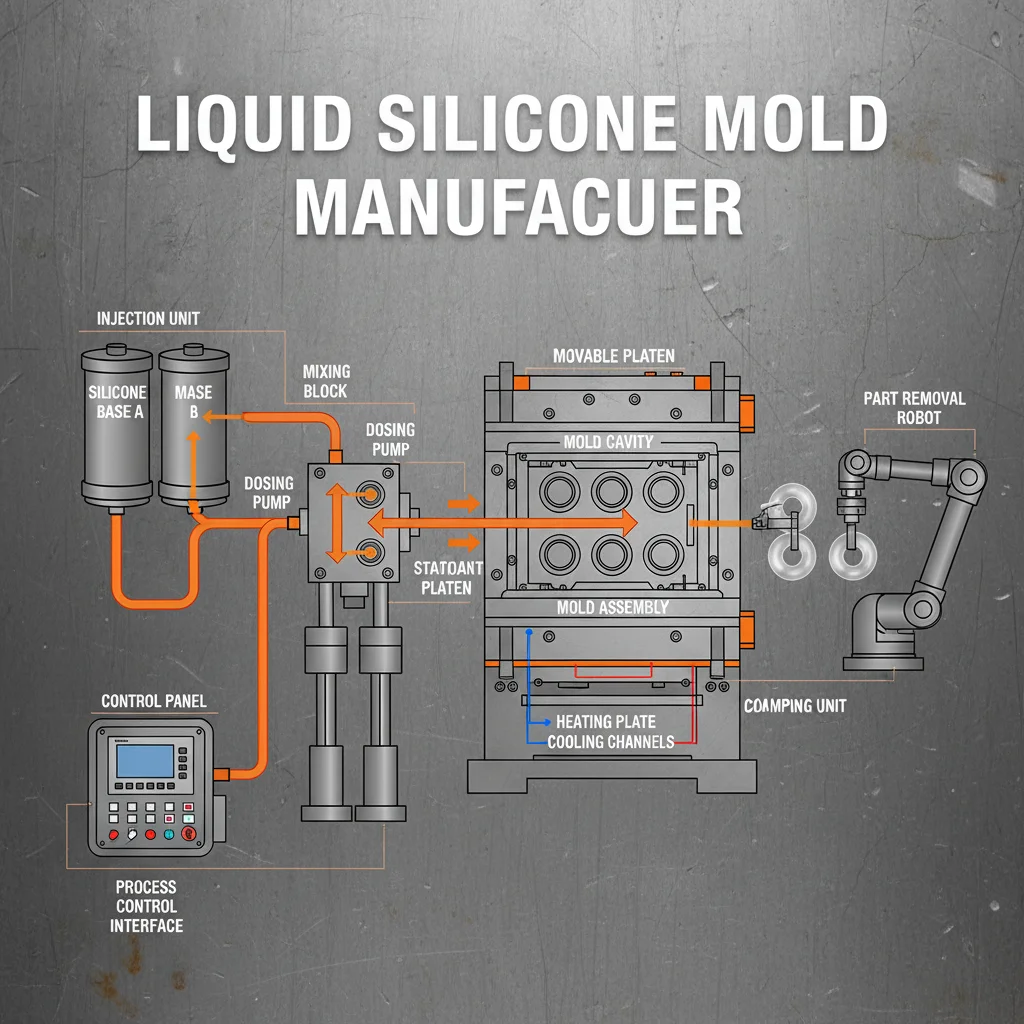
injection-molding-minimum-wall-thickness customized-precision-injection-molding-inc injection-molding-Product diagram-of-injection-molding
Frequently Asked Questions
Q1: What is the absolute minimum wall thickness I can specify for LSR injection molding?
A: For most medical‑grade LSR grades, 0.6 mm is the practical floor. Below this, gate filling becomes unreliable and flash increases dramatically. (See MDPI study [1] for rheology limits.)
Q2: How does part geometry affect the minimum thickness?
A: Sharp corners, high aspect‑ratio ribs, and thin ribs concentrate cooling. Adding fillets ≥ 0.3 mm and using uniform wall sections can allow you to stay at the minimum without risking warpage.
Q3: Can I use the same thickness for both LSR and thermoplastic parts?
A: No. Thermoplastics typically require ≥ 0.8 mm, while LSR can go down to 0.6 mm because of its lower viscosity and faster cure. Mixing materials in a multi‑shot mold demands separate thickness analysis for each cavity.
Q4: How do you verify that the produced part meets the thickness spec?
A: We employ CMM (Coordinate Measuring Machine) and laser scanning for 0.01 mm accuracy, plus statistical process control (SPC) charts to monitor every batch.
Q5: What is the lead time for a new mold that meets my minimum‑thickness requirements?
A: Standard steel molds are delivered in 30‑45 days. For rapid‑tooling aluminum or hybrid molds, we can start production within 15 days.
Q6: Do you provide simulation services to predict wall‑thickness related defects?
A: Yes. Our CAE team uses Moldflow® with material data calibrated from the MDPI viscosity study [1] and Fraunhofer waste‑reduction research [4] to forecast flash, sink marks, and cooling times.
Q7: What are the payment terms for large‑volume orders?
A: We accept T/T 30 % upfront, 70 % upon shipment, with L/C and PayPal options for US/EU clients.
Q8: How do you ensure compliance with US/EU regulations for thin‑wall silicone parts?
A: All LSR grades are FDA‑registered (Food Contact) and CE‑marked. Our QA team maintains ISO 9001, ISO 13485 (medical), and RoHS compliance certificates for every batch.
Ready to Optimize Your Parts?
Limited‑Time Offer: Free First‑Run Sample
Order now and receive a risk‑free sample of a 0.6 mm LSR seal—no charge, no commitment.
Claim My Free Sample
Urgency: Only 50 samples left for this quarter.
Risk‑Mitigation: Money‑back guarantee if the sample fails to meet spec.
Contact us via:



What Our Clients Say
 Emily R., Purchasing Lead – TechGear USA
“The 0.6 mm LSR seal we received passed all functional tests on day one. Yingtai’s engineering support shaved two weeks off our schedule.” Peter K., Operations Manager – EuroAuto GmbH
“Their wall‑thickness analysis prevented a costly redesign. Production yield rose from 92 % to 99 %.” Sofia L., Supply Chain Director – MedLife UK
“Fast shipping, transparent pricing, and the free sample proved their confidence. We’re now a long‑term partner.”
About the Author

David Chen, Ph.D. – Senior Manufacturing Engineer with 18 years in silicone and polymer injection molding. Former Lead Process Engineer at a Fortune‑500 automotive supplier, published author on CAE simulation for LSR, and regular contributor to Plastics News*. You can reach me at dhchen@yingtai168.com for deeper technical discussions.
Guangdong Yingtai High Precision Technology Co., Ltd.
Phone: +86 177 2243 7688 | Fax: +86 0769‑83666863
Email: zmm@yingtai168.com / lh@yingtai168.com
Address: No. 359 Chang'an Bubugao Road, Chang'an Town, Dongguan City, Guangdong Province, China
© 2026 Yingtai Plastic Molding – All Rights Reserved.



Trusted by Global Leaders
Our clients include OEMs from the automotive, medical, and consumer electronics sectors.
Customer Testimonials