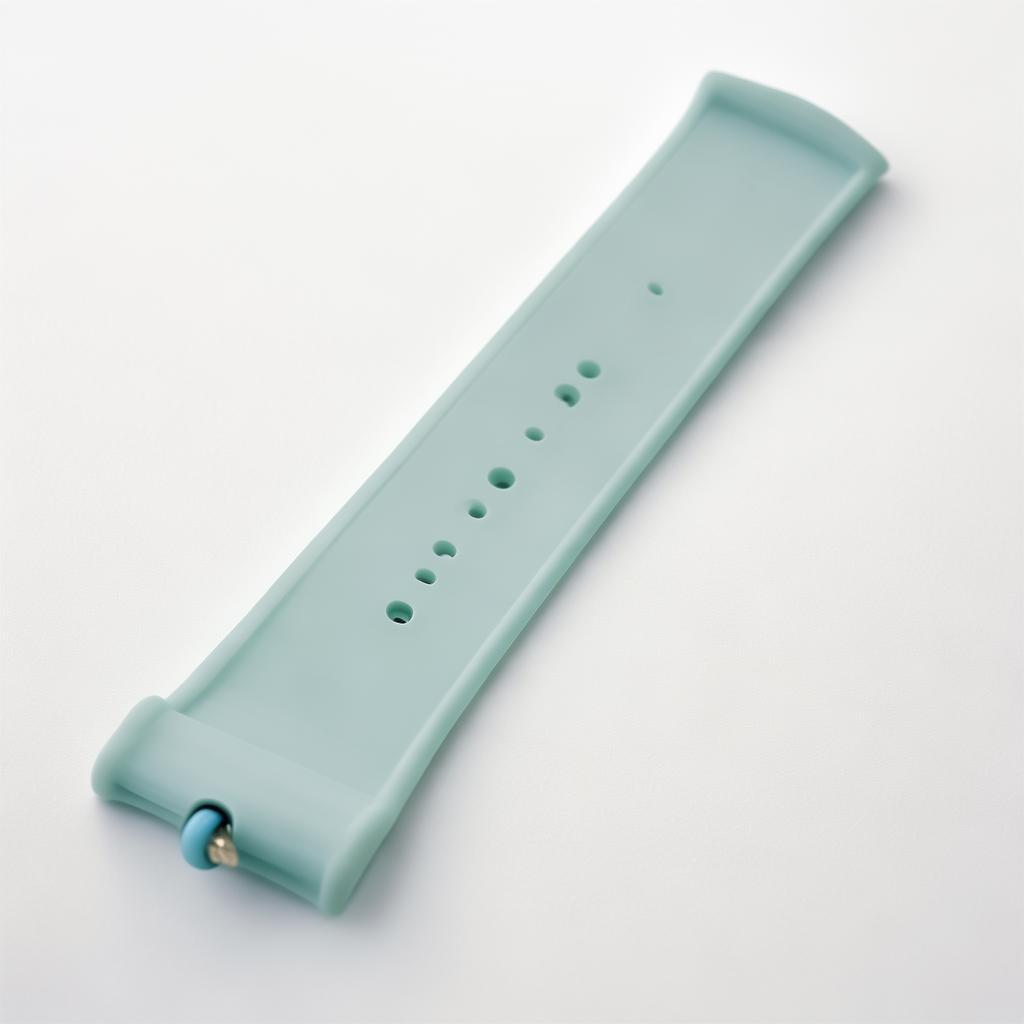
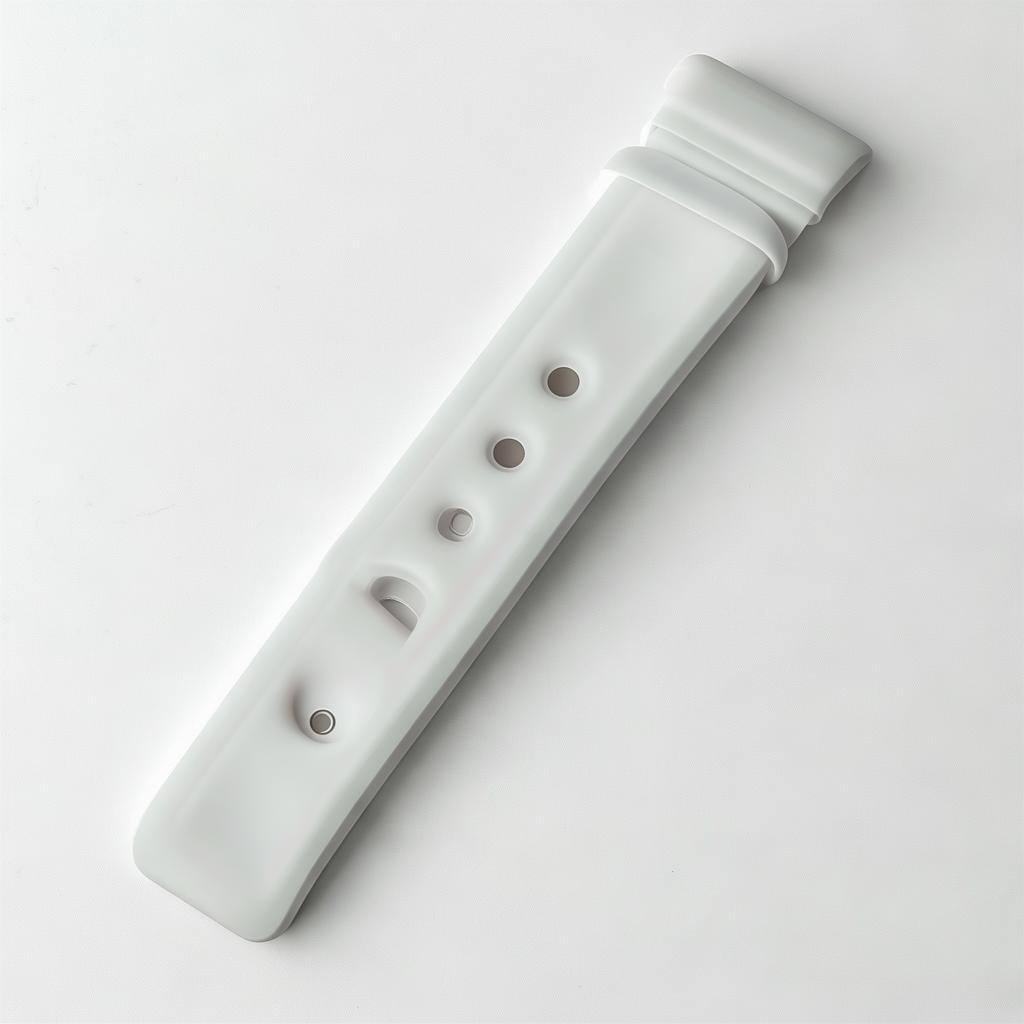
OEM Liquid Silicone Molding: Precision Manufacturing Solutions for High-Performance Silicone Components
Guangdong Yingtai High Precision Technology Co., Ltd. — Your Trusted Partner in Advanced Liquid Silicone Rubber (LSR) Injection Molding
Introduction: Understanding OEM Liquid Silicone Molding
OEM liquid silicone rubber (LSR) molding represents a sophisticated manufacturing niche combining technical precision with scalable production. At its core, it involves producing customizable silicone components through liquid injection molding, optimized for high tolerance, durability, and biocompatibility. For procurement professionals and engineers, this spans industries from medical devices and consumer electronics to automotive parts and wearable tech.
The process harnesses liquid silicone rubber — a thermoset elastomer with unique molecular properties providing heat resistance, electrical insulation, flexibility, and longevity. Unlike bulk or solid silicone, liquid silicone is injected into precision-engineered molds, enabling complex geometries and rapid production cycles. This adaptability is why OEM manufacturing in this domain demands thorough evaluation of material grades, tooling compatibility, and supply chain logistics.
Understanding key market dynamics helps buyers align supplier capabilities with project expectations. According to Grand View Research, the global LSR market is projected to exceed USD 4.97 billion by 2030 with an 8.5% CAGR, driven chiefly by high-precision applications requiring medical-grade silicone and automotive seals with advanced UV and chemical resistance. Proximity to advanced manufacturing hubs like Dongguan further solidifies sourcing advantages for global OEM buyers.
Operationally, the OEM sourcing journey balances tooling investments, lead time fringe cases, material performance in final assemblies, and compliance with certification standards like ISO 13485 or FDA Class VI, especially crucial for medical-grade applications. Many procurement managers underestimate the impact of accurate mold design and process simulations on the durability and functionality of finished parts, which can lead to costly redesigns or compliance issues down the road.
Guangdong Yingtai High Precision Technology Co., Ltd. emphasizes its 35,000 square meters advanced industrial park in the heart of Dongguan, Dongguan's Changan Town, as a substantial competitive advantage — integrating 55 LSR molding machines, 80 automatic plastic injection systems, and over 30 precision mold machining stations under one roof. This not only accelerates production but streamlines quality control, reducing lead times for high-volume orders.
OEM liquid silicone molding is not just about making exquisite silicone parts; it is about mastering the entire value chain — from material selection and mold design to process automation and supply chain logistics. This article walks you through the operational realities, technical considerations, and practical procurement insights necessary to optimize your silicone component sourcing strategy for 2026 and beyond.
Industry Pain Points & Procurement Challenges
One of the most vexing challenges in OEM liquid silicone sourcing is the variation in part quality caused by inconsistent mold design or inferior silicone grades. Many buyers report issues such as:
- Delamination and Bubbling: Entrapped air during molding leading to weak spots or cosmetic defects.
- Dimensional Instabilities: Poor thermal management or flawed mold venting affecting tight tolerance parts.
- Extended Lead Times: Tooling delays and prolonged curing cycles impacting project schedules.
- Compliance Risks: Lack of material traceability or certification delays for regulated industries.
- Underestimating Lifecycle Costs: Selecting materials without accounting for environmental exposure or mechanical wear can shorten product life.
For procurement teams wrangling with these issues, an early-stage technical audit of suppliers’ CAE modeling capability and mold process control is crucial. High-volume LSR jobs benefit from experienced manufacturers who can optimize cavity design to minimize flash defects while maintaining efficient cycle times.
A practical consideration overlooked too often is the logistics strategy: many OEMs must juggle container capacity, customs clearance timelines, and consolidation of smaller shipments. Effective supplier communication and transparent supply chain visibility cut down expediting costs and prevent line stoppages.
Warning: Opting for low-cost providers without substantial process experience often backfires through increased rejects, warranty claims, and supply disruptions — a costly gamble in precision-sensitive industries.
Technical Deep Dive: Materials & Process Insights
OEM liquid silicone molding revolves around the nuanced interplay of material chemistry, mold design, and injection parameters. LSR grades vary widely — from food-safe, medical-grade formulations to industrial compounds enhanced for thermal and chemical resistance.
Key aspects to assess:
- Viscosity & Rheology: Precise viscosity data ensures mold filling simulations predict pressure and curing time accurately, as detailed in MDPI’s study on material characterization for LSR molding.
- Curing Behavior: Thermal curing kinetics dictate cycle time and dimensional stability. Selecting mold temperatures and injection speeds impacts flash formation and residual stress.
- Mold Tooling: High-grade stainless steel or aluminum molds with optimized cavity venting reduce defects. Rapid tooling methods using electrical discharge machining (EDM) support faster prototyping and product iterations.
- Multi-Shot & Overmolding: Combining LSR with thermoplastics (e.g., ABS) via overmolding enables complex part assemblies such as wearable electronics — highlighted in MDPI’s multi-component injection molding research.
- Simulation & AI Optimization: Digital twins and AI frameworks increasingly optimize processing parameters in real-time, improving yield and reducing waste (arXiv AI research).
| Property | Range | Notes |
|---|---|---|
| Hardness (Shore A) | 20–80 | Tailored for flexibility vs durability requirements |
| Tensile Strength | 7–11 MPa | Depends on formulation and curing profile |
| Maximum Service Temp. | 180–230°C | Suitable for most automotive/electronics environments |
| Tear Resistance | 15–40 kN/m | Key for sealing applications under mechanical stress |
| Colorability & Additives | Custom | Food-grade dyes, UV stabilizers, and flame retardants available |
OEM liquid silicone for molds OEM liquid silicone for molds supplier wholesale liquid silicone molding manufacturer
Operational feedback from Yingtai’s engineering team emphasizes steady mold temperature control and exact injection speed ramping as vital to ensure repeatability across high-volume batches. Mold venting, often underestimated, must be meticulously designed to avoid flash defects and maintain product integrity as corroborated by Fraunhofer’s report on waste reduction in LSR molding.
Key Application Scenarios & Market Trends
OEM liquid silicone molding’s versatility spans numerous high-growth sectors:
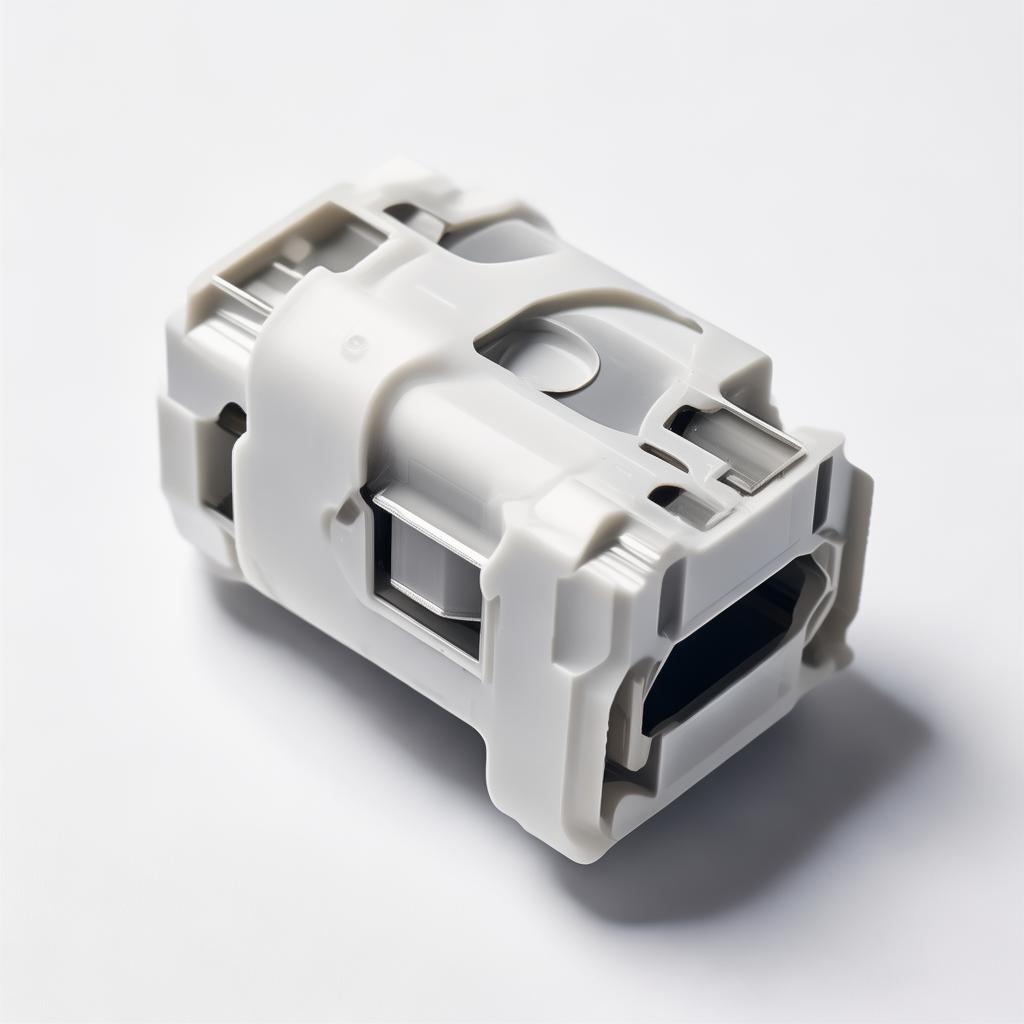
- Medical Devices: Precision seals, diaphragms, catheters, and baby healthcare products requiring ISO 13485-certified materials with excellent biocompatibility and sterilization resistance.
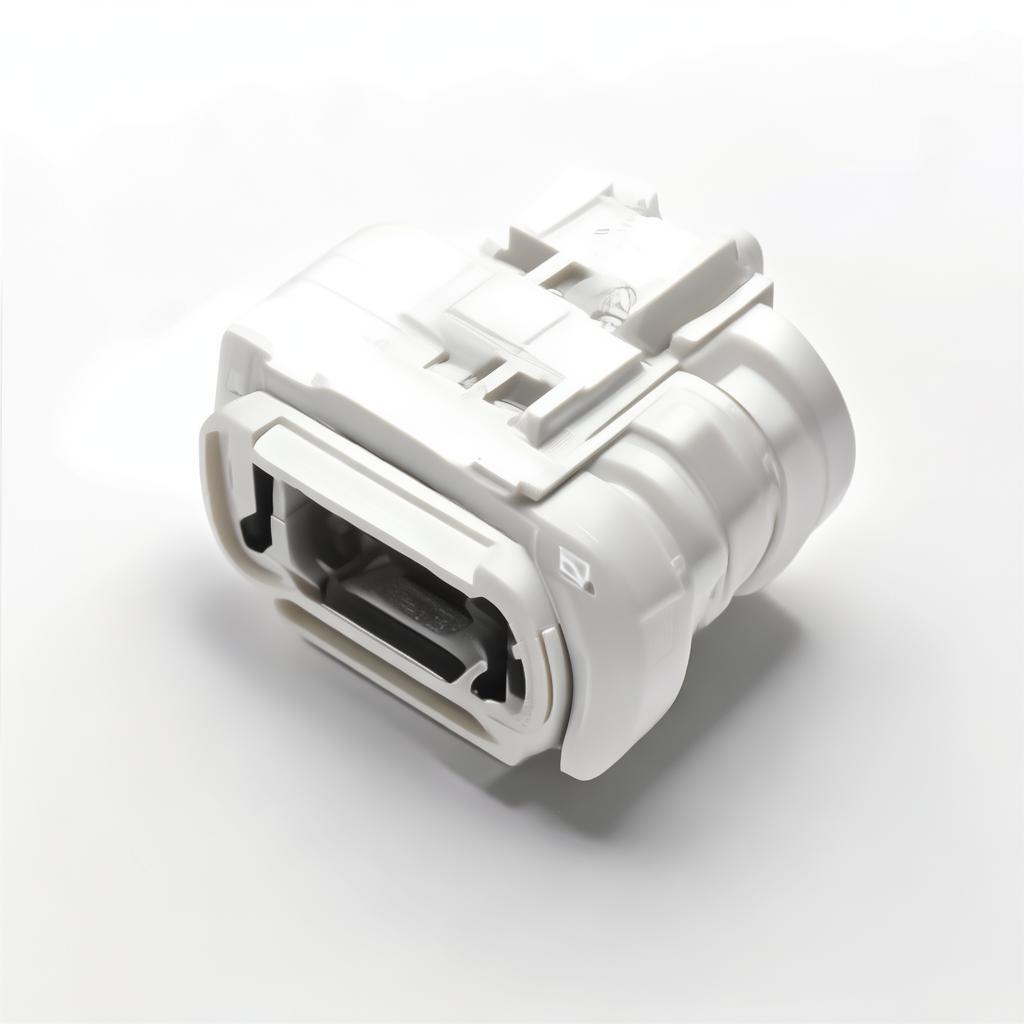
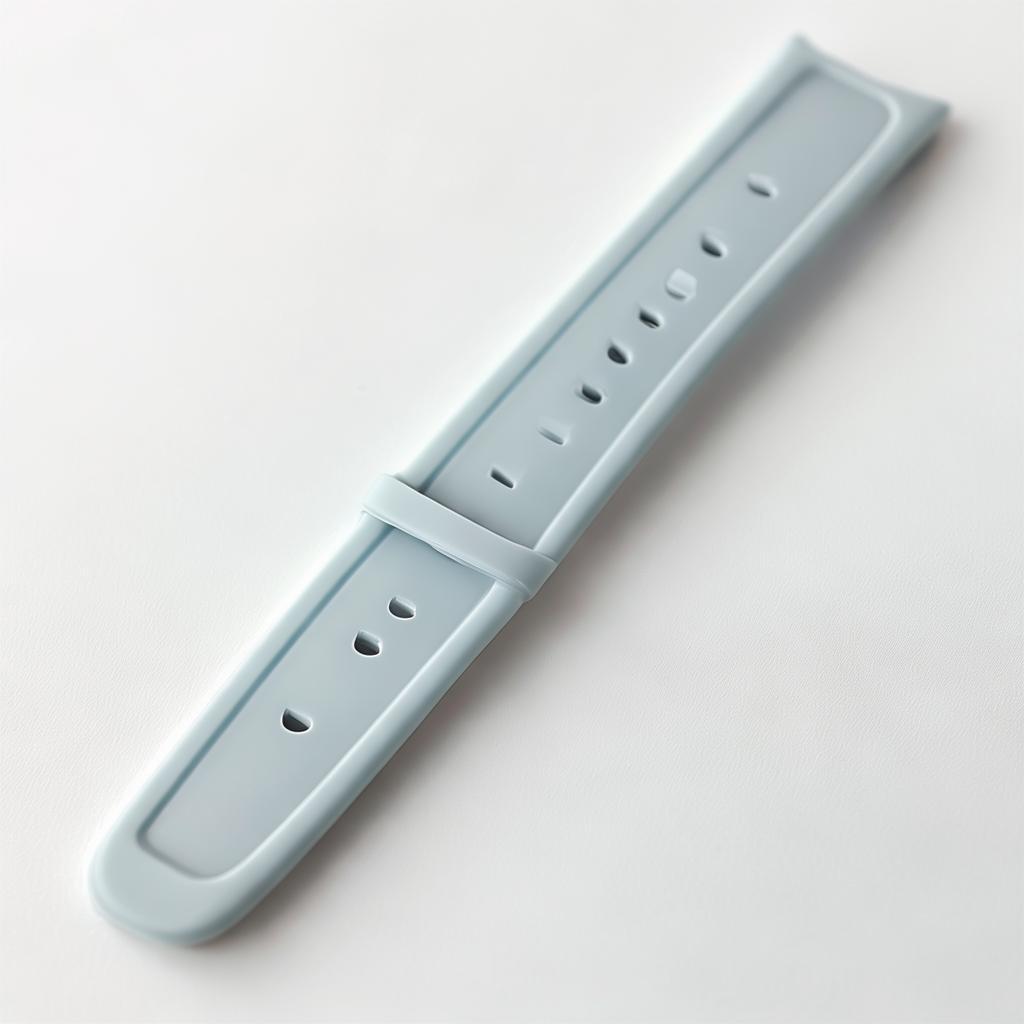
- Consumer Electronics: Wearable device seals, flexible buttons, ear tips for earbuds with tight dimensional controls & premium surface finish.
- Automotive Components: Gaskets, keypads, and sensor housings needing extreme temperature tolerance, UV resistance, and long-term durability.
- Industrial Appliances: Waterproof seals and anti-slip backing for electronic or household appliances.
- New Energy Vehicles: Specialized insulating components with lightweight and heat-resistant properties for battery packs.
Industry reports highlight the surging demand for high-precision LSR components. Asia-Pacific leads production, but North America and Europe increasingly require localized expert suppliers capable of meeting strict regulatory compliance and supply chain transparency.
A notable trend is the rise of multi-shot molding combining LSR with plastics like ABS or PC to produce complex hybrid parts in one injection cycle. This reduces assembly steps and enhances mechanical strength. Procurement managers should consider suppliers with multi-shot molding expertise, confirmed by machinery capabilities and production records.
Yingtai High Precision Technology’s portfolio exemplifies comprehensive industrial solutions — integrating overmolding waterproof seals and silicone electronics enclosures for clients in rapidly evolving markets such as smart wearables and EV components.
Buyer Guide: Choosing the Right OEM Partner
From a procurement perspective, selecting an ideal OEM liquid silicone molding partner hinges on multiple criteria:
- Technical Infrastructure: Confirm supplier’s machine count, mold-making capabilities, and testing equipment. Yingtai’s 55 LSR molding machines and integrated tooling facilities represent a benchmark in capacity and quality consistency.
- Certifications & Compliance: Request ISO 9001, ISO 13485, CE, FDA, or RoHS certifications depending on product sector. This verifies adherence to material and process standards crucial for regulated industries.
- Material Traceability: Ensure clear documentation and batch testing to maintain quality control and audit readiness.
- Design & Engineering Support: Assess supplier’s CAE simulation and rapid prototyping resources preventing costly tooling mistakes reported frequently in LSR projects.
- Supply Chain Transparency: Understand raw material sourcing, lead times, and ability to handle logistics complexities including container loading optimization and international shipping.
- After-sales Service & Maintenance: Reliable support in installation, part maintenance guidance, and addressing potential in-field failures.
Here’s a quick checklist for procurement officers evaluating prospective suppliers:
- Can the factory provide comprehensive OEM/ODM customization services?
- Are mold flow simulations and material characterization data available upon request?
- What is the average lead time from mold approval to volume production?
- Does the factory have experience meeting your industry’s regulatory requirements?
- How does the partner handle quality deviations or product recalls?
Pro Tip: Ask for a free sample batch or prototype run before committing large volumes. It mitigates risks inherent in scaling from engineering samples to mass production.
Frequently Asked Questions
- What is the typical lead time for OEM liquid silicone molding projects?
- Lead times usually range from 4 to 10 weeks, depending on mold complexity and order quantity. Rapid tooling and efficient mold design by experienced factories like Yingtai can shrink this to 3 weeks for standard parts.
- Can liquid silicone molded parts be colored or textured?
- Yes. LSR compounds can be custom tinted with pigments and additives like UV stabilizers. Mold surface texturing is also achievable to match functional or aesthetic specifications.
- Are OEM liquid silicone parts compliant with medical device standards?
- Provided the supplier sources certified medical-grade silicone and operates under ISO 13485 quality systems, compliance with FDA, USP, or EU MDR requirements is achievable. It’s critical to confirm material certifications during supplier qualification.
- How does LSR injection molding compare with compression molding?
- Injection molding enables higher precision, repeatability, and complex shapes with faster cycle times. Compression molding suits low-volume or simpler geometries but typically lacks the consistency required for demanding applications.
- What are common failure modes to watch for in LSR molded parts?
- Watch for delamination during overmolding, surface tackiness due to incomplete curing, and dimensional warpage from thermal mismatches. These are often traceable to mold design flaws or suboptimal curing profiles.
Customer Testimonials & Reviews

John Miller, Procurement Manager, Electronics OEM
"Working with Yingtai has streamlined our supply chain for wearable device seals. Their LSR injection molding quality is consistently sharp, cutting our defect rate in prototypes by half. Fast turnaround and excellent communication. Highly recommended."

Sarah Lopez, Senior Engineer, Medical Device Firm
"Their expertise in medical-grade LSR parts helped us reduce cycle time by 20%. The factory’s rigid adherence to material traceability and ISO 13485 ensures peace of mind for regulatory submissions. Outstanding technical consultations throughout our project phases."

Michael Chang, Operations Manager, Automotive Supplier
"We faced initial trouble with mold venting on complex gaskets, but Yingtai's technical team quickly adjusted parameters and tools. The quality and durability of the silicone seals now consistently meet US automotive standards. Their production capacity is impressive for our high-volume needs."
Contact & Next Steps
Ready to optimize your liquid silicone molding sourcing? Speak with our export director for expert guidance tailored to your project complexity and budget constraints. Guangdong Yingtai High Precision Technology Co., Ltd. stands ready with robust OEM/ODM solutions.
- Phone: (Miss Zhang) +86 17722437688
- Fax: +86 0769-83666863
- Email: zmm@yingtai168.com / lh@yingtai168.com
- WhatsApp: +86 17722437688
- Address: No. 359 Chang'an Bubugao Road, Chang'an Town, Dongguan City, Guangdong Province
- Online Inquiry: Request a Quote or Product Specifications