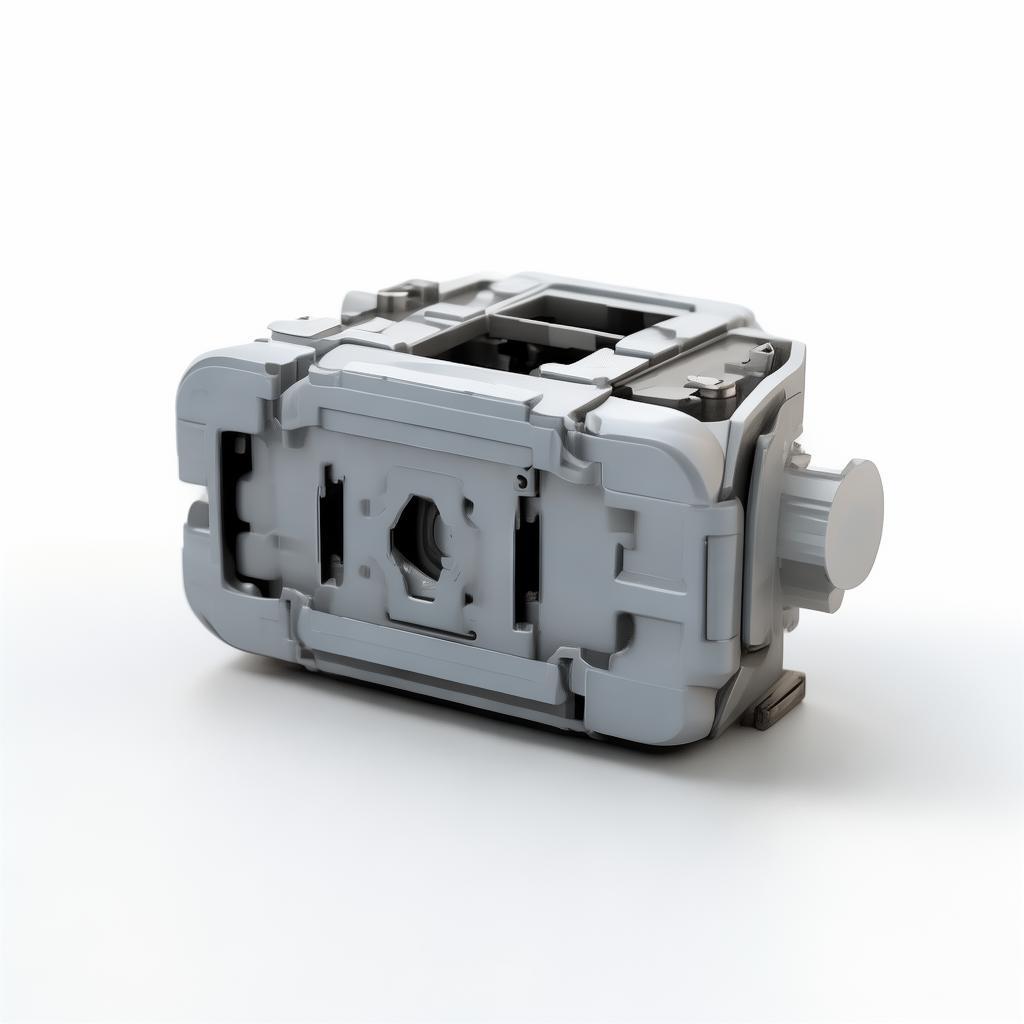
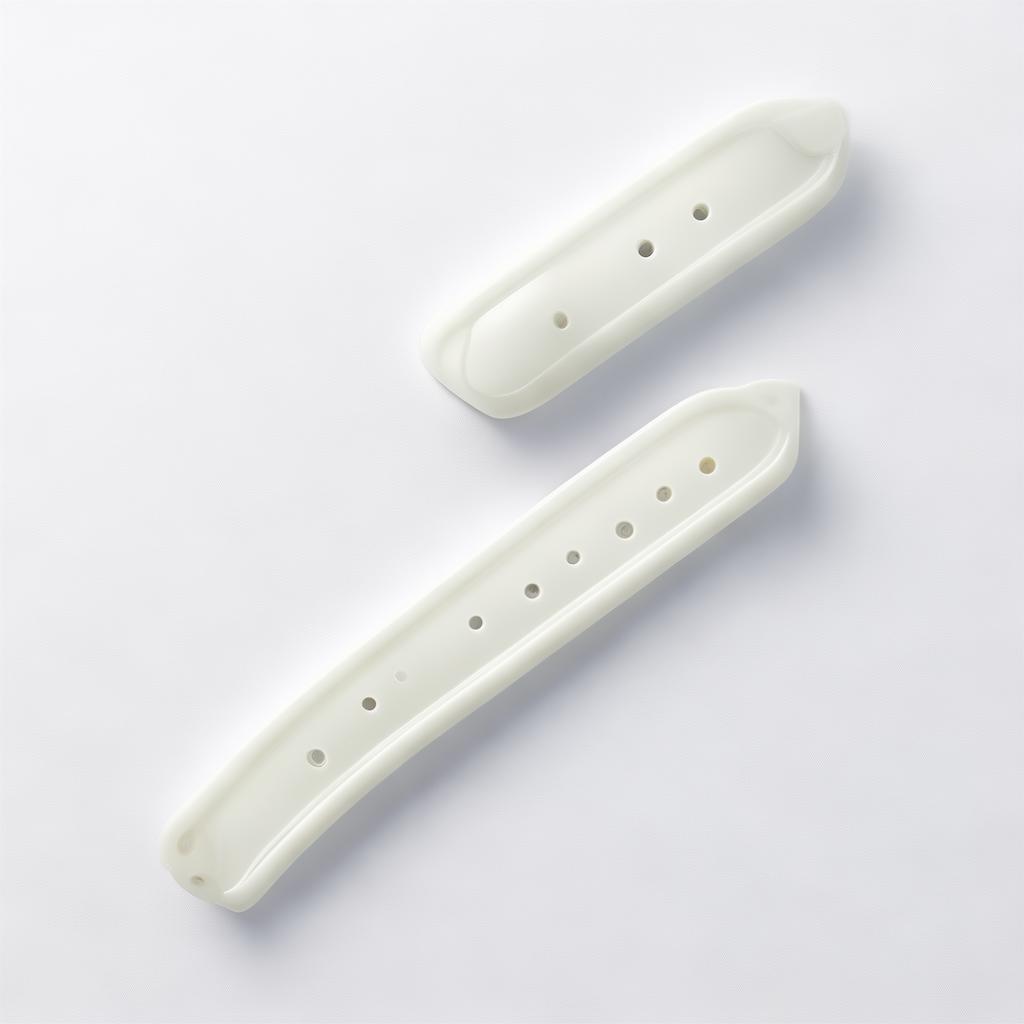
Precision Silicone Manufacturing Solutions for Industrial & Medical Applications Procuring OEM liquid silicone rubber injection molding services often means confronting an array of operational and technical challenges that impact product quality, lead time, and
Product Details
OEM Liquid Silicone Rubber Injection Molding
Precision Silicone Manufacturing Solutions for Industrial & Medical Applications
Navigating Common Challenges in Liquid Silicone Rubber Injection Molding
Procuring OEM liquid silicone rubber injection molding services often means confronting an array of operational and technical challenges that impact product quality, lead time, and cost-effectiveness.
One frequent issue lies in inconsistent material quality. Liquid Silicone Rubber (LSR) characteristics vary widely between suppliers, affecting curing behavior, dimensional stability, and final performance. This variability can disrupt downstream assembly and compliance with ISO 13485 requirements in medical or automotive applications.
Another critical pain point revolves around tooling. Designing injection molds specifically optimized for LSR differs significantly from conventional thermoplastics due to silicone's unique flow and curing properties. High tooling costs and extended lead times can stall product launches and strain budgets.
Manufacturers, especially those sourcing offshore, often wrestle with communication gaps and production visibility. Delays caused by mold corrections or suboptimal process parameters severely affect supply chain reliability. Additionally, logistics complexity involving container loading of finished goods with strict handling requirements can increase risk of damage and delivery delays.
Finally, buyers frequently underestimate material compatibility and overmolding challenges. Multi-component processes involving LSR and rigid plastics require precise adhesion and thermal matching, demanding rigorous process controls to avoid delamination or premature product failure.
These pain points contribute to many procurement managers adopting a cautious approach. Understanding these complexities upfront can significantly reduce costly surprises and streamline OEM LSR injection molding partnerships.
Technical Insights into LSR Injection Molding Processes
Liquid Silicone Rubber injection molding stands apart from traditional injection molding because it involves two-component, heat-curable silicone rubber that flows into precision-engineered molds before vulcanization inside the cavity. The characteristics of LSR—such as its high heat resistance, biocompatibility, and elasticity—make it ideal for technical applications demanding reliability.
Key considerations during an LSR molding cycle include:
Material rheology: LSR’s flow behavior crucially impacts mold fill and cavitation. Modern simulation techniques utilize rheological data to optimize cycle times while minimizing trapped air and flash.
Thermal curing: Uniform heat distribution is essential. Uneven curing can cause dimensional warping and reduce mechanical integrity.
Tooling design: Optimized injection gates and venting systems reduce defects. Tool surface finish directly affects part surface quality and release.
Multi-shot molding compatibility: Combining LSR with thermoplastics like ABS requires surface treatments and calibrated temperature profiles to achieve durable bonds.
Advanced factories now implement CAE simulation software enhanced by precise material characterization datasets for cycle prediction and quality control – a step many mid-tier manufacturers overlook. This leads to smoother ramp-ups, fewer scrap rates, and consistent product tolerances aligned with industry standards.
Typical Technical Specs of OEM LSR Injection Molded Products
Source: Compiled from MDPI and Fraunhofer research papers, industry-standard references.
Material Insights: Liquid Silicone Rubber vs. Other Elastomers
Selecting the right elastomer for OEM injection molding demands thorough comparison. The main competitors to LSR include RTV silicones, solid silicone, and thermoplastic elastomers (TPEs).
Liquid Silicone Rubber (LSR): Offers exceptional heat resistance, flexibility, biocompatibility, and long-term durability. Ideal for high-volume precision molding with repeatable performance. It undergoes liquid injection molding allowing intricate geometries and tight tolerances.
RTV Silicone: Typically used for prototyping and low-volume production. Curing is room temperature vulcanization, which is slower and less consistent. Not recommended for final products requiring strict quality control.
Solid Silicone Rubber: Manufactured via compression or transfer molding. Better for large volumes but less suited for complex geometries due to slower cycle times and less repeatability.
Thermoplastic Elastomers: Easier to process but lack the thermal stability, chemical resistance, and biocompatibility of silicone. Common in consumer goods but often not viable for demanding industrial or medical applications.
Recognizing where LSR injection molding outperforms each alternative helps buyers avoid common pitfalls in selecting materials less suited for their requirements — especially critical in sectors like medical devices and automotive seals where failure means costly recalls or downtime.
Real-world Applications: Where OEM LSR Injection Molding Excels
OEM LSR injection molding serves as the backbone for manufacturing components in highly regulated, performance-driven industries. Here are typical use cases that illustrate its versatility:
Medical Devices: Catheters, seals, gaskets, tubing connectors, and patient-contact instruments requiring biocompatibility and sterilization resistance.
Automotive Sealing & Vibration Parts: Engine gaskets, oxygen sensor boots, LED headlamp seals that endure high temperatures and mechanical stress.
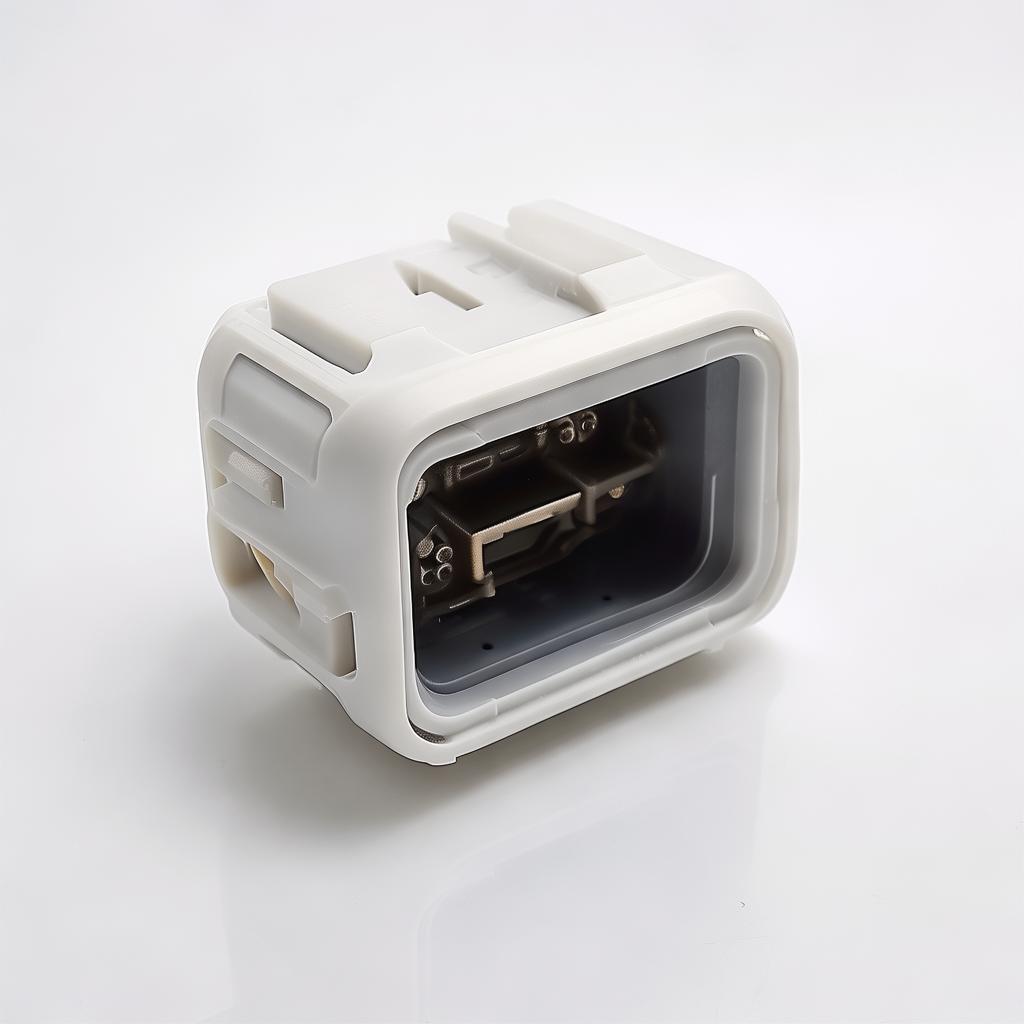
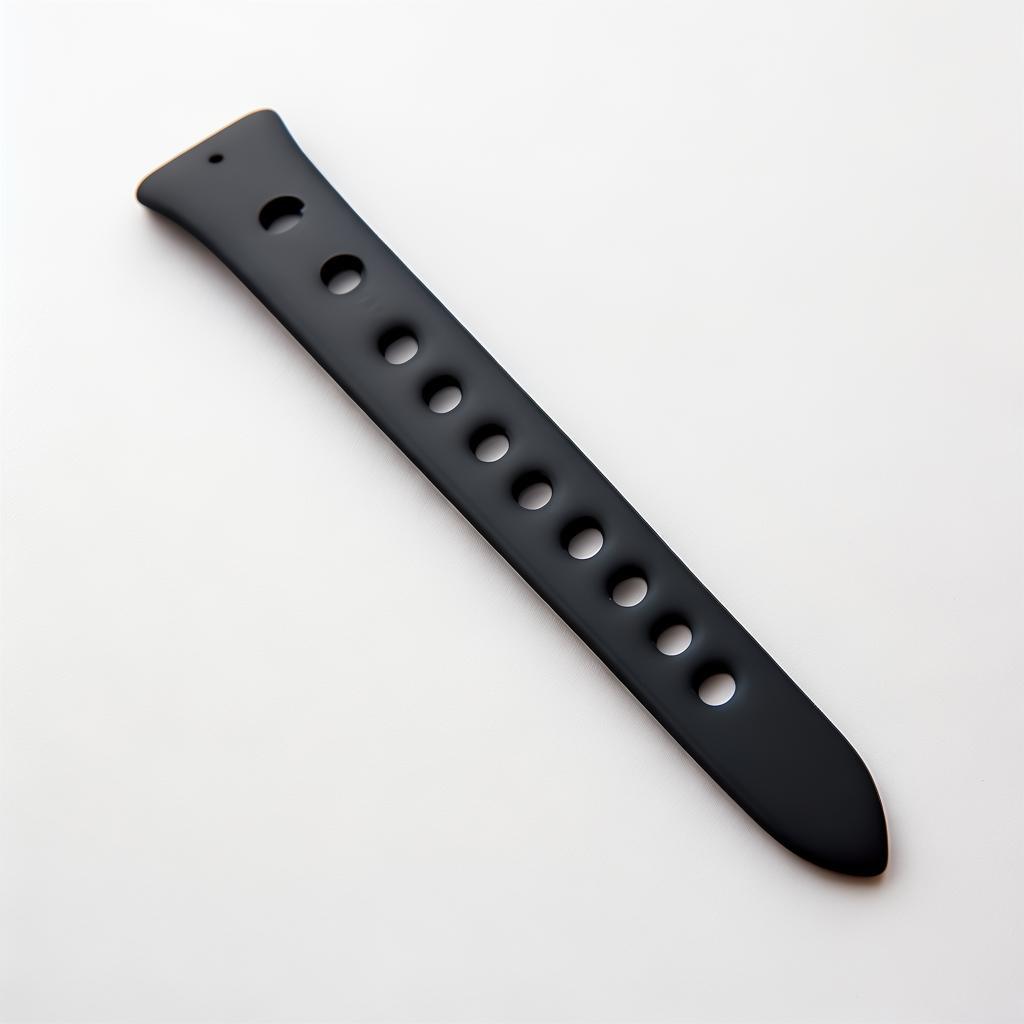
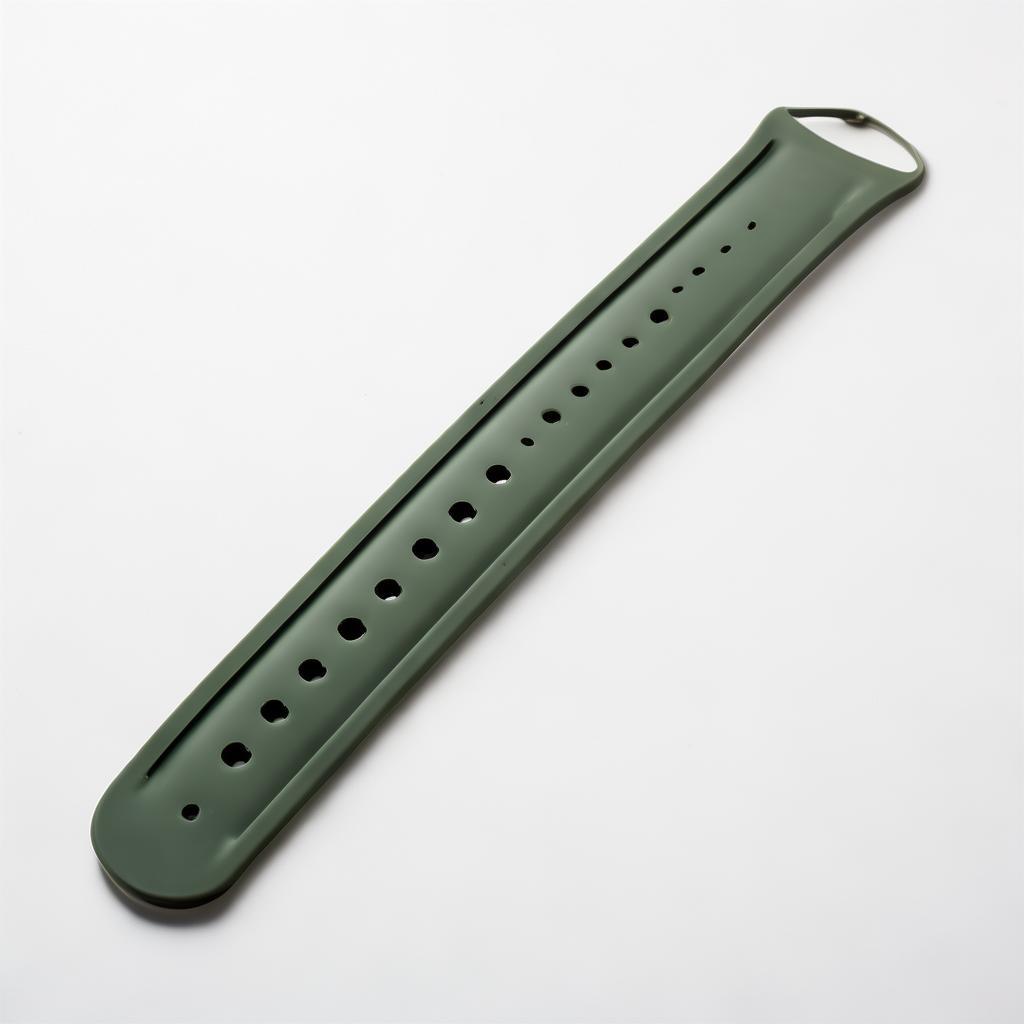
Consumer Electronics: Keypads, overmolded buttons, protective seals for wearables, smartphones, and wearable health monitors.
Household Appliances: Flexible seals, control knobs, and insulating components designed for long-term durability under temperature fluctuations.
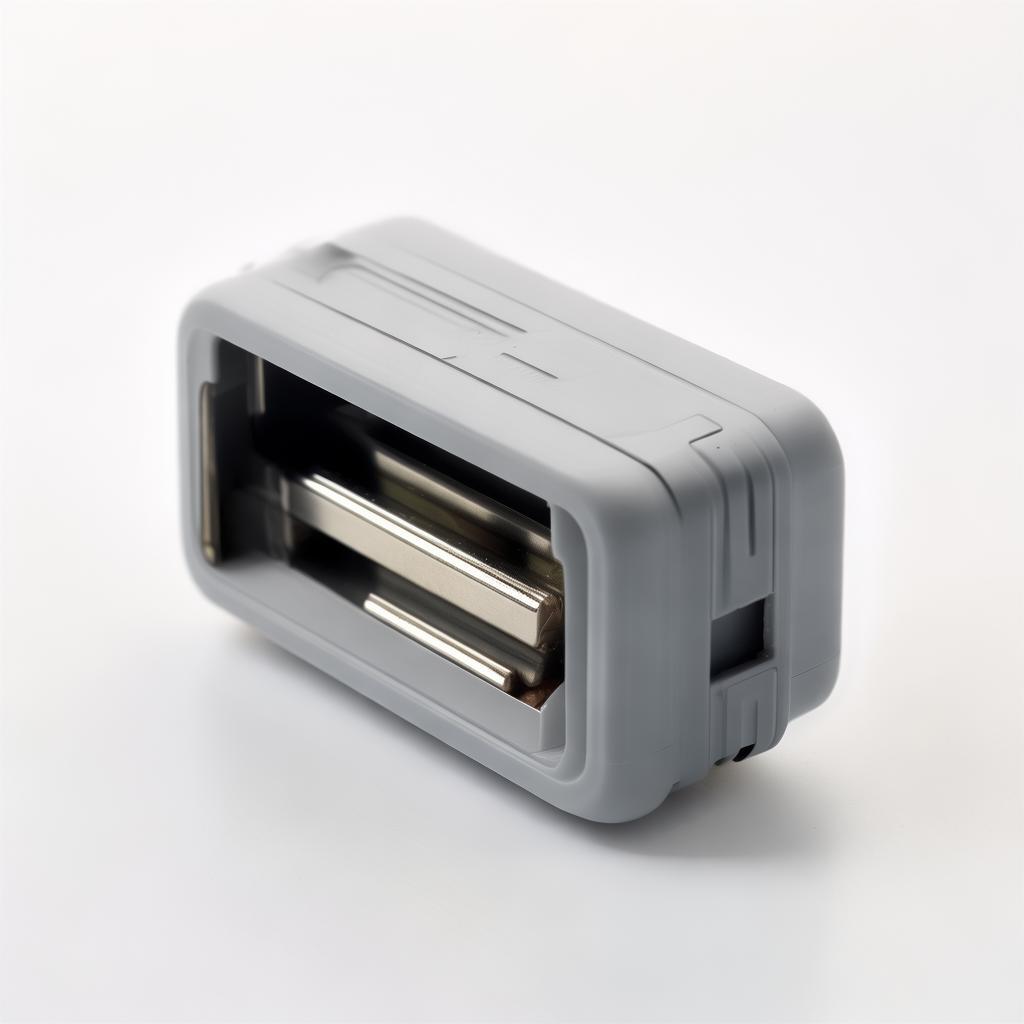
Industrial Electronics: Waterproof and chemical-resistant seals for connectors and sensors in harsh environments.
Equipment manufacturers benefit from LSR’s repeatable quality, excellent resistance to UV, ozone, and hydrolysis, and superior tactile properties. For procurement teams, understanding these application nuances sharpens specification writing and supplier assessment.
Procurement Considerations & Supplier Evaluation for OEM LSR Injection Molding
Sourcing OEM LSR injection molding requires diligence to balance cost, quality, and delivery reliability. Below are pragmatic guidelines distilled from procurement specialists with Asian manufacturing experience.
Tooling Expertise: Confirm supplier’s mold design capabilities specifically for LSR—highly polished cavities and optimally placed vents reduce flash defects and cycle times.
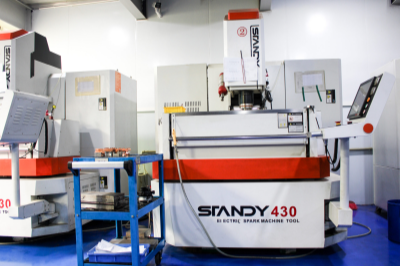
Production Capacity: Verify the number and capacity of LSR injection molding machines, including automation level and quality assurance processes.
Material Traceability: Ensure suppliers source LSR from reputable manufacturers (e.g., Wacker, Momentive) with documented certifications.
Testing & Inspection: Lab reports on tensile strength, hardness, and thermal resistance are must-haves. Confirm their in-house testing aligns with ISO 9001 and, if relevant, ISO 13485.
Sample Turnaround Time: Request prototype runs early to evaluate mold accuracy and material performance under real operating conditions.
Communication & Project Management: Cross-border sourcing benefits greatly from structured communication routines and clear escalation paths.
Logistics & Packaging: Specialty packaging to avoid contamination or deformation is often required. Confirm container loading optimization and shipment lead times.
These criteria mitigate risks common in global OEM partnerships—from misaligned quality expectations to unforeseen delays and hidden cost escalations.
Industry Certifications & Quality Compliance
Demonstrable compliance remains a bedrock of trustworthiness when purchasing OEM LSR injection molded goods, especially in aerospace, automotive, and medical sectors.
ISO 9001: Establishes fundamental quality management system requirements affecting process stability.
ISO 13485: Mandatory for medical device components, ensuring stringent traceability and process validation.
RoHS & REACH Compliance: Confirms absence of toxic substances—a must for electronics and consumer goods markets.
FDA/CFR 177.2600: Certification for food and medical contact-grade silicone products.
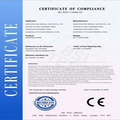
CE Certification: Adds regulatory assurance for European market entry.
Verified certificates significantly reduce sampling rejection risk and help meet procurement compliance protocols.
Guangdong Yingtai: Your Trusted OEM LSR Injection Molding Partner
Based in Dongguan’s manufacturing hub, Guangdong Yingtai High Precision Technology Co., Ltd. boasts over 20 years of expertise delivering precise liquid silicone and plastic injection molding solutions worldwide. Our 35,000 sqm modern facility integrates every step from detailed mold development to high-volume, automated production.
55 LSR molding machines with full automation for capacity up to high-volume batch production
Over 30 precision tooling centers for swift mold fabrication and refinement
Robust in-house quality labs and over 20 advanced testing instruments
500+ skilled professionals offering technical support, design consultation, and after-sales service
Yingtai's expansive industrial park in Dongguan, Guangdong
Our certifications include ISO 9001, ISO 13485, and RoHS, supporting industries from new energy vehicles, home electronics, to medical devices. We embrace cutting-edge CAE simulation and intelligent process controls to ensure every run meets exacting expectations.
Frequently Asked Questions
Q1: What is the typical lead time for OEM LSR injection molding projects?
Lead time depends on mold complexity and volume. Generally, prototype samples can be manufactured within 15-25 days, while mass production cycles range from 30 to 60 days. Advanced facilities with mature molds may enable quicker turnaround.
Q2: Can LSR be overmolded onto plastic substrates?
Yes, multi-shot injection molding combining LSR with thermoplastics like ABS or PC/ABS blends is common. Proper bonding requires surface treatments and process optimization to ensure adherence and durability.
Q3: How does Guangdong Yingtai ensure material quality consistency?
We source raw LSR from globally recognized material suppliers and maintain strict batch control through traceability systems. Incoming materials undergo spectroscopic and rheological testing before release to production.
Q4: What are common defects in LSR molded parts and how are they prevented?
Typical defects include flash, air bubbles, incomplete curing, and warpage. Prevention relies on precision mold design, correct venting, process parameter control, and environmental conditioning of the production line. Our in-house tooling engineers continuously refine these aspects.
Q5: Are FDA-approved silicone materials available?
Yes, we offer FDA-grade LSR options compliant with CFR 177.2600 for food contact and medical applications, alongside full documentation.
What Our Clients Say
James M., Procurement Manager, Ohio
“Yingtai delivered precisely what we needed for our wearable medical device seals. The mold quality and LSR material stability exceeded expectations. Prototype support helped us adjust specs early, saving us substantial R&D time.”
Get in Touch
If you have any camping barbeque equipment inquiry, please feel free to contact us.




 James M., Procurement Manager, Ohio