OEM Liquid Silicone Rubber (LSR) injection molding has transformed the manufacturing landscape for precision silicone components across medical, automotive, consumer electronics, and industrial sectors. Unlike traditional silicone molding, LSR injection molding offers a seamless
OEM Liquid Silicone Rubber (LSR) injection molding has transformed the manufacturing landscape for precision silicone components across medical, automotive, consumer electronics, and industrial sectors. Unlike traditional silicone molding, LSR injection molding offers a seamless process to produce high-volume, complex, and durable silicone parts with consistent quality and tight tolerances. But behind this capability lies a detailed orchestration of material science, mold engineering, and process control that only seasoned manufacturers and procurement specialists fully grasp.
At its core, LSR is a two-component, platinum-cured silicone elastomer that remains liquid at room temperature until cured under heat inside specialized mold cavities. The injection molding process fills molds with this LSR, solidifying to deliver intricate shapes exhibiting excellent heat resistance, biocompatibility, and elasticity. OEM contracts frequently demand custom formulations – tailored shore hardness, optimized curing cycles, and precision tooling – to meet end-use specifications in demanding environments.
Why is OEM LSR injection molding critical now? Global market research forecasts steady growth in LSR demand. For example: Grand View Research (2023) projects expansion to nearly $5 billion USD by 2030 with an 8.5% CAGR, driven by healthcare and smart-device sectors. The Asia-Pacific manufacturing hubs play a pivotal role, yet buyers in North America focus heavily on reliability, compliance certifications (ISO 13485, FDA, RoHS), and supply chain transparency.
From a procurement perspective, selecting a manufacturer with end-to-end capabilities—from mold design and development to mass injection molding and post-molding testing—is essential to maintain product consistency and avoid costly recalls. Many purchasers underestimate the challenges in controlling curing uniformity or material batches, especially for low-volume OEM runs.
Practical experience shows that injection molds for LSR require unique venting and heating systems compared to typical thermoplastics. A common pitfall involves improperly designed mold cavities leading to flash defects or dimension drift during accelerated production cycles. Rigorous process validation, supported by CAE simulation and empirical mold trials, drastically reduces these risks.
In the following sections, we’ll unpack operational insights, pinpoint typical industry frustrations, explain the manufacturing science behind OEM LSR injection molding, highlight application domains, offer purchasing guidance, and share authentic reviews from global buyers. Whether you’re sourcing for medical-grade seals, automotive overmolded parts, or consumer electronic gaskets, understanding these nuances will help navigate the complex OEM landscape successfully.
Common Industry Pain Points
1. Mold Design Complexities: LSR injection molds differ significantly from plastic molds. Inadequate venting and poor thermal management cause incomplete filling, bubbles, or flashing. Rapid tooling adjustments can become costly when unexpected defects arise.
2. Material Consistency: Variability in silicone batches or improper mixing of liquid components compromises the cured part’s mechanical properties. Quality deviations manifest as hardness errors or surface imperfections.
3. Long Lead Times and Cost Overruns: OEM tooling and setup require specialized skills and equipment. Without firm production planning, manufacturers often face delays, jeopardizing the entire supply chain.
4. Regulatory Compliance Challenges: Medical and food-grade parts must adhere to stringent ISO and FDA standards. Documentation gaps and traceability issues increase risk exposure severely.
5. Logistics and Packaging: Improper shipping of sensitive LSR components can introduce contamination or deformation. Custom packaging solutions need to align with cross-border import/export protocols.
We've seen numerous buyers encounter issues with suppliers who promise short lead times but lack advanced molding equipment or fail to offer full process documentation. Partnering with a supplier experienced in whole-cycle production—from mold R&D to shipment—is a safeguard against production snarls.
Technical Deep Dive into LSR Injection Molding
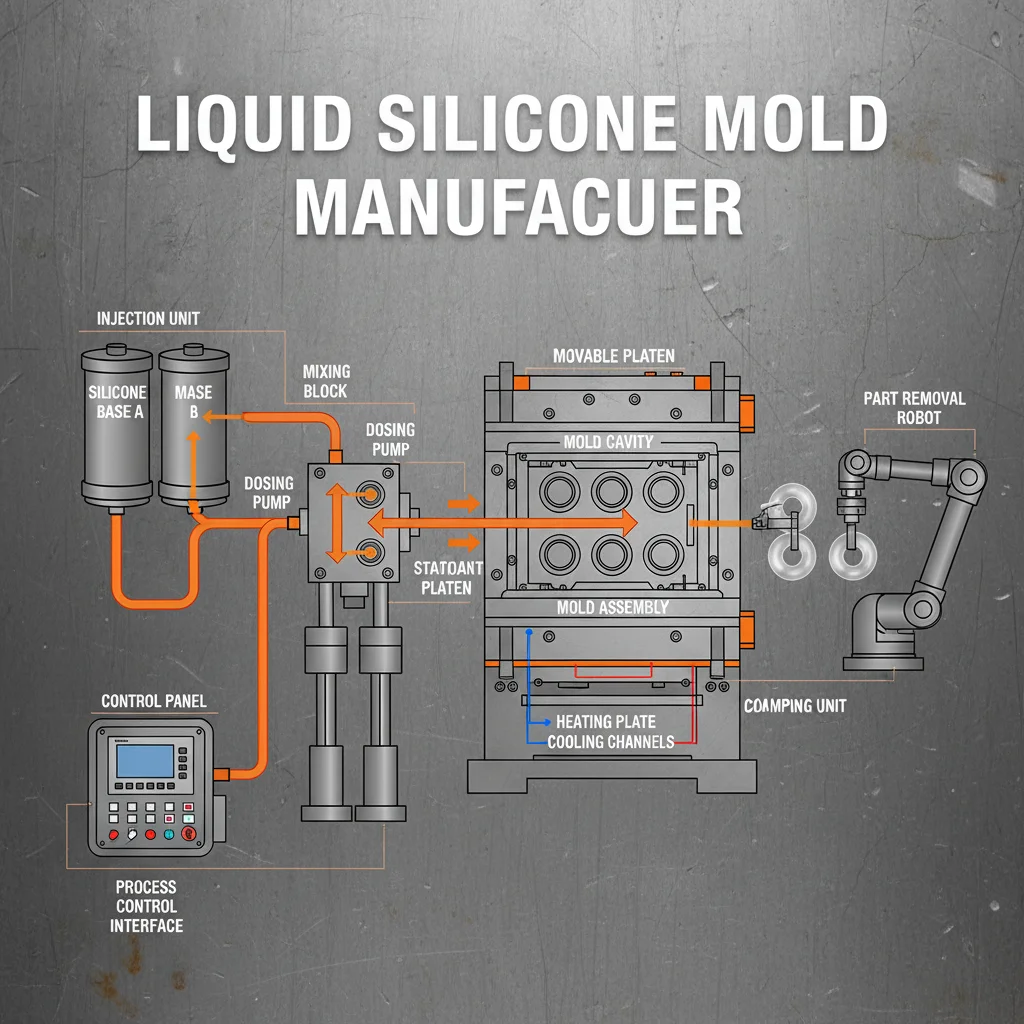
Designing and executing an efficient LSR injection molding process entails mastery of both material behavior and process engineering. Liquid Silicone Rubber typically comprises two parts: a base polymer and a catalyst mix. These must precisely blend in high-precision injection machines under controlled temperature and pressure.
During molding, the liquid is injected into heated steel molds, curing rapidly (often 90-120 seconds cycle times, depending on part geometry and thickness). The mold temperatures generally range between 140°C and 180°C, carefully balanced to ensure cross-linking without material degradation. Uneven heat distribution can cause warpage or inconsistent mechanical properties, a recurring production hazard.
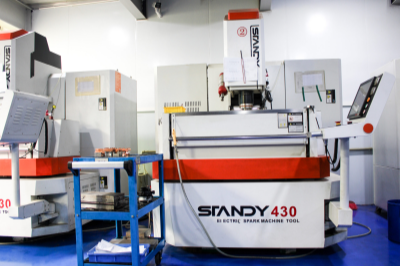
Molds for LSR differ from thermoplastics; they feature advanced venting systems to allow air escape but prevent material oozing. Some manufacturers implement rapid tooling technologies and electrical discharge machining (EDM) to refine cavity surfaces, enabling higher precision and less flash. Fraunhofer’s research (Reducing Waste in Liquid Silicone Rubber Process Chains) highlights that improving mold sealing and venting significantly reduces raw material waste and boosts ROI.
Note: Behind these ranges, individual OEM clients require stringent tolerance adherence, often ±0.05 mm or better for critical components.
Key Product Advantages of LSR
OEM LSR injection molding provides distinct benefits, especially where traditional thermoplastics or compression-molded silicones fall short:
Exceptional Heat and Chemical Resistance: LSR parts perform reliably in temperatures from -60°C up to 230°C, with resistance to oils, solvents, and UV – critical for automotive and electronic seals.
Biocompatibility & Food Safety: Platinum-cured LSR variants comply with FDA and ISO 10993 standards, ideal for medical tubing, wearable devices, and food contact surfaces.
High Flexibility and Elasticity: Enables long-lasting gaskets, soft-touch interfaces, and vibration dampening components that maintain shape under repeated stress.
Precision and Repeatability: Tight dimensional control vital for micro parts, microfluidic devices, and complex overmolded composites used in smart wearables and lab equipment.
Automation-Ready & Scalable: Automatic dosing and injection systems ensure consistent mix ratio and minimize labor dependency for large production runs.
Compared with solid silicone molding, LSR injection reduces cycle times and surface finishing steps. Customers often report shorter overall production lead times with premium surface aesthetics, reducing subsequent assembly and finishing costs.
Applications Across Industries
OEM LSR injection molding has established itself firmly across multiple markets, reflecting its versatility:
Medical & Healthcare: Catheters, seals, valves, wearable sensors – biocompatible, sterilizable LSR components with precise tolerances.
Automotive: Engine gaskets, vibration isolators, sensor housing seals that withstand thermal cycles and harsh chemical exposure.
Consumer Electronics: Soft-touch buttons, flexible sealing gaskets, protective housings for wearables and smartphones.
Industrial & Home Appliances: Waterproof seals, anti-slip backing elements, high-performance tubing used in electronics and white goods.
New Energy Vehicles: Specialized connectors, wire harness insulations, battery pack seals.
Example Case Study: A leading North American medical device OEM collaborated with Guangdong Yingtai High Precision Technology Co., Ltd. to develop a multi-component LSR and ABS overmolded sensor housing. The result: a product that met ISO 13485 standards, showed superior bonding strength, and passed automated assembly line stress tests. Insights from recent MDPI Polymer research reinforce the importance of optimizing multi-shot LSR processes for such hybrid devices.
Precision LSR injection molding lines at Guangdong Yingtai High Precision Technology Co., Ltd.
Practical Procurement Guidance
Buying OEM LSR injection molded parts requires a technical and commercial framework beyond just price. Here are some industry insights that purchasing managers and procurement directors should consider:
Factory Capabilities: Verify mold R&D expertise, machine capacity (e.g., servo-driven injection systems), and in-house testing labs. Yingtai's 55 LSR molding machines and 30+ precision tooling sets speak to capacity for volume and complexity.
Quality Certifications: Confirm ISO 9001, ISO 13485 (if medical), FDA filings, and RoHS compliance. These reduce risk in regulated industries.
Material Traceability: Request detailed batch records and Certificates of Analysis (CoA) for every lot. Consistency is paramount.
Lead Time Management: Realistic planning accounts for mold development (6-10 weeks typical), pilot runs, and mass production stages. Ask for transparent schedule updates.
Sample Testing: Negotiate initial sampling + pilot production before final contract to validate process stability and part compliance.
Logistics and Packaging: Discuss container loading optimization, anti-contamination packaging, and required export documents (e.g., CE mark, FDA registrations).
Buyers are advised to maintain close collaboration during prototype phases; material substitutions or mold redesigns may be necessary as design iterations occur. Avoid last-minute tooling changes that delay shipment.
Guangdong Yingtai High Precision Technology Co., Ltd. stands out by offering a full-chain solution from mold design to finished product shipment, backed by over 20 years of experience — a significant risk reduction for your OEM project.
Frequently Asked Questions
Q: What’s the typical MOQ for OEM LSR injection molding?
Minimum order quantities vary depending on mold complexity. Usually, MOQ starts from 1,000 to 5,000 pcs per SKU. Some high-end applications allow lower volumes but cost per part increases.
Q: How long does mold development take?
Typically 6 to 10 weeks, including CAD design, mold fabrication, debugging, and validation. Expedited tooling services are available but may increase costs.
Q: Can LSR be overmolded with plastic materials?
Yes. Multi-shot injection molding combining LSR with ABS or PC is common, especially for wearable electronics and medical device housings, providing both flexible and rigid areas.
Q: What certifications are available for OEM LSR parts?
Common certifications include ISO 9001, ISO 13485, RoHS, FDA compliance, and CE marks. Guangdong Yingtai supports documentation needed for regulated industries.
Q: How do you avoid flash defects during injection molding?
Optimizing mold venting, maintaining correct injection pressure, and preventing over-packing through process control minimizes flash. Regular mold maintenance is essential.
Customer Reviews & Testimonials
Michael T., Procurement Manager, Chicago, IL
“Partnering with Yingtai was a game changer for our consumer device line. Their expertise in LSR tooling and process validation saved us weeks of delays compared with previous suppliers. Quality consistency on overmolded gaskets has been excellent, no recalls so far.”
Get in Touch
If you have any camping barbeque equipment inquiry, please feel free to contact us.