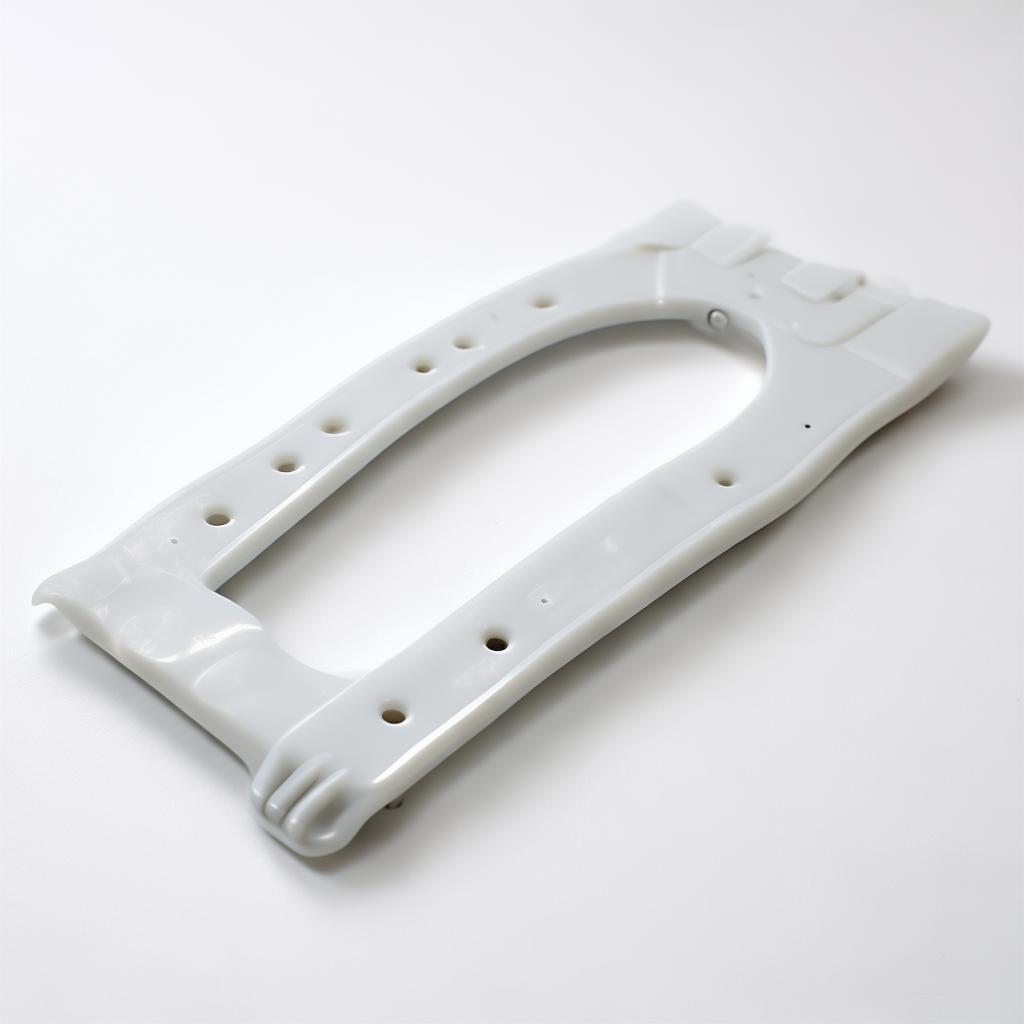
Guangdong Yingtai High Precision Technology Co., Ltd. | Dongguan, China Liquid Silicone Rubber (LSR) injection molding has emerged as a pivotal technology within the wider sphere of precision manufacturing for high-demand industrial and consumer
Guangdong Yingtai High Precision Technology Co., Ltd. | Dongguan, China
Deep Dive into OEM LSR Injection Molding: A Market and Operational Overview
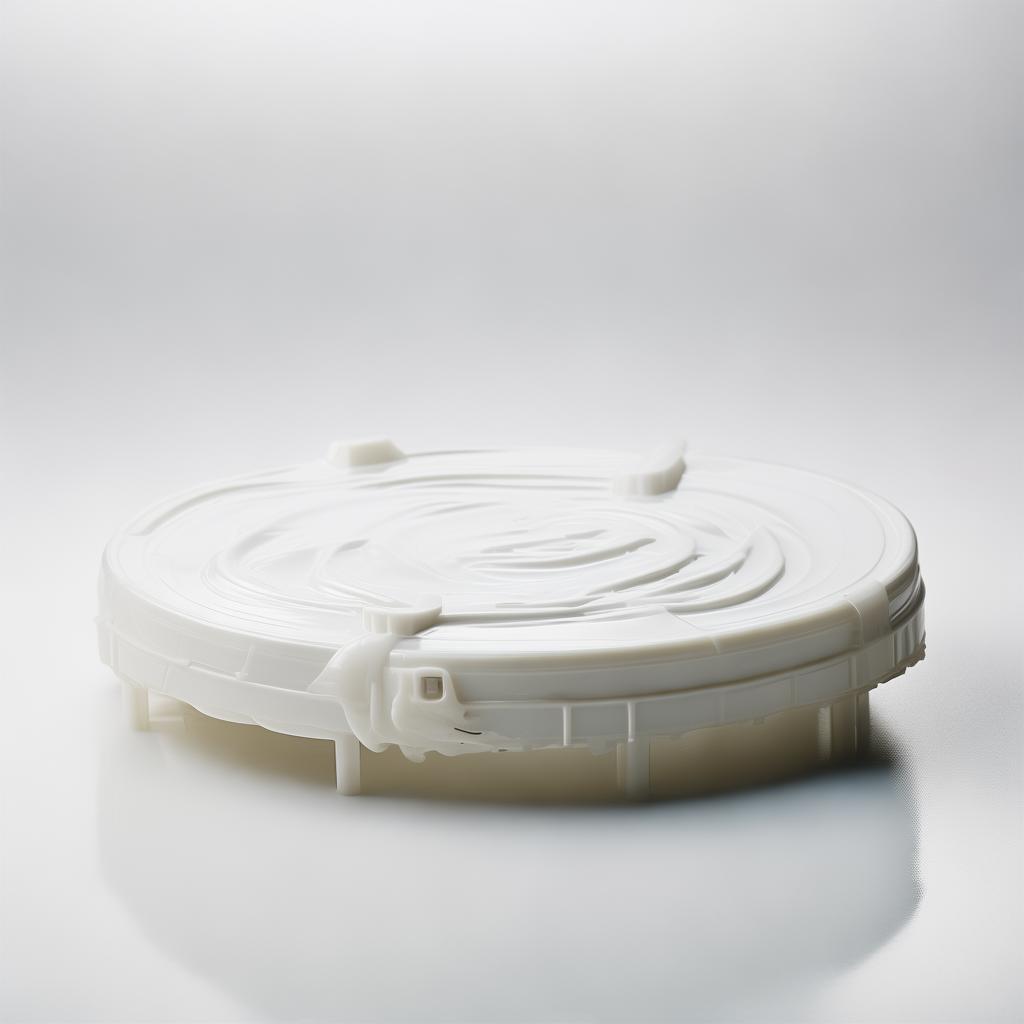
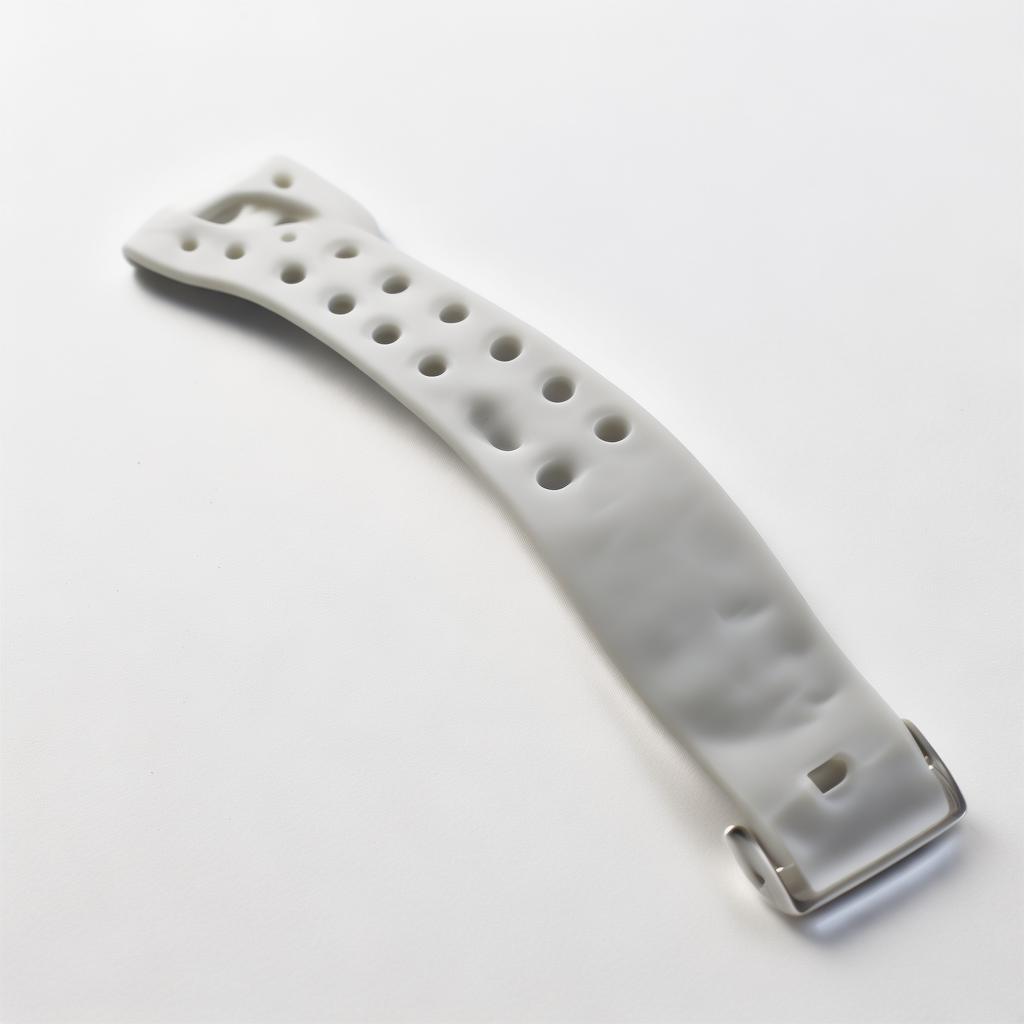
Liquid Silicone Rubber (LSR) injection molding has emerged as a pivotal technology within the wider sphere of precision manufacturing for high-demand industrial and consumer applications. Unlike traditional solid silicone or thermoplastic injection molding, LSR processes enable the production of intricate, highly durable components characterized by excellent thermal stability, biocompatibility, and flexibility.
At Guangdong Yingtai High Precision Technology Co., Ltd., we operate with a robust 35,000 sqm industrial park in Dongguan’s Changan Town, backed by 20+ years of OEM expertise. Our commitment is rooted in marrying advanced manufacturing systems with deep material science knowledge to deliver custom liquid silicone solutions that serve the evolving demands of sectors like new energy vehicle components, smart wearables, and medical-grade electronic seals.
The global LSR market—according to Grand View Research and Research Nester—is estimated to reach over 7 billion USD by 2035, with Asia-Pacific dominating production volumes driven by rapid medical device growth, automotive sealing technologies, and consumer electronics. The demand for OEM liquid silicone injection molding services centers on manufacturing precision, repeatability, and compliance with international ISO and FDA standards.
However, working with LSR injection molding is not simply about having high-end presses and molds. Understanding the rheological behavior, curing kinetics, and thermal management of silicone materials is crucial for minimizing rejects and dimensional deviations. Advanced simulations informed by genuine material data sets—as underscored in MDPI's research—play a key role in predictive mold filling and curing cycles.
As seasoned manufacturers and exporters to North American and European markets, we emphasize not only quality and compliance but also practical procurement insights. For instance, early buyer involvement in mold design adjustments reduces tooling costs and shortens lead times. Additionally, logistics considerations—such as container loading plans and batch scheduling—impact overall project ROI.
A real-world example: For a recent medical device OEM, we optimized the LSR injection process by incorporating vacuum-assisted mold sealing to reduce air entrapment, inspired by Fraunhofer’s waste-reduction research. This refinement improved product surface finish and dimensional consistency, reducing post-processing requirements by approximately 15%. Such operational improvements are well within modern OEM expectations.
Industry Pain Points: Navigating OEM LSR Injection Molding Complexities
Tooling Investment & Design Complexity: High-quality steel molds required for LSR have significant upfront costs. Without early-stage design alignment, buyers risk costly redesign cycles or mold failures.
Material Behavior Variability: Inaccurate silicone data leads to cycle inconsistencies, warping, or surface defects. Material-specific curing temperatures and viscosity profiles must be carefully managed for repeatability.
Multi-Material Overmolding Challenges: Combining LSR with plastics such as ABS requires precise thermal and adhesive process controls to ensure strong bonds—a frequent negotiation point in OEM contracts.
Batch Size vs. Flexibility: Smaller volume projects often encounter inefficient cycle times, driving higher costs per unit. Optimization is critical for balancing project scale with tooling and machine availability.
Shipping & Logistics Hurdles: Silicone components often require sensitive packaging to avoid deformation. Coordinated container loading combined with efficient customs documentation affects delivery punctuality.
These operational realities emphasize the necessity of a partnership with an OEM manufacturer that understands not just injection molding, but also global trade, cross-border compliance, and supply chain nuances.
Technical Deep Dive: How Liquid Silicone Rubber Injection Molding Works
Liquid Silicone Rubber injection molding blends specialized mold tooling with precision-controlled material flow and curing processes. The procedure generally involves:
Preparation: High-purity LSR components—typically two-part silicone—are precisely metered and preheated.
Injection: The mixture is injected into a heated mold cavity under controlled pressure and temperature conditions, allowing the material to fill complex geometries.
Curing: Heat triggers a platinum-catalyzed curing reaction, transforming liquid silicone into a durable, elastomeric solid within seconds to minutes depending on part size.
Demolding: The mold opens, and parts are ejected, often followed by post-curing or additional finishing processes if required.
Material Selection: Choosing between medical-grade, food-grade, or industrial LSR formulations depends on final product application requirements such as thermal resistance (up to 230°C), UV stability, and compliance with standards like FDA and ISO 13485.
Our factory uses rigorous quality controls and integrates both 20+ sets of precise curing and rheology monitoring instruments to maintain consistent batch quality.
Typical Technical Specifications of OEM LSR Injection Molded Parts
We invest heavily in CAE simulation software backed by industry data to refine cycle times and detect defects early. These efforts are grounded in the latest research, such as advanced AI process optimization reported by arXiv AI-guided process control.
Where Our OEM LSR Injection Molded Parts Serve
Liquid silicone components produced via our OEM injected molding processes integrate seamlessly across these industries:
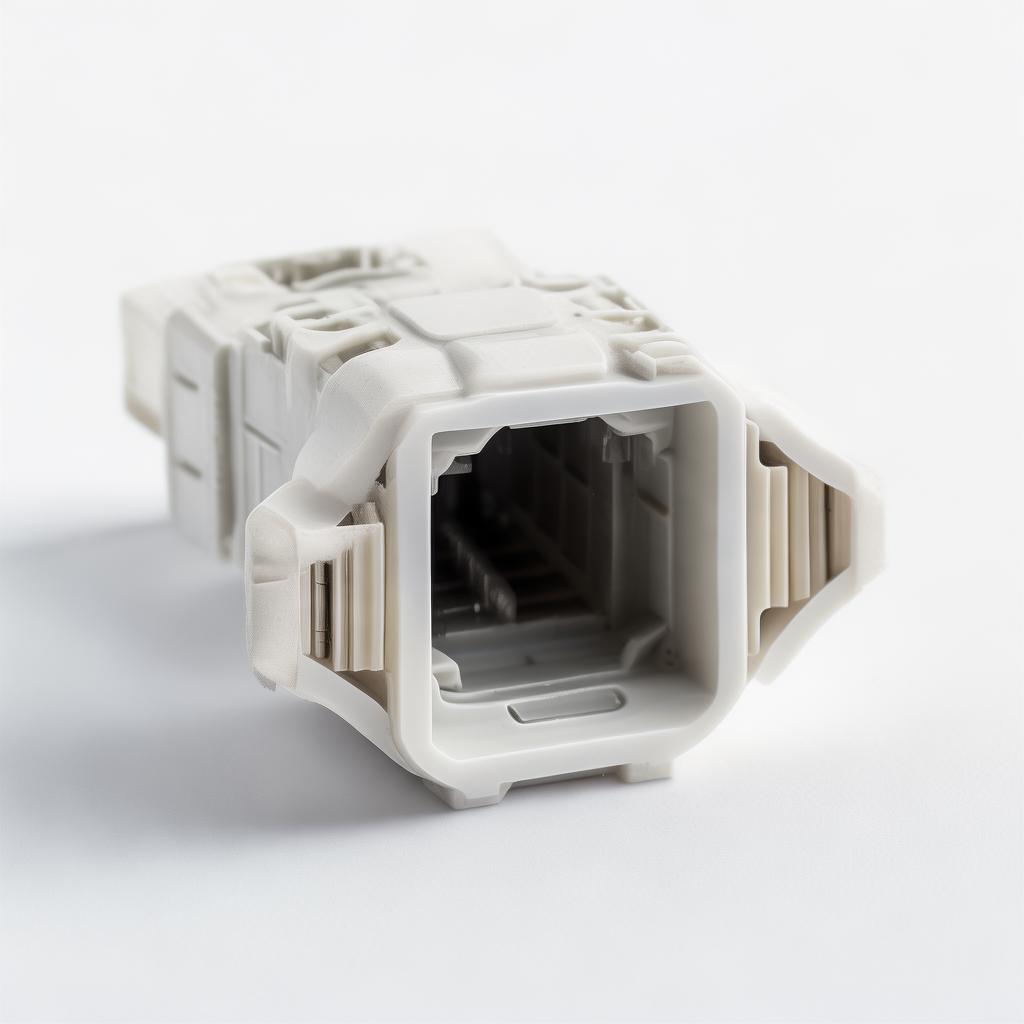
New Energy Vehicles: Durable gaskets and intricate seals for battery packs and high-voltage connectors that require chemical and heat resistance.
Medical Devices: Implantable-grade and medical-device compliant components with precise geometry and sterilization resistance.
Industrial Equipment: Flexible coupling parts, vibration damping mounts, and anti-slip silicone backings for enhanced machine reliability.
Household Appliances: Silicone gaskets and seals that improve appliance durability under thermal cycling.
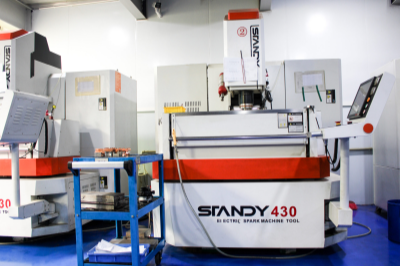
Our production floor equipped with advanced LSR molding machines and precision mold processing centers.
A Pragmatic Guide to Procuring OEM LSR Injection Molded Parts
Selecting a reliable OEM partner for liquid silicone injection molding is pivotal to your development success. Here are critical considerations distilled from decades of sourcing expertise:
Assess Mold Design Capability: Ensure your supplier offers in-house or close collaboration on mold engineering. Complex LSR tooling demands specialized surface finishes, venting, and gate designs.
Confirm Material Assurance: OEMs should provide traceable silicone grades with certificates like ISO 10993, FDA compliance, or RoHS certification depending on application requirements.
Production Volume & Cycle Times: Ask for lead time estimates that reflect your batch size. Avoid suppliers with fixed minimums that inflate costs or cause delays.
Post-Molding Processing: Consider available finishing like laser marking, plasma cleaning, or secondary bonding services which can minimize your internal handling steps.
Sample & Prototype Availability: Request free samples or quick turn prototypes to validate fit, finish, and performance before full production commitment.
Suppliers familiar with international logistics and customs documentation—like our team—help expedite shipments and avoid costly freight issues. Specifically, we ensure that packaging designs protect delicate silicone parts during container shipping, aligning with best practices noted in industry discussions for cross-border silicon part delivery.
Procurement Tip: Avoid sourcing firms that lack engineering support or only offer standard molding processes. A collaborative approach to mold design and process optimization will safeguard your supply chain and product quality.
Certifications and Factory Capability Transparency
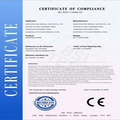
Our factory compliance and certifications underpin our authority in delivering OEM LSR molded components ready for global markets:
ISO 9001:2015 – Quality Management System
ISO 13485 – Medical Devices Quality (applicable for healthcare-grade products)
RoHS & REACH Compliance – Environmental and chemical safety standards
CE Certification – Product safety for EU markets
FDA Approval Materials – Ensuring biocompatibility for medical and food-contact parts
Certifications supporting worldwide compliance and product trustworthiness
Equipped with 55 LSR molding machines, a range of over 80 precision plastic injection machines, and an advanced mold processing center, our production system efficiently handles high mix & volume OEM projects. We also maintain a dedicated R&D and quality control team to ensure consistency.
Buyer FAQs
What makes LSR injection molding preferable over traditional silicone molding?
LSR injection molding provides superior precision, repeatability, and cycle times for complex shapes — crucial for tight-tolerance OEM components. It also enables biocompatibility and wide operating temperature ranges.
Can you handle multi-material overmolding with LSR and plastics?
Yes, our facility is experienced in multi-component injection molding combining LSR with thermoplastics like ABS. We optimize surface treatments and process parameters for strong adhesion and durability.
What is typical lead time for OEM LSR parts?
For new molds, lead times generally range from 6 to 10 weeks including prototyping, depending on complexity. Mass production runs follow with cycle times as short as 30-90 seconds per piece.
How do you ensure product quality across batches?
All batches undergo rigorous in-line monitoring, including dimensional measurement and curing degree checks. Our QA team performs random destructive testing aligned with ISO standards.
Do you support FDA and medical-grade product manufacturing?
Absolutely. We have FDA-cleared silicone materials and a cleanroom-certified production line dedicated to medical and food-contact grade manufacturing.
Customer Reviews: Real Voices From Our Clients
Mike Sanders – Procurement Manager, Chicago Automotive Components
"Partnering with Yingtai improved our battery seal production uptime significantly. Their responsive engineering support and tooling collaboration helped us reduce scrap rates by avoiding common LSR warpage issues. Worth the investment for any automotive OEM."
Get in Touch
If you have any camping barbeque equipment inquiry, please feel free to contact us.