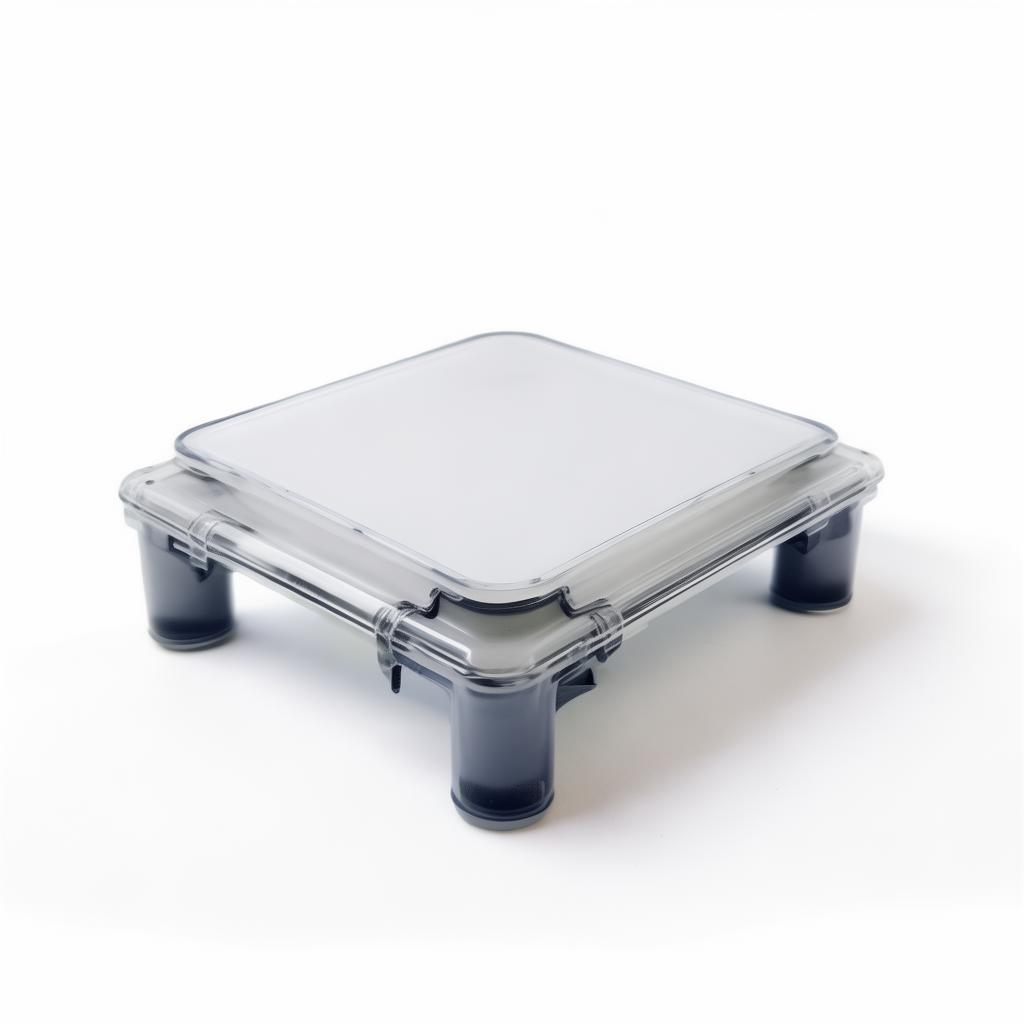
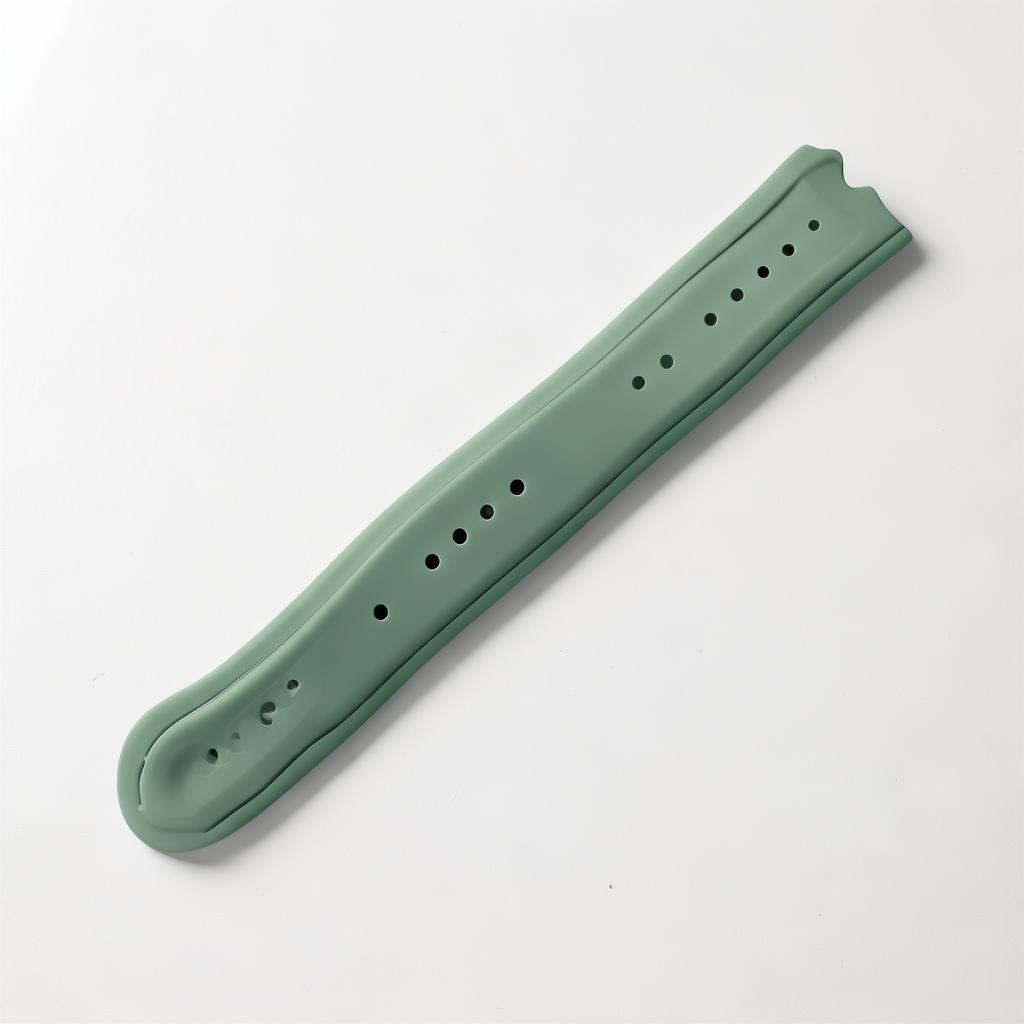
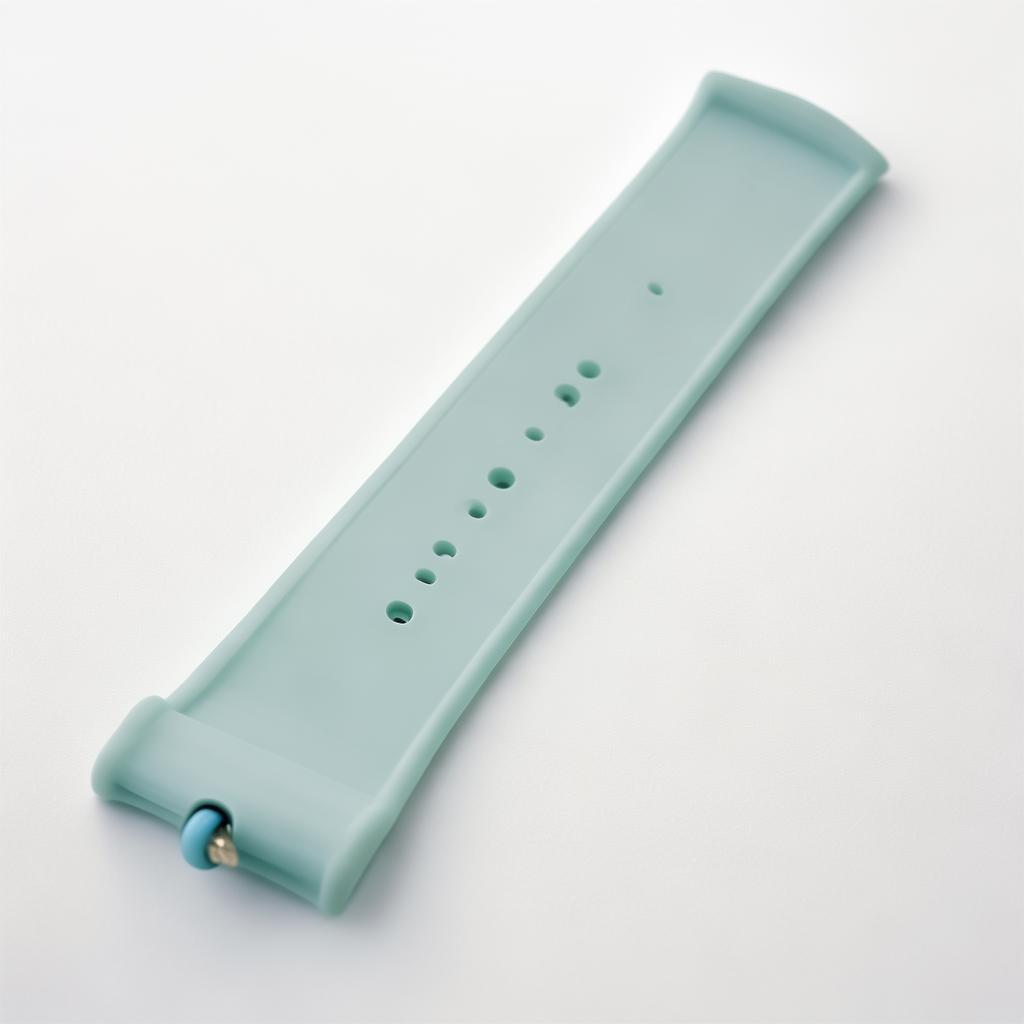
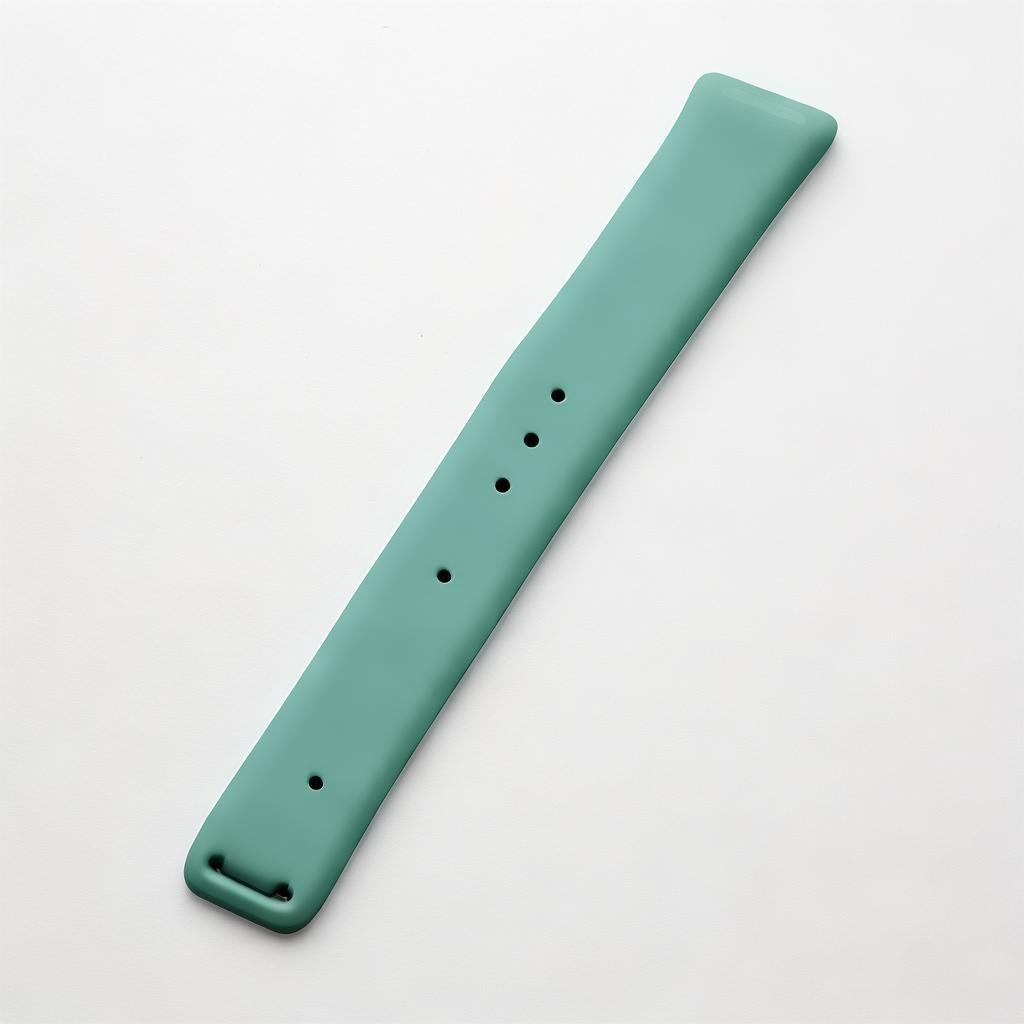
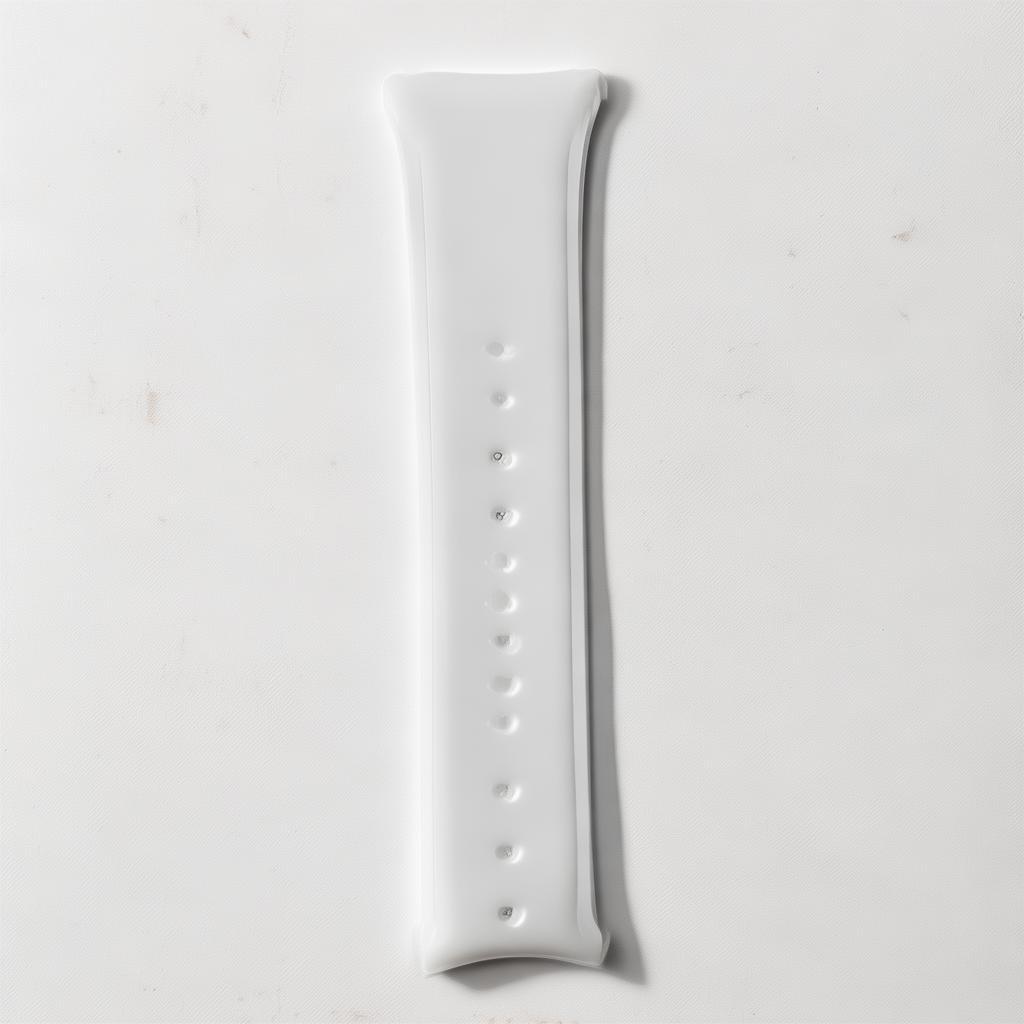
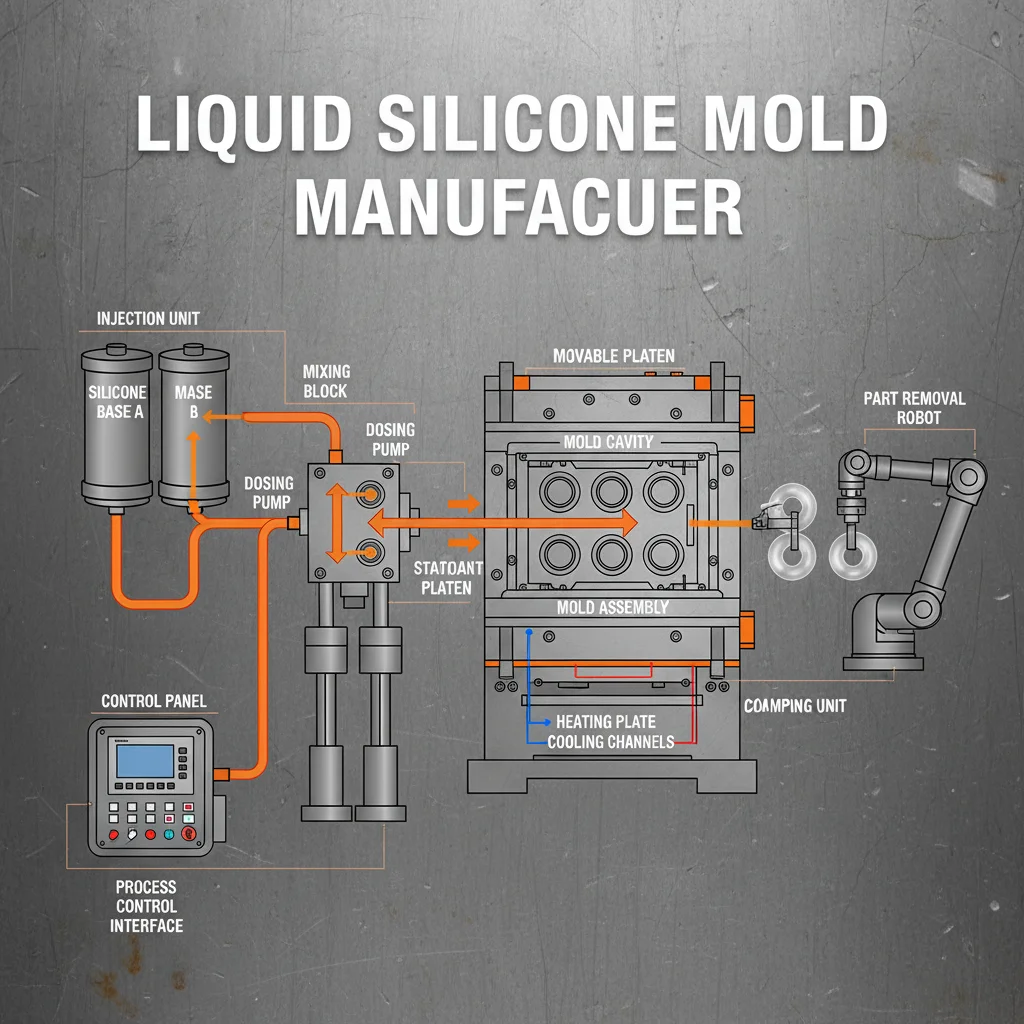
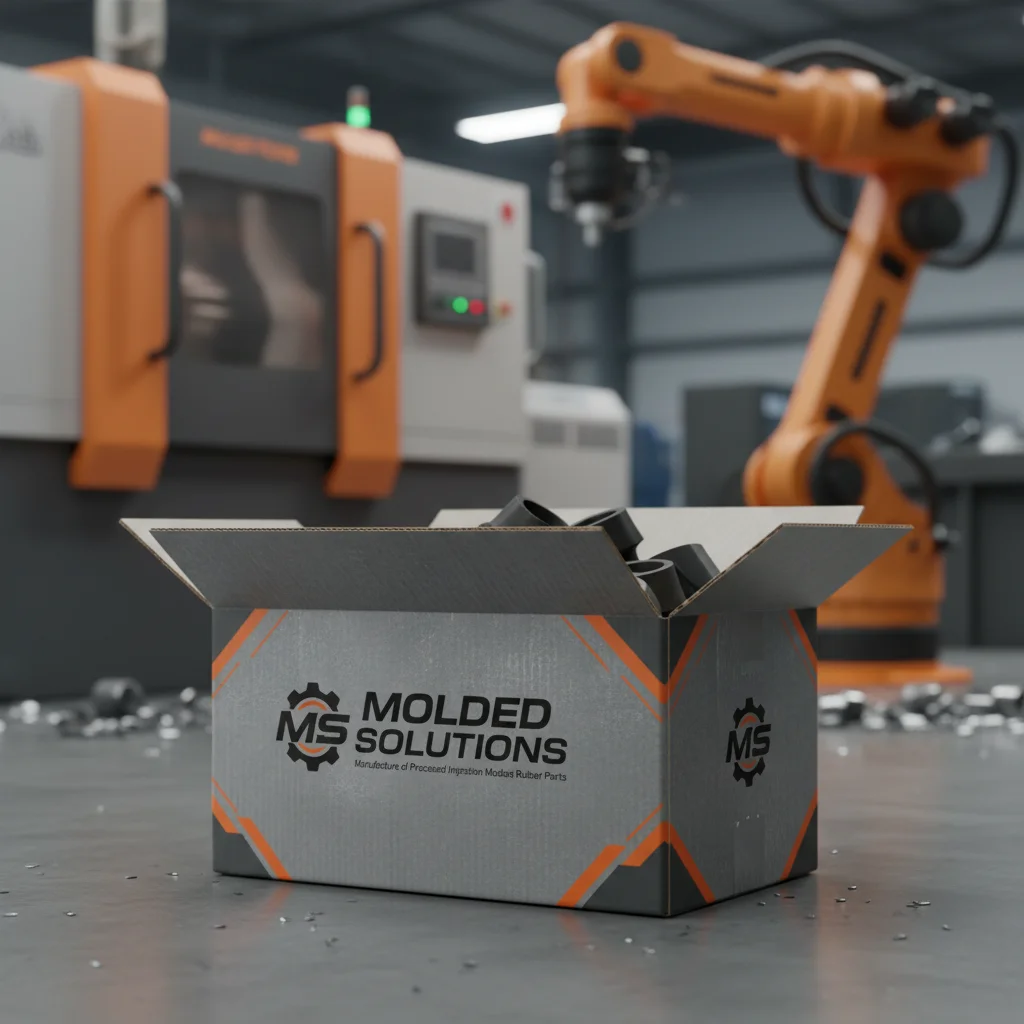
Unlock high-performance, customized liquid silicone rubber (LSR) injection moulding with Guangdong Yingtai High Precision Technology Co., Ltd. — your trusted partner in OEM manufacturing for durable, flexible, and chemically resistant silicone components.
Introduction to OEM LSR Moulding
OEM LSR moulding refers to the customized manufacturing of liquid silicone rubber components using precise injection moulding processes designed for high-volume, complex, and performance-critical industrial applications. Unlike traditional silicone rubber, Liquid Silicone Rubber (LSR) offers superior fluidity during injection, enabling intricate shapes with outstanding dimensional stability, chemical inertness, and thermal resilience.
In markets spanning medical devices, automotive seals, wearable electronics, and consumer appliances, LSR moulded parts have become indispensable — particularly where biocompatibility, UV resistance, and long-term flexural endurance matter. With growing demand for exquisite, high-performance silicone parts, global industry data shows the LSR market is projected to grow at a CAGR between 6.2% and 9.3% through 2035 (GrandViewResearch 2023, Market.US 2024).
Successful OEM partnerships rely on suppliers who understand material science, precision mould tooling, and process control to ensure repeatable quality with minimal waste and defects. Guangdong Yingtai High Precision Technology Co., Ltd. brings over 20 years of experience operating a full-cycle manufacturing system — from mold development through finishing — housing 55 LSR injection machines, 80 automatic plastic injection molding units, and advanced process monitoring. This setup notably supports complex overmolded seals, soft-touch consumer products, and demanding electronic-grade components.
Buyers targeting OEM LSR moulded parts benefit from understanding the distinct challenges of working with LSR materials — including thermal curing kinetics, viscosity control, and the impact of injection parameters on silicone elasticity and dimensional tolerance. The following sections address these technical details along with operational guidance, helping procurement and engineering professionals optimize design, cost, and supplier selection.
Industry Challenges & Procurement Risks
The roadmap to quality LSR parts is not without pitfalls. A major challenge is achieving consistent cure and mold fill across complex geometries. As discussed in MDPI's material characterisation study, imprecise rheological data can misguide injection molding simulations, leading to uneven cure, internal stresses, and dimensional warpage.
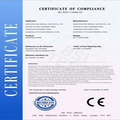
On the procurement side, common missteps include selecting manufacturers lacking robust in-house mold design capabilities or efficient defect prevention systems. This often manifests as excess flashing, poor surface finish, and longer lead times due to rework. Moreover, overseas suppliers with limited quality control may neglect critical standard certifications like ISO 9001 or CE, impacting end-product compliance.
Logistics also demand close attention — LSR parts are often sensitive to handling, requiring appropriate packaging that prevents deformation and contamination. Efficient container loading with shrink-wrap or molded trays helps maintain shape when scaling to bulk shipments.
Buyers need to stay alert about long lead times from mold design (often 6-8 weeks) and schedule buffer periods to accommodate prototyping, mold trials, and process tuning. Downsizing production runs without sacrificing quality requires suppliers experienced in both short and mass runs and flexible tooling solutions.
Product Advantages & Technical Features
Precision & Complexity: LSR injection molding allows microscopic tolerance control, under 0.1 mm, supporting micro-scale features for wearable tech and medical microfluidics (Nature Scientific Reports).
Biocompatibility & Chemical Resistance: FDA-compliant and food-grade silicone compounds resist harsh chemicals, UV, and extreme temperatures (-60°C to +230°C), enabling durable seals and interfaces.
Hybrid & Multi-Component Ability: Overmolding with plastics like ABS creates ergonomic assemblies combining rigidity and softness, vital in consumer electronics and automotive interiors (MDPI Polymers).
Low Defect Rate Manufacturing: Intelligent process control minimizes flash, bubbles, and warpage — as echoed by advanced AI-integrated molding lines reducing variation (arXiv AI Molding).
Rapid Production Flexibility: With a large fleet of machines and in-house mold services, our factory can handle both prototype batches in under 15 days and scale to high-volume runs with 24/7 operation.
Technical Specifications & Material Insights
Specification
Details
Material Type
Liquid Silicone Rubber (LSR) - Platinum-catalyzed, two-component system
Hardness
From 10 Shore A to 80 Shore A, customizable per client requirements
Thermal Range
-60°C to +230°C continuous service temperature
Color Options
Standard (transparent, black, white) and customized colors with masterbatch
Certifications
FDA & RoHS compliant available on request
Mold Tolerance
±0.05mm - high-precision CNC and EDM mold machining
Material insight: Our LSR compounds meet ASTM standards for silicone elastomers and demonstrate excellent resistance to abrasion, ozone, and fatigue. We prioritize rheological data fidelity during simulation, integrating findings from studies such as the ScienceDirect viscosity characterization research, to fine-tune injection protocols — minimizing cycle times without compromising product integrity.
Typical Applications & Market Trends
Demand for LSR moulded parts continues surging across several key sectors:
New Energy Vehicles: Flexible seals and connectors designed for harsh temperature exposures and chemical resistance in battery packs and powertrain components.
Consumer Electronics & Wearables: Soft-touch overmolding for smartwatches, earbuds, and health-monitoring devices to enhance grip and comfort.
Medical Devices: Biocompatible parts such as tubing connectors, seals, and gaskets meeting FDA and ISO 13485 standards.
Household Appliances: Durable handles, soft buttons, and sealing components resistant to detergents and extended use.
Communication Equipment: Environmental seals and insulators safeguarding sensitive circuitry.
The rising use of LSR in precision silicone components drives a global market valuation estimated around USD 4.8 to 7.5 billion by 2035, dominated by Asia-Pacific manufacturing hubs but heavily influenced by stringent quality demands from North American and European buyers. Suppliers capable of offering rapid prototyping alongside scalable production gain a competitive edge.
Sourcing & Procurement Guidance
When evaluating OEM LSR moulding partners, procurement professionals should scrutinize the supplier’s:
Industry Certifications: ISO 9001 for Quality Management, CE marking for product compliance, FDA registration for medical-grade LSR.
Mold Development Capacity: In-house CNC tool machining, EDM services, and mold flow analysis capabilities.
Process Transparency: Access to molding process parameters and quality control data to anticipate defects and reduce risks.
Supply Chain Stability: Ability to fulfill volumes with reliable lead times, verified raw material traceability, and logistics infrastructure for export (including container loading efficiency).
Technical Support: Engineering consultation to optimize part design, recommend suitable silicone grades, and advise secondary operations.
Guangdong Yingtai High Precision Technology’s integrated manufacturing plant embodies these criteria fully — supported by 35,000 square meters of industrial park space, more than 500 skilled employees, and continuous investments in automation and quality instrumentation.
Frequently Asked Questions
Q1: What is the typical lead time for OEM LSR moulding orders?
Lead time varies based on mold complexity and order quantity. Generally, prototype molds take 4-6 weeks for design and tooling, with production runs delivered within 3-5 weeks after mold approval. Expedited service may be available for urgent projects.
Q2: Can I customize the silicone hardness and color?
Absolutely. We offer hardness ranges from 10 to 80 Shore A and a broad palette of color options including transparent and masterbatch-customized hues. Material grade selection considers application environment and compliance requirements.
Q3: How do you ensure mold quality and product consistency?
Our factory uses advanced CNC and EDM tooling, combined with CAE mold flow simulation based on precise rheological datasets. Process controls include temperature, injection speed, and curing time monitoring, backed by in-line inspection systems to reduce defects and achieve repeatable tolerances.
Q4: What certifications do your products and facility hold?
We are ISO 9001 certified with CE marking on applicable products. Additionally, we can supply FDA and RoHS documentation for medical and electronic grade LSR components on request.
Q5: What are the shipping options for international buyers?
Our logistics team manages efficient export packaging designed to prevent deformation. We ship worldwide by sea or air freight, optimizing container load plans to reduce costs and improve shipment integrity. Typical shipping lead time to the USA is 20-30 days by ocean.
Customer Reviews & Testimonials
Michael Hubbard, Procurement Manager - Automotive Supplier, Ohio, USA
"Partnering with Yingtai for our elastomer seals made a tangible difference. Their mold precision and process consistency reduced our warranty claims significantly. The support team understands complex automotive specs deeply — highly recommended for OEM buyers seeking reliable silicone injection molding."
Get in Touch
If you have any camping barbeque equipment inquiry, please feel free to contact us.



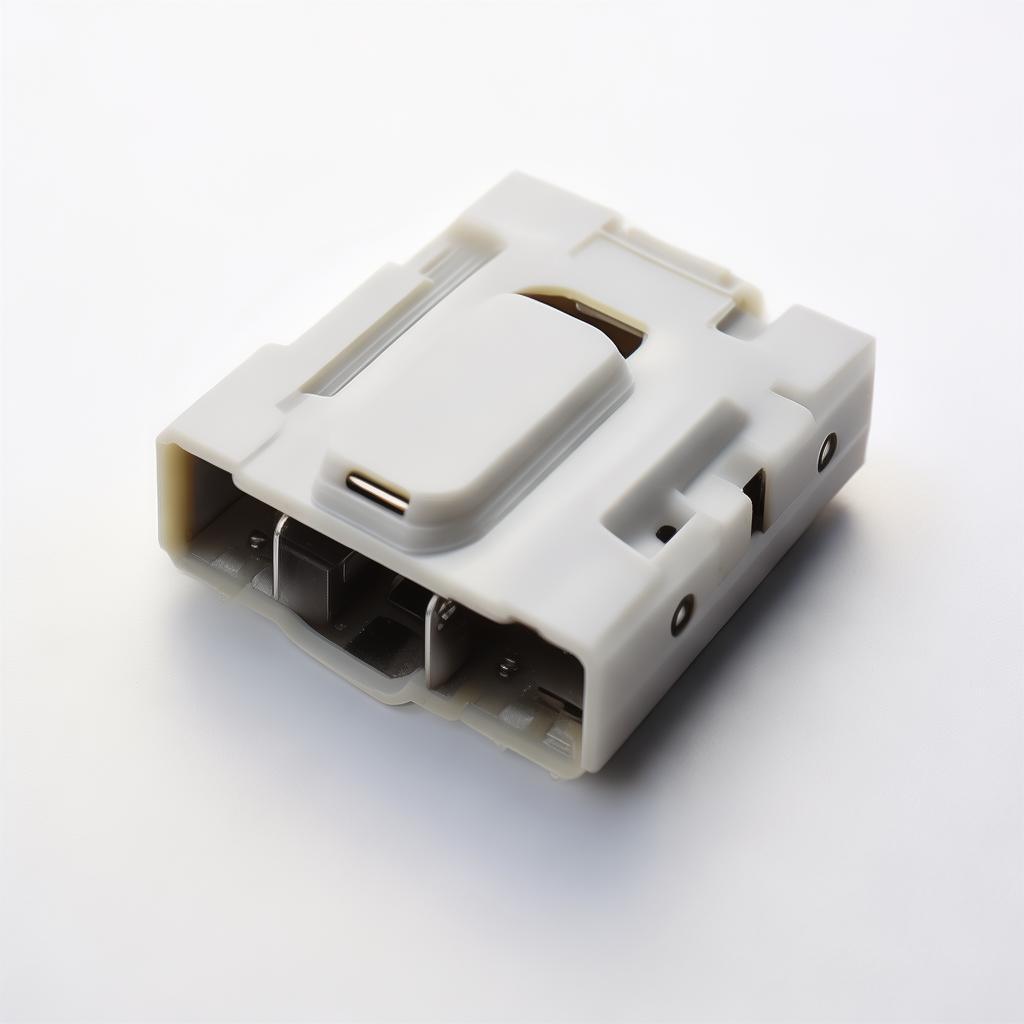
 FDA & RoHS compliant available on request
 Michael Hubbard, Procurement Manager - Automotive Supplier, Ohio, USA