Guangdong Yingtai High Precision Technology Co., Ltd. – Your Trusted Partner for High-Quality OEM LSR Manufacturing Liquid Silicone Rubber (LSR) has redefined precision manufacturing across industries, enabling the production of complex, durable, and biocompatible
Liquid Silicone Rubber (LSR) has redefined precision manufacturing across industries, enabling the production of complex, durable, and biocompatible components for sectors ranging from automotive to medical devices and consumer electronics. As an OEM LSR silicone manufacturer with over 20 years of operational experience, Guangdong Yingtai High Precision Technology Co., Ltd. knows firsthand the critical role that quality materials and sophisticated injection molding techniques play in delivering products that meet rigorous global standards.
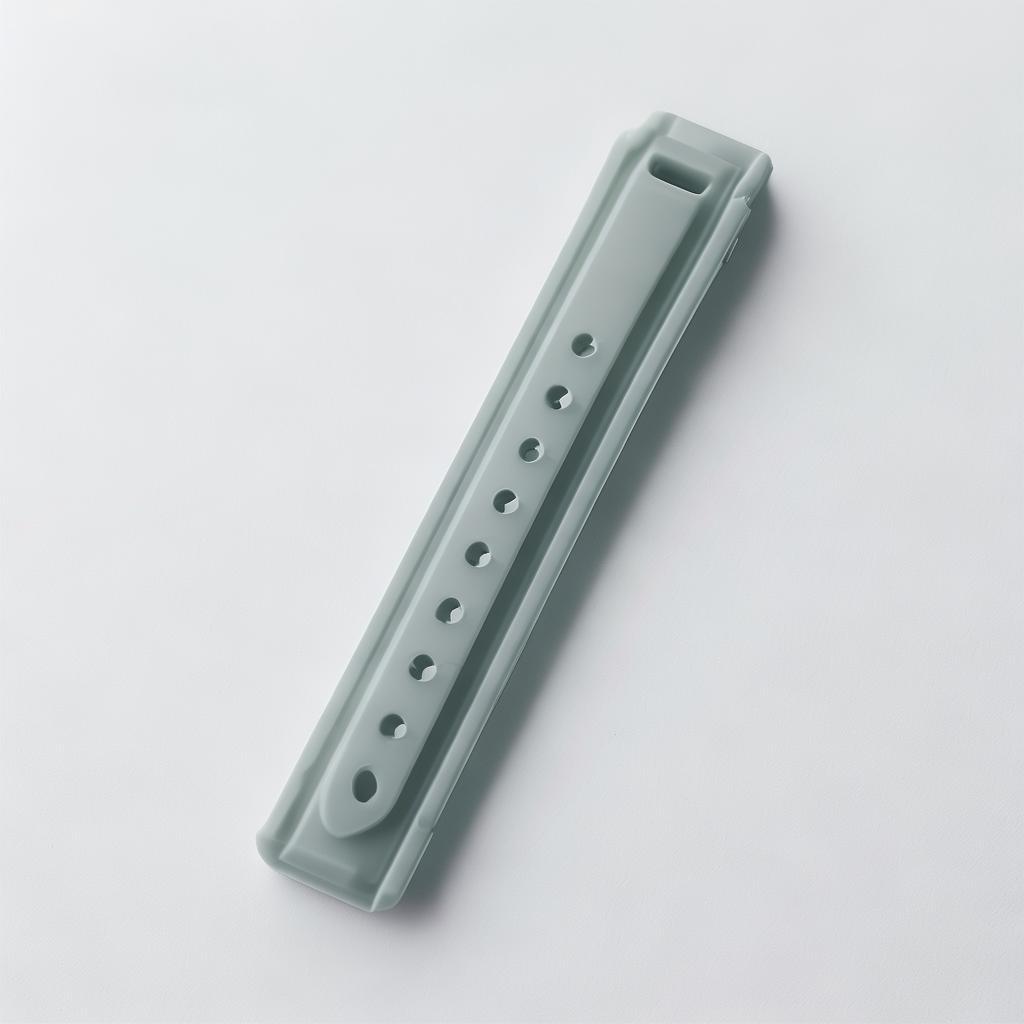
Being located in Dongguan’s industrial heartland, our factory spans 35,000 square meters, equipped with cutting-edge liquid silicone molding machines and advanced injection technologies that cater to demanding OEM/ODM requirements. LSR's unique thermosetting properties allow for rapid curing at elevated temperatures, producing flexible, heat-resistant parts with inherently low toxicity—a characteristic indispensable for healthcare and food-contact applications.
Our clients in the United States and other English-speaking markets seek not only compliance with ISO 13485 and FDA regulations but also logistical reliability and production agility. We recognize that procurement managers, technical engineers, and project contractors expect more than just a quote—they rely on manufacturers who understand operational bottlenecks, from mold development timelines to container loading optimization.
Market reports reflect a robust CAGR ranging from 6.2% to 9.2% for the global LSR sector as precision molding applications expand in new energy vehicles, wearable electronics, and medical instruments. According to a comprehensive analysis by Grand View Research, the LSR market is on track to reach nearly USD 5 billion by 2030, driven largely by demand for customized, high-performance silicone parts. This underlines the importance of partnering with an expert manufacturer versed in material science, tooling innovation, and export logistics.
We approach LSR manufacturing as a blend of technical mastery and commercial pragmatism. Precision mold design, rheological material characterization, and process optimization are routine in our workflow, ensuring consistency in dimensions and mechanical performance. Our engineering team prioritizes early-stage collaboration to align material selection and molding methods with product functionality, reducing costly iterations down the line. This hands-on expertise, paired with a vertically integrated production chain, shortens lead times and amplifies responsiveness to fluctuating market demands.
If your procurement roadmap demands an OEM LSR silicone manufacturer that can meet stringent specifications while mitigating risks inherent in cross-border trade and large-scale injection molding, our insights and operational rigor make us a preferred supplier choice.
Industry Pain Points & Procurement Challenges
Navigating the OEM LSR supply chain presents a unique set of challenges, which often trip up manufacturers and buyers alike:
Tooling and mold costs: High-precision LSR molds require specialist steel and complex venting systems. Poor mold design can cause flash defects and increased waste, inflating costs.
Material inconsistencies: Differing grades of LSR can affect curing behavior and performance. Choosing unsuitable grades threatens product durability and compliance.
Production scalability: Manufacturers often face lengthy development cycles and bottlenecks in injection molding setups, impacting on-time delivery.
Quality control: Maintaining consistent dimensional tolerances and surface finish is technically demanding, aggravated by silicone's unique rheological properties.
Overmolding integration: Combining LSR with thermoplastics like ABS requires precise process control to ensure bonding reliability and longevity.
Logistical hurdles: Export delays, customs compliance, and container load optimization can add hidden costs and threaten project timelines.
For procurement directors and importers, understanding these issues upfront can secure smoother project execution and stronger supplier partnerships.
Technical Overview: Liquid Silicone Rubber Properties & Production
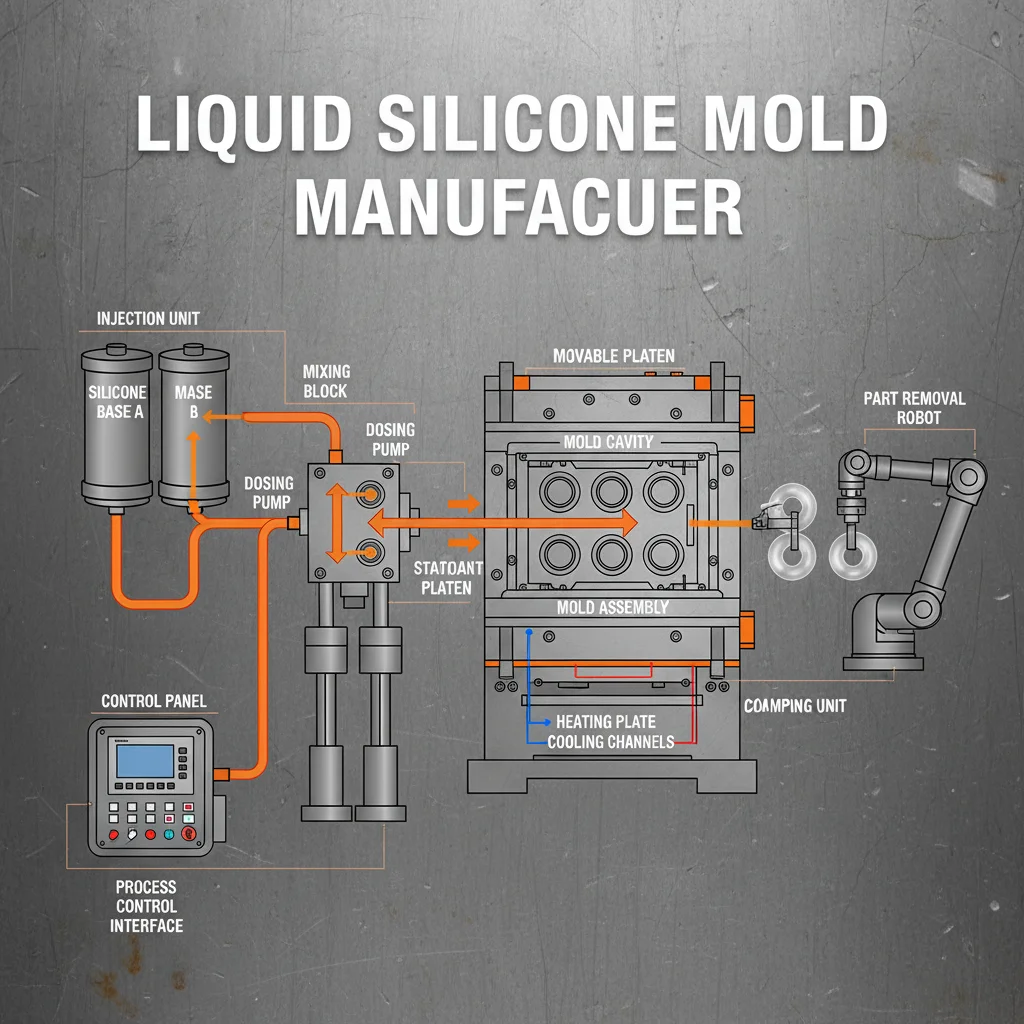
LSR is a two-component platinum-cured silicone elastomer, famed for its thermal stability (-60°C to +230°C), chemical inertness, and superior flex fatigue resistance. It's particularly suited for injection molding due to its low viscosity, enabling complex cavities to fill completely while maintaining surface excellence.
Key technical considerations for OEM LSR manufacturing include:
Curing kinetics: Rapid vulcanization reduces cycle times, but demands exact mold temperature control to prevent premature gelation or incomplete cure.
Rheological parameters: Viscosity and shear thinning behavior influence flow patterns, part thickness uniformity, and demolding forces.
Material grades: From medical-grade LSR conforming to USP Class VI, to industrial grades with enhanced UV and chemical resistance.
Multi-shot injection: Combining LSR with rigid thermoplastics such as ABS or polycarbonate enables overmolded parts with both soft-touch and structural features.
Tooling design: Precision vents and optimized gating systems are critical to avoid air entrapment and flash defects (Fraunhofer research highlights the importance of mold insert design for waste reduction).
We leverage advanced CAE simulation tools, validated by studies such as MDPI’s research on material characterization impact, to optimize injection parameters and ensure dimensionally stable, defect-free parts. This attention to detail reduces trial and error, shortens development lead times, and enhances reproducibility.
Factory Strength & Certifications
Yingtai factory represents a vertically integrated production ecosystem, combining in-house tooling development with 55 sets of advanced liquid silicone molding machines and 80 sets of plastic injection presses. This scale supports flexibility from prototype batches to high-volume runs.
Equipment Type
Quantity
Description
Liquid Silicone Molding Machines
55
Precision injection for complex LSR parts
Plastic Injection Molding Machines
80
Supporting multi-shot and overmolding applications
As part of our commitment to quality and compliance, Guangdong Yingtai holds multiple certifications:
ISO 9001:2015 for Quality Management Systems
CE marking for European market compliance
FDA-approved medical-grade silicone production
RoHS compliance for environmental safety
This pedigree reflects our ability to meet international standards, ensuring that parts not only perform but also pass regulatory scrutiny – a critical factor for buyers sourcing from offshore manufacturers.
Application Scenarios & Custom OEM Solutions
Liquid Silicone Rubber is indispensable wherever performance and precision meet demanding use environments. Our OEM LSR offerings are tailored to diverse sectors, supported by extensive application experience:
Automotive: Seals, gaskets, and connectors for new energy vehicles requiring thermal resilience and chemical stability.
Medical Devices: Biocompatible tubing, seals, and wearable components conforming to ISO 10993 and FDA directives.
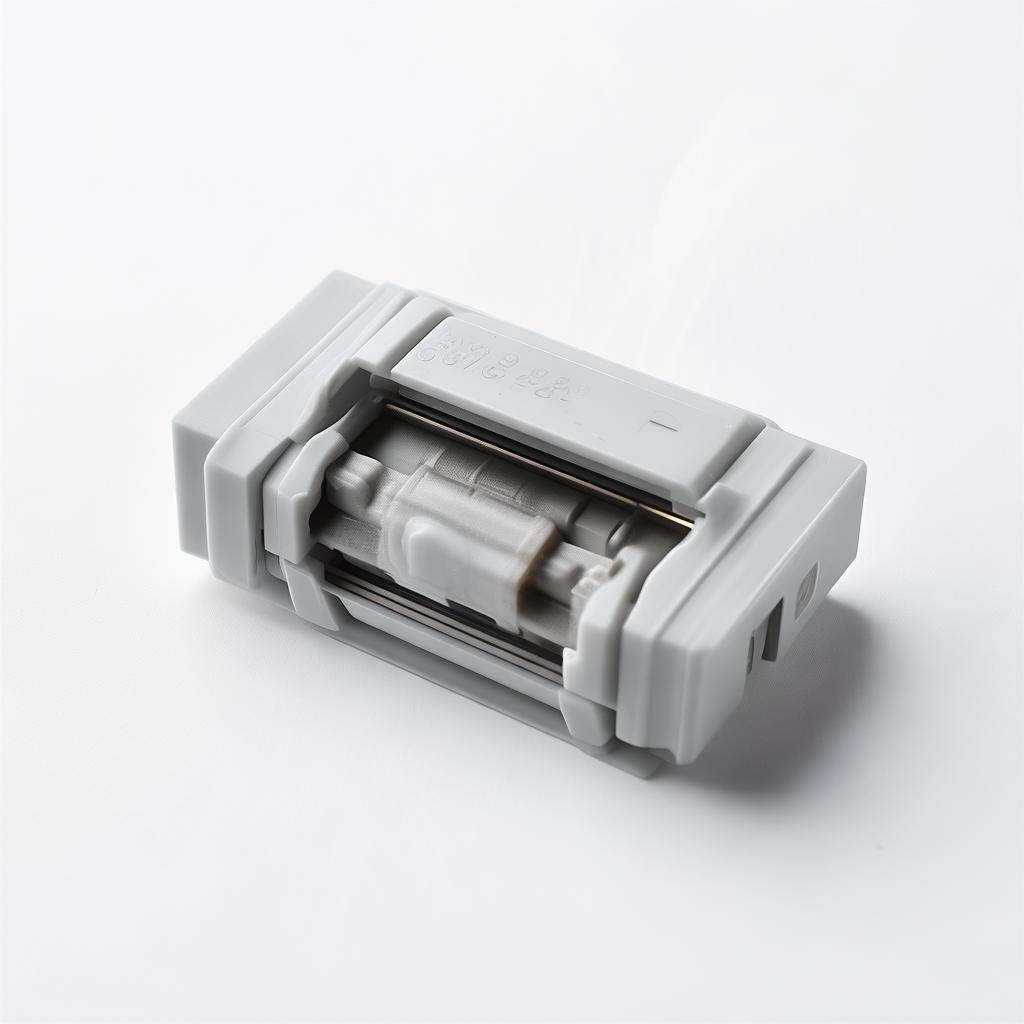
Consumer Electronics: Overmolded keyboards, gaskets, buttons, and protective seals with tactile softness and durability.
Communication Equipment: Shock-absorbing silicone pads and customized seals for ruggedized network devices.
Household Appliances: Waterproof seals and flexible connectors designed for long operational life under thermal cycling.
Each application demands robust process control—from curing schedules to surface finish quality—which our engineering teams tackle through iterative prototyping and collaboration. OEMs value our ability to rapidly iterate molds and integrate multi-material designs, aligning with end-use assembly requirements.
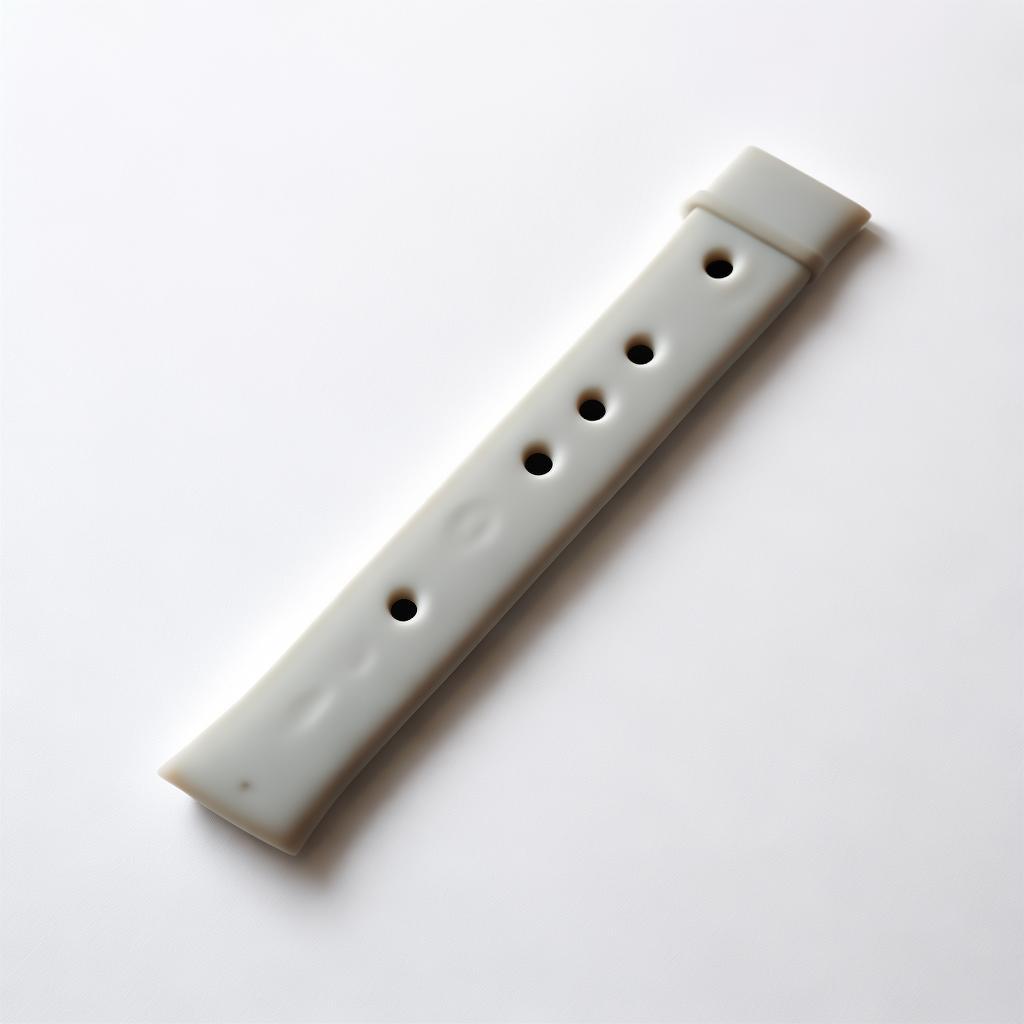
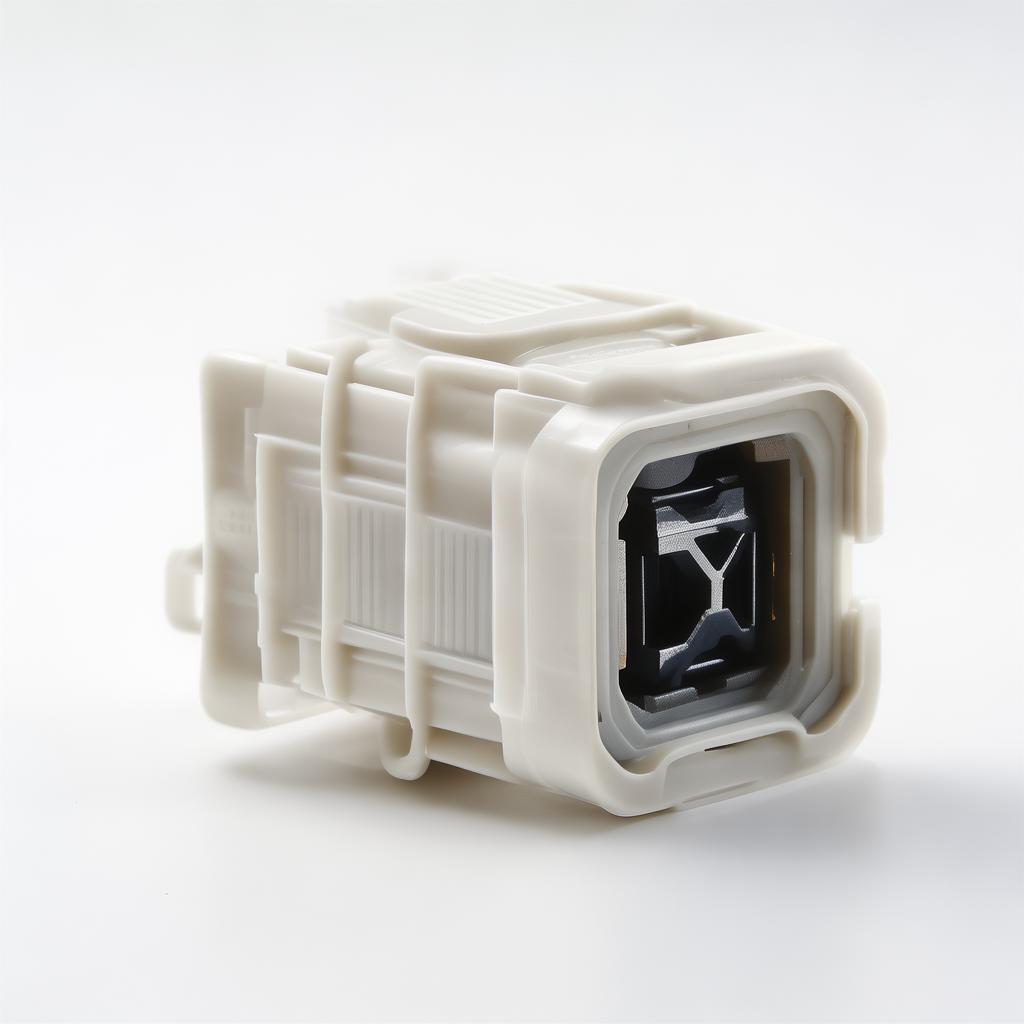
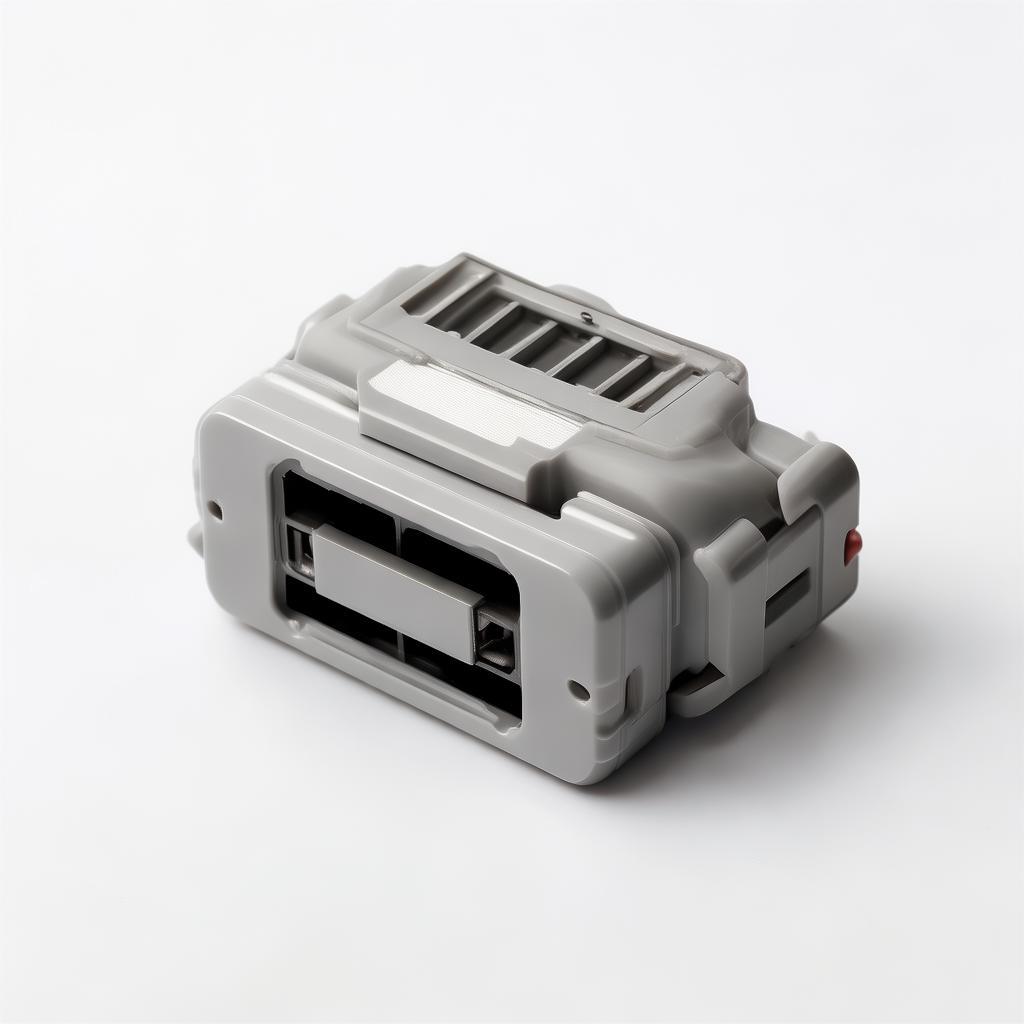
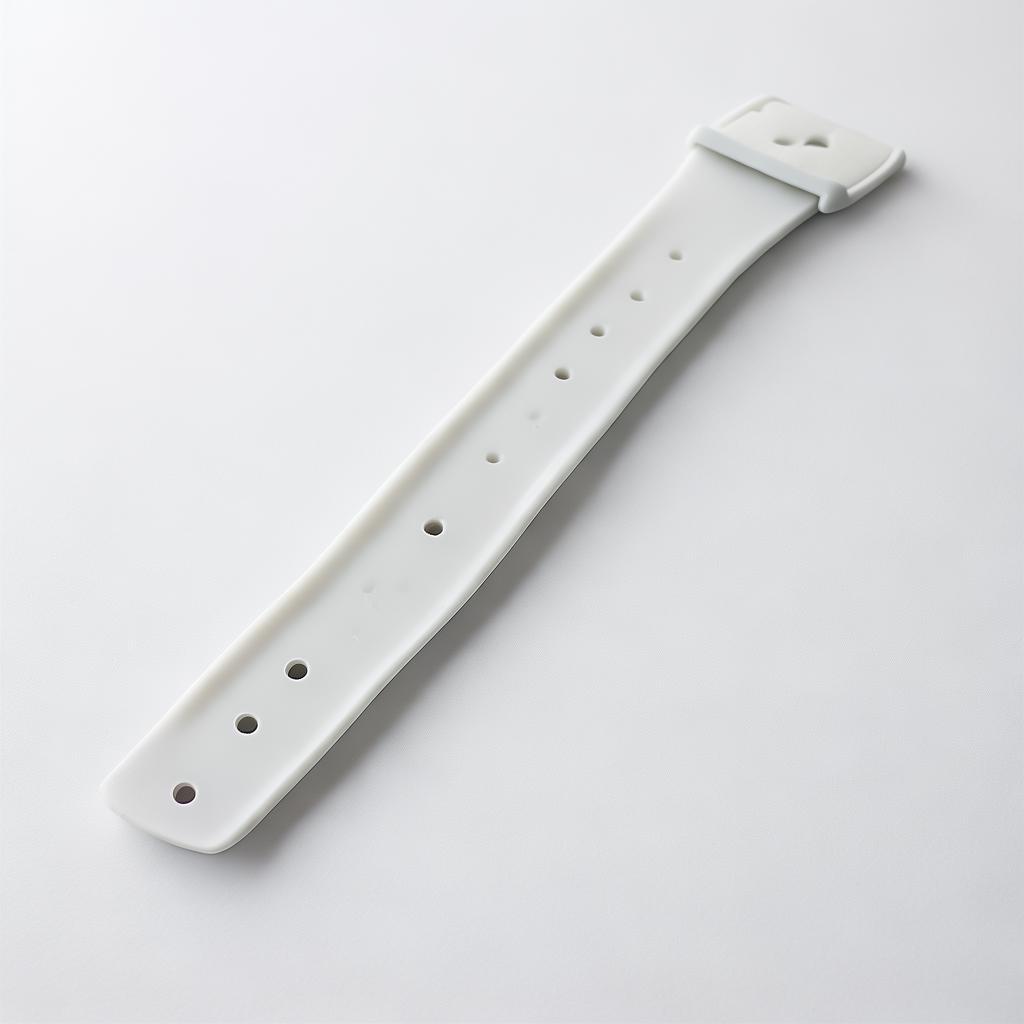
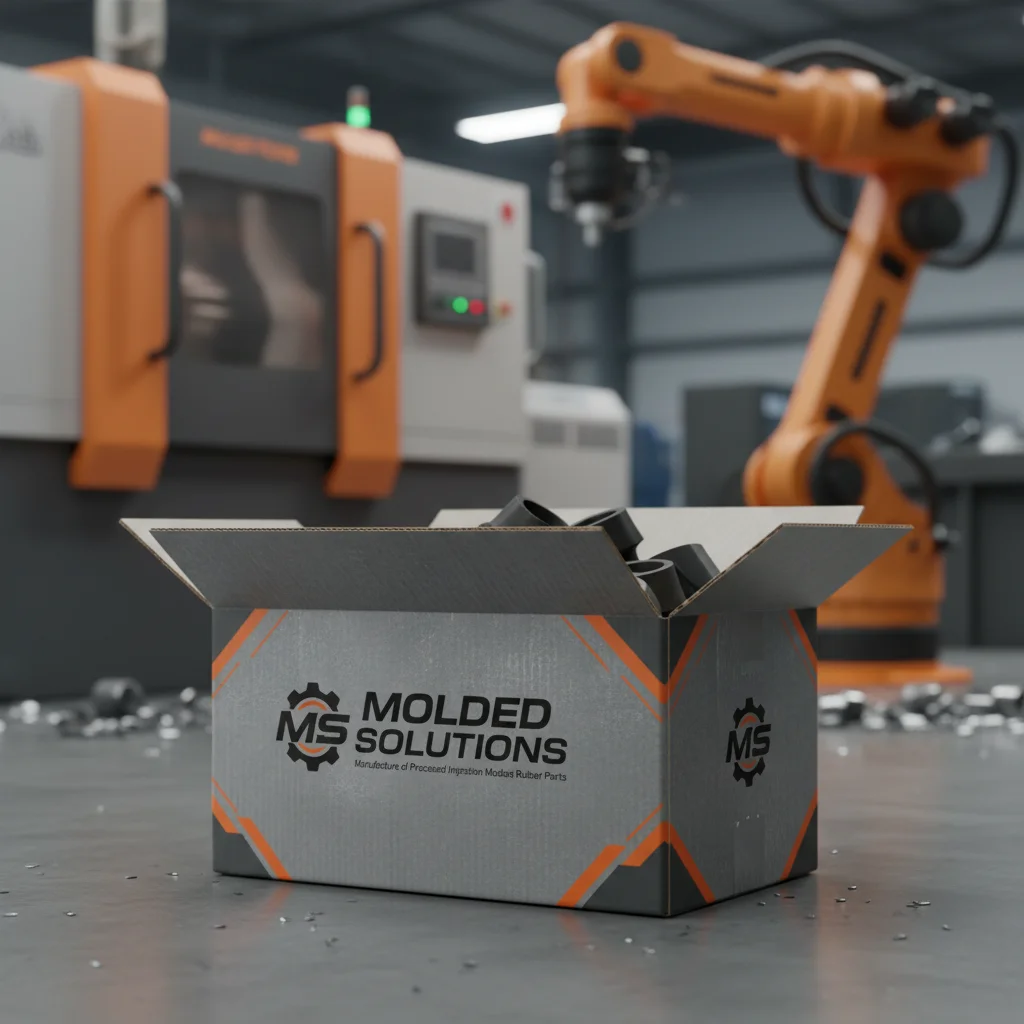
Advanced Injection Molding Machines Delivering High Precision LSR Components
Procurement Guidance & Risk Mitigation
Partnering with an OEM LSR silicone manufacturer requires more than price negotiation; strategic buyer insight is crucial to mitigate risks and ensure continuity.
Evaluate Technical Expertise: Confirm the supplier’s experience in handling your specific silicone grades and production volumes.
Assess Mold Development Capabilities: Inquire about mold design processes, lead times, and revision policies to avoid costly project delays.
Check Quality Assurance Procedures: Look for ISO certifications, in-house testing, and defect rate statistics to judge production stability.
Clarify OEM/ODM Flexibility: Determine the manufacturer's willingness to support product customization, material substitutions, and small-batch prototyping.
Request End-to-End Logistics Support: Coordinate shipment planning for bulk orders, container loading efficiency, and international documentation compliance.
Many buyers overlook the importance of early-stage communication. We advise scheduling technical consultation calls to discuss material behavior, molding cycles, and post-production processes to tighten project timelines and avoid expensive reworks.
What is the typical lead time for custom LSR injection molding?
For new mold development, lead time usually ranges from 6 to 10 weeks, including prototyping and validation. Standard production runs can start within 2 to 4 weeks after mold approval.
How do you manage material consistency across production batches?
We source LSR raw materials from internationally certified suppliers and perform batch testing for viscosity, curing rate, and mechanical properties. Process parameters are tightly controlled and recorded to ensure consistent product quality.
Can you support multi-shot molding combining silicone and thermoplastics?
Yes. Our facilities support multi-component injection molding with strong experience in LSR overmolding on ABS, PC, and other engineering plastics, ensuring robust inter-material bonding.
What certifications do your LSR products hold?
Our LSR parts conform to ISO 9001 quality standards and FDA requirements for medical-grade silicones. RoHS and CE certifications are available for products destined for electronics and European markets.
How do you handle shipment and customs documentation for international clients?
We provide comprehensive export documentation, including packing lists, certificates of origin, and compliance certificates. Our logistics team optimizes container loading to minimize freight costs and supports freight forwarding coordination.
Customer Reviews
Michael C., Procurement Manager, Texas
“Working with Yingtai’s team was a pragmatic and efficient experience. They understood the nuances of our medical-grade LSR requirements and delivered tooling development ahead of schedule. Their engineering consultation helped us avoid costly prototyping pitfalls.”
Get in Touch
If you have any camping barbeque equipment inquiry, please feel free to contact us.



 ISO 9001:2015 for Quality Management Systems
 CE marking for European market compliance
 FDA-approved medical-grade silicone production
 RoHS compliance for environmental safety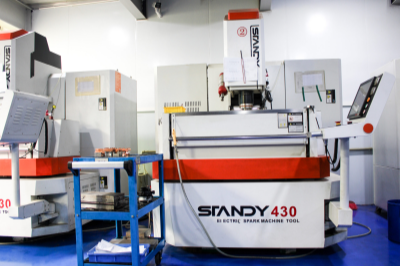
 Michael C., Procurement Manager, Texas