Expert Solutions in Liquid Silicone Rubber Injection Molding for Precision Component Suppliers & International Buyers Liquid Silicone Rubber (LSR) molding stands as a pivotal technology for numerous industries requiring flexibility, durability, and high-precision components.
Expert Solutions in Liquid Silicone Rubber Injection Molding for Precision Component Suppliers & International Buyers
Understanding Procurement Challenges in OEM LSR Silicone Molding
Liquid Silicone Rubber (LSR) molding stands as a pivotal technology for numerous industries requiring flexibility, durability, and high-precision components. But sourcing an OEM manufacturer for LSR silicone molding internationally, especially for export, comes with its operational hurdles. From inconsistent product quality to long lead times and obscured supply transparency, buyers often face unexpected setbacks.
Inconsistent Material Grades: Without a verified supplier, material properties such as Shore hardness, tensile strength, or biocompatibility can vary, impacting product performance, especially in medical or automotive applications.
Tooling and Mold Design Risks: LSR injection molds require specialized design to handle two-cavity filling and thermal management. Poor mold engineering leads to flash, inconsistent vulcanization, and dimensional deviations.
Quality Control & Certification: International buyers increasingly demand ISO 13485, RoHS, or FDA-compliant production for regulated markets. Some exporters underestimate these, leading to compliance gaps.
Extended Lead Times and Shipping: Globally, fluctuating freight schedules and customs clearance delays can extend total procurement cycles beyond expectations.
Logistical Complexities: Packaging fragile LSR components for overseas shipping without damage necessitates operational insight to optimize container loading and unitization.
These challenges underscore that choosing an OEM LSR silicone molding partner extends beyond price comparison. It demands technical alignment, supply chain transparency, and consultative collaboration. As an experienced LSR exporter based in Dongguan, Guangdong Yingtai High Precision Technology Co., Ltd. has consistently bridged these gaps for American and global clients through operational excellence and technological expertise.
Manufacturing Expertise & Factory Capabilities
With over 20 years embedded in the heart of Dongguan’s industrial ecosystem, Yingtai’s OEM liquid silicone rubber molding factory embodies advanced technological capacity:
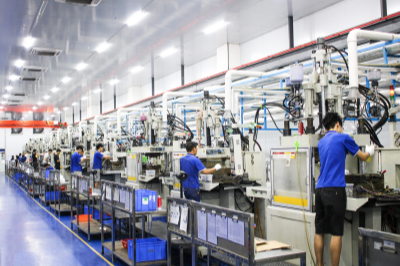
55+ LSR Injection Molding Machines: Covering injection volumes for micro to large parts with meticulous temperature control.
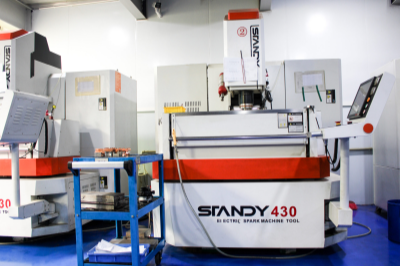
Advanced Mold Processing Equipment: Over 30 precision CNC and EDM machines enabling ultra-precise mold tooling.
Industry Certifications: ISO 9001 quality system, RoHS, FDA conformity, CE-certified processes ensure compliance for regulated sectors.
In-House R&D Team: 50+ engineers specializing in materials science, mold design, and process optimization to shorten development cycles.
Strict QA & Testing: Implementation of advanced testing instruments for durometer hardness, tensile strength, surface finish, and dimensional accuracy.
Yingtai High Precision Liquid Silicone Rubber Injection Molding Production Line
Operatively, our factory runs lean batch production lines which allow rapid changeover between projects without compromising part quality. Real-time data monitoring assists in early defect detection, thereby reducing scrap rates—a critical metric for commercial scalability.
Material & Process Advantages of Liquid Silicone Rubber (LSR)
Understanding why LSR stands out is key for buyers evaluating component performance and lifecycle costs. Compared to traditional silicone rubbers or thermoplastics, LSR delivers:
Property
LSR Features
Conventional Silicone / Plastics
Temperature Resistance
-60°C to +230°C continuous, up to 300°C short-term
Typically -40°C to +180°C
Mechanical Elasticity
High elongation (>700%), excellent tear strength
Moderate elongation, prone to stress cracking
Biocompatibility
Medical-grade LSR available (ISO 10993)
Often lacks full medical certification
Chemical Resistance
Outstanding resistance to oils, solvents, and UV
Less durable to harsh chemicals and weathering
Production Efficiency
Automated injection molding with short cycle times
LSR's two-component injection process uniquely enables rapid curing and complex geometries. This is impossible for many solid silicone molding or compression methods. Buyers should note that robust thermal management in molds (cooling/heating channels) is essential for defect-free parts—emphasizing why selecting an experienced OEM is critical.
Recent industry trends indicate that LSR demand is growing fastest in medical devices, automotive seals, and consumer electronics, driven by LSR's biocompatibility and durability (Grandview Research, 2023-2030). A thorough understanding of these properties helps procurement managers avoid subpar materials in sensitive assemblies.
Typical Applications & Industry Use Cases for LSR Molded Components
From the factory floor to your production line, LSR molded parts are suited for diverse environments demanding precise material performance. Common applications include:
New Energy Vehicles: High-performance gaskets, cable insulation sleeves, charging connector seals requiring heat and chemical resistance.
Medical & Healthcare Products: Surgical valve membranes, baby care teats, wearable device seals, all meeting medical-grade standards.
Consumer Electronics: Overmolded buttons, smartphone seals, wearable device parts where tactile feel and durability matter.
Industrial & Home Appliances: Waterproof seals, vibration dampers, ergonomic grips that withstand continuous mechanical stress.
Communication Equipment: Precision seals and protective casings for routers, connectors, and other telecom gear.
Operational insight: installation teams report that LSR parts typically require less post-processing cleaning or trimming compared to compression molded parts, saving labor hours on assembly lines. Yet, correct packaging to prevent deformation remains crucial—especially during overseas container transport where stacking and pressure are factors.
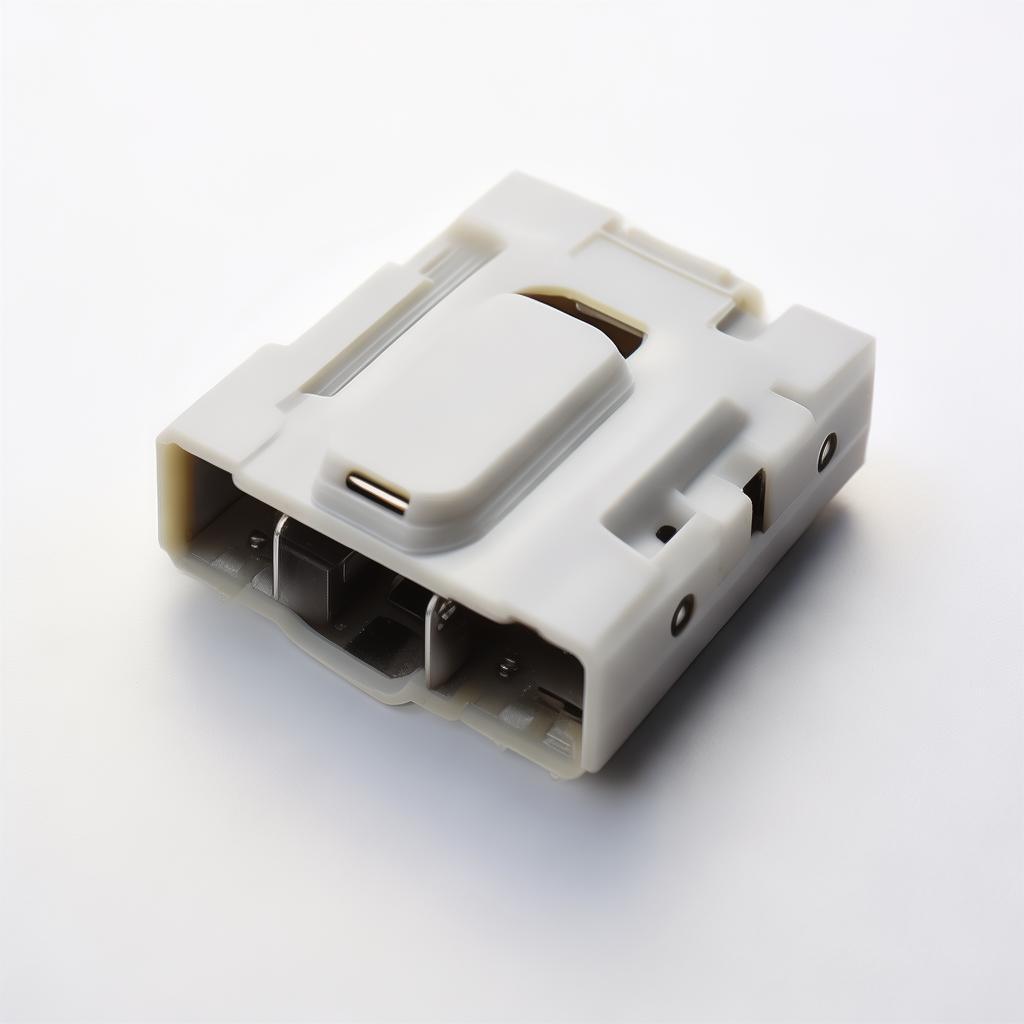
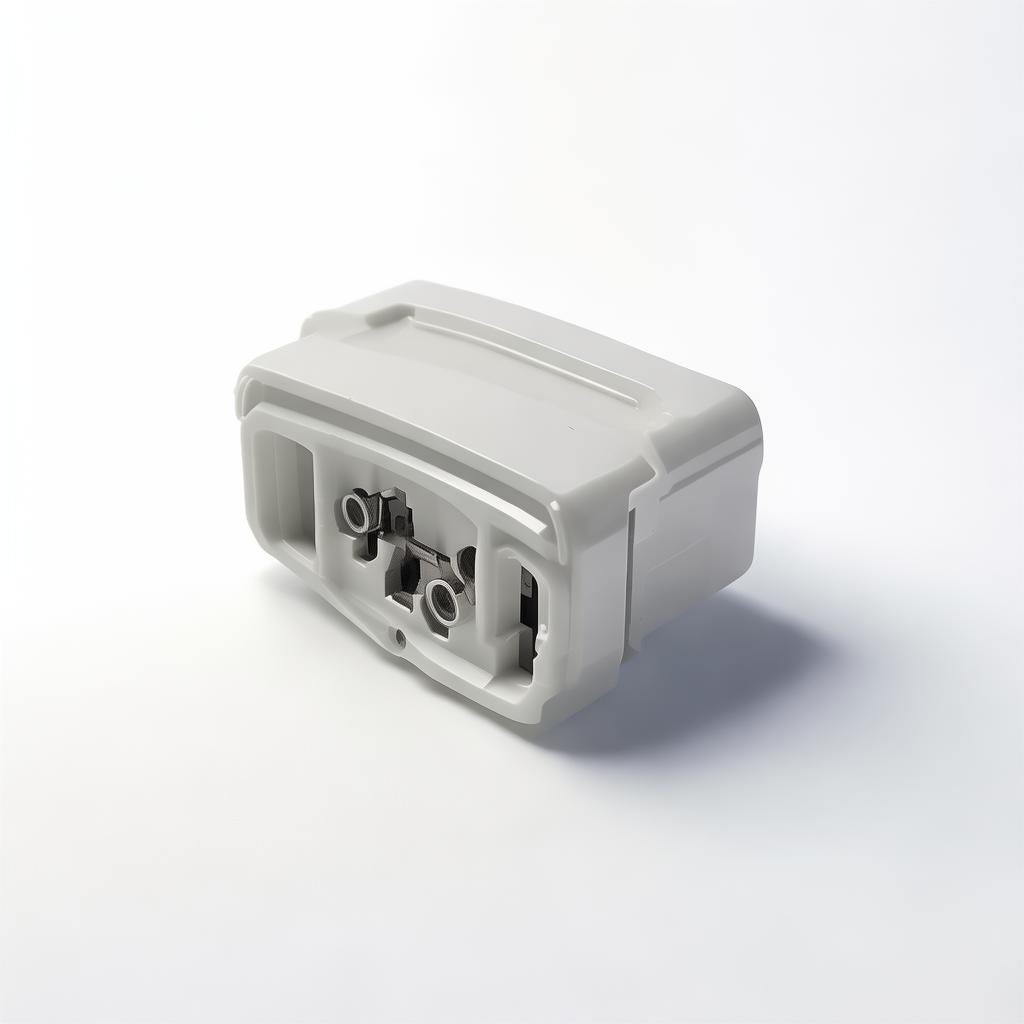
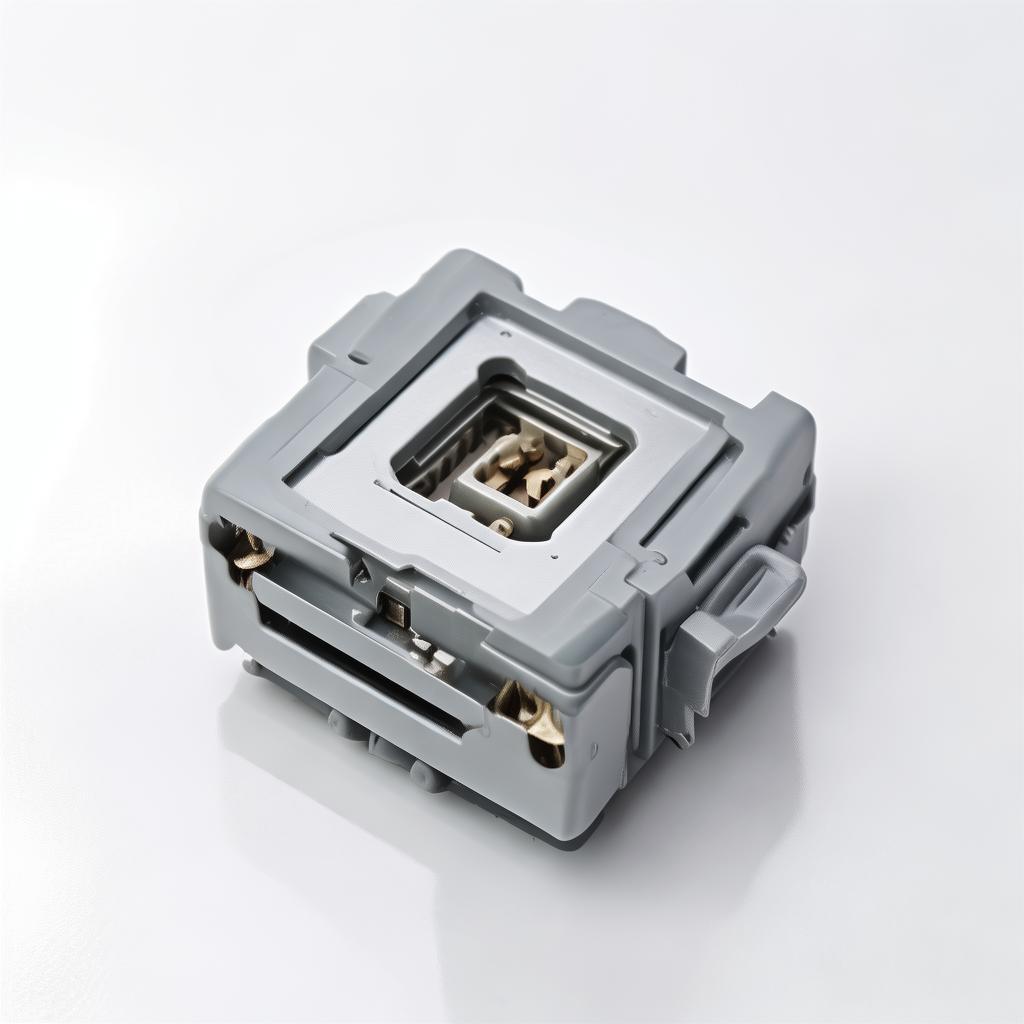
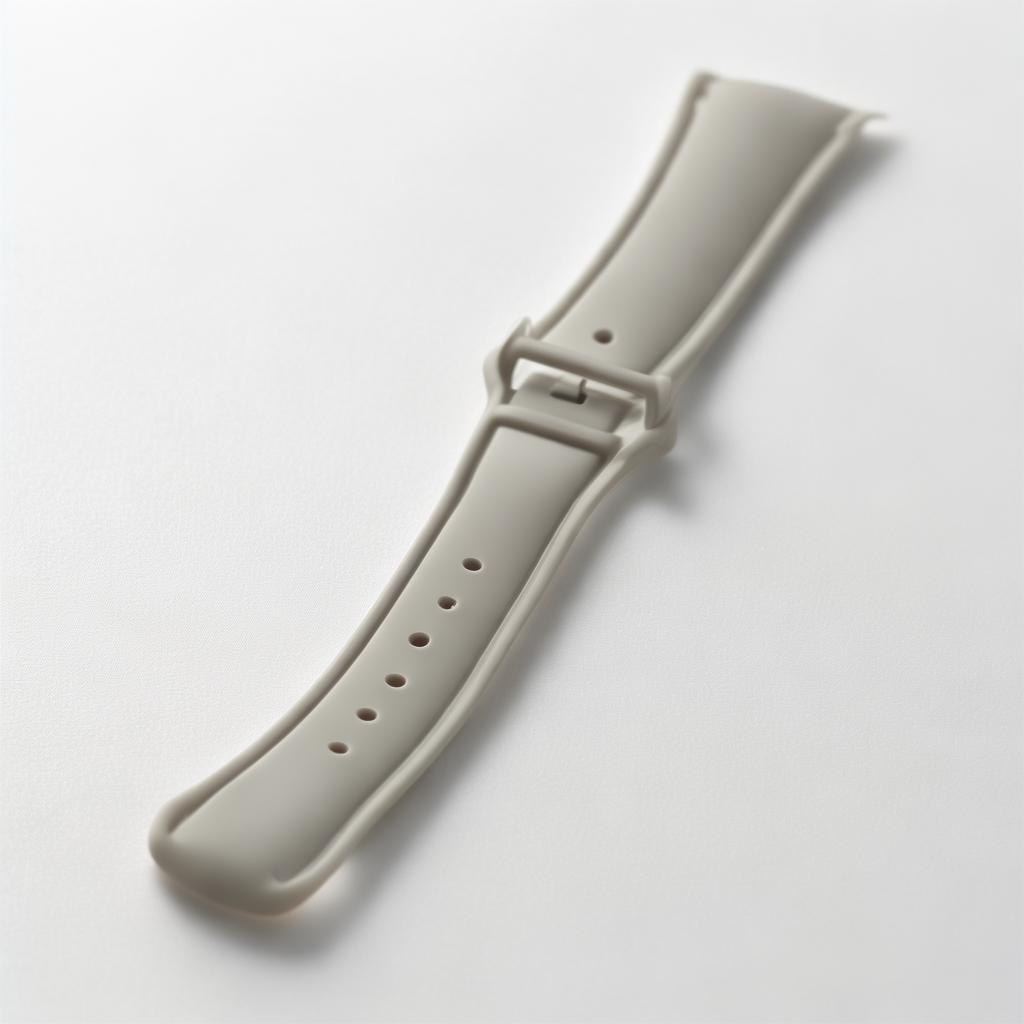
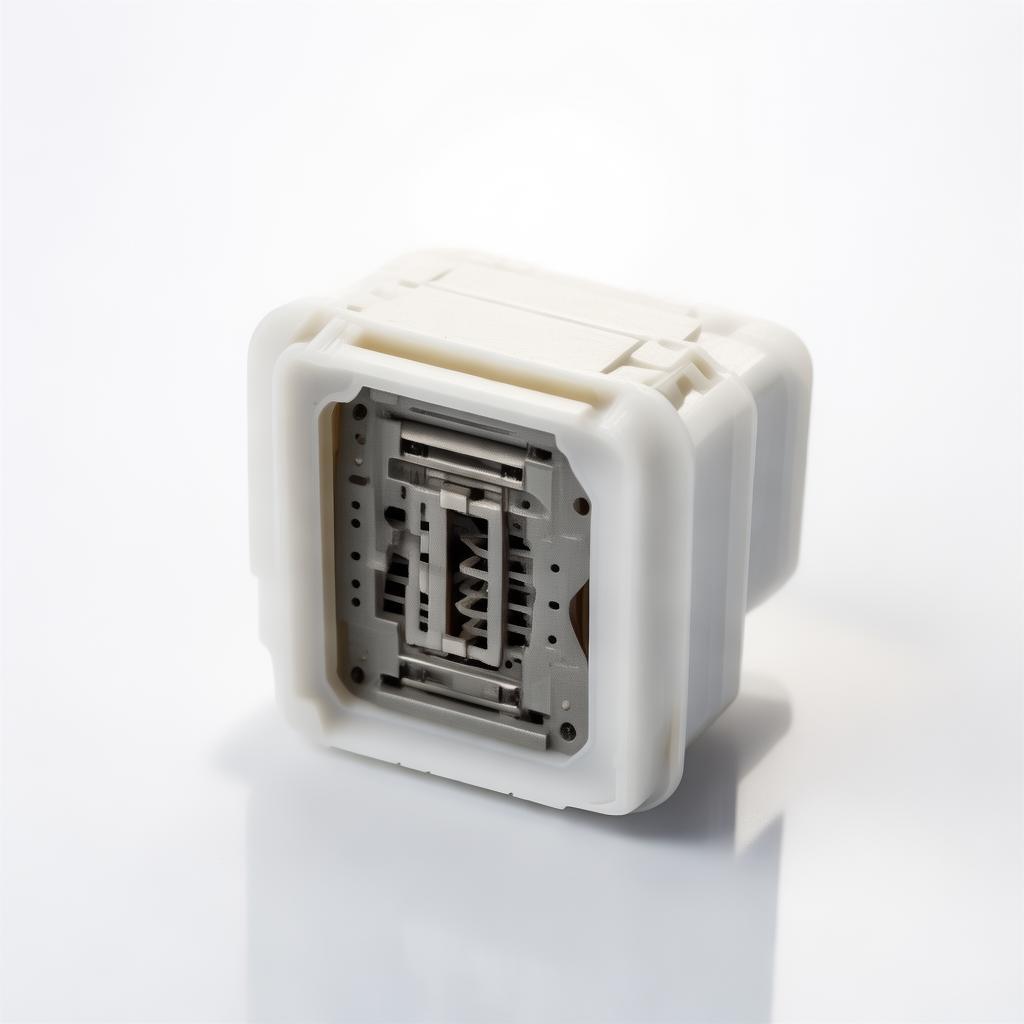
Precision LSR Molding Products in Medical and Automotive Fields
Procurement Guidance: How to Choose the Right OEM LSR Silicone Molding Exporter
Among buyers, common concerns hinge on quality assurance, delivery reliability, and technical support. Here are some practical tips collected from years advising international procurement teams:
Verify Material Certificates: Ask for detailed batch reports showing compliance with ISO 10993 (medical), RoHS, and any specialty standards your application requires.
Request Detailed Mold Flow & CAE Reports: Good OEMs provide digital proof of mold consistency and cycle simulations—critical for defect minimization (see MDPI 2023 paper on simulation accuracy).
Clarify Lead Times Clearly: Factor in mold development, prototype approval, and subsequent production runs. Lead times can exceed three months depending on complexity.
Assess Factory Scale & Machine Age: Large modern factories with CNC ground molds and temperature-controlled LSR injection presses reduce risk of dimensional instability.
Insist on Factory Acceptance Tests (FAT): Request production sample inspections, dimensional reports, and physical property tests before bulk shipments.
Discuss Logistics & Packaging: Avoid surprises by reviewing container loading optimization, cushioning materials, and customs documentation support offered.
Remember, cost is only one facet — an OEM with mediocre communication or subpar process control results in costly delays and part rejections. Invest in supplier relationships that offer transparency, technical advice, and adaptability to your product changes.
Frequently Asked Questions
Q1: What is the typical lead time for OEM LSR molding projects?
From initial mold design to first article approval, the delivery generally takes 8-12 weeks. Production cycles after mold approval are usually 10-20 days, depending on batch size and complexity.
Q2: Can you handle multi-component overmolding combining LSR and plastics?
Yes. Our factory integrates LSR with thermoplastics like ABS and PC using custom mold tooling and surface activation techniques, ensuring strong bonding and high durability.
Q3: What certifications do your LSR products carry?
We meet ISO 9001 quality management standards; our medical-grade LSR products comply with ISO 10993 biocompatibility and FDA requirements. RoHS and CE certifications are also available depending on client needs.
Q4: How do you assure product consistency for large volume orders?
Regular process checks, temperature-controlled molding, sampling at fixed intervals, and CAE simulation-guided process adjustments are standard. Detailed test reports accompany shipments.
Q5: What is your MOQ and can you provide samples?
MOQ depends on complexity but typically starts at 500 pieces per order. Sample production is available within 15 days, either paid or refundable with a confirmed order. Request a free sample to evaluate quality firsthand.
What Our Customers Say
"We switched to Yingtai’s OEM LSR molding after facing repeated defects with our prior supplier. Since then, consistent dimensional tolerances and on-time deliveries have significantly improved our product launch timelines. Their technical team helped solve bonding issues with ABS overmolding that were critical to our wearable device design."
— Laura M., Procurement Director, San Francisco, CA
Get in Touch
If you have any camping barbeque equipment inquiry, please feel free to contact us.