Guangdong Yingtai High Precision Technology Co., Ltd. — Your Trusted Partner in Liquid Silicone Rubber Injection Molding OEM Liquid Silicone Rubber (LSR) molding has steadily become the backbone of advanced manufacturing for industries demanding
Product Details
OEM LSR Silicone Molding: Precision Manufacturing for High-Performance Silicone Components
Guangdong Yingtai High Precision Technology Co., Ltd. — Your Trusted Partner in Liquid Silicone Rubber Injection Molding
Introduction to OEM LSR Silicone Molding
OEM Liquid Silicone Rubber (LSR) molding has steadily become the backbone of advanced manufacturing for industries demanding flexibility, precision, and durability. Guangdong Yingtai High Precision Technology Co., Ltd., located in Dongguan's Changan Town, serves as a prime example of industrial excellence with over 20 years dedicated to custom liquid silicone molding. Our comprehensive facilities span 35,000 m² of modern industrial park space, supporting everything from mold development to finished product assembly.
Why LSR? Its biocompatibility, heat and chemical resistance, and low compression set make it ideal for a wide range of applications including medical devices, automotive components, electronics, and consumer goods. Moreover, OEM manufacturing of LSR parts leverages precision injection molding that results in parts with exacting tolerances, complex geometries, and consistent surface finishes that are difficult to achieve via traditional methods.
Operating 55 liquid silicone molding machines alongside complementary injection molding resources, our factory's industrial intelligence comes from combining advanced equipment with a skilled workforce of over 500 specialists. This human-technical hybrid ensures adaptability for customers requiring both small batch prototyping and high-volume production runs.
Rising global demand has made OEM LSR molding a key factor for companies battling increasing competition. According to Grandview Research (2023), the global LSR market is valued at approximately USD 2.8 billion with robust growth projections fueled by innovations in molding technologies and increasing adoption in healthcare and automotive sectors. Asia-Pacific, particularly China, plays a leading role, offering cost-efficient yet high-quality manufacturing solutions benefiting importers and OEMs worldwide.
OEM buyers in the USA and other English-speaking markets typically face numerous challenges during procurement: sourcing suppliers fluent in technical specifications, ensuring consistent material quality compliant with ISO and FDA standards, and managing offshore production risks. Our integrated intelligent manufacturing system — from mold design, precision tooling, to final inspection — addresses these challenges directly, delivering reliability with traceable quality.
From an industrial engineer’s viewpoint, the complexities of the LSR injection molding process must not be underestimated. The curing kinetics, mold temperature control, and injection pressure directly influence part quality, dimensional stability, and production cycle times. Our factory regularly applies CAE simulation based on advanced rheological datasets (per MDPI Polymers study) to optimize parameters minimizing defects such as flash, short shot, and bubble formation.
Partnering with a supplier who understands these technical nuances and operates under rigorous quality and environmental certifications is vital to secure your long-term supply chain stability. Whether your project demands complex multi-component overmolding or rapid turnaround prototypes, our OEM LSR silicone molding services cater flexibly to those diverse needs while safeguarding your commercial and technical interests.
Industry Pain Points & Procurement Risks
Importers and purchasing managers often encounter production risks that jeopardize project timelines and cost targets. Here are some of the most common:
Inconsistent material properties: Variations in LSR viscosity or curing behavior can cause cycle delays and scrap rates.
Mold tool misalignment: Despite the high cost of tooling, poor maintenance or design errors lead to dimensional deviations.
Communication gaps: Language, time zone, and documentation barriers complicate process feedback loops between buyers and overseas factories.
Logistical bottlenecks: Container loading inefficiencies and shipping delays increase overall delivery lead time and cost.
Regulatory non-compliance: Suppliers failing to meet CE, FDA, or RoHS certifications risk shipment rejections and market access restrictions.
Recognizing these operational hurdles early allows procurement directors to strategically select partners with transparent production workflows, comprehensive quality control, and integrated logistics services. Our 20+ years on the front lines of OEM LSR silicone molding make us attuned to these pain points — and proactive in mitigating associated risks.
Technical Overview & Material Insight
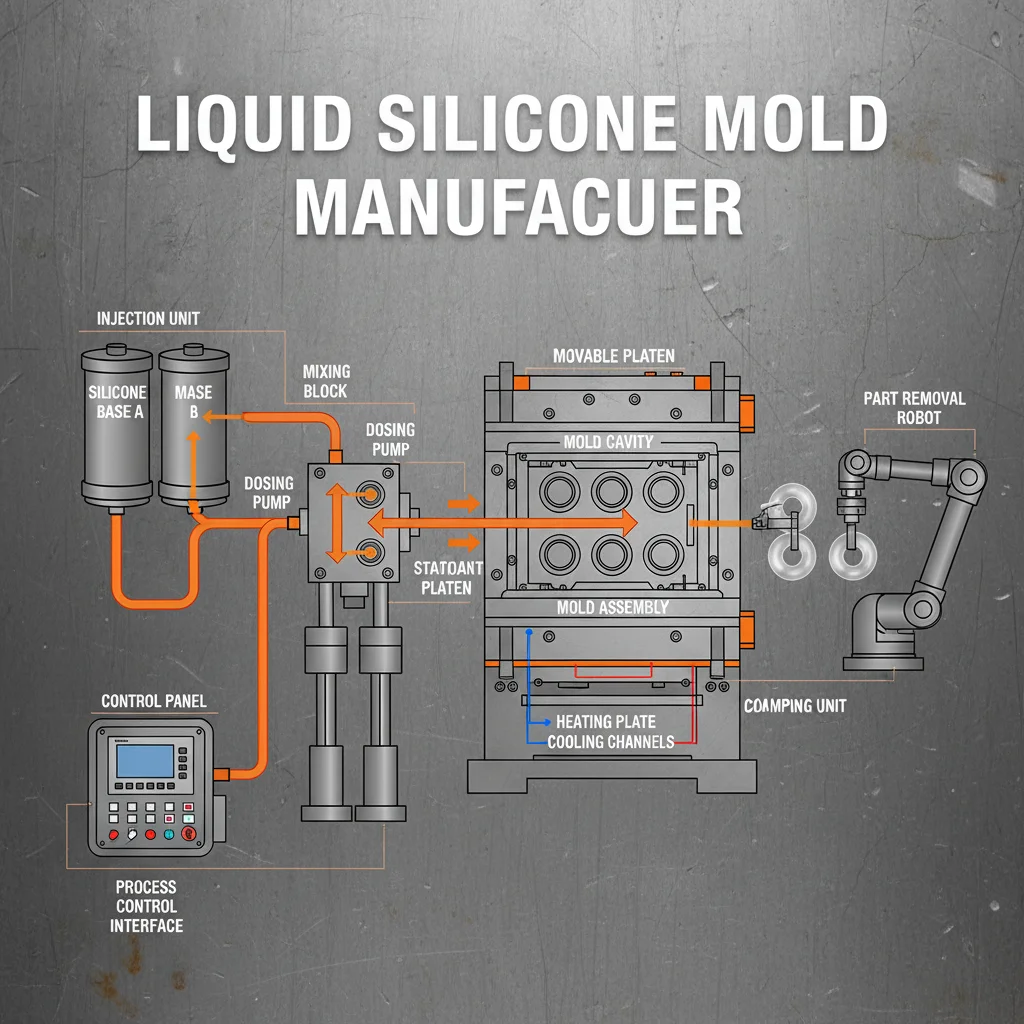
Liquid Silicone Rubber is a two-component, platinum-catalyzed elastomer, cured via a heat-activated polymerization that yields high purity, translucent to pigmented products with exceptional thermal stability and biocompatibility. Precise control over formulation and process variables is critical for achieving optimal performance.
The molding process involves injecting the liquid silicone into precision-engineered steel molds under carefully maintained temperatures and pressures. Our tooling adheres to strict tolerances, often below ±0.05 mm, to meet demanding device-grade and industrial specifications.
Compared with solid silicone rubber or thermoplastic elastomers, LSR offers superior resilience and chemical resistance. This explains its preference for high-end wearables and medical seals. A noteworthy process enhancement includes vacuum-assisted molding techniques to minimize air inclusion—a key enabler for soft robotics and optical-grade silicone parts (Springer Soft Robotics Paper).
Our material portfolio supports various specialized grades: biocompatible FDA & ISO 10993 certified silicone, food-grade compliant compounds, UV-resistant and flame-retardant options tailored for automotive or consumer electronics sectors.
Applications & Use Cases
The adaptability of OEM LSR silicone molding is evident across multiple high-demand sectors:
Medical Devices: Custom seals, respiratory masks, catheter components, surgical instrument grips, and biocompatible wearable sensors.
Automotive Industry: Flexible automotive seals, gaskets resistant to oil & fuel exposure, wiring harness connectors, and interior moldings with strict DIN & SAE specifications.
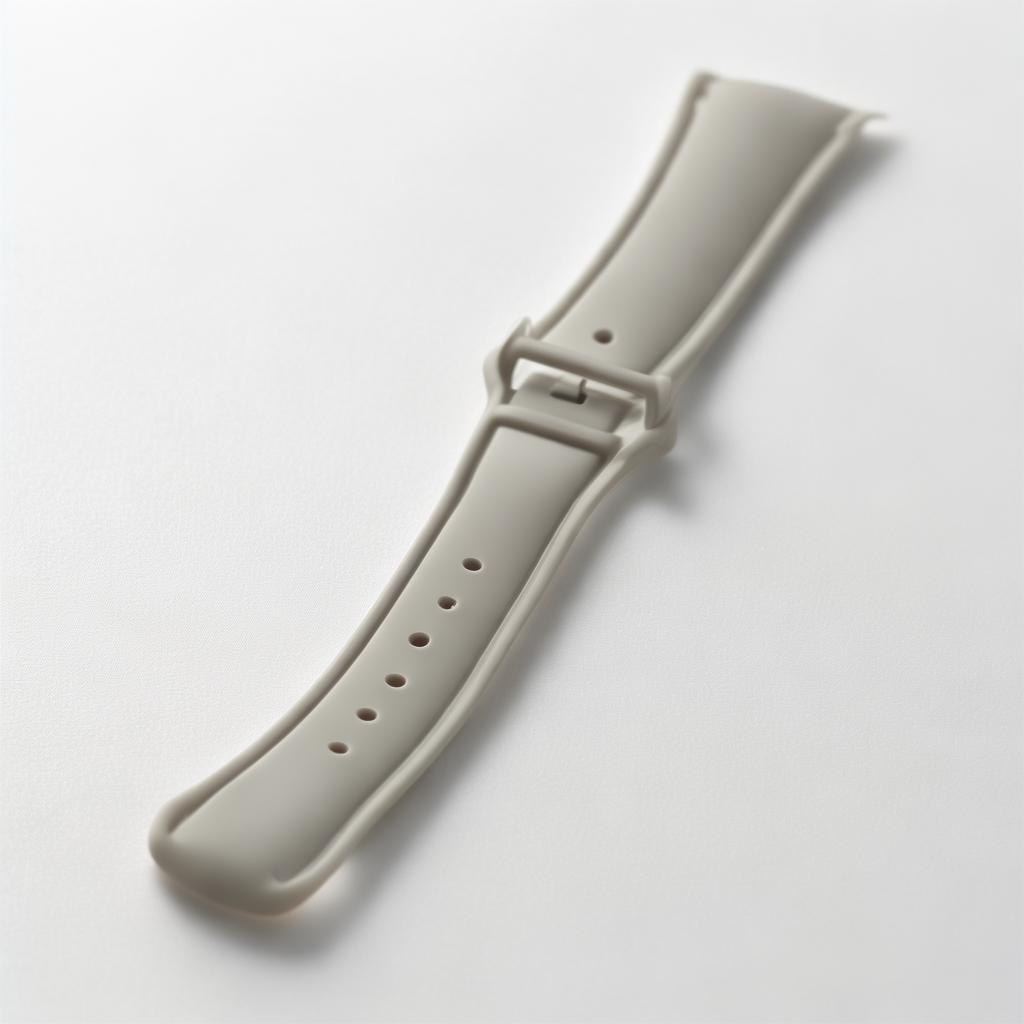
Consumer Electronics: Overmolded soft-touch buttons, waterproof seals for smartphones, wearable device straps with precise ergonomics.
New Energy Vehicles: Heat-resistant insulation components and waterproof seals for battery packs and electric motors.
For procurement teams, assessing suppliers capable of fulfilling complex multi-material assemblies or featuring combined injection molding (LSR + thermoplastics) can reduce assembly costs and improve product robustness. Our engineered solutions integrate overmolding and insert molding within proprietary workflows to streamline your supply chain.
Factory Capabilities & Certifications
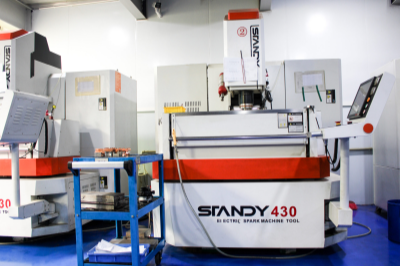
Yingtai's LSR Injection Molding Production Floor
Yingtai factory stands out in the OEM LSR landscape through:
Advanced Mold Processing: More than 30 precision tooling setups combined with electrical discharge machining for ultra-tight tolerance production.
Quality Control Infrastructure: Comprehensive testing including hardness measurement, tensile, elongation, and dimensional inspection aligned with ISO 9001 standards.
Certifications: ISO 9001:2015 Quality Management, CE compliance for European markets, RoHS conformity, FDA certification for food & medical-grade materials.
Digital Workflow: Integration of CAE simulation and AI-enhanced process parameter optimization yielding reduced trial-and-error and enhanced production stability.
(Referenced in studies like arXiv Explainable AI in Injection Molding)
Our commitment to continuous improvement underscores our suitability as a reliable OEM manufacturing partner. Export experience to NAFTA countries, EU, and Asia-Pacific complements our robust logistics, ensuring prompt delivery with optimized container loading and customs handling.
Frequently Asked Questions
What lead time should I expect on OEM LSR silicone molding orders?
Typical lead times range from 4 to 8 weeks depending on mold complexity and batch volume. Prototyping can sometimes be expedited within 15 to 20 days using rapid tooling methods.
How do you ensure material consistency across batches?
We source from certified silicone suppliers and maintain strict incoming quality inspection protocols. Materials are batch-tracked and compliance tested against standards such as ASTM D1418 and ISO 10993.
Can you handle multi-material overmolding combining LSR with plastics?
Yes. We provide MC-Injection Molding services integrating LSR and thermoplastics like ABS to produce hybrid parts with excellent adhesion and durability as supported by recent MDPI Polymers research.
Are your products compliant with FDA and CE regulations?
Our manufacturing meets FDA standards for medical-grade silicone and CE directives for electrical safety and environmental compliance, validated by external audits.
How do you manage shipping and logistics for international orders?
We provide comprehensive logistics support including optimized container loading, accurate customs documentation, and partner coordination to ensure timely delivery, minimizing inbound supply chain risks.
Customer Reviews
John Miller | Procurement Manager, MedTech Solutions, USA
"Yingtai’s OEM LSR molding has streamlined our supply chain and improved product quality. Their expertise in biocompatible materials and tight tolerance molding makes them a trusted partner for our medical devices. Lead times are predictable, and technical communication is clear — a rarity with overseas suppliers."
Get in Touch
If you have any camping barbeque equipment inquiry, please feel free to contact us.