Expertise from Guangdong Yingtai High Precision Technology Co., Ltd. — Your Trusted Partner in High-Quality Liquid Silicone Rubber Solutions Purchasing managers and technical engineers sourcing OEM LSR silicone frequently face hurdles that go beyond
Expertise from Guangdong Yingtai High Precision Technology Co., Ltd. — Your Trusted Partner in High-Quality Liquid Silicone Rubber Solutions
Industry Pain Points & Market Dynamics
Purchasing managers and technical engineers sourcing OEM LSR silicone frequently face hurdles that go beyond simple material specification. Variability in batch consistency, challenges in complex mold design, and long lead times often stall production schedules. Meanwhile, rising demand across medical, automotive, and electronics sectors puts additional strain on manufacturers to deliver flawless precision parts under tight turnaround. Ambiguous certifications and opaque supplier processes can also inject risk into procurement and project delivery.
Statistics from recent market analyses reveal the offset nature of these challenges. The global LSR market is slated to reach over USD 4.9 billion by 2030, driven mostly by biocompatible and heat-resistant applications. However, the journey from raw silicone to finished product requires mastery in tooling, injection molding parameters, and quality assurance — factors that often don’t get enough attention early in supply chain planning.
Procurers risk costly delays or technical failures by working with suppliers lacking advanced capabilities like multi-component molding or low-temperature cure process control. Faulty material batches or poorly designed molds can cause dimensional instability, flash defects, or insufficient bonding to overmolded substrates — hiccups that ripple downstream and compromise project timelines or regulatory approvals.
Additionally, logistics and container loading complexities specific to LSR molded parts, often sensitive to deformation or environmental contamination, need tactful handling during cross-border shipping. Efficient packaging and consolidated shipments can save both time and freight costs but require coordination with a supplier fluent in international trade nuances.
Understanding these pain points is critical. It equips buyers — particularly importers and operations managers — to ask the right questions and make decisions that reduce risks while improving product quality and supply reliability.
Technical Deep Dive into LSR Injection Molding
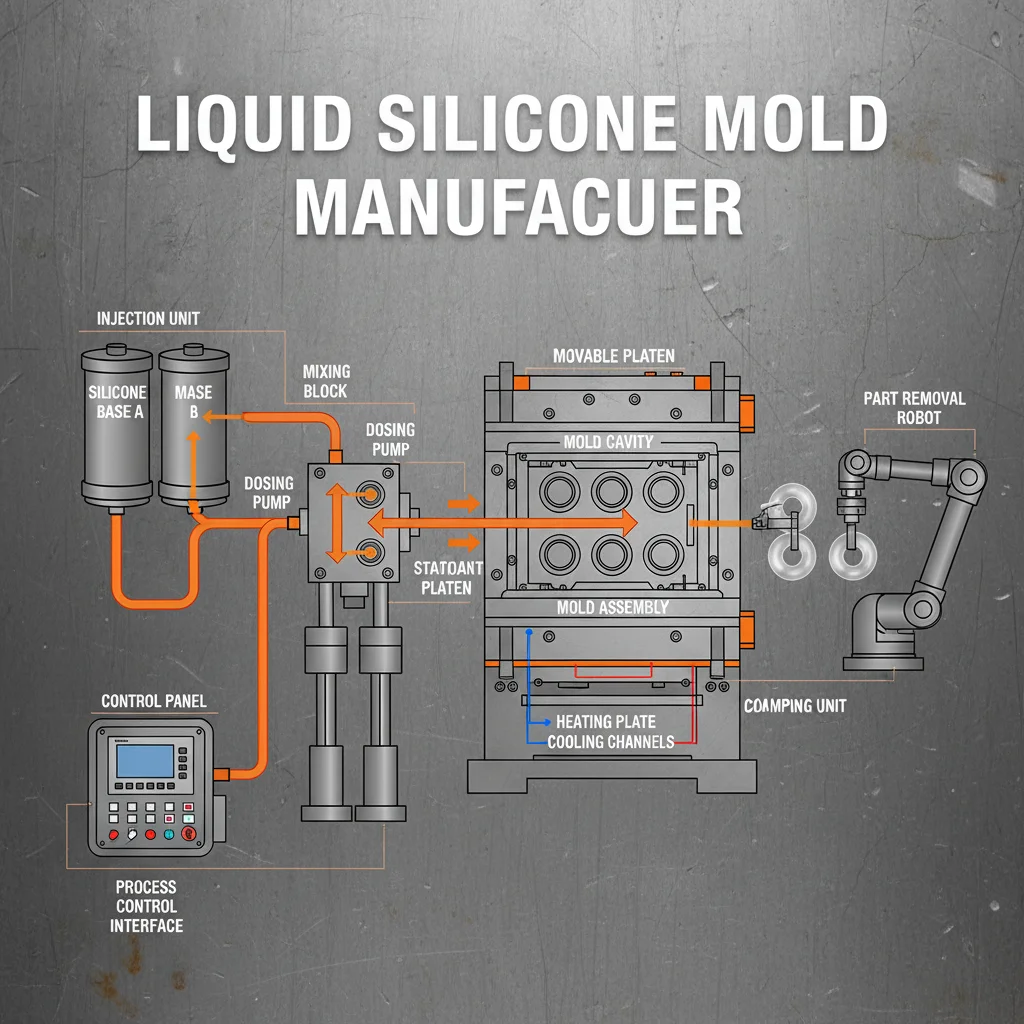
Liquid Silicone Rubber (LSR) is a two-part platinum-cure elastomer known for exceptional thermal stability, chemical resistance, and dimensional flexibility — qualities that make it a preferred choice for OEM components requiring precision and durability.
An effective LSR molding process hinges on several key variables:
Material Rheology and Curing Kinetics: Advanced simulation studies underscore that accurate material characterization directly impacts cycle times and product consistency. Improper rheological data lead to defects such as incomplete curing or dimensional warpage. Our factory utilizes CAE-proven material datasets aligned with best practices highlighted in MDPI research to refine process accuracy.
Mold Design & Ventilation: Specialized insert tooling with precise cavity balancing reduces flash defects by preventing trapped air and ensuring even material distribution. Techniques like electrical discharge dressing applied at Guangdong Yingtai optimize the sealing without compromising venting, echoing recommendations by Fraunhofer’s process chain innovations.
Injection Parameters: Critical temperature and pressure controls enable melt flow optimization and bonding strength, important for overmolded parts involving thermoplastics such as ABS. Multi-shot mold technology benefits from low-temperature cure LSR formulations minimizing cycle times and thermal stress.
Automation and Quality Control: Leveraging AI-driven monitoring systems and statistical process control minimizes deviations; technologies parallel to recent explainable AI frameworks are progressively integrated to reduce scrap and enhance yield.
OEM LSR silicone is extensively employed across industries that demand high fidelity elastomer components. Our production experience spans:
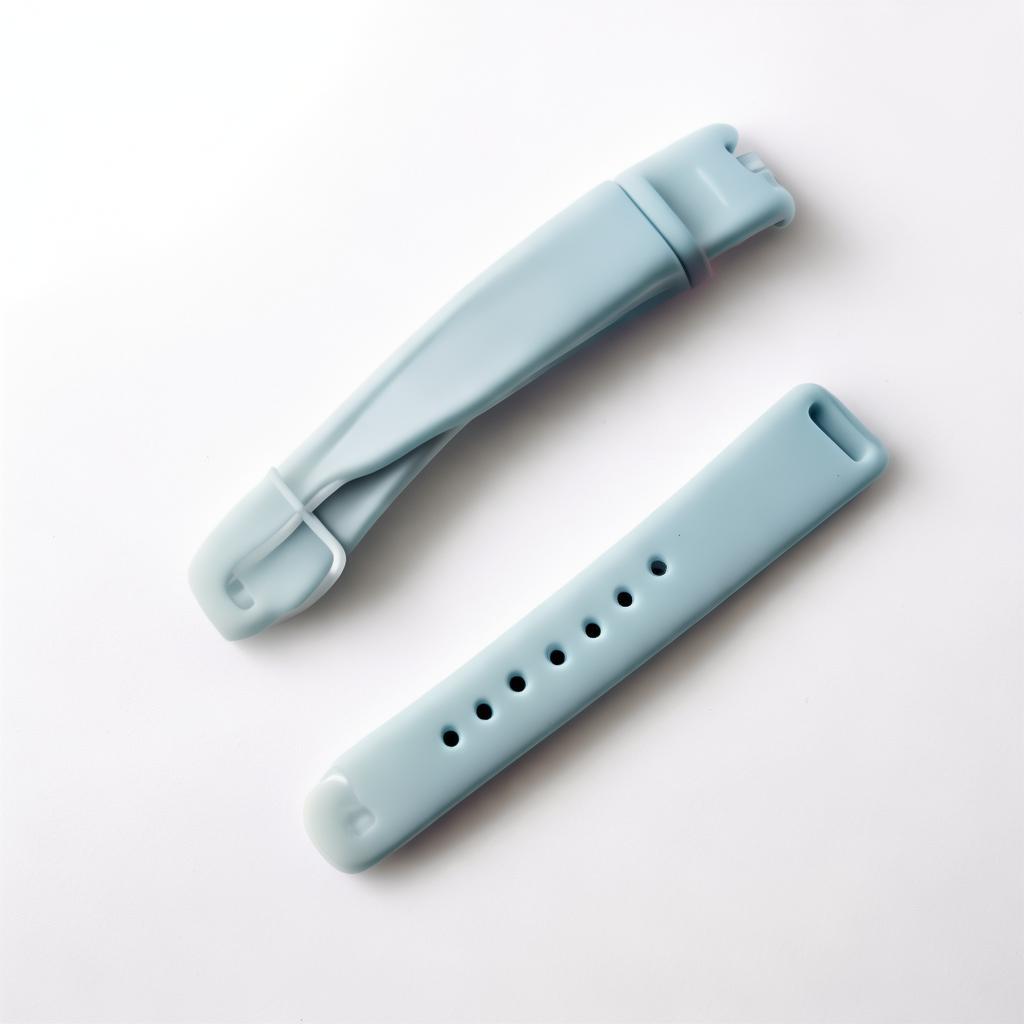
Medical Device Manufacturing: Biocompatible grades for seals, gaskets, and tubing in diagnostic apparatus and wearable health monitors.
Automotive Components: Sealing systems, vibration mounts, and new energy vehicle parts benefiting from heat resistance and chemical stability.
Consumer Electronics: Keypads, soft-touch buttons, and overmolded connectors requiring durable and aesthetic finishes.
Industrial Appliances: Waterproof seals for smart home electronics, industrial machinery, and communication devices.
Baby & Household Items: Non-toxic materials for feeding bottle parts, teat valves, and flexible accessories.
Emerging applications include soft robotics actuators and microfluidic devices, where precise molding and controlled elasticity are imperative, echoing industry-leading research from Nature Scientific Reports. This trend aligns with the forecasted growth trajectories in multiple sectors utilizing high-performance silicone parts for both safety and design innovation.
Procurement Guide for OEM Liquid Silicone Rubber
Effective procurement of OEM LSR silicone parts demands a strong grasp of both material science and supply chain complexity. Keep these operational insights in mind:
Verify Material Certification & Compliance: Always confirm ISO 10993 for biocompatibility in medical parts, ROHS for electronics, and FDA approvals where applicable.
Assess Supplier Production Capability: Gauge if the manufacturer operates dedicated LSR molding lines with integrated quality controls like cavity pressure sensors and optical inspections.
Request Technical Samples Early: Small lot samples can reveal molding accuracy, surface finish, and durability — don’t skip in-person or remote physical assessments.
Consider Tooling Lead Time & Reusability: Understand the cost and lifecycle of mold tooling. Modular tool design can cut expenses for varying part versions.
Logistics & Packaging: Cooling of LSR sections post-mold must be carefully timed to prevent deformation. Partner with suppliers who optimize container loading and packaging for overseas transport to minimize damage risk.
Factor in Communication & After-Sales Support: Regular technical feedback loops between customer engineering and manufacturing are invaluable. Transparent follow-up on inspection reports and non-conformance is a sign of a trusted OEM partner.
Strategic sourcing aligned with these benchmarks substantially reduces failure rates and optimizes procurement ROI over product lifecycle.
Factory Strength & Quality Certifications
Guangdong Yingtai High Precision Technology Co., Ltd. stands among the Chinese manufacturing elite specializing in liquid silicone rubber OEM solutions. Based in Dongguan, our 35,000 m² modern industrial park boasts:
80 automated plastic injection machines servicing complex overmolded hybrid parts
More than 30 sets of advanced precision mold processing tools plus 20 hydraulic presses for solid silicone work
Intellectual manufacturing systems linking mold design through to finished product QA
A dedicated workforce of 500+ skilled technicians, engineers, and quality inspectors
Our accredited certifications include:
ISO 9001 Quality Management
CE Marking for European market compliance
FDA-compliant medical-grade LSR grades
As a one-stop OEM/ODM partner, our expertise covers mold design consultation, technical feasibility studies, pilot sampling, and volume production with steady traceability and process stability.
Buyer FAQs & Technical Insights
Q1: What distinguishes LSR injection molding from solid silicone molding?
LSR utilizes a liquid two-component system cured rapidly in molds, enabling intricate thin-walled parts with tight tolerances and excellent surface texture. Solid silicone generally requires compression molding, better suited for simpler geometries but with longer cycle times.
Q2: How do I ensure my design is suited for LSR overmolding?
Early design reviews by experienced mold engineers help identify appropriate gating, demolding angles, and material interface compatibility. Effective venting and flow channeling prevent defects. Providing 3D CAD files with critical tolerances accelerates this process.
Q3: Are your LSR materials food or medical grade?
Yes, we supply FDA and ISO 10993 certified compounds suitable for food contact and implantable medical devices. Please specify requirements when inquiring.
Q4: What is typical lead time for tooling and production?
Tooling lead time averages 30-45 days depending on complexity; production runs follow with standard delivery times of 2-4 weeks post-approval. Expedited options may be available upon request.
Q5: How do you handle packaging and logistics for fragile LSR parts?
We design custom packaging, including vacuum-sealed and anti-static options, to protect parts during transit. Our shipping department coordinates container loading and freight consolidation optimized for importers' requirements.
Q6: Can you provide OEM/ODM customization?
Absolutely. We partner with clients to develop custom silicone compounds, unique part geometries, and value-added assemblies tailored to application-specific needs.
Client Testimonials & Real-World Feedback
Michael ThompsonProcurement Manager, MedEquip USA
"Yingtai’s precision LSR parts met our exacting medical-grade requirements with consistent quality batch after batch. The responsiveness and technical support during mold development saved us weeks in project timelines. Highly trustworthy supplier for scalable silicone solutions."
Get in Touch
If you have any camping barbeque equipment inquiry, please feel free to contact us.



 ISO 9001 Quality Management
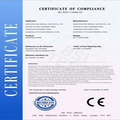 CE Marking for European market compliance
 FDA-compliant medical-grade LSR grades
 Michael ThompsonProcurement Manager, MedEquip USA