Understanding OEM PPE Injection Molding
Manufacturing personal protective equipment (PPE) via injection molding demands not only precision but also an intimate grasp of materials, tooling, and production workflows. For original equipment manufacturers (OEMs) engaged in PPE, scaling production while ensuring compliance with rigorous standards presents a daily challenge. Guangdong Yingtai High Precision Technology Co., Ltd. offers seasoned expertise with over two decades of dedicated focus on industrial injection molding—specializing in liquid silicone and plastic PPE components engineered for durability, compliance, and excellent fit.
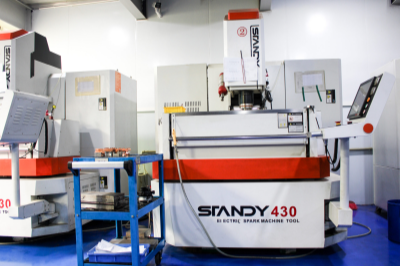
Injection molding for PPE isn't merely about tool-and-die; it involves navigating complex operational parameters, from material selection such as medical-grade Liquid Silicone Rubber (LSR) to optimizing cycle times and ensuring dimensional consistency to meet ISO, CE, and FDA standards. Our facility in Dongguan City runs an advanced, intellectual manufacturing system that covers the entire chain—from mold development to finished product assembly, helping global importers and procurement managers avoid costly production cycles or supply delays.
The PPE injection molding market continues to expand driven by ongoing global health awareness and strict regulatory environments. Industry reports forecast the LSR injection molding market to grow beyond $7 billion by 2030, emphasizing precision molded silicone components like respirator seals, face shield frames, and medical gloves as critical product categories (see Grand View Research, Market.us, Fortune Business Insights data). This surge reinforces the need for reliable manufacturing partners who combine technical mastery and seamless OEM/ODM cooperation.
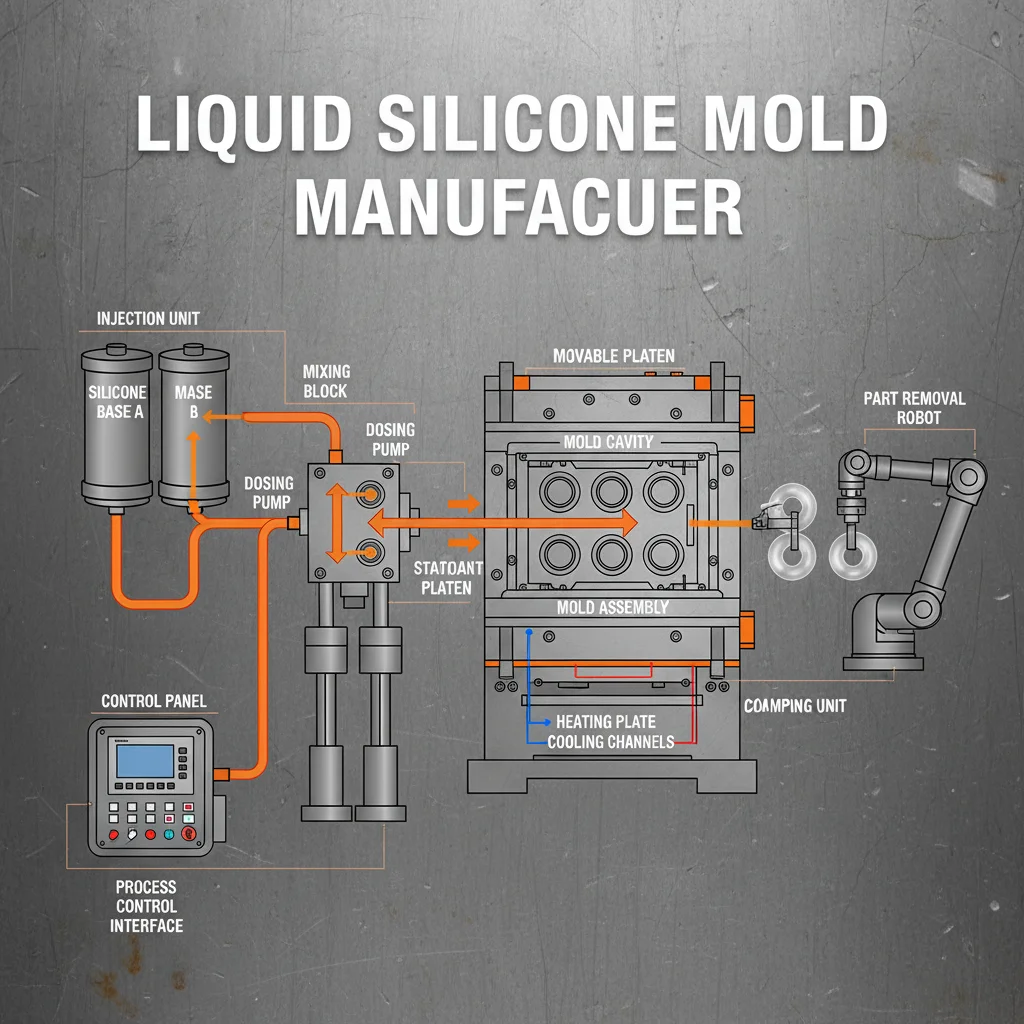
Our 55 liquid silicone molding machines and 80 automatic plastic injection systems are geared for high-mix, medium to large batch orders, meeting operational expectations for prompt delivery without compromising quality. We understand the buyer’s dilemma—balancing lead time, tooling costs, and compliance checks—while dealing with cross-border logistics complexities. Particularly with PPE products where safety and user comfort are inseparable, our production team applies extensive process control and material traceability to minimize failure rates and speed up market entry.
Integrating advanced mold tooling shaped by CAE simulation data, careful rheological material characterizations (as highlighted in MDPI research) along with precision injection practices, ensures that production waste is kept minimal and consistency maximized—two pillars essential to supply chain reliability and cost control in today's global market.
Technical Insights into PPE Injection Molding
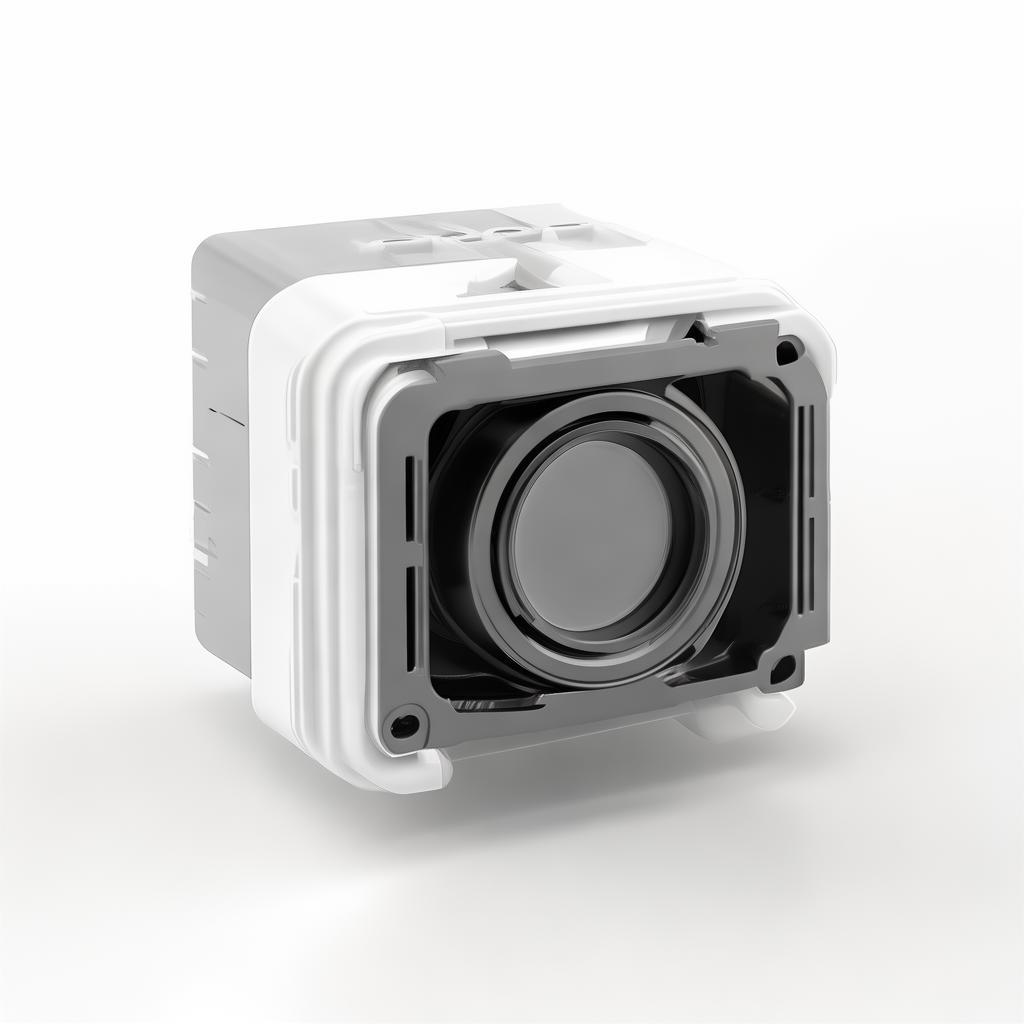
Injection molding PPE products like respirator valves, silicone face seals, and protective eyewear requires precise control over multiple variables:
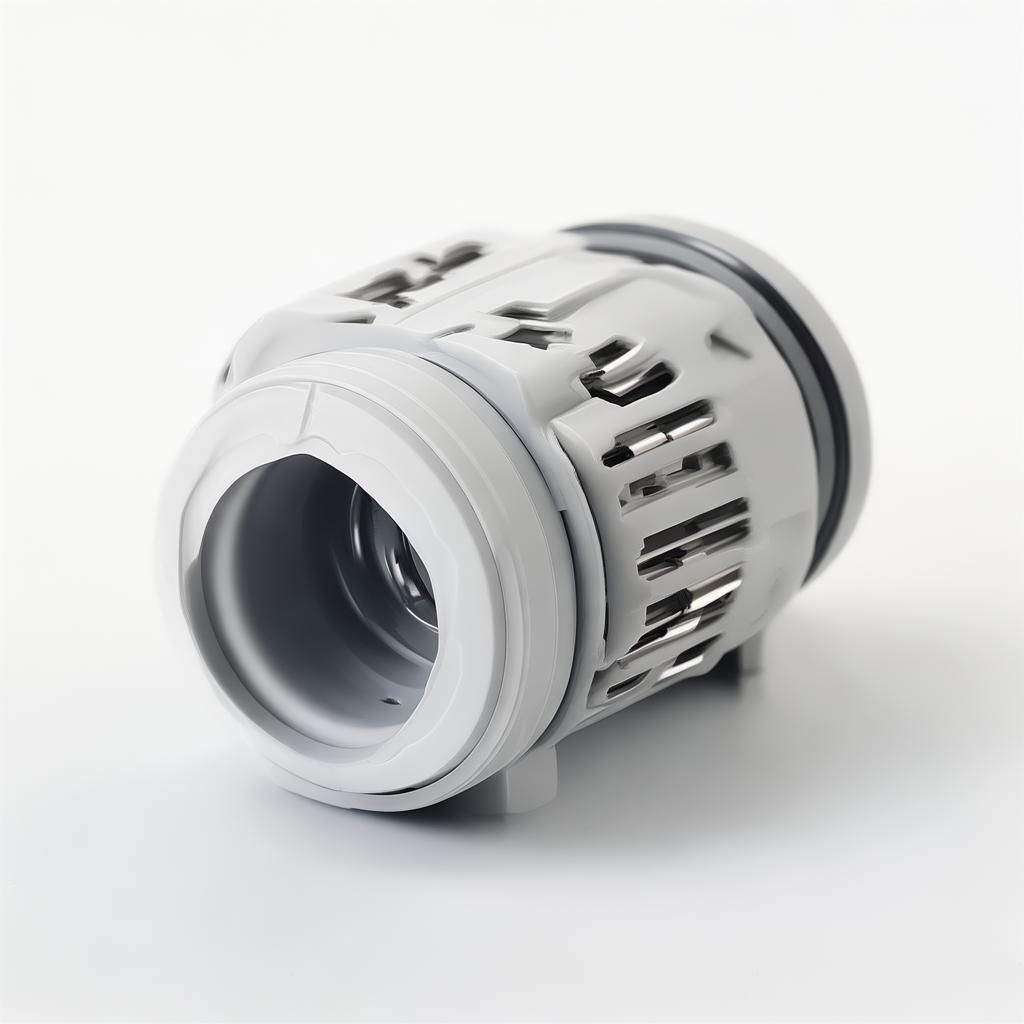
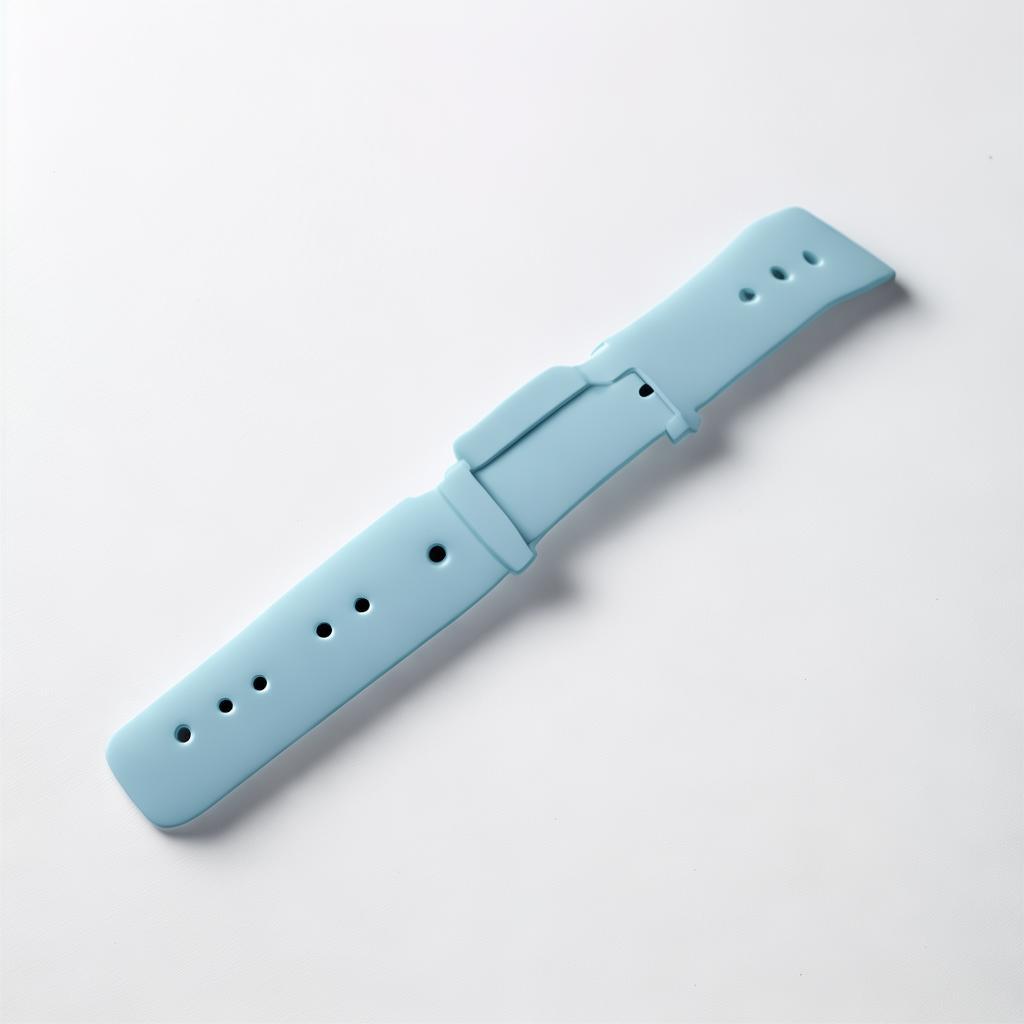
- Material Selection: Liquid Silicone Rubber (LSR) dominates due to its excellent temperature resistance (-60°C to 200°C), chemical inertness, and biocompatibility. These properties are pivotal for PPE exposed to disinfectants and variable climates.
- Tooling Technology: Cold runner vs. hot runner injection molds significantly impact cycle time and material waste. Yingtai invests in hybrid tooling systems with precision venting to prevent defects like flash and bubbles.
- Process Parameters: Injection pressure, mold temperature, curing times, and cycle intervals must be optimized through real-time monitoring systems, reducing typical dimensional discrepancies and improving cosmetic surface finish.
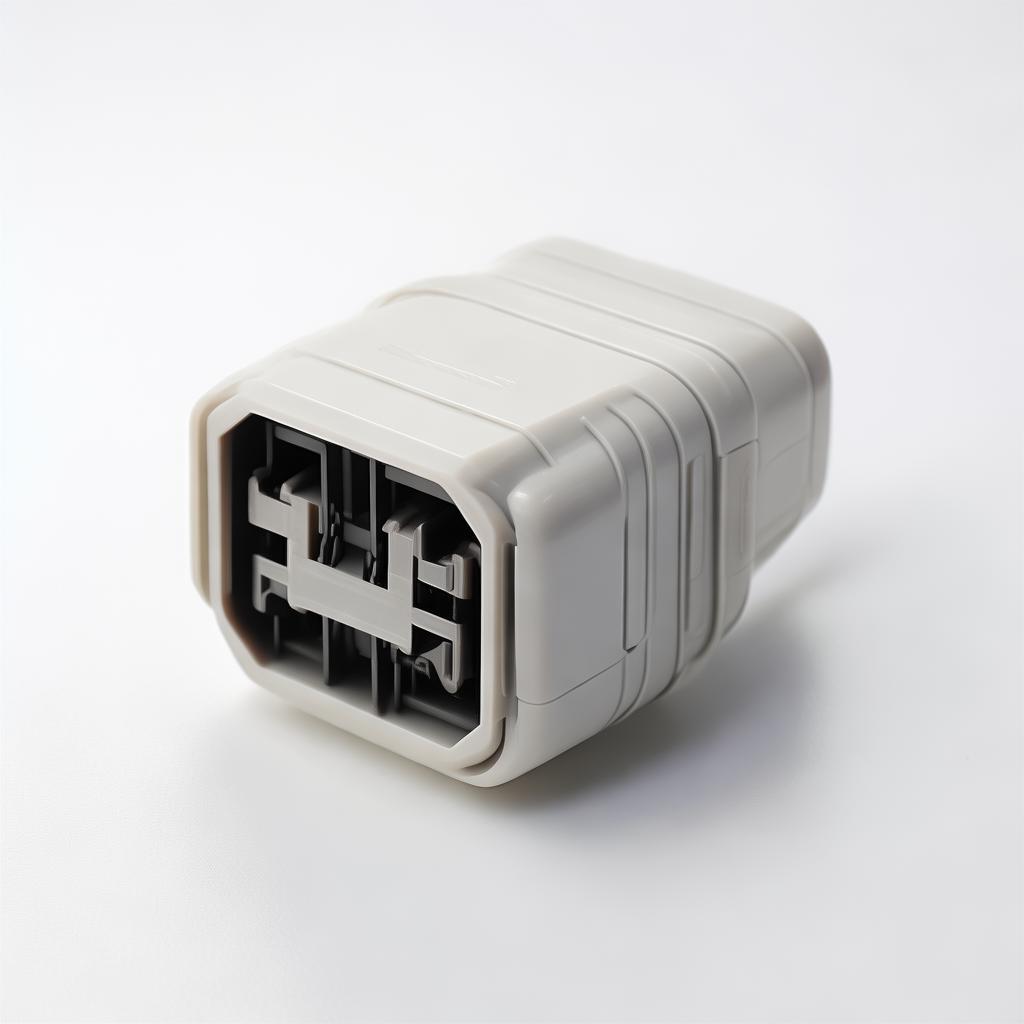
- Multi-component Molding: Our facility supports multi-shot injection molding combining LSR with thermoplastics like ABS to produce integrated PPE components—critical for devices requiring rigid frames with soft sealing surfaces as discussed in MDPI Polymers study.
- Testing & Validation: Finished products undergo accelerated aging, chemical resistance, and tensile strength tests aligned with ASTM and EN standards, verifying the robustness necessary for critical PPE applications.
A snapshot of key technical specs from our LSR PPE injection molding production appears below:
| Specification |
Details |
| Material Grade |
Medical-grade Liquid Silicone Rubber (FDA, ISO 10993 compliant) |
| Mold Type |
Hot runner multi-cavity injection molds, customized venting system |
| Molding Cycle |
30–45 seconds/cycle depending on product complexity |
| Tolerance |
±0.1mm for critical sealing surfaces |
| Post-Molding Treatment |
Vulcanization heat cure; surface finish polishing on demand |
| Certifications |
CE, ISO 9001, ISO 13485, FDA registered materials |
OEM ppe injection molding OEM injection molding Product OEM injection molding
Procurement Guide for OEM PPE Injection Molding
Procuring injection molded PPE parts requires balancing technical, operational, and commercial considerations. Here’s a practical checklist for purchasing managers and procurement directors:
- Material Certification: Verify FDA, CE, and ISO documentation for all materials used, including LSR grades compliant with biocompatibility standards. Ask for batch traceability.
- Prototype & Sample Evaluation: Request samples for fit, finish, and regulatory conformity early. Confirm tooling accuracy with 3D scanning reports.
- Lead Time Transparency: Seek manufacturers who provide realistic tooling development and production timelines, including contingency plans for delays.
- OEM/ODM Experience: Prefer partners with proven OEM workflows and references in PPE or medical devices. This reduces onboarding friction and product risk.
- Logistics & Customs Support: Ensure supply chain integration includes container loading optimization and export documentation support to minimize border clearance hiccups.
- Maintenance & Support: Clarify warranty terms, retooling costs, and after-sales technical assistance, which can be critical for long lifespan PPE products.
Note: Mold tool design should not be an afterthought. Early collaboration between design and manufacturing teams reduces costly modifications downstream, and advanced CAE simulations can predict molding defects to refine tool geometry before production begins (source).