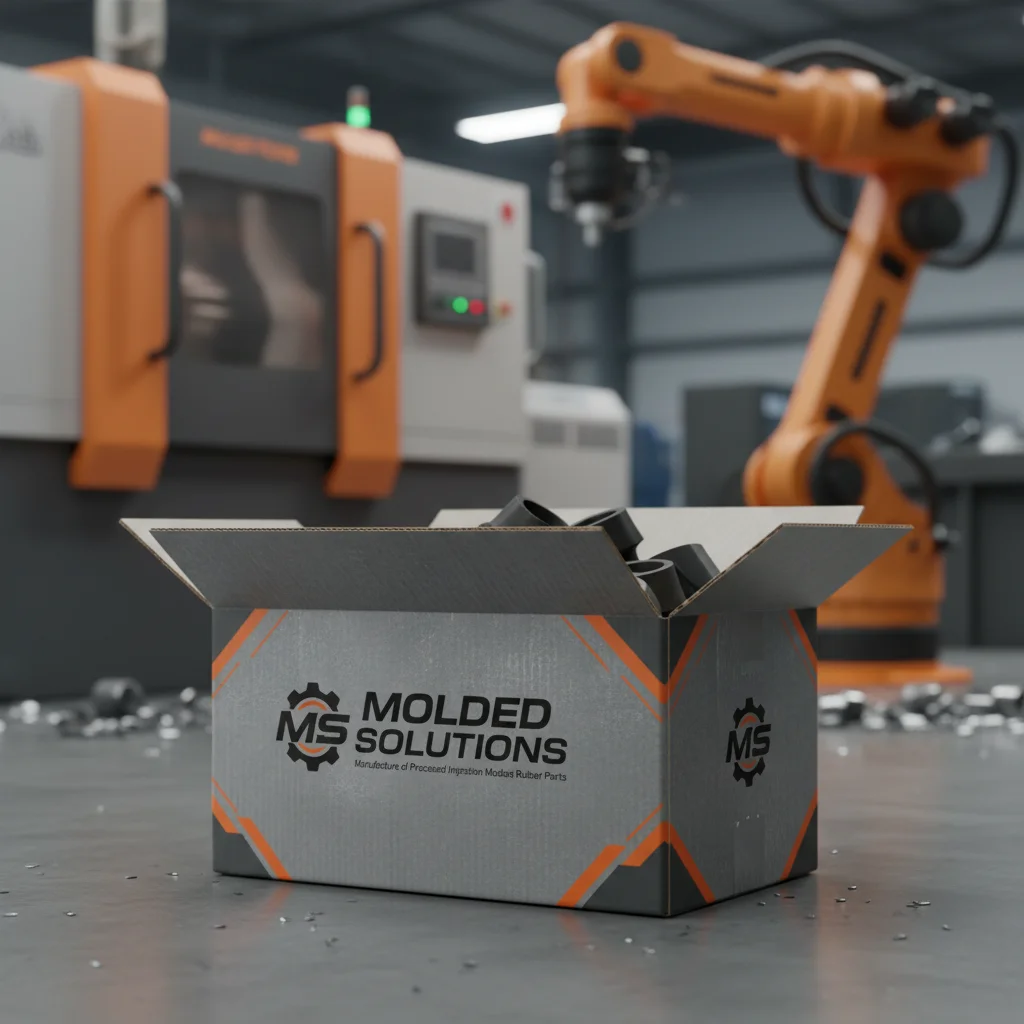
Oem Pvc Injection Molding Factory
Guangdong Yingtai High Precision Technology Co., Ltd. | Your Trusted PVC Injection Molding OEM Supplier from Dongguan, China OEM PVC injection molding factories play an increasingly critical role in supplying high-quality plastic components across

Product Details

OEM PVC Injection Molding Factory – Precision Manufacturing Partner for Global Procurement

Guangdong Yingtai High Precision Technology Co., Ltd. | Your Trusted PVC Injection Molding OEM Supplier from Dongguan, China

Understanding OEM PVC Injection Molding in Modern Manufacturing

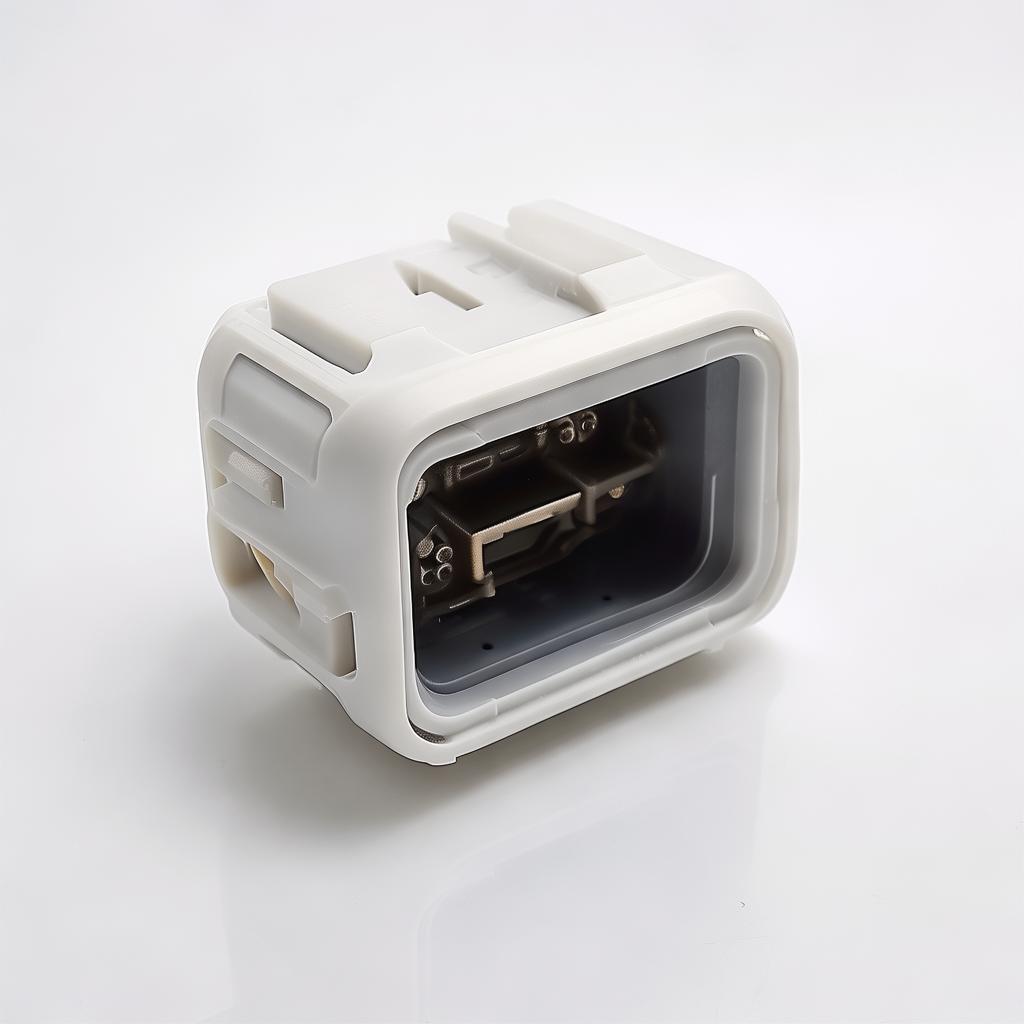
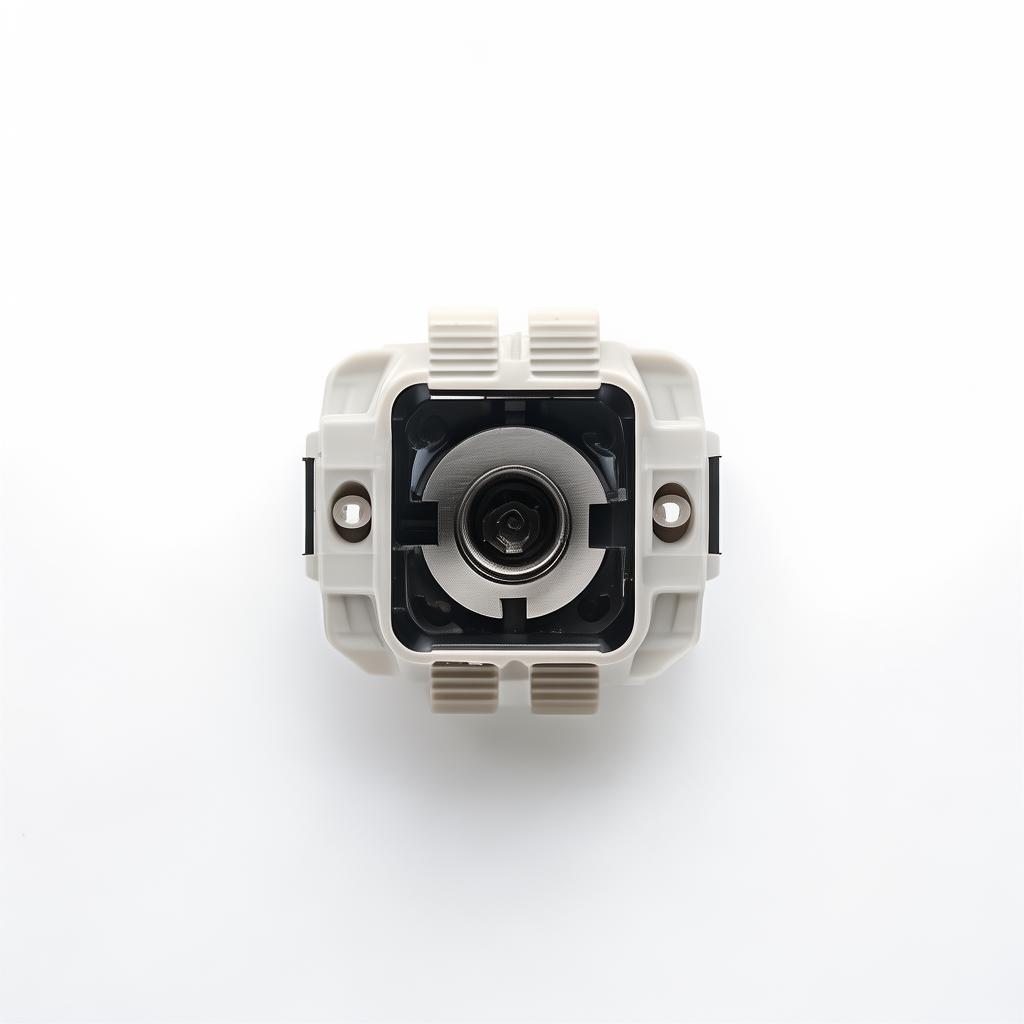
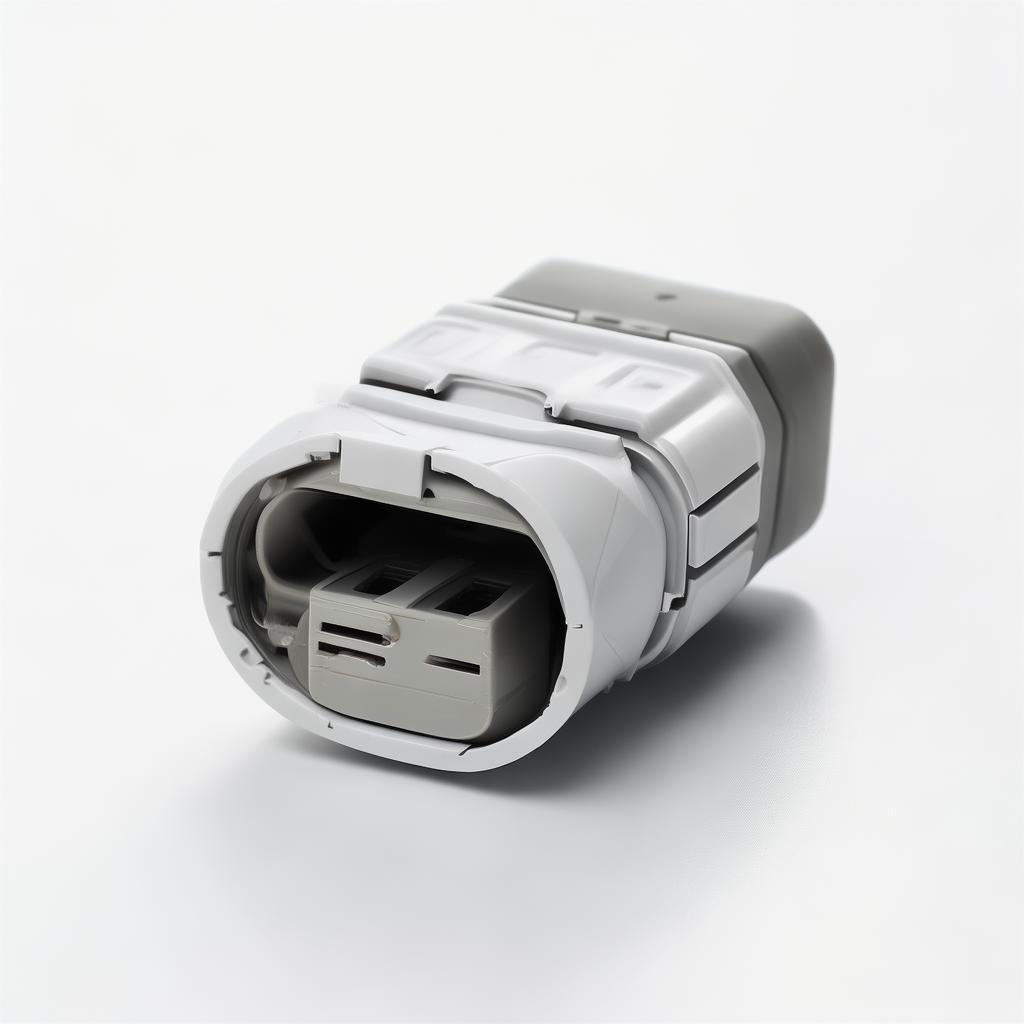
OEM PVC injection molding factories play an increasingly critical role in supplying high-quality plastic components across a wide array of industries—from automotive and consumer electronics to household appliances and medical devices. The process involves injecting molten polyvinyl chloride (PVC) into precision molds to create intricate parts with consistency and durability at scale. While suppliers abound worldwide, choosing an experienced OEM manufacturer with comprehensive technical capabilities and a robust quality system can be a game changer for procurement professionals and operations managers seeking to mitigate risks and optimize costs.

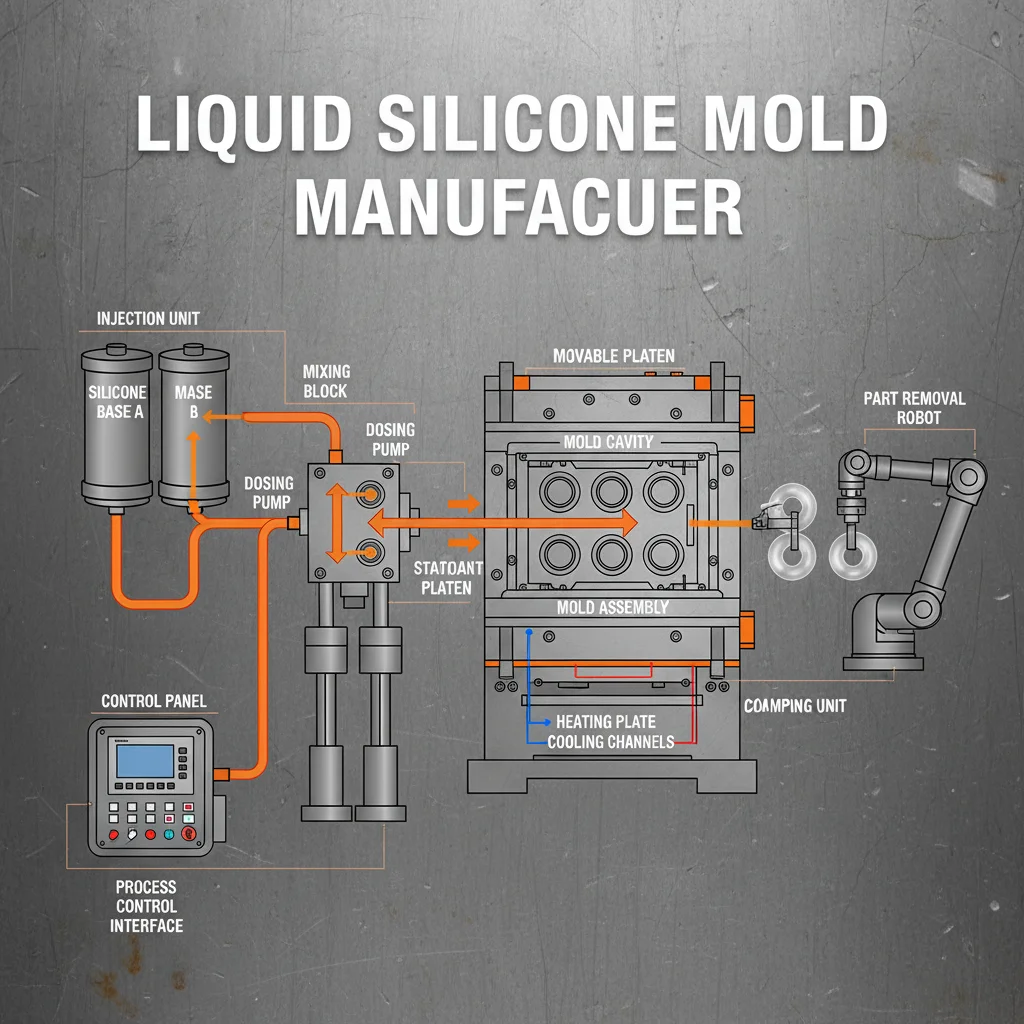
At Guangdong Yingtai High Precision Technology Co., Ltd., our factory in Dongguan specializes in advanced injection molding services, with over two decades of fluid experience in plastic and liquid silicone molding. Our extensive setup includes more than 80 automatic PVC injection molding machines and a full-scale mold processing line capable of both complex mold creation and high-volume production.

Why OEM PVC Injection Molding? The OEM model allows B2B customers to specify exact component requirements, including material grades, release agents, mold tolerances, and post-processing options, ensuring finished parts precisely meet end-use application standards. From a procurement perspective, working with an OEM enables tighter control over product specs, faster revisions, and direct factory communication—vital when sourcing globally.

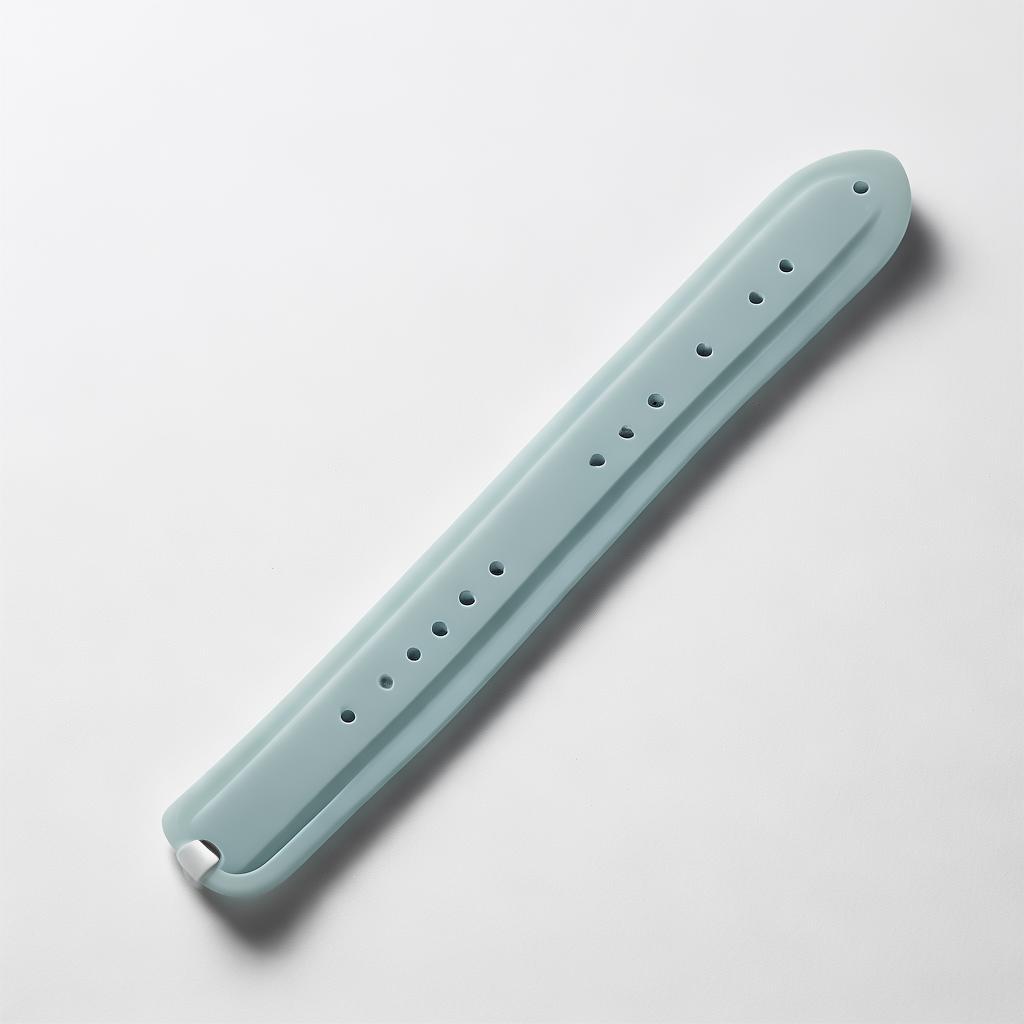
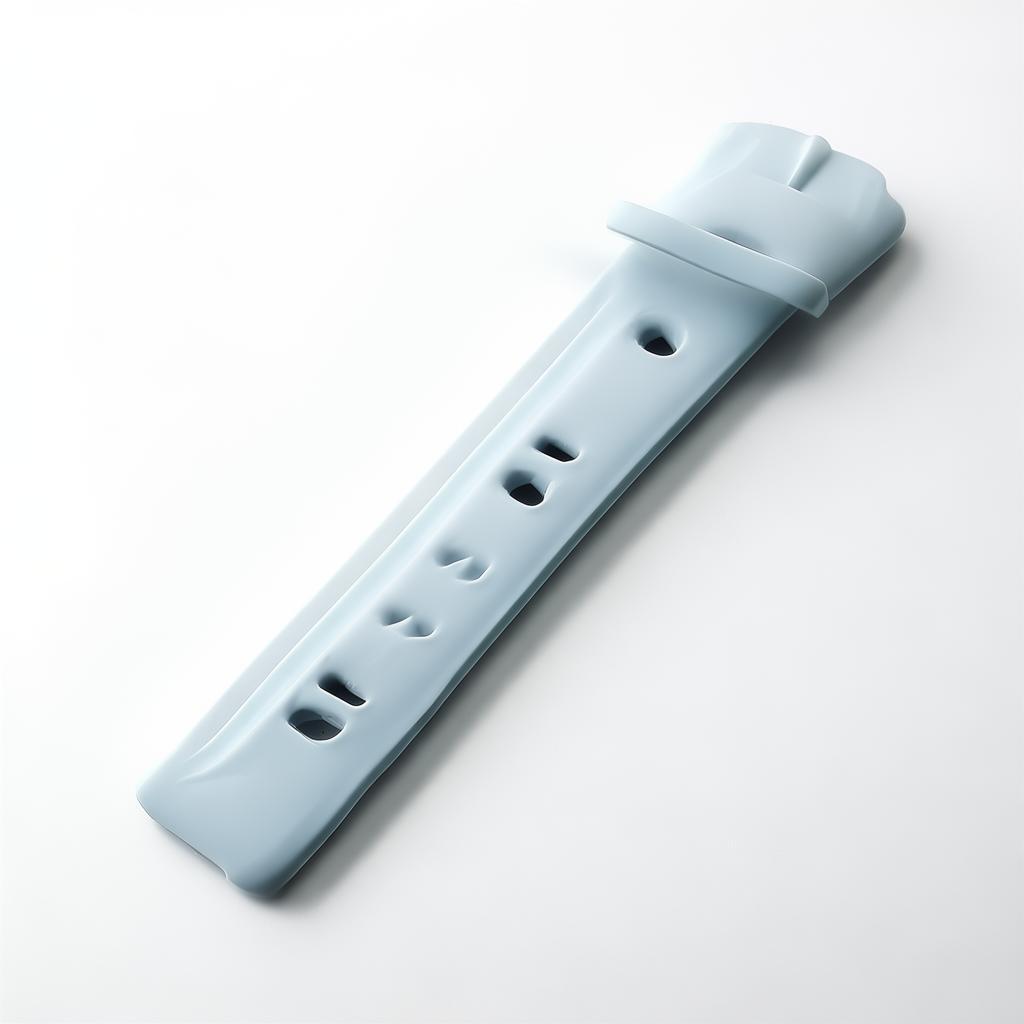
Polyvinyl chloride remains a popular choice for injection molding due to affordability, chemical resistance, and mechanical strength. When precision molded, PVC parts exhibit strong weatherability and dimensional stability under moderate temperature ranges, making them ideal for products exposed to environmental stresses or requiring long service life. To illustrate, in sectors such as construction hardware or electrical insulation, PVC injection molded components provide superior performance at competitive prices.

That said, manufacturing PVC components to exacting tolerances demands specialized tooling, temperature and pressure control, and post-molding quality assurance. Without experienced OEM input, inconsistent mold shrinkage, surface blemishes, or mechanical flaws can undermine production runs leading to costly delays and returns. Hence, the factory partner’s expertise in process optimization and materials handling becomes paramount.

Moreover, global procurement trends increasingly favor factories capable of OEM/ODM flexibility paired with transparent supply chain management. Buyers seek partners who not only produce plastic parts but also consult on design for manufacturability, logistics planning, and compliance with international standards such as ISO 9001, REACH, or RoHS. These factors collectively reduce entry barriers for new product launches and help international brands scale confidently.

Recent industry reports highlight steady growth in plastic injection molding, forecasted at over 5% CAGR globally—underscoring demand for reliable OEM partners who meet both quality and delivery expectations. Notably, factories that integrate modern process control technologies, real-time data monitoring, and skilled molding expertise provide distinct advantages in overall procurement ROI and risk reduction.

In sum, investing time in selecting an experienced OEM PVC injection molding factory ideally positions purchasing managers for success. Whether you are sourcing components for consumer goods, automotive accessories, or specialized industrial applications, our factory combines scale, technology, and professional service to meet today’s complex B2B requirements.

Common Procurement and Manufacturing Pain Points

  • Inconsistent Part Dimensions: PVC tends to shrink variably upon cooling, requiring precise mold design and process calibration to maintain tolerance ranges critical for assembly.
  • Surface Defects and Flash: Overmolding and mold sealing issues commonly lead to flashing, unwanted gate marks, or weld lines impacting aesthetics and function.
  • Material Quality Variations: Sourcing PVC resin with stable formulations affects mechanical strength and thermal properties. Lower-grade material risks premature failure.
  • Extended Lead Times: Complex tooling or idle molds can delay project timelines, affecting supply chain milestones—especially in just-in-time environments.
  • Logistics Complexities: Bulk shipments need container optimization, addressing packaging, customs compliance, and damage prevention during cross-border transit.
  • Communication Barriers: Offshore factories lacking transparent updates hinder engineering modifications, quality checks, and change order responsiveness.
  • Certification Gaps: Some manufacturers may not hold or prioritize ISO, CE, or regional compliance certifications, critical for regulated products and import approvals.

OEM pvc injection molding pvc injection molding factory OEM injection molding

Being aware of these pitfalls early in your procurement cycle allows for better risk management and smoother product launch trajectories.

Production Injection Molding Factory

Technical Advantages of PVC Injection Molding

The inherent properties of PVC combined with precision injection molding offer several operational benefits that have made it a go-to material for diverse OEM applications:

  • Excellent Chemical & Weather Resistance — Ideal for outdoor components exposed to UV, moisture, and corrosive agents.
  • Dimensional Stability & Tight Tolerances — Achieved via temperature-controlled injection enables critical fitment in assemblies.
  • Cost-Efficiency at Scale — PVC's relatively low raw material cost and speed of processing reduce per-unit expenses for high-volume runs.
  • Design Flexibility — Complex geometries, undercuts, and inserts possible through advanced mold tooling techniques.
  • Surface Finish Versatility — Options include matte, gloss, textured or colored finishes, accommodating brand aesthetics and performance needs.

Compared to other plastics like ABS or polyethylene, PVC offers superior fire retardant properties and mechanical rigidity, making it favorable for electrical housings or piping components. When paired with industry-grade molds meeting ISO 9001 standards, parts consistently comply with CE and RoHS regulations frequently required for export markets.

Our Factory’s Strength and Certifications

Yingtai Injection Molding Factory Production Line
Yingtai's Injection Molding Production Floor – Fully Automated for Consistent Outputs

With a sprawling 35,000 square meter industrial park in Dongguan’s manufacturing hub, Guangdong Yingtai High Precision Technology Co., Ltd. possesses significant competitive advantages typical procurement managers value:

  • 55+ liquid & solid silicone molding machines configured for multi-cavity production runs, ensuring scalability.
  • 80+ state-of-the-art automatic PVC injection molding presses ranging 50–350 tons, enabling varied shot sizes and cycle times tailored to product specs.
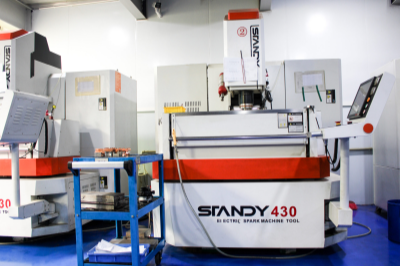
  • More than 30 precision CNC and EDM tooling stations for in-house mold development, rapid prototyping, and ongoing maintenance.
  • Strict quality control and inspection protocols utilizing advanced digital measurement instruments to ensure dimensional conformity and surface quality.
  • Certified ISO 9001:2015 Quality Management System along with RoHS and CE certifications passed for many product lines.
  • Dedicated R&D and engineering team collaborating with clients for design optimization, material selection, and process improvement.

In-House Capabilities allow expedited mold repairs and iterative tool adjustments without external delays—a critical factor to meet tight delivery schedules and last-minute specification changes.

Installation, Logistics & Lead Time Considerations

Several operational insights for effective overseas procurement and downstream handling of OEM PVC injection molded parts:

  • Lead times typically range from 25 to 45 days per batch depending on order size, tooling complexity, and mold changeover schedules.
  • Parts are palletized and packaged in moisture-resistant wrapping to prevent scuffs, contamination, and warping during transit.
  • Container loading plans are optimized to maximize space utilization while minimizing potential stress on delicate components, safeguarding overseas shipment integrity.
  • Clients often coordinate on customs paperwork in advance, and our logistics team assists with certifications and export declarations.
  • Installation-friendly design and dimensional accuracy reduce onsite fitting errors, helping assembly teams save labor and avoid rework hassles.

For procurement teams, early engagement on packaging and transportation preferences is advised to align timelines and delivery methods with end-use schedules.

Procurement Guide & Supplier Evaluation Tips

To ensure the best value and minimal risk, purchasing professionals should keep these points top of mind:

  • Evaluate Factory Certifications: Prioritize suppliers with ISO 9001 quality system, RoHS, and CE certification evidence.
  • Request Material Data Sheets: Confirm PVC resin grades correspond with application-specific mechanical and thermal requirements.
  • Ask About Mold Life & Maintenance: Durable tooling reduces batch variability and lowers tooling amortization costs.
  • Review Sample Batches: Insist on pre-production samples under production conditions to verify dimensional accuracy and finish.
  • Communication Responsiveness: Ensure clear contact points for engineering and production updates—ideally with bilingual coordination.
  • Container Loading & Shipping Terms: Clarify Incoterms and packaging standards to avoid delays or damage on arrival.
  • Request OEM/ODM Options: Verify factory flexibility for customization or design optimization services beyond standard runs.
  • Benchmark Lead Times & Volume Capacity: Align supplier capabilities with your project timelines, with buffer allowances for unexpected demand.

Being diligent upfront sharpens your negotiation leverage and bolsters your supply chain resilience.

Buyer FAQs

Q: What is the typical MOQ for OEM PVC injection molding orders?
MOQ varies but generally starts around 500 to 2,000 pieces per SKU, depending on mold tooling complexity.
Q: Can you accommodate custom color matching and finishing?
Yes. Our pigment blending capabilities support a wide spectrum of color requests and surface textures to meet brand requirements.
Q: How do you handle quality control during production?
We implement multi-stage inspections: raw material verification, in-process monitoring, and final dimension and appearance checks using precision instruments.
Q: What lead time should buyers expect for injection molded parts?
Standard production typically takes 25–45 days depending on order scale and mold readiness.
Q: Is it possible to get design assistance or prototyping services?
Absolutely. Our engineering team collaborates closely on DFM (design for manufacturing) and prototyping to ensure efficient tooling and cost optimization.

Client Reviews & Procurement Scenarios

Reviewer: Jonathan Myers

Jonathan Myers, Procurement Manager, Midwest Appliance Co.

“Working with Yingtai for custom PVC housings improved our supply chain stability. Their mold tooling adaptation saved weeks of lead time compared to previous suppliers.”

Get in Touch