Guangdong Yingtai High Precision Technology Co., Ltd. — Your Trusted Partner for High-Quality Liquid Silicone Rubber Components When global manufacturers seek precision OEM silicone injection moulding partners, they demand more than just *capacity*. What
Guangdong Yingtai High Precision Technology Co., Ltd. — Your Trusted Partner for High-Quality Liquid Silicone Rubber Components
Understanding OEM Silicone Injection Moulding: A Strategic Exporter’s Perspective
When global manufacturers seek precision OEM silicone injection moulding partners, they demand more than just *capacity*. What really matters is industrial expertise combined with scalable customization and consistent quality. Based in Dongguan, China, Guangdong Yingtai High Precision Technology Co., Ltd., stands as an industrial beacon—over two decades of relentless focus on liquid silicone rubber (LSR) processing, mold innovation, and export logistics. Our 35,000 m² facility embodies a full production ecosystem, from mold design to high-volume finished product output, catering to diverse industries including medical devices, automotive seals, and consumer electronics.
The **LSR injection molding market** continues brisk growth, expanding annually by 6-9% globally. This dynamic is powered by rising application demands for biocompatible, durable, and perfectly dimensional silicone components. According to GrandViewResearch, the market size is set to nearly double to roughly USD 5 billion by 2030, driven by precision molded exquisite products. We’ve tailored our manufacturing and logistics workflows specifically to meet these industry pressures.
What sets a top-tier OEM silicone injection molding exporter apart? It requires:
Deep understanding of LSR material properties and molding nuances;
Robust, validated molds optimized for minimum cycle times and dimensional tolerance;
Clear communication and agile product iteration alongside buyer design teams;
Reliable international shipping with transparent lead times and regulatory compliance;
Experienced coordination with global procurement managers and supply chain professionals.
Having served OEM customers across North America, Europe, and Asia-Pacific, we fully grasp the *pitfalls* buyers encounter when engaging offshore suppliers: inconsistent quality, unclear IP protections, difficult communication channels, and unpredictable delivery schedules. Our commitment is to eliminate these headaches by providing turnkey injection molding solutions with full EEAT compliance. Our factory employs advanced CAE simulation and mold manufacturing systems to reduce defects and accelerate time-to-market — a critical advantage in fast-moving industries.
Whether your project calls for medical-grade LSR overmolding, high-performance automotive sealing components, or consumer-grade waterproof electronics seals, our team’s engineering insights and tooling expertise ensure you get precisely specified components without costly delays. *Design-to-delivery efficiency* is at the core of our operation.
Operational insight: Communication breakdowns can add weeks to product cycles. We prioritize proactive engineering collaboration, onsite mold validation, and frequent progress updates to keep buyers informed and in control.
Industry Pain Points & Export Challenges in Silicone Injection Moulding
Silicone injection molding in an OEM export context confronts several nuanced challenges that can impact cost, quality, and delivery:
Material consistency: Variations in LSR batches can cause curing delays or surface defects, leading to operational wastage.
Mold durability & complexity: LSR demands specialized tooling with precise thermal control, plus design complexity when molding multi-shot or overmolded parts.
Process simulation accuracy: Inaccurate rheological or curing data leads to prolonged trial runs, increasing tooling costs and overtime production.
Surface finish & contamination control: Silicone’s low surface energy necessitates rigorous cleanroom conditions and optimized gate design to minimize flash and dust inclusions.
Regulatory compliance: Exporting medical-grade or food-contact silicone parts requires documented compliance with ISO 10993, FDA, or REACH — often a bottleneck without established documentation and testing workflows.
Supply chain risks: Shipping silicone parts internationally demands careful container loading strategies to avoid damage and unexpected customs delays.
Communication gaps: Time zone differences and language barriers can delay technical issue resolution and decision-making during production runs or new tooling phases.
Our extensive experience navigating these common pitfalls enables us to design replicable processes that enhance consistency, reliability, and transparency—critical for industrial customers managing complex procurement cycles.
Technical Insights & Material Selection Fundamentals
Choosing the right silicone material grade is a pivotal decision that shapes durability, flexibility, and final application suitability for injection molded parts. We predominantly utilize high-purity Liquid Silicone Rubber (LSR) formulations compliant with international industrial and medical standards.
Material Type
Typical Applications
Key Properties
Certifications
Medical Grade LSR
Catheters, seals, wearable devices
Biocompatible, sterilizable, low extractables
ISO 10993, FDA CFR 21 part 177.2600
Industrial Grade LSR
Automotive seals, gaskets, consumer electronics
UV resistance, temperature stability, chemical resistance
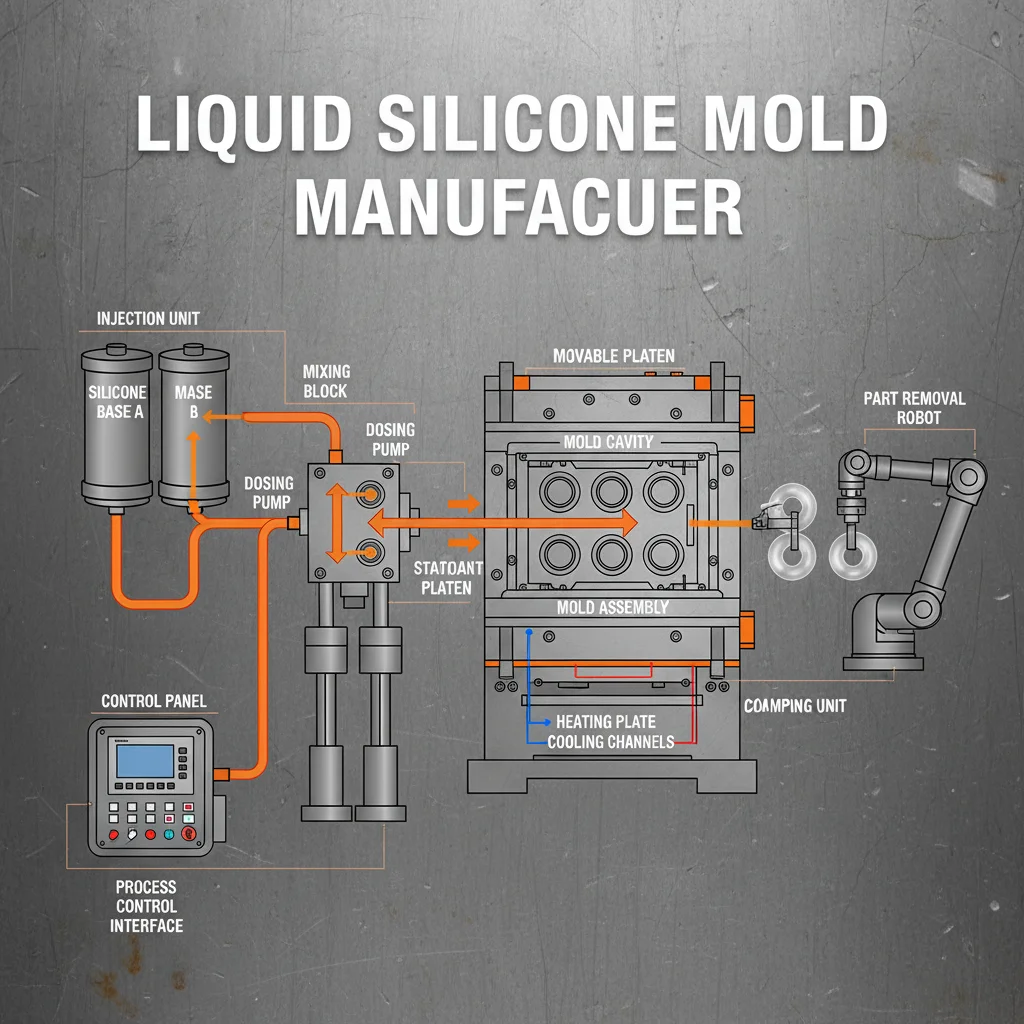
Production methodology: We implement liquid injection molding (LIM), optimized for high repeatability with short cycle times. Our 55 machines dedicated to LSR enable intricate geometries and multi-cavity runs with tight tolerances. Additionally, we integrate advanced process simulation tools backed by comprehensive material characterization datasets — critical for reducing scrap and ensuring mold fill consistency.
For hybrid products combining silicone and plastic overmolding, we employ multi-component injection molding (MCIM), blending LSR with thermoplastics like ABS, which aligns with recent innovations referenced in MDPI Polymers (2023).
Expert note: Mold design for LSR differs significantly from plastics—venting and sealing strategies require specialized tooling to avoid flash and incomplete vulcanization.
Advantages of Yingtai’s OEM Silicone Injection Moulding Solutions
End-to-End Customization: From mold design using precision CNC and EDM tooling to in-house testing, your product specifications drive every phase.
Advanced Machinery: 55 LSR molding machines and 80 automatic plastic injectors ensure scalability without compromising quality.
Stringent Quality Control: 20+ advanced testing instruments inspect critical tolerance, hardness, and material integrity per batch.
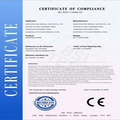
Certified Compliance: Products meet medical, industrial, and food-grade certifications (ISO 13485, RoHS, CE) with full traceability.
Reduced Lead Times: Process simulation and rapid tool development reduce tooling iteration cycles, supporting swift time-to-market schedules.
Experienced Technical Support: Collaborate with engineers fluent in procurement and tooling workflows for smooth development.
Robust Export Experience: Decades of handling USA customs and freight forwarding minimize shipment delays and damage risks.
Our factory is positioned to navigate the complexities of global supply chains efficiently—a crucial asset in today’s volatile logistics environment.
Procurement Guidance for Buyers: Mitigating Risks with OEM Silicone Exporters
Purchasing OEM silicone injection molded parts offshore requires strategic due diligence:
Supplier Verification: Confirm factory certifications and request on-site audit videos or third-party inspection reports.
Material Validation: Ask for certified material data sheets and small batch prototypes to verify adherence to industry-specific requirements.
Tooling Ownership & Modification Rights: Ensure clear agreements on mold ownership to avoid unexpected tooling charges in future production runs.
Communication Channels: Establish dedicated points of contact with technical and export representatives to enable quick response cycles.
Packaging & Shipping: Verify packaging solutions for transit shock resistance and humidity control, especially for delicate silicone components.
Working with Guangdong Yingtai means collaboration with a supplier that not only meets these criteria but also proactively advises on material selection, design for manufacturability (DFM), and export documentation. Our goal is to make your procurement predictable and your supply chain resilient.
Logistics & Shipping Essentials for OEM Silicone Parts
Container Loading Optimization: Silicone parts often need custom trays or anti-static packaging to prevent deformation or contamination during shipping.
Customs Documentation: Comprehensive packing lists, certificates of origin, and compliance documents expedite clearance especially for medical or food-contact applications.
Lead Time Buffering: Realistic lead times acknowledge occasional delays due to inspections or port congestion. We provide transparent schedules reflecting these risks.
Freight Forwarding Partnerships: We cooperate with experienced global freight partners familiar with handling rubber and molded parts to minimize damage and loss.
Engineering teams should factor logistics constraints early in the product design phase to accommodate packaging and transport stresses appropriately.
Certifications & Factory Capabilities: What You Get with Guangdong Yingtai
Guangdong Yingtai boasts a mature quality management system backed by globally recognized certifications:
ISO 9001:2015 for Comprehensive Quality Management
ISO 13485 for Medical Device Manufacturing
RoHS & CE Compliance for Industrial and Consumer Products
FDA Approved Materials and Manufacturing Processes
More than 105 sets of advanced machines support production diversity:
20+ advanced testing instruments including durometers, tensile testers, and spectrophotometers
Our commitment to international quality standards ensures your products comply with critical factory and export regulations.
Frequently Asked Questions (FAQs)
Q1: What is the typical lead time for OEM silicone injection molding orders?
Typical lead times range between 4-8 weeks depending on mold complexity and order volume. We communicate transparently to adjust expectations if tooling or custom process validation is required.
Q2: Can you assist with design for manufacturability (DFM)?
Yes. Our engineering team offers collaborative reviews to optimize your design, reducing costly revisions during prototyping and scaling phases.
Q3: What certifications do you hold relevant to medical-grade silicone?
We maintain ISO 13485 certification and FDA-approved materials inventory. Our processes meet rigorous requirements for biocompatibility and cleanliness.
Q4: How do you ensure consistent quality across large-volume shipments?
We implement statistical process control, batch traceability, and pre-shipment inspections to minimize variation and avoid defects.
Q5: What are your recommended packaging practices for fragile silicone seals?
Customized foam trays or antistatic bags along with climate-controlled containers are recommended to protect parts from deformation or contamination during long transits.
Customer Reviews & Testimonials
John Miller, Procurement Manager, California
"Partnering with Guangdong Yingtai was a smart move. Their responsiveness and technical input helped reduce our material wastage by about 15% in a particularly complex overmolding project. Shipping arrived on time and damage-free — no surprises."
Get in Touch
If you have any camping barbeque equipment inquiry, please feel free to contact us.




 John Miller, Procurement Manager, California