Precision Liquid Silicone Rubber Manufacturing for Medical, Automotive, & Electronics Industries OEM silicone injection moulding plays a pivotal role in producing high-performance silicone components essential across diverse industrial sectors ranging from medical devices and
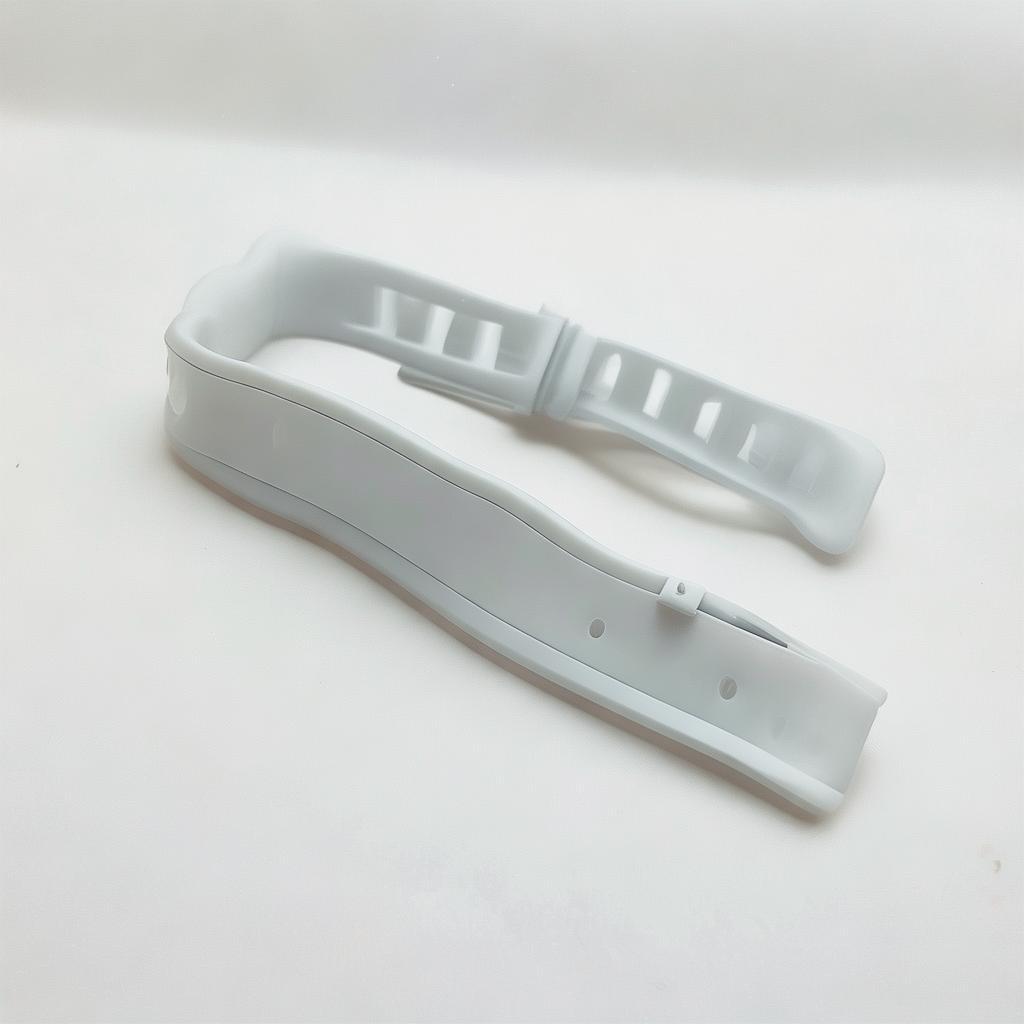
OEM silicone injection moulding plays a pivotal role in producing high-performance silicone components essential across diverse industrial sectors ranging from medical devices and consumer electronics to automotive seals and smart wearable technologies. The technique leverages liquid silicone rubber (LSR), a highly versatile material known for its exceptional biocompatibility, chemical resistance, thermal stability, and flexibility, to yield intricately designed parts with tight dimensional tolerances.
Over recent years, manufacturers and procurers have witnessed an uptick in the demand for precision molded silicone parts. This demand growth aligns with the global Liquid Silicone Rubber market expansion, which industry reports project to reach values between USD 4.9 billion and 7.5 billion by 2030-2035 with CAGR rates hovering between 6.2% and 9.2%. The synergy between innovative molding processes and material properties fuels this trend — enabling complex geometries, high-volume consistency, and compliance with strict industry standards such as ISO 13485 for medical-grade components, FDA regulations for food contact, and CE certification for European markets.
Navigating OEM silicone injection moulding procurement involves understanding multiple layers: from material formulation, tooling fabrication, cycle times, to logistics planning and quality assurance. The upfront investment in mold tooling — often the most expensive component — demands careful design optimization to prevent flash, voids, and warpage. High-fidelity CAE simulations, supported by accurate rheological data, are now standard in reducing early-stage production faults and shortening time-to-market.
Additionally, manufacturers must balance cost, lead-time, and scalability risks with operational realities such as machine capacity, multi-shot molding capabilities, and environmental controls. <%-- In our experience, many clients underestimate the impact of proper curing profile optimization, leading to costly rework or inconsistent product performance in demanding applications. --%>
Material Matters: Selection between liquid silicone and solid silicone depends heavily on application demands, elasticity, and production volume.
Process Precision: Injection parameters like temperature, pressure, shot size, and mold venting greatly influence dimensional accuracy and surface finish quality.
Compliance & Testing: Parts often require certifications such as ROHS, UL94, and biocompatibility tests to meet industrial and safety standards.
Supplier Collaboration: Close partnership with OEM manufacturers can uncover design-for-manufacturing efficiencies, leading to reduced cycle times and improved yield.
Logistics Nuances: Silicone components’ sensitivity to moisture and temperature demands tailored packaging and shipping plans to preserve quality during transit.
Our team at Guangdong Yingtai High Precision Technology Co., Ltd. has cultivated over two decades of hands-on expertise supporting international procurement teams across North America, Europe, and Asia-Pacific regions. This insight informs our holistic approach — combining material science, process engineering, and supply chain optimization to meet exacting OEM specifications with commercial reliability.
Industry Challenges & Procurement Risks
Many procurement directors and purchasing managers encounter familiar pain points when sourcing OEM silicone injection moulding services. The growing market demand has encouraged a surge in suppliers, but not all meet the stringent requirements essential for consistent industrial or medical-grade silicone components. Here’s what tends to trip up buyers:
Risk: Inconsistent Material Quality – Shifts in silicone resin batches without proper certification or traceability can cause variability in hardness, color, or elasticity, resulting in assembly or performance issues downstream.
Risk: Tooling & Mold Flaws – Low-cost molds with poor venting design often produce flash defects, short shots, or warpage. Hidden mold design complexity raises overhead and delays ramp-up.
Risk: Extended Lead Times – Underestimating development cycles for custom LSR molds can stall product launches, especially when combining multi-component molding (e.g., LSR + thermoplastics).
Risk: Insufficient Compliance – Failure to verify regulatory documentation or test reports risks shipment rejection or market non-acceptance.
Risk: Logistics Mishaps – Silicone’s sensitivity to moisture and temperature fluctuations demands proactive shipping protocols, otherwise arriving shipments risk product property degradation.
Practical advice for buyers:
Engage suppliers with documented ISO 9001 and ISO 13485 (for medical) certifications.
Request process validation and material batch traceability data.
Ask for sample parts produced from serial tooling for fit and functional verification before final orders.
Consider molds with modular inserts to reduce future tooling change costs.
Plan for staggered production runs to flex capacity as demand fluctuates.
Clarify lead times upfront, incorporating design review, mold manufacturing, pilot runs, and full production stages.
Inspect packaging standards related to humidity and anti-static precautions during transit.
Technical Overview & Material Insights
Understanding the interplay of material characteristics and the injection molding process elevates not only product quality but also operational efficiency. Liquid Silicone Rubber (LSR), primarily composed of polydimethylsiloxane (PDMS), is favored for its chemical inertness, UV resistance, low toxicity, and versatility in processing.
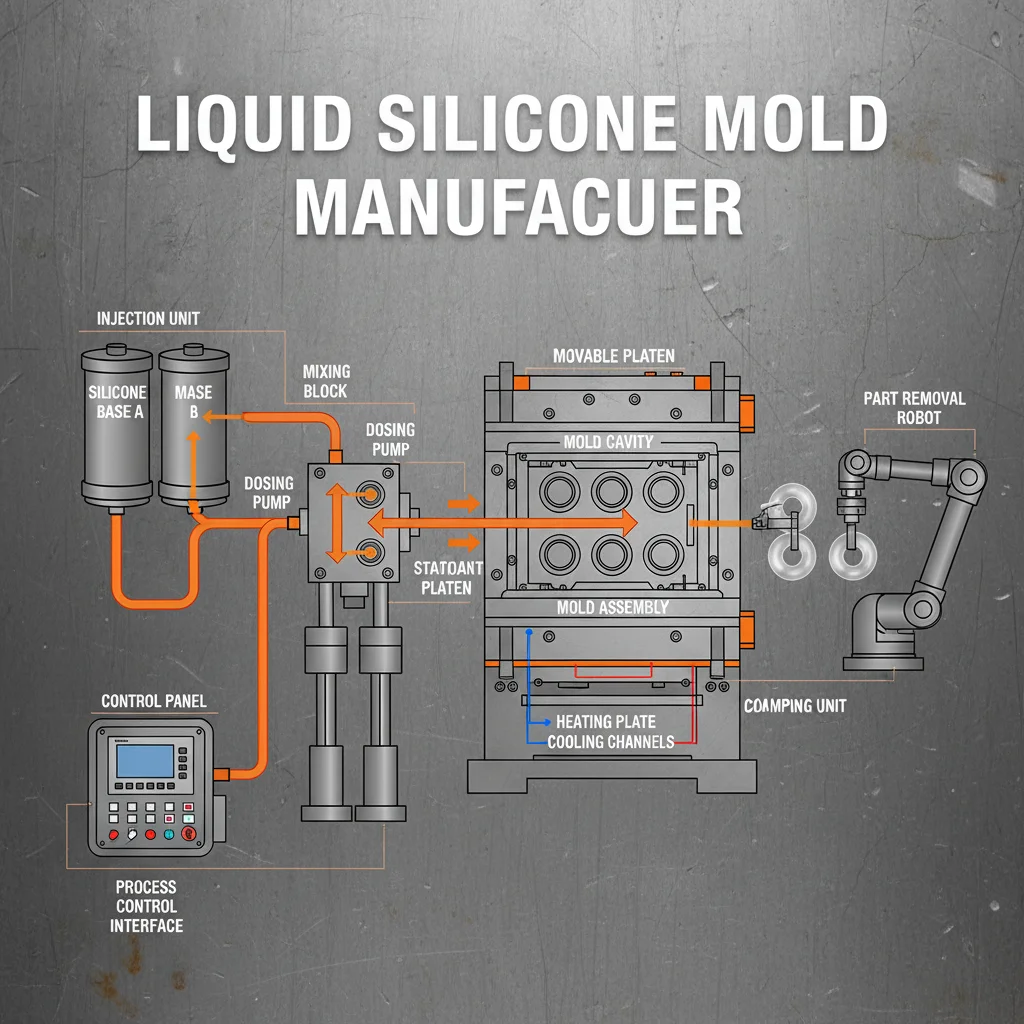
Injection Molding Machines: Modern LSR molds typically run on liquid silicone injection molding machines with dual-feed systems precisely dosing the two-part silicone components to ensure consistent vulcanization.
Mold Temperature Control: Maintaining mold temperatures between 15-25°C is critical for uniform curing and cycle stability.
Fill & Cure Time: Depending on part thickness and complexity, fill times vary from seconds to over a minute, followed by curing cycles optimized per material that typically range from 90 to 180 seconds.
Ventilation & Flash Management: Proper mold venting is needed to minimize flash defects. Our tooling integrates micro-venting technology to ensure consistent cavity filling without air traps.
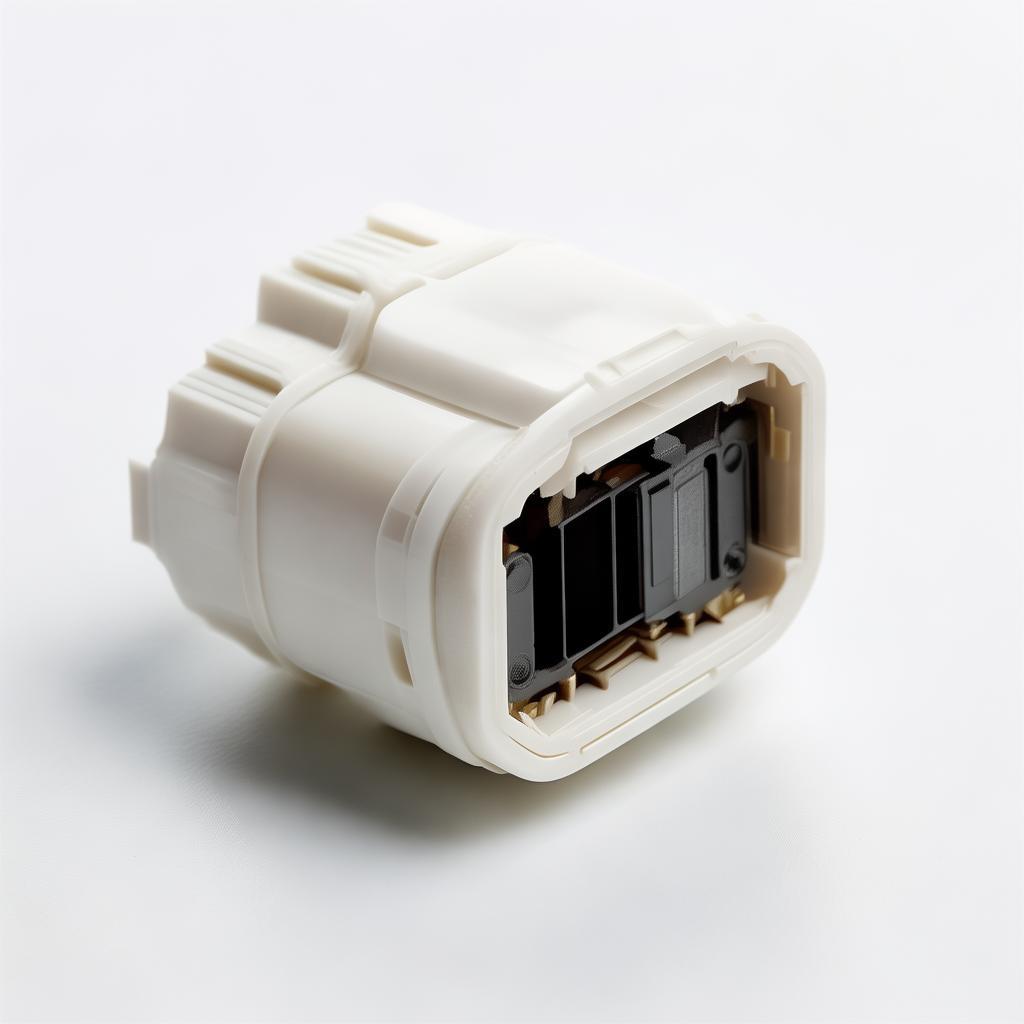
Multi-Shot Molding: Combining LSR with thermoplastics (e.g., ABS, PC) in overmolding enhances component functionality, a growing trend in wearable electronics and medical connectors.
Note: Advanced CAE simulation backed by accurate material characterization (rheological and thermal data) plays a crucial role in reducing costly mold iterations and improving dimensional fidelity. (MDPI Polymer Journal, 2024)
Applications & Use Cases
OEM silicone injection moulding finds broad application across sectors where precision, durability, and compliance are non-negotiable:
Medical Devices: Catheters, seals, respiratory masks, and diagnostic tools needing ISO 13485 certification and USP Class VI biocompatibility.
Automotive Industry: Gaskets, vibration dampeners, flexible seals for electric vehicles offering heat resistance and chemical stability.
Consumer Electronics: Waterproof seals, button covers, and connector overmolding for smartphones, wearable devices, and audio equipment.
Household Appliances: Silicone rubber parts with anti-slip backing, flexible sealing boots, and flexible tubing.
Industrial Electronics: Protective covers, cable harnesses, and overmolded cable boots designed for rugged conditions.
One critical factor for successful OEM collaborations is anticipating installation and operational environments. Silicone parts destined for harsh chemical exposure or outdoor use must be tested for UV resistance, tensile longevity, and temperature cycling. Our factory routinely performs accelerated aging tests to validate material performance under specific conditions per customer request.
Rooted in Dongguan’s industrial hub, Yingtai’s high-precision manufacturing center spans 35,000 sqm, featuring:
55 liquid silicone injection molding machines
80 automatic plastic injection molding machines
20 solid silicone hydraulic presses
30+ precision mold processing equipment sets
20+ advanced quality testing instruments ensuring process control
The factory’s integrated production line—from mold development to finished product assembly—ensures tight control over timelines and quality. Our team of 500+ technical professionals supports multi-material overmolding, including LSR + ABS hybrid components, meeting increasingly complex OEM specifications.
Certification and compliance:
Certification
Scope / Comment
ISO 9001
Quality Management Systems
FDA
Medical & Food Contact Compliance
CE Marking
European Market Certification
RoHS
Restriction of Hazardous Substances
Thanks to robust equipment, advanced tooling processes, and stringent QA protocols, our clients report reduced build cycles and defect-related downtime. Combining traditional expertise with innovations like vacuum-assisted mold filling and AI-assisted process parameter optimization, we enable reliable large-scale runs tailored to tough industrial standards.
Frequently Asked Questions
Q1: What industries commonly outsource OEM silicone injection moulding?
Medical, automotive, consumer electronics, household appliances, wearable tech, and communications equipment are the primary sectors. Each sector demands custom compliance and performance standards.
Q2: What lead times can be expected for custom LSR tooling and production?
Typical mold development runs 6–10 weeks, including design, fabrication, and pilot trials. Once tooling is validated, production samples can be delivered within 15–25 days depending on order volume.
Q3: How do you ensure biocompatibility for medical silicone parts?
We use USP Class VI and ISO 10993-certified silicone materials combined with cleanroom production processes. Fully documented testing accompanies each lot for traceability and regulatory submission.
Q4: Can you integrate multi-shot overmolding into OEM projects?
Yes, we specialize in hybrid molding combining LSR with thermoplastics such as ABS or PC to provide enhanced structural and functional characteristics.
Q5: What sort of packaging and shipping controls are applied to preserve part quality?
Parts are packaged in controlled humidity and temperature-stable environments with anti-static and dust-proof protection. We work closely with logistics partners to tailor solutions according to destination climate and transit duration.
Customer Reviews & Procurement Insights
John Miller (Procurement Manager, Midwest USA)
“We transitioned to Yingtai for our medical device seals after dealing with inconsistent batches from other suppliers. Their ISO-certified sourcing and detailed batch traceability gave us confidence. The response time on tooling queries was excellent and lead times aligned with our launch schedule. It's clear they understand import logistics and compliance needs, which saved us a lot of headaches.”
Get in Touch
If you have any camping barbeque equipment inquiry, please feel free to contact us.



 ISO 9001
 FDA
FDA
 CE Marking
 RoHS
RoHS